

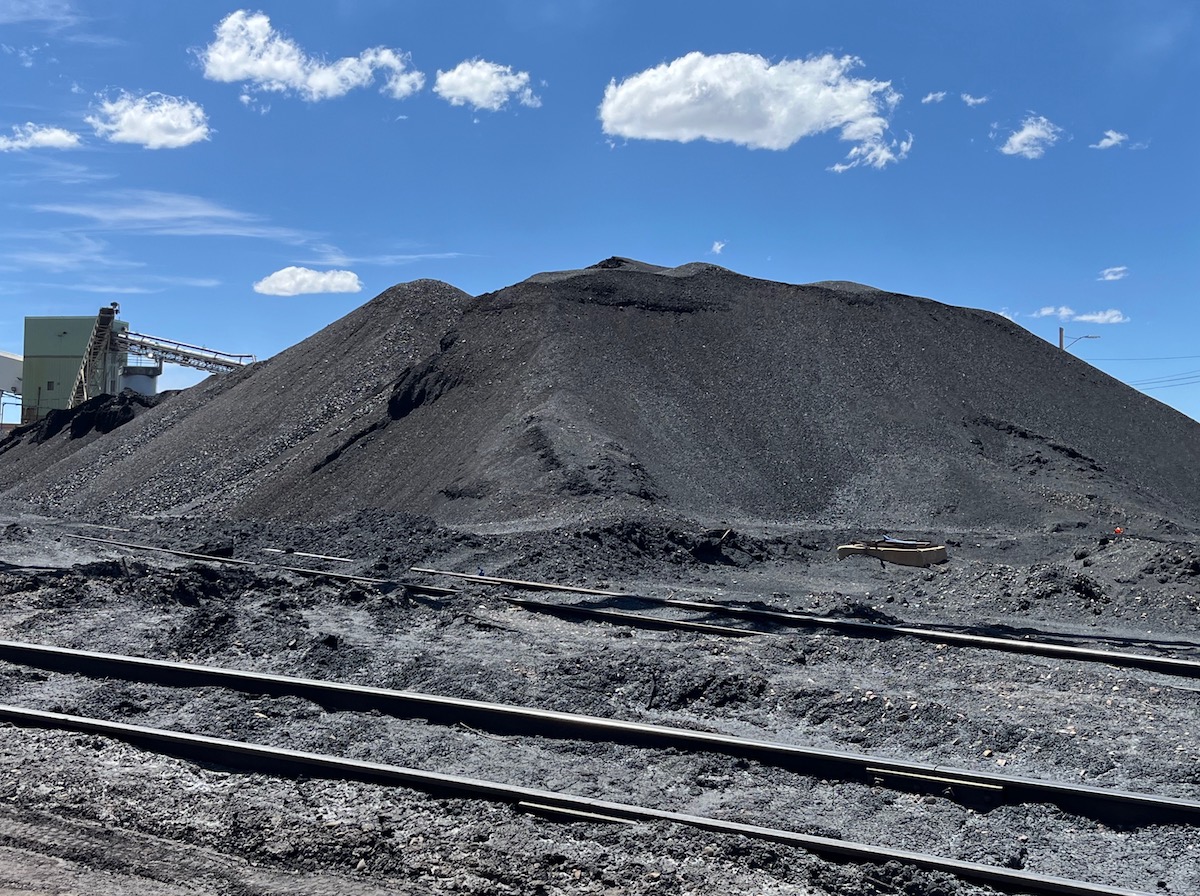
After years of speculation and rumor, the Kemmerer coal mine in southwest Wyoming is set to close at the end of 2029, officials say.
At least that’s the plan for now.
“It’s a dynamic business, you know,” Kemmerer Operations President and Mine Manager Don Crank told WyoFile. “Things do change from year to year, and we’re hoping to figure a few things out to go further. But that’s kind of what we’re planning right now.”
There are no plans for layoffs for now, Crank added. About 153 miners work there, according to federal data. About two-thirds are organized under the United Mine Workers of America, Local 1307, which has been active at the mine for more than 100 years.
Now that the adjacent Naughton power plant has stopped buying coal from the Kemmerer coal mine, nearby trona and soda ash producers lament the eventual demise of the primary fuel source they use to fire boilers and, in some cases, to generate a portion of their electricity.
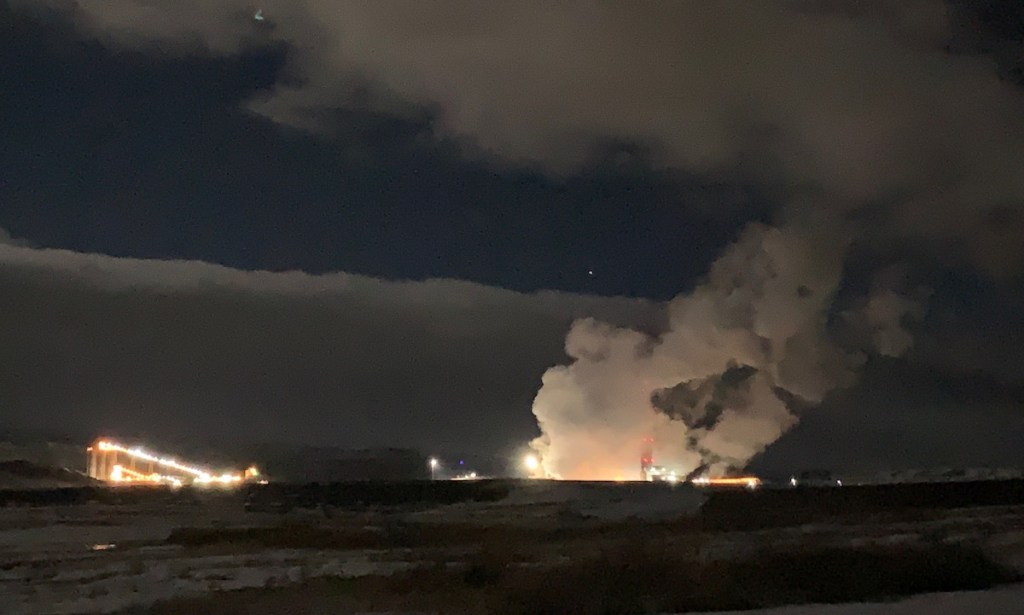
Talk of the mine’s potential closure has swirled in the tiny neighboring southwest Wyoming towns of Kemmerer and Diamondville since 2018, when its former owner Westmoreland Coal Company filed for Chapter 11 bankruptcy. Though the mine has continued to operate under new owners — from Westmoreland to PhenixFIN and now ECC Capital Corporation — the future has felt tenuous because of changes with its biggest client.
Naughton’s majority owner PacifiCorp, which operates as Rocky Mountain Power in Wyoming, began converting coal-burning units at the power plant to natural gas in 2020, and completed the switch in December 2025. Kemmerer mine has seen its annual production slip from 4.2 million tons in 2017 to 2.4 million in 2024 and 1.5 million in 2025, according to federal data.
Trona industry impact
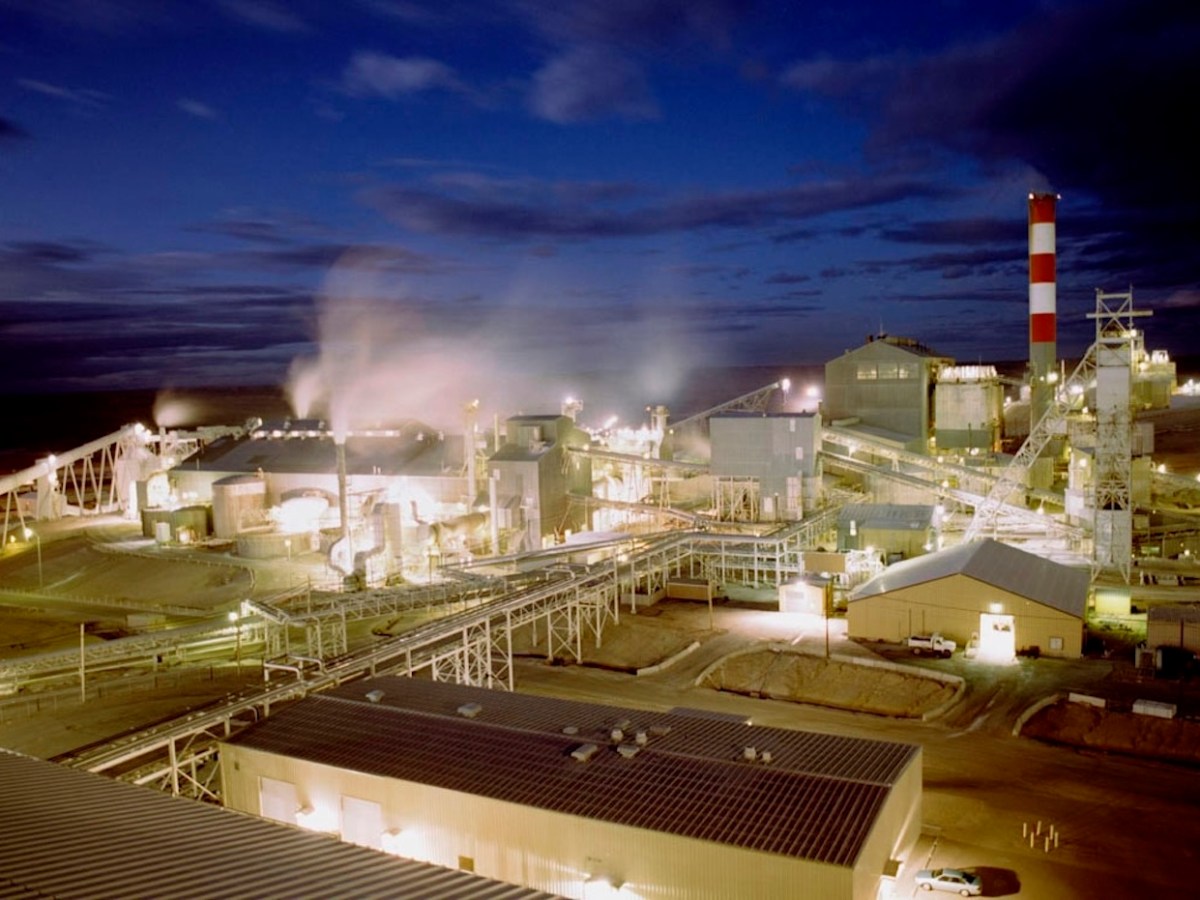
Among its remaining clients are a handful of trona mines that convert the mineral into soda ash — the primary ingredient for glass and dozens of manufacturing and household products. Many rely on daily truckloads of Kemmerer coal to heat boilers in the trona-to-soda ash process, and some also use the coal to generate a portion of electricity used onsite.
Contemplating the loss of Kemmerer coal — along with spiking rates for utility-supplied electricity and plans to expand trona and soda ash operations — some within the industry have considered contracting for third-party power from new natural gas-fired generation or renting modular nuclear microreactors.
As for a new source to fire boilers, WE Soda plans to turn to natural gas.
The Wyoming Energy Authority earlier this month recommended a $13 million grant to help the company build a “natural gas supply connection” to its operations. In its pitch for the grant, WE Soda noted, “The project will help maintain the competitiveness of Wyoming-produced soda ash by providing a cost-effective and reliable thermal energy source for current operations in time to replace the economical local coal which will be depleted by the end 2027.”

Crank declined to discuss the mine’s contracts.
Meantime, the Wyoming Energy Authority has been exploring options for how the state might help the trona and soda ash industry prepare for the mine’s eventual closure. The industry, after all, produces more than half of Wyoming’s global commodity exports at about $1.3 billion annually. It employs some 2,500 workers in the southwest corner of the state.
Among five soda ash processing plants in southwest Wyoming, two consume a combined 1 million tons of coal annually, according to the agency’s commissioned Wyoming Coal Study published in February. “The coal supply for these industrial plants is threatened by the announced plans to close the Kemmerer mine, and the state should support the extension of the Kemmerer mine or the development of a replacement local coal supply,” the report stated.