
Laramie County Sheriff Brian Kozak asked a judge Wednesday to dismiss a lawsuit challenging a trio of agreements his office signed last year to assist the federal government in enforcing immigration laws.
Last month, a church, a nonprofit advocacy group and a barbershop, represented by the American Civil Liberties Union, sued the Laramie County Sheriff’s Office and Kozak over their 287(g) agreements with U.S. Immigration and Customs Enforcement. The group asked the court to void these agreements, which are named after a section of immigration law and allow local and state law officers to perform some immigration enforcement under ICE’s oversight.
The lawsuit accuses Kozak and his office of violating legally required procedures and exceeding their legal authority when entering into the contracts. The plaintiffs have suffered financial and other resource burdens as a result, the complaint states.
The initial response from the sheriff’s lawyer, Casper attorney Amy Iberlin, argues that the plaintiffs didn’t follow notice requirements under the Wyoming Governmental Claims Act, making their case “fatally defective.”
The reply also asserts that the plaintiffs “lack standing” — that they don’t have enough of a connection to and harm from the contracts to sue. “Plaintiffs here have failed to allege a concrete, particularized, and legally protected injury, asserting instead generalized grievances that are insufficient to invoke the judicial power of this Court,” the motion to dismiss the case states.
A judge will decide whether to grant the defendants’ request.
ICE has three types of contracts — Jail Enforcement, Warrant Service Officer and Task Force — that allow local and state law enforcement to conduct immigration enforcement, expanding the federal agency’s reach. The Trump administration revived the most controversial of these three agreements, the Task Force model, in 2025 after the Obama administration had phased it out in 2012.
Kozak’s office is one of two law enforcement agencies in Wyoming — the other being the Sweetwater County Sheriff’s Office — that has all three enforcement agreements with ICE. The Laramie County Sheriff’s Office has made over 400 immigration arrests since October, when deputies started enforcing immigration under 287(g).
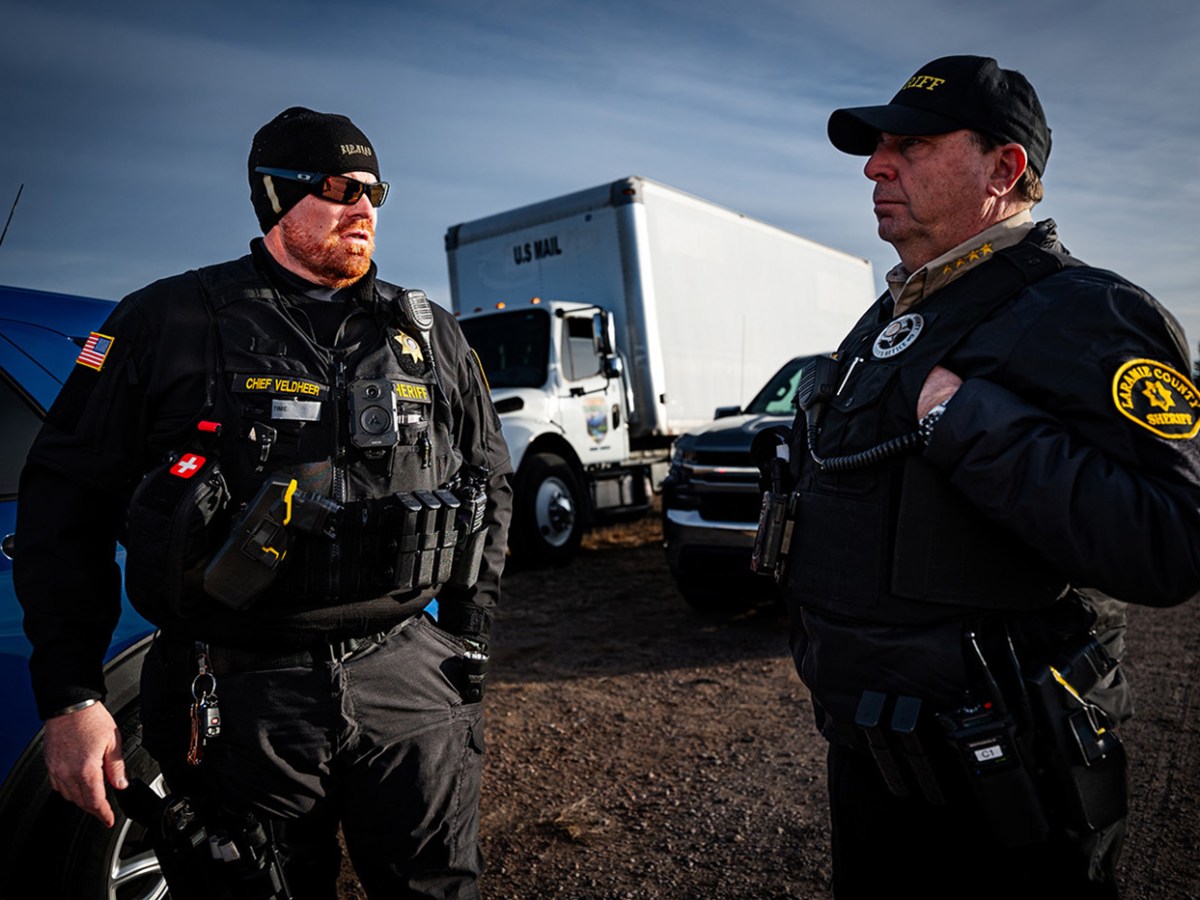
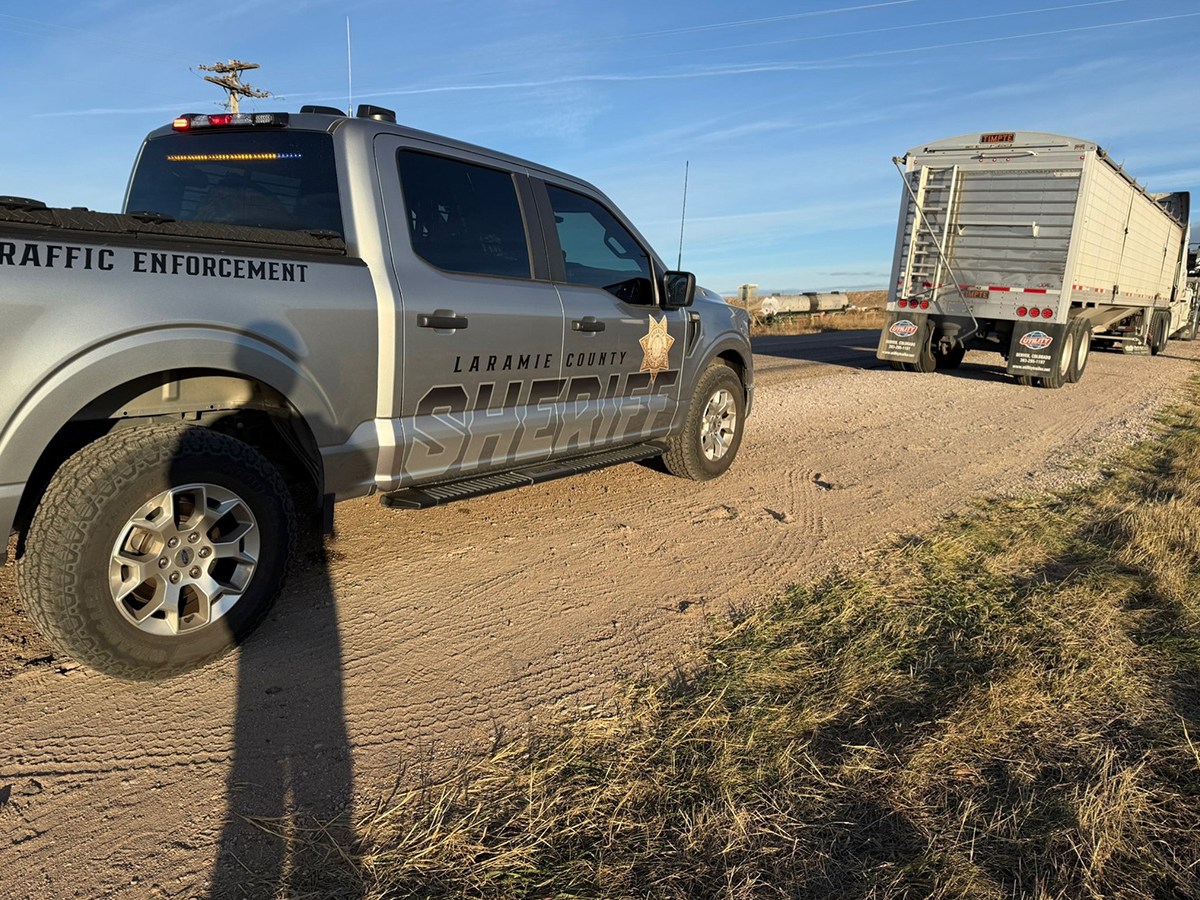
After filing the lawsuit, the ACLU sent records requests to other Wyoming law enforcement agencies with 287(g) agreements seeking information about how they enacted their ICE contracts. The ACLU is looking at whether they made any of the same missteps alleged in the lawsuit against the Laramie County Sheriff’s Office, ACLU Senior Staff Attorney Andrew Malone said during a virtual public forum.
“We don’t know at this time, but it is something that we’re actively looking into,” Malone said.
Depending on what they learn, the ACLU could file more legal challenges, according to Malone. “If we get to that point where we get a positive ruling and other counties are deciding that they don’t want to follow the appropriate judge-approved procedure, we would absolutely be considering filing lawsuits elsewhere.”