

After the Wyoming Freedom Caucus told voters last year it aimed to “DOGE” the state’s next two-year budget by “identifying unconstitutional and wasteful spending,” one of its leading members pushed for extra scrutiny of the Department of Health.
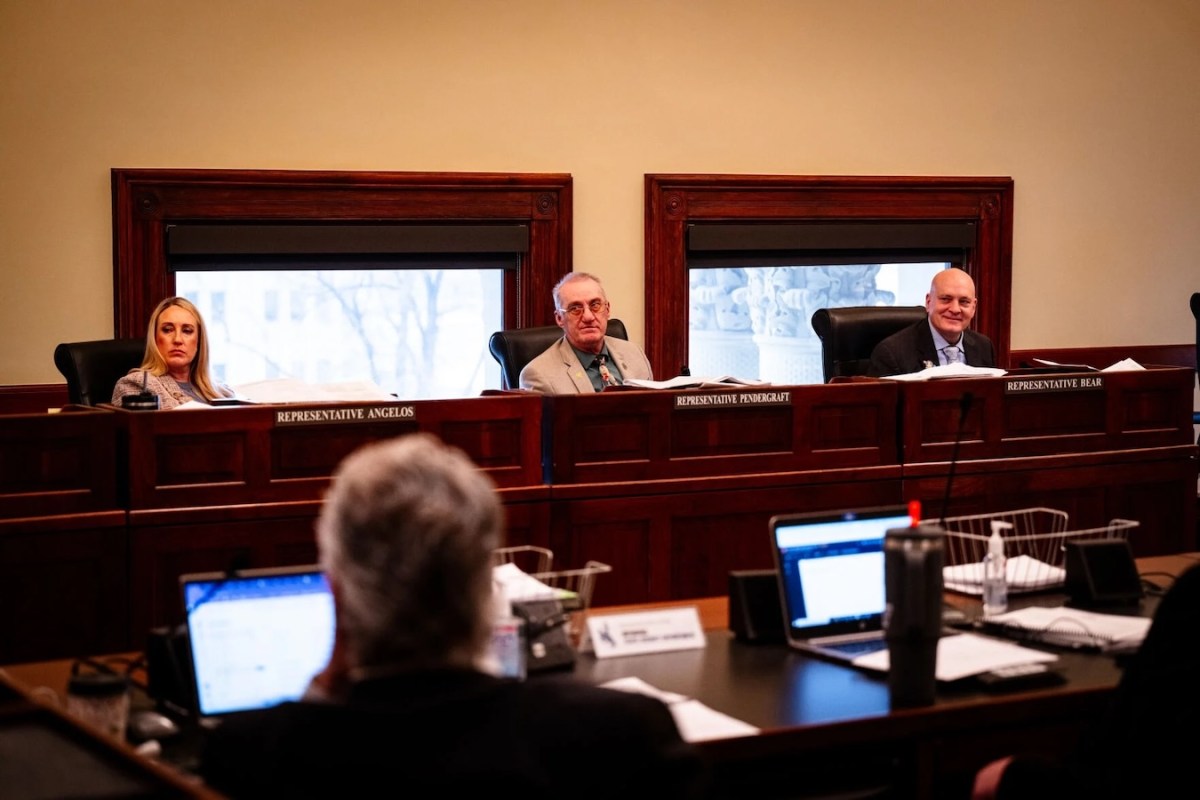
Rep. Ken Pendergraft, R-Sheridan, brought a successful motion during a legislative committee meeting in August to form a subcommittee for the purpose of examining the department, the state’s largest executive-branch agency.
“This has been a fact-finding thing,” Pendergraft told WyoFile in October. At that point, the subcommittee had held two of its four meetings.
“This isn’t a grudge match. This isn’t going out and trying to hack with a meat cleaver or anything,” he said. “But the necessity may well be there — that we’re going to be forced to do some cutting. And if that is the case, we want to do so as judiciously as possible.”
Chaired by Pendergraft, the subcommittee included two other members of the Joint Appropriations Committee — Sen. Dan Laursen, R-Powell, and Rep. Trey Sherwood, D-Laramie. Its meetings went smoothly as Department of Health Director Stefan Johansson and other agency leadership walked lawmakers through the department’s budget.
Even so, many across the state braced for cuts to health care services and funding in the 2026 budget session. Public testimony reflected those fears during meetings of the subcommittee and the Joint Appropriations Committee, the Legislature’s primary budgeting arm. Those concerns also came on the heels of Wyoming leading the country in health insurance premium increases after Congress let enhanced tax credits put in place during the COVID-19 pandemic expire late last year.
In the background, the Freedom Caucus, which holds a majority in the Wyoming House, continued to relay its goal of bringing state spending back to what it called “pre-pandemic spending levels.”
“That’s what conservative is,” Pendergraft said at a November press conference. “Conservative means you’re going to live within your means. You’re going to live beneath your means, so that when things turn bad, you don’t have to turn around and find yourself in trouble.”

At the subcommittee’s final meeting in November, Pendergraft thanked the department and said he expected discussions between lawmakers and agency leadership to continue.
“As I’ve said many times, we want to do this as cautiously, as judiciously and as humanely as possible, but we do seek to take Wyoming, as a whole, including all these agencies, back to pre-COVID spending levels where we feel we can manage, and then tie … any future growth to the rate of inflation and the population growth,” Pendergraft said. “So that’s our goal.”
Ultimately, however, lawmakers earmarked nearly $200 million more for the Health Department than the agency had requested for its next two-year budget.
More specifically, the Legislature appropriated about $2.7 billion in the budget bill and approved another $615 million in separate legislation for a combined $3.2 billion for the Health Department. In its budget request, the agency had asked for about $3 billion.
What happened? Through the work of the subcommittee, lawmakers learned how lean a machine the department is, Sherwood told WyoFile.
“There is no waste here. There’s no fraud. There’s no abuse. This is a really well-run organization, and there weren’t places to cut and create savings,” Sherwood said. “If anything, we’ve found places that we need to invest further in.”
Rep. Pendergraft did not respond to multiple requests for comment by WyoFile by publishing time. Nor did Sen. Laursen.
How we got here
Over 90% of the Health Department’s expenditures go to medical services, including supporting facilities like the Wyoming State Hospital in Evanston, Wyoming Life Resource Center in Lander and Veterans Home of Wyoming in Buffalo. The rest of its budget accounts for administrative costs, such as claims processing and state employee salaries.
Director Johansson was sitting in the Appropriations Committee meeting in Dubois last year when Pendergraft brought the motion to form the subcommittee.
“It didn’t surprise me because the Department of Health is really big and is really complicated,” Johansson recently told WyoFile.
And representing such a large portion of the state’s budget, Johansson said, “I think it’s a natural outgrowth of the Appropriations Committee, or any other committee for that matter, to say, ‘We need to see more. We need to look at this. Where are these costs going? Are there overruns? Is there waste? Is there fraud? Is there abuse?’”
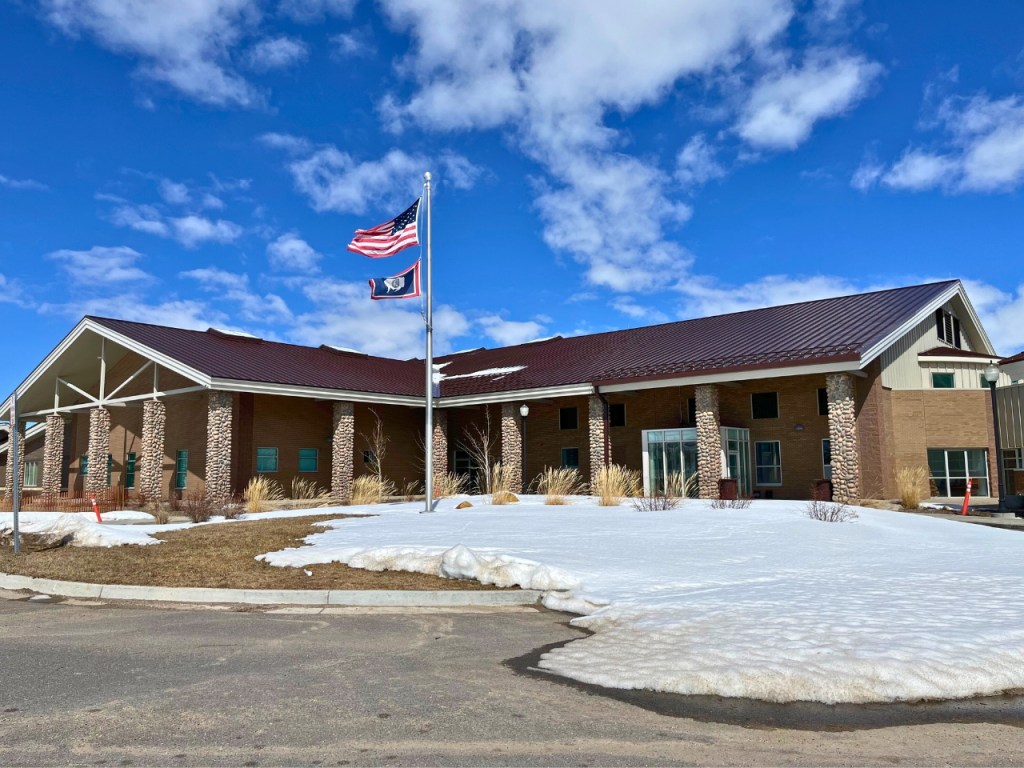
The subcommittee also formed amid lengthy lawmaker discussion, for example, about the agency’s waiver program that supports individuals living with intellectual or developmental disabilities, as well as certain adults with an acquired brain injury.
“Obviously, the folks that we’re taking care of in those [programs] have complex needs. They’re expensive services. They’re very necessary safety net services,” he said. And like a lot of other Health Department programs, Johansson said, the program is also intricate.
“There’s a lot of people involved,” Johansson said. “It’s not just, you know, health care providers and the members that we provide health care or health services for, but it’s local communities, it’s local governments, it’s county governments, it’s behavioral health providers, it’s law enforcement.”
Ultimately, lawmakers chose to increase funding for the waivers and other Health Department programs. A mix of about $10 million in state and federal dollars was earmarked to increase the program’s provider rates. Another $9 million in mixed state-federal funds was OK’d to decrease the program’s waitlist.
While some lawmakers were initially skeptical of the proposal, the Legislature also passed a bill — separate from the budget — approving more than $615 million in federal Rural Health Transformation program dollars.
What now?
“I think by and large, we feel pretty good and comfortable about what the Legislature ultimately did with the budget,” Johansson said.
Asked how much he attributed the Legislature’s decision to fully fund the department to a realization that there’s little Health Department fat to cut, Johansson said, “well, it’s a good question.”
“I think it’s less of a realization, more just how the process unfolds when you do dive into the details,” he said.
Looking ahead, Johansson said he feels “a duty and compelled to perform on the areas that the Legislature invested in.”
He pointed to several examples, including a new law that will allow the Health Department and Wyoming detention centers to contract with one another starting in July to address lengthy mental health holds in jails.
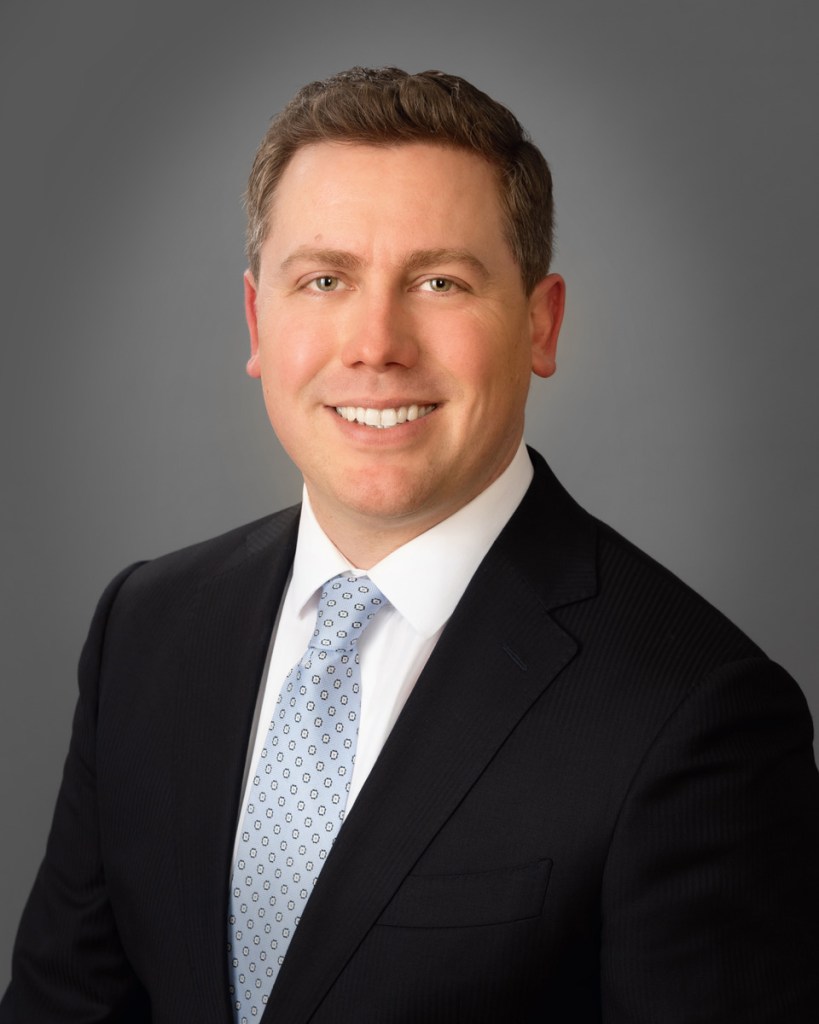
“These are programs and services that we really want to execute in a meaningful way to show the Legislature that those investments can really result in better performance, better effectiveness and better efficiency for the programs that we have with the clients that we serve,” Johansson said.
While health care advocates may be surprised and relieved to see the department fully funded, Jenn Lowe with Healthy Wyoming told WyoFile there’s a lot of room for improvement.
“I think that a real win would have been expanding Medicaid, to be honest,” Lowe said. “We are so far away from that that health care advocates are just grateful that the status quo is making incremental, small steps forward.”
Wyoming has not expanded Medicaid under the Affordable Care Act, so the federal-state health insurance program is reserved for certain low-income and medically needy individuals and families. As of August, 66,225 Wyoming residents were enrolled in the program. Sixty-one percent were children.
“Wyoming has unique challenges when it comes to providing health care that I would love to see the Legislature address in a meaningful way,” Lowe said, citing access to labor and delivery services, reliable emergency services and long-term care.
“Unfortunately, all of those things will cost money, and until the Legislature is really prepared to invest in long-term solutions, I’m not sure how Wyoming fares,” she said.
Legislative leadership will meet April 1 to discuss and ultimately approve topics for lawmaker committees to tackle in the off-season. The Joint Labor, Health and Social Services Committee is slated to study several health-related topics.
For more legislative coverage, click here.