
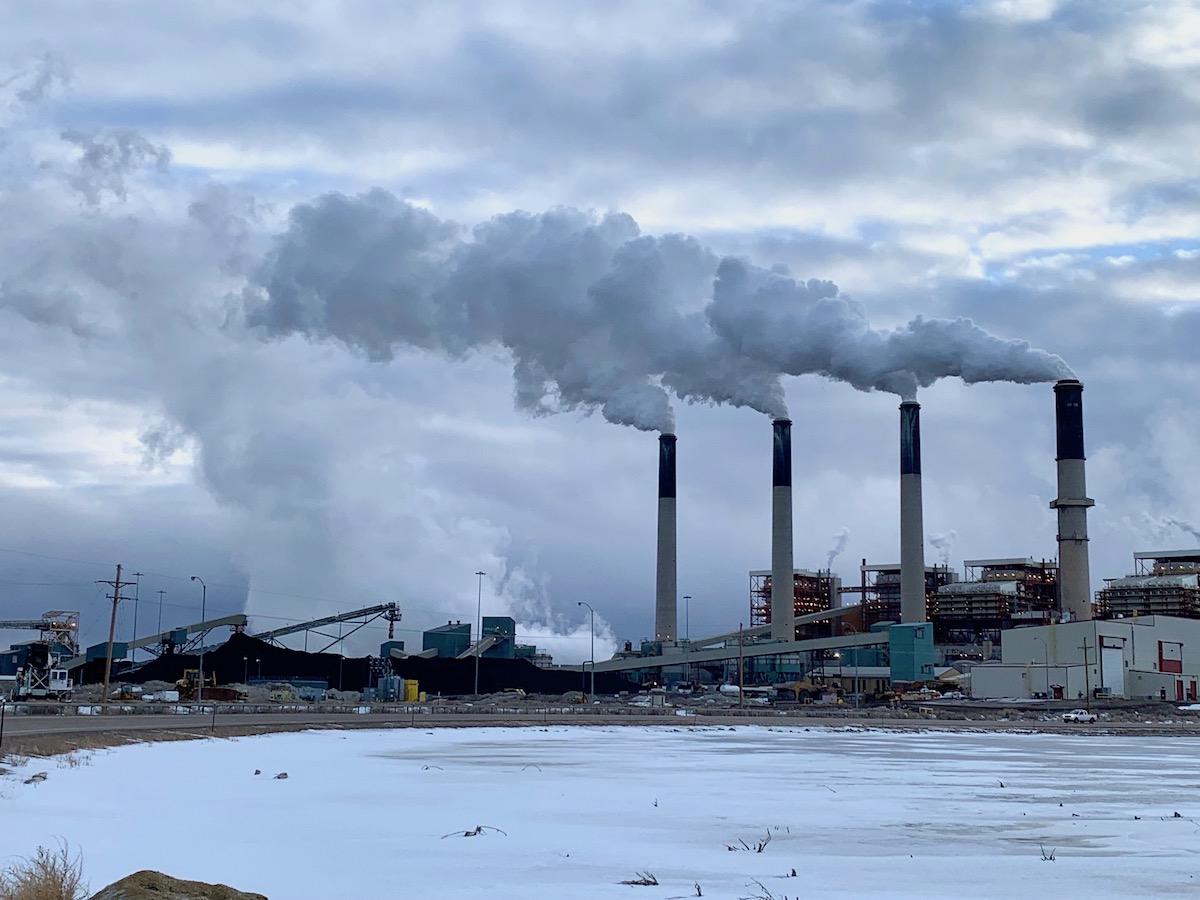

Wyoming’s self-imposed mandate to tap ratepayers for coal carbon capture studies at power plants may come to an end.
House Bill 56, “Carbon capture mandate-repeal,” cleared the House Minerals, Business and Economic Development Committee on Wednesday on a unanimous vote. Primary sponsor, Gillette Republican Rep. Christopher Knapp, revived the effort after a similar bill failed in the 2025 legislative session and after the Joint Minerals, Business and Economic Development Committee declined to take it up last summer.

The genesis of the 2020 mandate — described as “low-carbon energy standards” — was a wave of announcements to retire coal-burning power plants, Knapp said. It required utilities with coal units in the state to instead analyze whether it would make sense to retrofit them with carbon capture technologies. Gov. Mark Gordon championed the mandate as a way to make Wyoming coal more marketable in states that impose low-carbon standards.
But the landscape has changed under the second Trump administration, Knapp said, and utilities have begun to remove or push back coal plant retirement dates. Repealing Wyoming’s mandate would remove an economic “yoke” around Wyoming ratepayers’ necks, he said.
“I think it’s time that we reflect on what’s happening in today’s environment and repeal that low-carbon standard.”
The mandate resulted in a surcharge on customer bills that has cost Cheyenne Light, Fuel and Power and Rocky Mountain Power ratepayers a combined $5 million so far — just for studies, according to the Wyoming Public Service Commission. The utilities have said if they do actually retrofit a coal plant in Wyoming, it could cost $500 million to beyond $1 billion. Only Wyoming ratepayers — not the utilities’ out-of-state customers — pay the mandate surcharge, and it’s likely only Wyoming ratepayers would shoulder the cost to retrofit coal plants in the state, according to the commission.
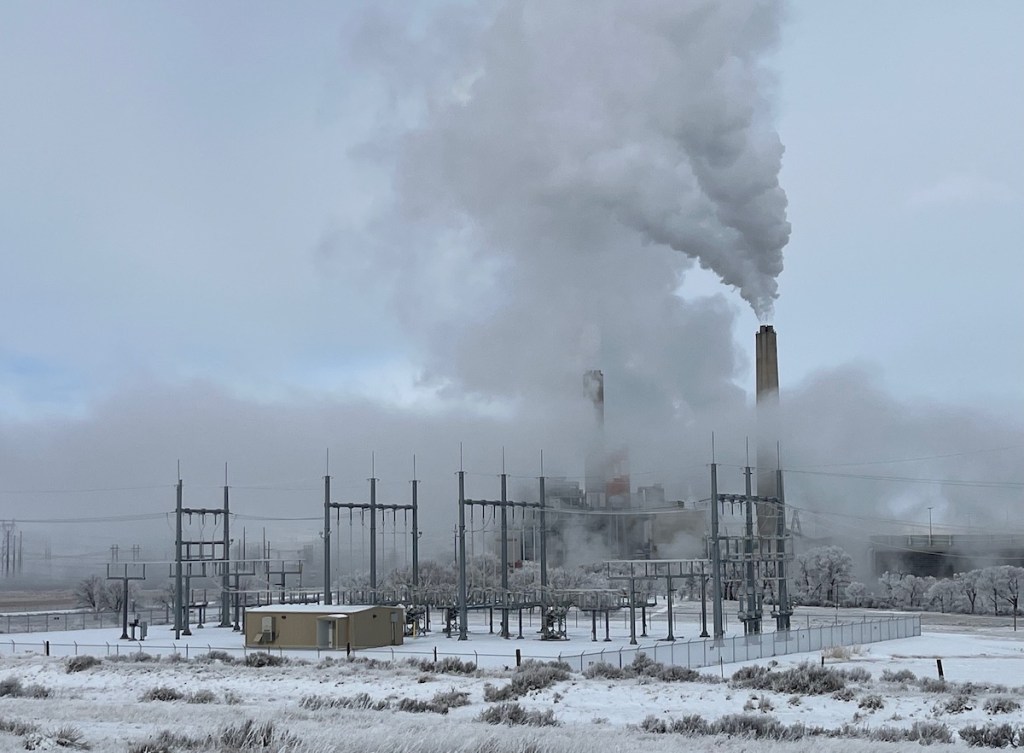
Maria Katherman, a Rocky Mountain Power customer who lives between Glenrock and Douglas, implored committee members to repeal the mandate.
“The rate increase is significant to us,” Katherman said. “I hope that you will repeal it and have the Wyoming ratepayers in mind when you do so.”
Though Cheyenne Light, Fuel and Power’s parent company Black Hills Energy initially opposed the 2020 mandate, being forced to study coal carbon capture has yielded some results for the company’s subsidiary, spokesman David Bush told the committee.
Black Hills Energy is partnered with Laramie-headquartered Carbon GeoCapture for a pilot project to inject captured smokestack carbon dioxide into Wyoming coal seams, he said. The utility would use the ratepayer-generated revenue it receives via the mandate, along with a pending $4.95 million Wyoming taxpayer-funded state grant for the project partners, to help fund it. If successful, it could be a “game changer” for powering data centers hoping to set up shop in Wyoming, Bush said.
Gordon’s Policy Director Randall Luthi advocated for maintaining the mandate, noting that retrofitting a coal power plant with carbon capture is cheaper than building a new coal plant, which he estimated could cost $6 billion. He also noted that the Wyoming Legislature bolstered the mandate by enticing oil companies to use smokestack carbon dioxide to squeeze more oil and natural gas out of Wyoming coal seams and oil fields.
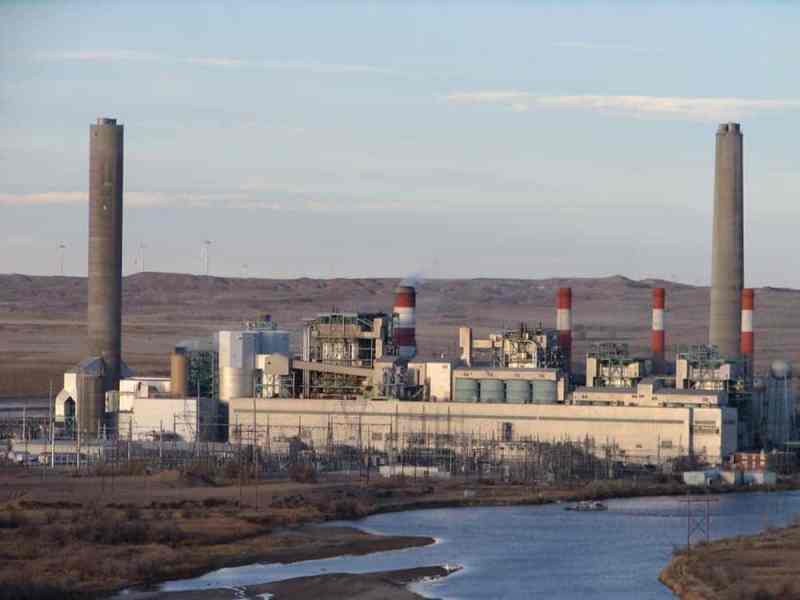
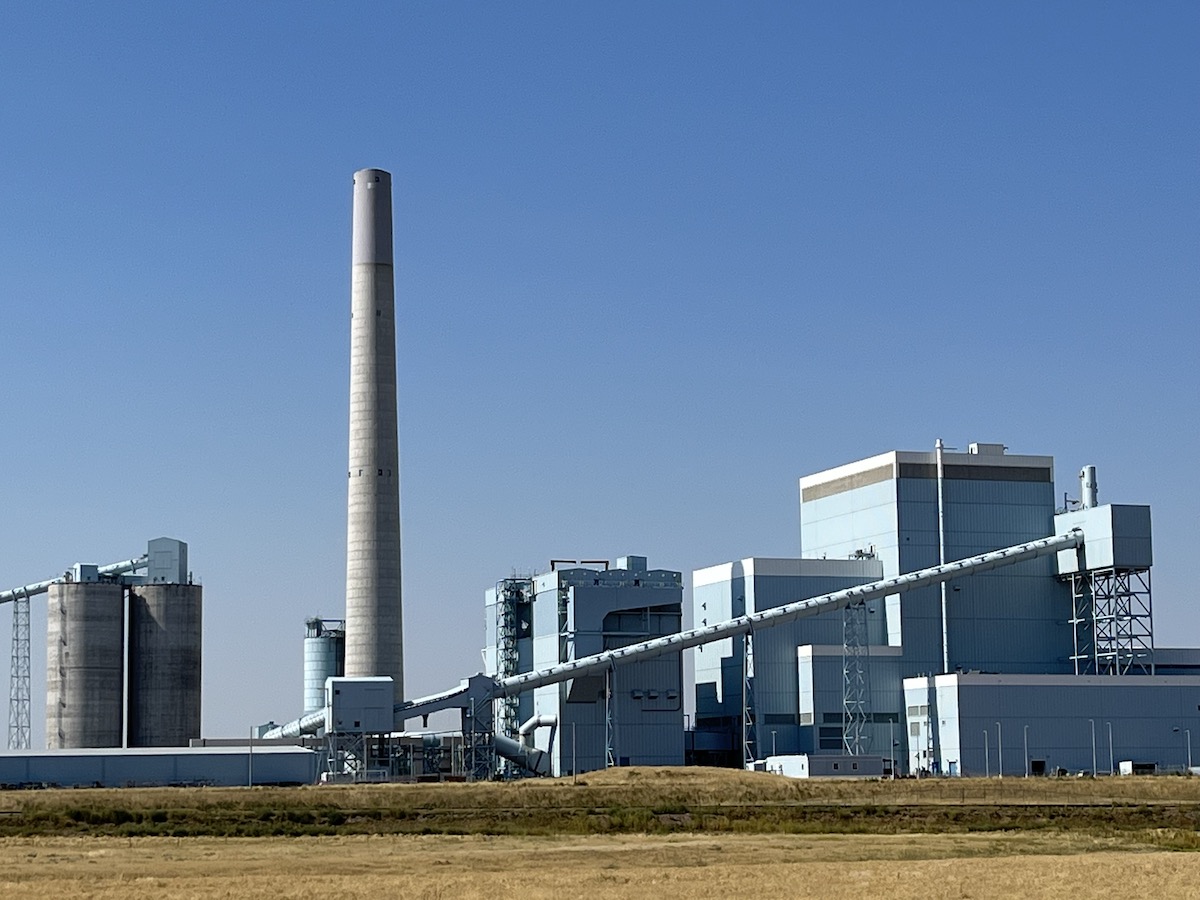
“So is [the mandate] still necessary?” Luthi said. “I would still argue that it is, even though the [Trump] administration is changing directions” on greenhouse gas emissions.
The committee amended the bill to grandfather surcharges for existing studies and other efforts approved by the Public Service Commission. Next, House Bill 56 goes to the full House.
For more legislative coverage, click here.

Ya canna change the laws of thermodynamics, kepten! Coal is an unsaturated hydrocarbon – nearly pure carbon, with only small amounts of hydrogen and sulfur. To recapture the CO2 you get from burning it takes nearly all the energy you produced! It isn’t worth burning it at all if you must recapture the carbon. Thus, you really have two choices: burn it and face the climate consequences or use a different fuel (such as natural gas, which is a saturated hydrocarbon and produces more energy from the hydrogen than it does from carbon).