

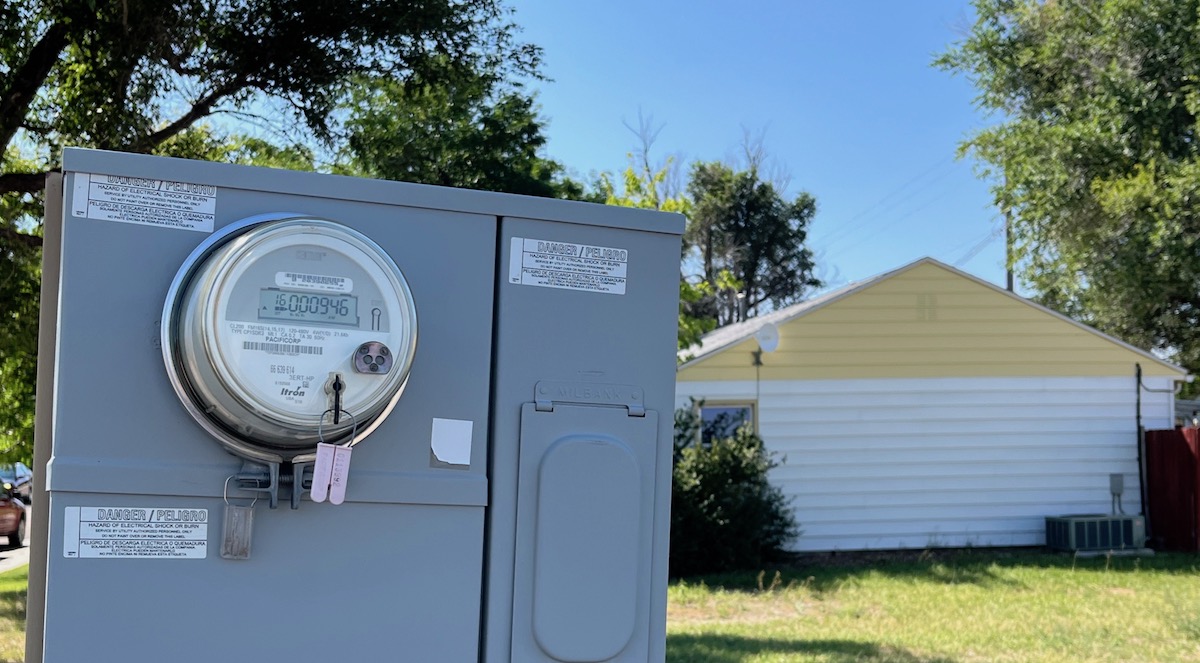
An increase to the monthly cost of electricity for 144,000 Wyoming customers is before a regulatory panel with the power to decide whether to approve, and potentially modify, a settlement agreement with Rocky Mountain Power. The proposal reduces the requested increase to continuing electric rates from $123.5 million — as originally proposed in August — to $85.5 million, resulting in an overall 10.2% increase.
If approved as proposed, the settlement agreement would increase the utility customer’s average monthly bill by about $14 beginning in June, according to the company. Rocky Mountain Power, the Wyoming Office of Consumer Advocate and the Wyoming Industrial Energy Consumers group negotiated the settlement.
Even with the increase, Rocky Mountain Power residential customers would still pay below the national average, the company said.

The utility’s customers also saw a 5.5% general rate increase in January 2024, as well as a pair of temporary upward fuel cost adjustments over the past two years.
The proposed settlement came to the Wyoming Public Service Commission just days before a scheduled hearing in the case, which began on Tuesday and wrapped up Wednesday afternoon. Commissioners will deliberate before issuing a decision, possibly before the end of the month, about whether to approve the proposed settlement or modify it.
The Wyoming Industrial Energy Consumers group represents the utility’s largest customers in the state — oil and natural gas producers and refiners, mines and manufacturers. That group “has carefully analyzed the issues in this case and has concluded that the rate increase contemplated in the settlement will result in rates that are just and reasonable,” WIEC counseling attorney Thor Nelson told the three-member commission panel on Tuesday.
“A rate increase is never desired,” Nelson continued. “It’s never something that anyone looks forward to. But rate increases are at times necessary to ensure that the utility has the resources it needs to continue to provide customers with reliable electric service.”
Representatives of the Office of Consumer Advocate similarly described the settlement as “just and reasonable.” The consumer advocates also noted that the utility has agreed to a series of workshops to discuss with stakeholders how to address evolving issues such as the rising cost of wildfire liability insurance and how to fairly distribute system expansion and upgrade costs among customers across different states.
“As with any settlement, there were compromises from all parties to reach it,” Office of Consumer Advocate Attorney Shelby Hamilton told the commission.
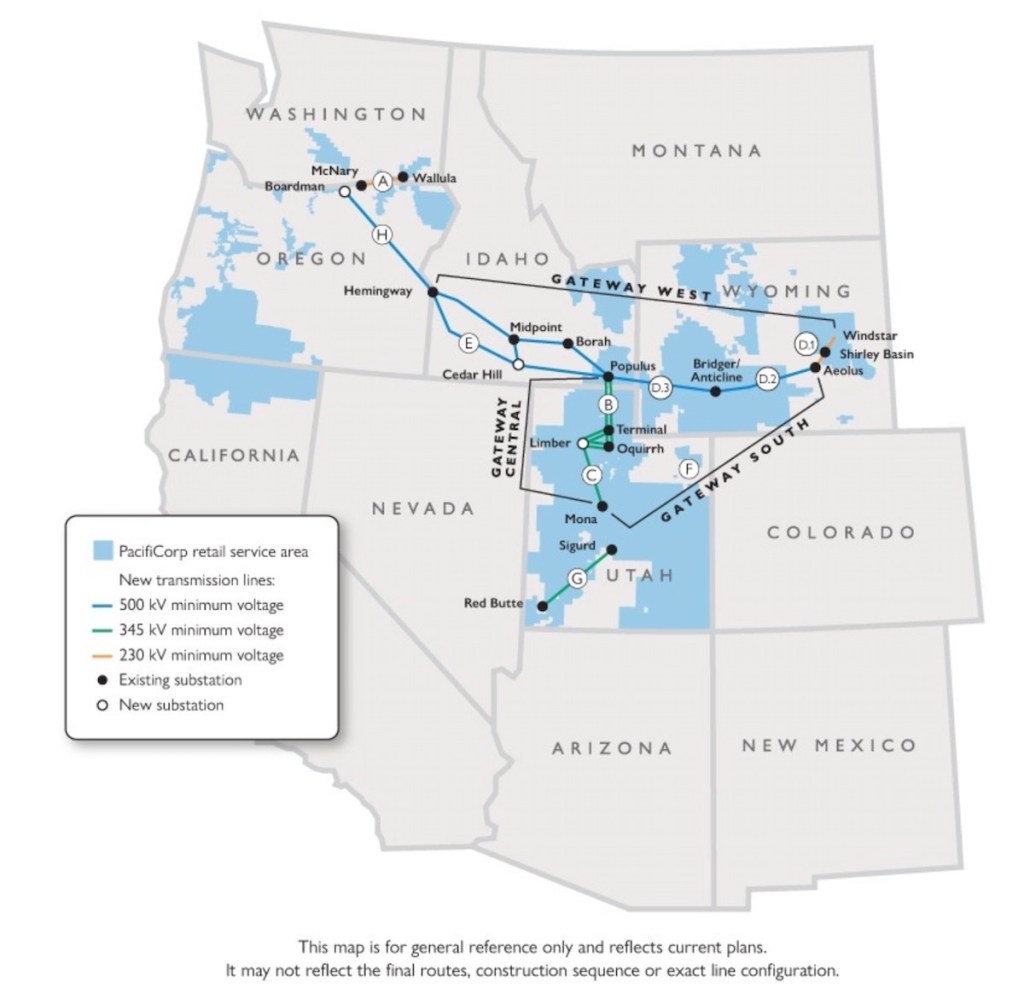
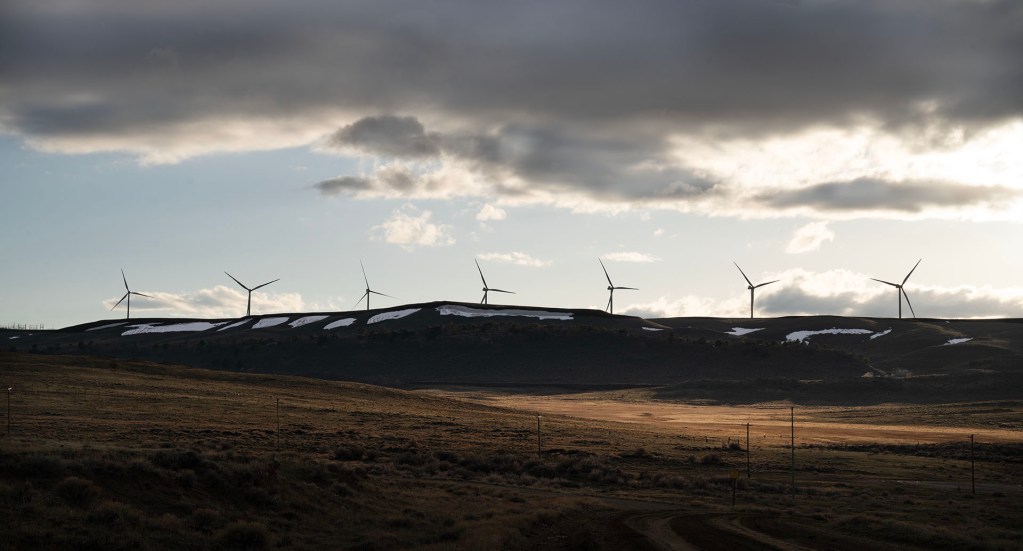
Justifying the increase, Rocky Mountain Power — a division of billionaire Warren Buffett’s PacifiCorp — pointed to new power generation sources, including the Rock Creek and Rock Creek II wind farms spanning areas of Albany and Carbon counties, as well as investments in PacifiCorp’s Gateway interstate transmission lines that will deliver Wyoming wind-generated electricity to customers in other states. The company also noted rising operational and maintenance costs and skyrocketing insurance costs related to wildfire liability — which account for a significant portion of the proposed $85.5 million increase.
Rocky Mountain Power’s wildfire liability insurance in Wyoming has risen 1,888% over the past five years, the company stated in August.
The utility agreed to trim and defer anticipated rising wildfire liability costs, culling about $10 million from the company’s original proposal. Other major reductions were in the areas of operations and maintenance costs and a slightly lower-than-proposed rate of return on investments.
WIEC and the Office of Consumer Advocate indicated they expect Rocky Mountain Power will propose another electric rate increase in the near future.
‘When is enough enough?’
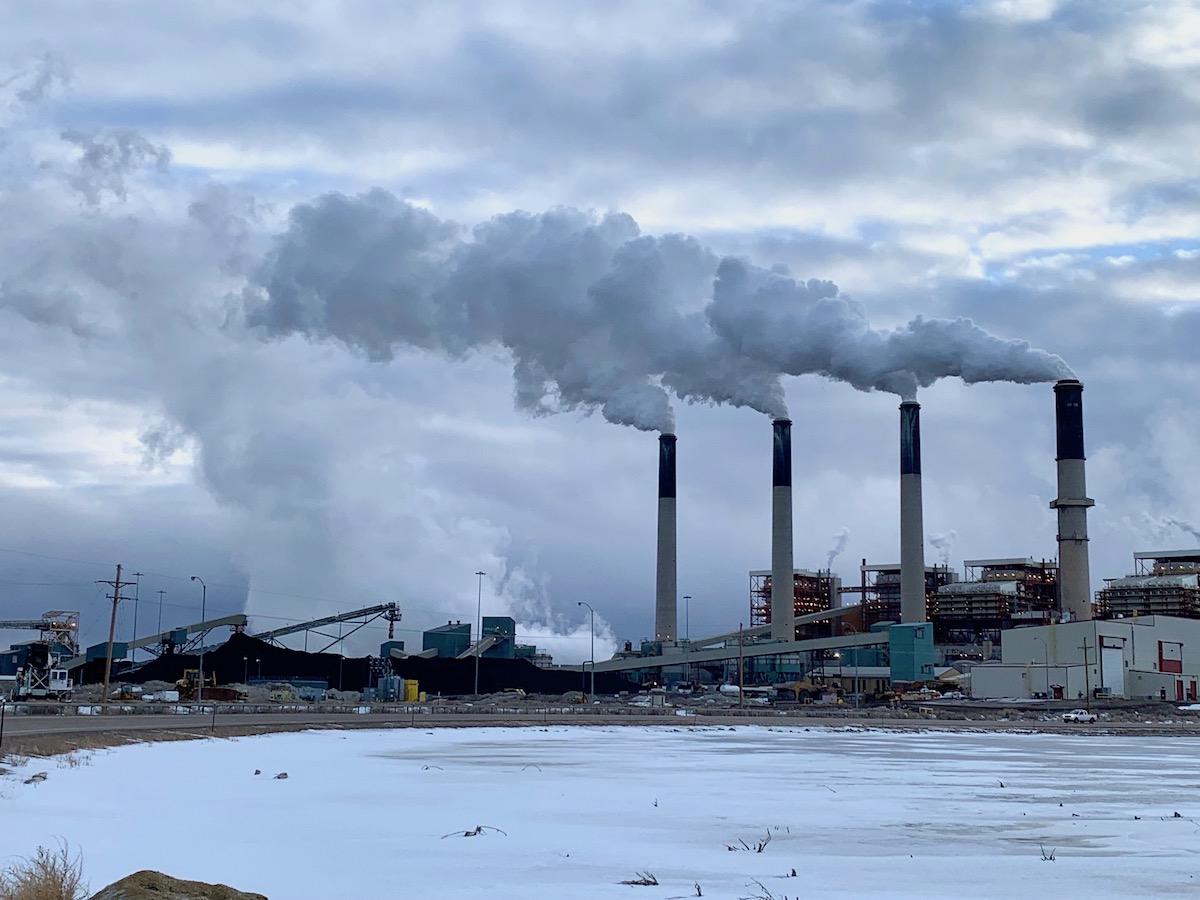
Despite agreeing to a lower rate hike, the increase doesn’t sit well with Wyoming customers and many state lawmakers. It’s the company’s second major rate hike in two years, compounded by two temporary rate hikes to account for higher-than-anticipated fuel costs, like natural gas and coal to generate electricity.
“This is starting to be overwhelming for our residents and our small businesses,” Casper Republican Rep. Tony Locke told commissioners on Wednesday.
Rising wildfire liability insurance costs should not be passed on to Wyoming ratepayers, Locke said, noting that the utility has not sparked any significant blazes in the state. PacifiCorp faces tens of billions of dollars in claims for its role in wildfires that raged in Oregon in 2020.

Locke also noted that the Legislature recently passed House Bill 192, “Public utilities-wildfire mitigation and liability limits,” to restrict what wildfire victims can claim damages for when an electric utility sparks a blaze. The measure, according to proponents, is intended to potentially stem the rising cost of wildfire liability insurance and recognizes the potential for class action claims to bankrupt a utility.
“The Legislature is working very hard to try to help out the utilities in this process with House Bill 192,” Locke said. “The absence of its consideration in this rate case, I think, is very notable.”
Midwest Republican Rep. Bill Allemand put it simply: “The people I represent have had a lot of problems with the inflation, and this is a big inflation. They come to me and say, ‘Bill, when is enough enough?'”
Public Service Commissioner Mary Throne posed the same question to Wyoming Office of Consumer Advocate Administrator Anthony Ornelas, asking what might be done about the impact of continually mounting electricity costs to residents and small businesses.

“Our office is certainly aware of the challenges and struggles that, again, our most vulnerable classes of customers are facing,” Ornelas responded. “Sometimes, I think we get caught up in terms of percentages, and it’s about a $15 a month increase, which doesn’t sound [like] a lot. But for some folks, that is critical.
“I’m not sure we as Wyoming,” Ornelas continued, “have really developed a strong bag of tools to address those folks that are really struggling.”
Wyoming AARP Director Sam Shumway shared a petition with the commission with more than 2,500 signatures opposing the rate increase.

“There are over 120,000 folks on Social Security in the state of Wyoming,” Shumway said. “Not all of them are relying exclusively on those Social Security benefits, but many of them are. And what some might perceive or consider to be a nominal rate increase has a dramatic impact on those folks.”
In his closing statement, Nelson of the Wyoming Industrial Energy Consumers group, said Wyoming law mandates allowing regulated utilities to recover costs and make investments necessary to provide service. Though his group doesn’t like to see rate increases, the settlement reached with Rocky Mountain Power represents a prudent increase based on actual costs, and still allows for addressing evolving issues across the utility’s six-state service region.
“Part of the rate increase that we see in this case is driven by investments that the commission has approved in this state to serve customers,” Nelson said. “So those things taken together mean some degree of rate increase is going to have to be necessary.”

Yet another rate hike by a company that sends most of its power to Seattle. Amazing.
I recall one of Trump’s campaign promises is that our power bill would go down by 50% within 12 months of him taking office he has 10 1/2 months to accomplish this promise. Also gas at the pump would go down by 50%. so I don’t know why there’s going to be an 10% increase in our power bill that seems to be going the wrong way according to the promises made by Trump.