

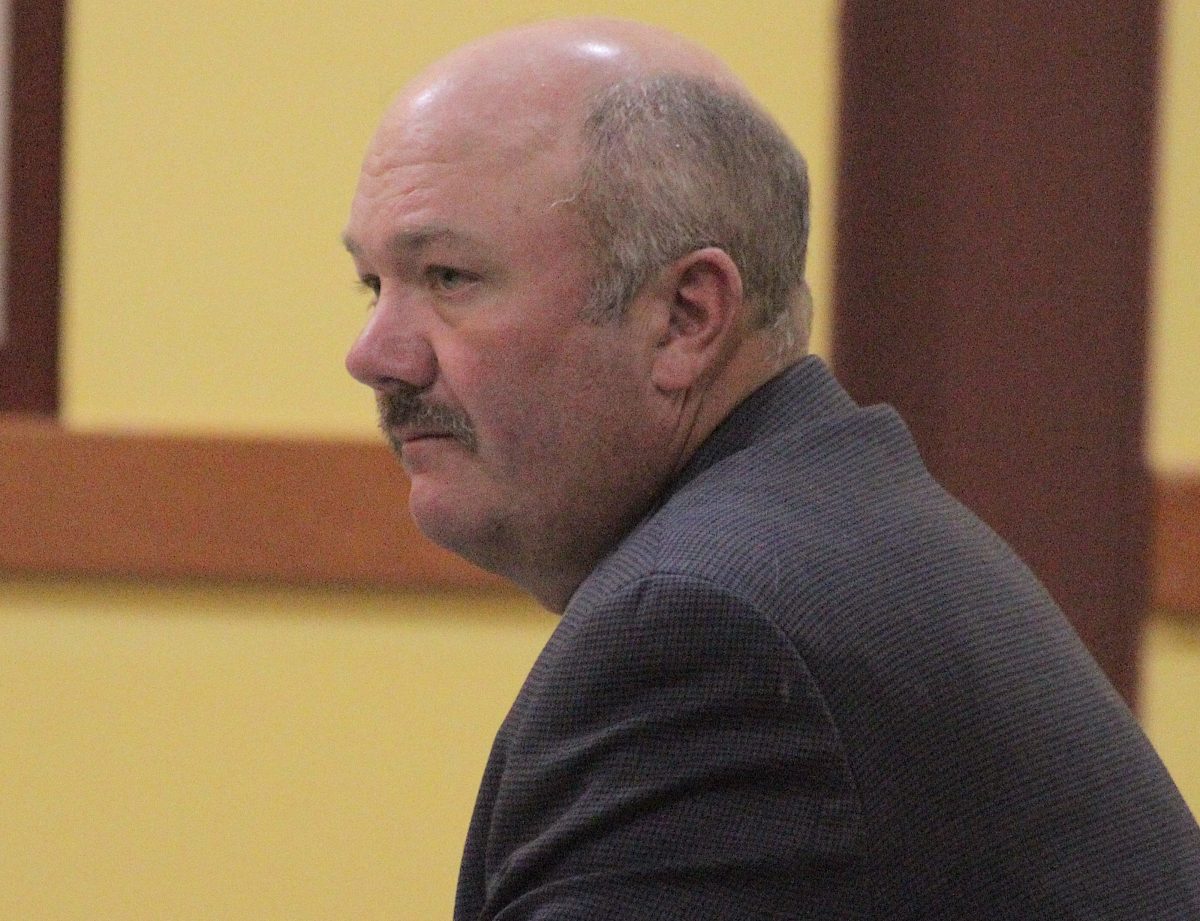

Wyoming’s former top wildlife official is now the nation’s top wildlife official.
It’s a post that puts Brian Nesvik in charge of achieving the U.S. Fish and Wildlife Service’s mission, which is to “conserve, protect, and enhance fish, wildlife, plants, and their habitats for the continuing benefit of the American people.”
Confirming Nesvik was a protracted process, not unusual for the Trump administration’s other political nominees in the opening half year of the administration. At around 1 p.m. Friday, however, a vote materialized and Congress’ upper chamber voted mostly along party lines 54-43 to confirm the nomination.
Two western state Democrats defected from the pack and voted to confirm Nesvik: Sen. Jacky Rosen of Nevada and Sen. Martin Heinrich of New Mexico.
All Republican senators who were present for the roll-call vote submitted an aye, which was not surprising. In many circles, and especially in Wyoming, Nesvik’s appointment was received favorably.
“There simply has never been a more qualified Director for the agency,” Gov. Mark Gordon said in a statement issued shortly after the Senate’s vote on Friday. “He brings decades of wildlife expertise, a collaborative approach to addressing complex issues, and exemplary leadership to the role.”
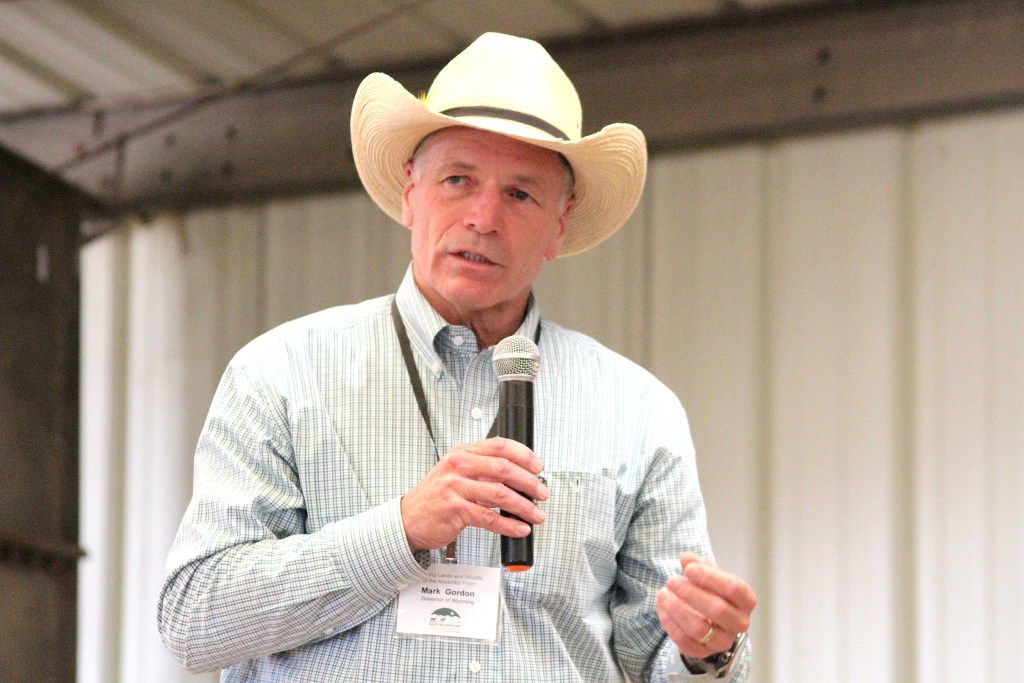
Gordon named Endangered Species Act reform and grizzly bear delisting as top issues he’s eager to take on with his former Game and Fish director at the helm of the federal agency.
Sen. Cynthia Lummis, Wyoming’s junior senator, also broadcast her praise, calling Nesvik a “breath of fresh air.”
“Brian brings a proven track record from Wyoming, where he effectively collaborated with federal, state and local partners to achieve important conservation goals,” Lummis said in a statement.
Praise for the U.S. Fish and Wildlife’s new director isn’t universal. Around the time of his first confirmation hearing, where Nesvik fielded little criticism, a coalition of 125 organizations signed onto a letter opposing his nomination. The oppositional parties included the Wyoming-based organizations Wyoming Untrapped and Wyoming Wildlife Advocates.
“In 2024, Nesvik faced major national blowback after his agency failed to take strong action against a man who ran over a young female wolf with his snowmobile,” the letter stated. “Mr. Nesvik’s lackadaisical response to the tormenting of the young Wyoming wolf speaks volumes about his lack of care for wildlife and is a foreshadowing of the attitude he will bring to the U.S. Fish and Wildlife Service.”
A development in that case came just this week: Sublette County law enforcement officials are convening a grand jury to consider a felony animal cruelty indictment of the wolf captor, Cody Roberts.
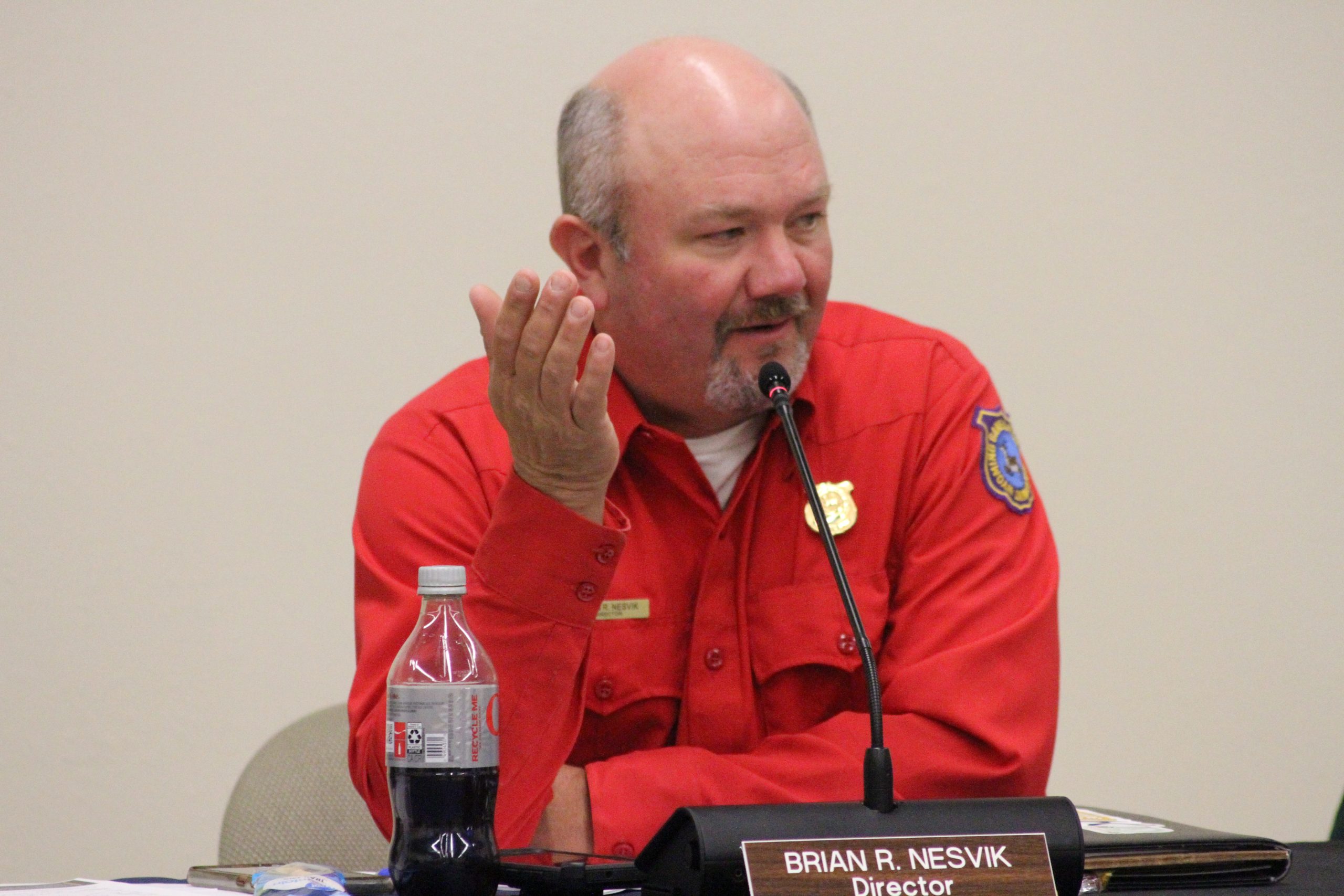
A longtime member of the Wyoming Army National Guard, Nesvik rose through the ranks at the Wyoming Game and Fish Department after being hired as a warden in 1995. After wardening stints in Casper, Elk Mountain and Pinedale, he took a post supervising the state agency’s Cody Region in 2010. He also spent many years working as Game and Fish’s lead mounted horse patrol instructor.
A promotion to chief warden brought Nesvik to Cheyenne in 2011, and in 2019, he was promoted by Gordon to direct Game and Fish. He retired last fall.
The U.S. Senate delayed its summer recess this week to make progress on reducing a long list of appointees — more than 100 positions — who lacked confirmation. The sluggishness of the approvals has been a source of frustration for the Republicans who hold the majority.

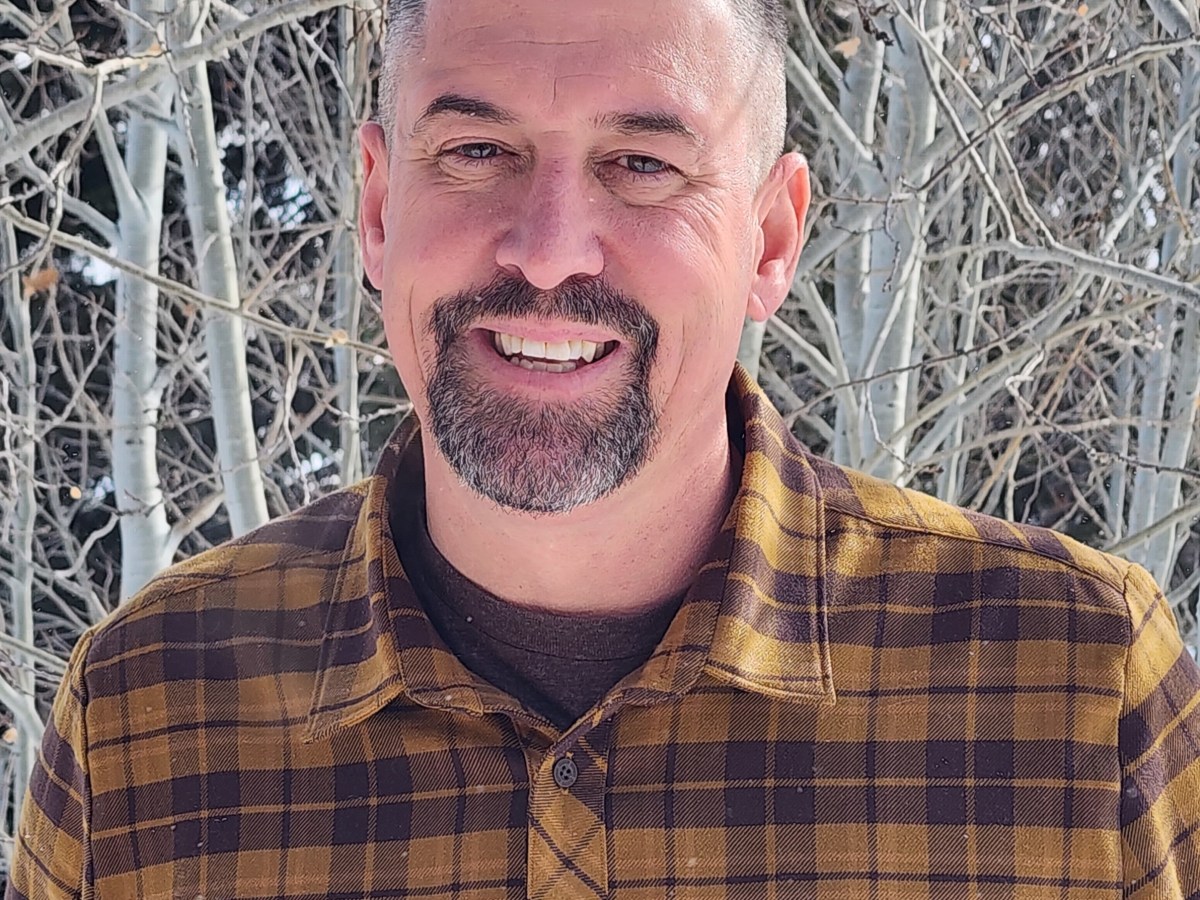
Nesvik is joined by another Wyomingite at the Trump administration’s Fish and Wildlife Service. Josh Coursey, a co-founder of the Muley Fanatic Foundation, was named senior advisor to the director in April. That position did not require a Senate confirmation.
The duo will have their work cut out for them in running a federal agency that struggled mightily with a lack of resources even before Trump’s friend-turned-foe, Elon Musk, slashed into the staff through his Department of Government Efficiency. A recent inventory from within the Fish and Wildlife Service found that out of 573 national wildlife refuges around the country, not a single property had adequate staff and funding to “fully achieve administration, management and mission goals and objectives.”
He faces a huge wind power issue that I have not seen reported. Every on-land wind “farm” requires a FWS permit to kill eagles, under the Eagle Protection Act. Permitting has been temporarily frozen under Trump’s day one executive order on wind power. Some people including the President would like to see wind development stopped permanently and FWS withholding these permits could do that. So FWS may hold the future of wind power development.
With the new Fish and Wildlife Service commissioner I sure hope he doesn’t delist the grizzly bears of the Endangered Species List. I voted for Trump but believe all our wildlife need to be protected. We lost bear 399 which was a shame. Let’s not loose more. Candy Thompson, Upstate, NY We love Wyoming because of the many wonderful wildlife you have. Stop killing them.
399 got hit by a car. Nesvik should have been there to stop the car??
Technically, you are correct when you say 399 was killed by a car. The real question should be “why she and her cub were right there in the first place ?”. Zoom out.
That highway is a kill zone for wildlife. The variables are too much traffic , travelling too fast , high density of wildlife incursions, general highway cautions such as weather and lighting ignored.
But the one variable that nobody want to talk about is the fact the Game & Fish personnel actions themselves when it came to dealing with carcass disposal from roadkill. Everything larger than a squirrel , all the way up to elk, moose, deer. This includes under Nesvik’s administrative tenure at the agency in recent years.
Here’s what exacerbated 399’s demise and continues to this day : Wyoming Game & Fish has done a LOUSY job of carcass disposal from roadkills. They generally just haul the carcass a little furthjer away from the highway and leave. The large ungulate corpses are rarely loaded up and hauled away to a carcass dump or other site not near the heavily travelled highway. Over time the apex predators/ scavengers such as Griz and Black bear , and the mesopredators such as coyote, fox etc. have learned to browse the highway for their next meal . Bears can smell fresh blood and decaying meat from miles away. They are attracted to carcasses, and who can blame them ? Bears be bears. 399 surely knew where the roadside diners could be found.
I would like the intrepid journalists to investigate the correlation between road kill carcass disposal and secondary effects from scavengers drawn to them subsequently. I believe you will see a negative feedback loop.
Nesvik’s road crews were not doing due diligence with carcass removal in the Snake River Canyon Hwy 89 corridor. Game & Fish need to do better.
I cannot fathom a woman voting for Trump.
Hopefully he’ll put the protection our wildlife and habitat as number one. I’m suspicious of anyone that Trump or our fake ‘reps’ calls a breath of fresh air.
I wish both Mr. Nesvik and Mr. Coursey well in their upcoming daunting tasks. I was neighboring game warden to Brian when he was in Pinedale, attended two horse training classes he spearheaded, and participated in another years-long project he coordinated for the Game and Fish Department. His leadership skills from his time with the department and the National Guard make me think his time with the USFWS should be positive. I have participated in a few Muley Fanatic projects and meetings when Josh was head of that organization and he has done good things for not just mule deer but many other wildlife species in Wyoming.
I wish the people who disparage Mr. Nesvik and the Wyoming Game and Fish Department would research and better understand how Wyoming’s laws work and what Game and Fish enforcement officers can and can’t do, particularly on the wolf issue. Lots of misinformation still being put out about that.
Right on, Duane!
I guess I’m not surprised Brian would go work for Trump. Never been much of a wildlife advocate for wildlife’s sake, unless they brought in license fees. Sometimes not even then (migration corridors). He will work well with (acquiesce to) ag and energy, and I suppose that landed him the gig.