

The nation’s 573 national wildlife refuges are at risk and not a single refuge has the resources it requires, according to a recent U.S. Fish and Wildlife Service inventory.
Put together, the National Wildlife Refuge System encompasses 96 million acres, an area larger than Montana, and includes everything from the Arctic National Wildlife Refuge’s 19 million acres in Alaska to the diminutive Bamforth National Wildlife Refuge — a springtime pitstop for migrating waterfowl — on Wyoming’s Laramie Plains. Created 122 years ago under President Theodore Roosevelt, the system now lacks the workforce and other resources necessary to fulfill its mission — “to administer a national network of lands and waters for the conservation, management and, where appropriate, restoration of the fish, wildlife and plant resources and their habitats within the United States for the benefit of present and future generations of Americans” — National Wildlife Refuge System Chief Cynthia Martinez shared on Wednesday.
“Capacity right now is at a tipping point that puts both the economic and the conservation vitality of the National Wildlife Refuge System at risk,” Martinez told members of a call hosted by the National Wildlife Refuge Association.
The inventory, Martinez explained, sorted all 573 refuges into four categories. The first group of refuges was those that have “full required resources” — units that have adequate staff and funding to “fully achieve administration, management and mission goals and objectives” and provide public uses.
“We acknowledge that we have no units or field stations that currently meet this standard,” Martinez said.
Meanwhile, 57% of national refuges fall into the second category, defined as having “limited resources” and operating with “a portion of the required staff and funding.” These units can only “partially achieve goals,” she said.
“This is where we begin to see limited visitor center hours and stations heavily supported by volunteers,” Martinez said.
The third category of wildlife refuges are those with “insufficient resources.” Some 35% of the agency’s properties fall in this camp, and they “lack sufficient staff and funding” needed to achieve their goals and receive “little or no maintenance or management.”
A fourth and final category of refuges, 8% of all sites, are those agency leadership considers “shuttered.” The classification means that the federal properties lack “staff and funding necessary to achieve any goals,” Martinez said.
“Shutter doesn’t mean that the refuge isn’t still providing some level of habitat for species,” she said, “but it is just not receiving the staff or the funding that’s necessary to achieve [its] goals.”
Martinez’s hour-long briefing with advocates, former staff and “friends groups” that support the U.S. Fish and Wildlife Service was carefully apolitical. She never named President Donald Trump or Elon Musk, the billionaire leading the Department of Government Efficiency, which has been gutting federal workforces and exacerbating conditions for refuges and other federal lands in Wyoming and around the country.
“We’re still at the beginning of a new administration,” Martinez said. “We’re going to be getting more direction on our priorities of this administration as our new director is voted in.”

The likely incoming director is Brian Nesvik, a former Wyoming Game and Fish Department director who’s cleared his first two hurdles in the U.S. Senate confirmation process.
“He has identified refuges as one of his top five priorities for the Fish and Wildlife Service,” Martinez said. “I’m expecting that we’ll see Brian sometime, hopefully in early, mid-May.”
If confirmed, Nesvik will be joined by Josh Coursey, a southwestern Wyoming big game hunting advocate who just announced an appointment to the Fish and Wildlife Service.
What about Wyoming’s refuges?
Although Martinez outlined the status of the National Wildlife Refuge System’s properties in broad strokes, the status of individual refuges remains undisclosed to the public. The list detailing which refuges fall into each category has not seen daylight, according to Desiree Sorenson-Groves, president of the National Wildlife Refuge Association.
“There is no way that’s getting leaked out until I’m sure Brian [Nesvik] has a chance to get in and see it,” she said.
WyoFile was unable to ascertain which categories Wyoming’s seven federally managed refuges have been assigned to. Agency employees reported that they were unauthorized to talk with the media about the topic.
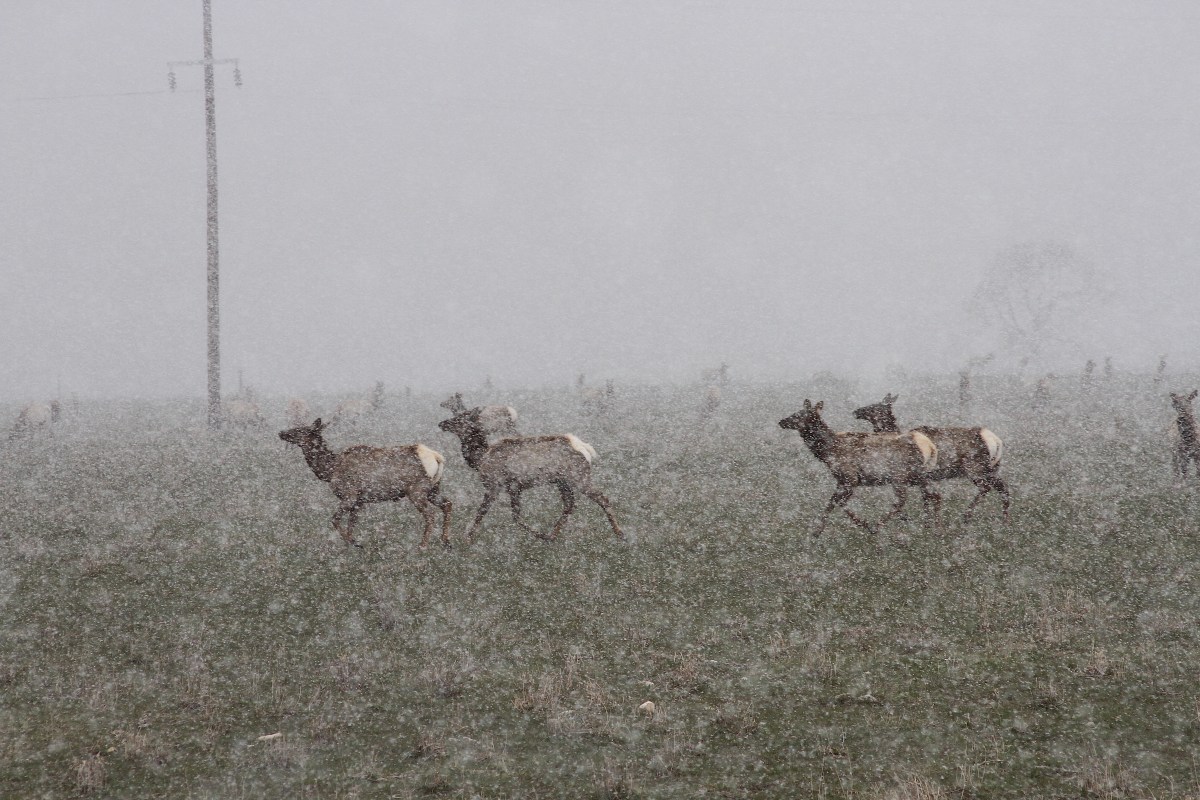
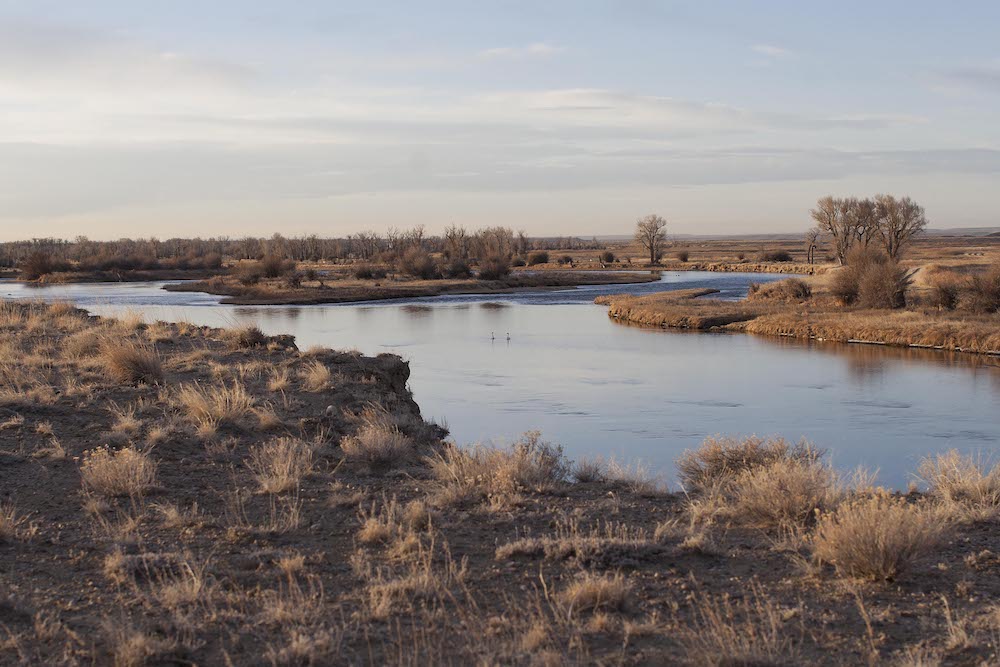
Wyoming’s refuges include: the 1,166-non-contiguous-acre Bamforth National Wildlife Refuge on the Laramie Plains; the 1,968-acre Cokeville Meadows National Wildlife Refuge along the Bear River; the 1,928-acre Hutton Lake National Wildlife Refuge on the Laramie Plains; the 1,968-acre Mortenson Lake National Wildlife Refuge on the Laramie Plains; the 24,700-acre National Elk Refuge in Jackson Hole; the 16,807-acre Pathfinder National Wildlife Refuge surrounding the reservoir; and the 26,210-acre Seedskadee National Wildlife Refuge that winds along the Green River. (Refuges located on the Laramie Plains are included in the Service’s new Wyoming Toad Conservation Area — a complex that provides habitat for the endangered amphibian.)

WyoFile was unable to file an interview request with the Fish and Wildlife Service’s Mountain-Prairie Region, which includes Wyoming and seven other states. Its regional communications team has been eliminated and contact information has been scrubbed from its website. Most if not all 12 members of the team accepted a recent buyout offer — the second round of the Deferred Resignation Program — in anticipation of an upcoming “reduction in force,” according to a federal employee familiar with the situation. WyoFile is granting the person anonymity for fear of retaliation.
Part of the reason the entire regional communications team took the buyout is because Interior Secretary Doug Burgum has signaled in a secretarial order that he’s consolidating communications teams throughout his department and dedicated Fish and Wildlife Service teams will cease to exist.
Other programs within the agency are also being eliminated, according to the source. Earlier this week, members of Fish and Wildlife’s “Science Applications” program showed up to work and were told to go home.
“They were told the program is being dissolved — I would guess it’s because of the climate work — but they don’t really tell us why,” the source told WyoFile.
In the wake of the second round of buyouts, the Fish and Wildlife Service as a whole is “pretty gutted,” according to the source.
“Moving ahead with even more cuts, I can’t imagine,” the employee said. “It’s going to be incredibly difficult to function.”

In Wyoming, cuts have affected many different Fish and Wildlife Service programs: There are plans to close the agency’s tribal office in Lander, a hollowing out of the staff of the Saratoga National Fish Hatchery and blows to black-footed ferret recovery programs. The lack of communications and publicly available information makes it difficult to know if any other programs have been impacted.
In shambles across the agency
During the National Wildlife Refuge Association call, one attendee asked Martinez about overall reductions in the workforce during the first three months of the Trump administration. Until the second round of buyouts are processed and contracts are signed, “we’re not going to know the true number,” she said.
But Sorenson-Groves, the association president, has come up with some ballpark numbers for the National Wildlife Refuge System portion of the agency. At the end of 2024, she said, there were roughly 2,350 employees. Although the system manages more acreage than the National Park Service, she pointed out, its workforce was only about a tenth of the size.
The cuts, she said, are expected to reduce the workforce down to 1,800-1,900 by the end of May — when people who are taking early retirements will leave.
“The refuge system will have lost at least 20% of their staff, and it could be more,” Sorenson-Groves told WyoFile. “Other agencies, they’re dealing with that too — like the Forest Service or the BLM or the Park Service, but the refuge system was in a different place already.”
Wildlife refuges, she said, haven’t been prioritized by Congress or presidential administrations of either party for the last 15 years. During that period, the system lost 30% of its staff, while public visitation throughout the system climbed by 50%.
“People have found refuges and discovered them, which I think is wonderful, but they don’t have the capacity,” Sorenson-Groves said.
It’s not just the rank-and-file biologists and workers being hemorrhaged.
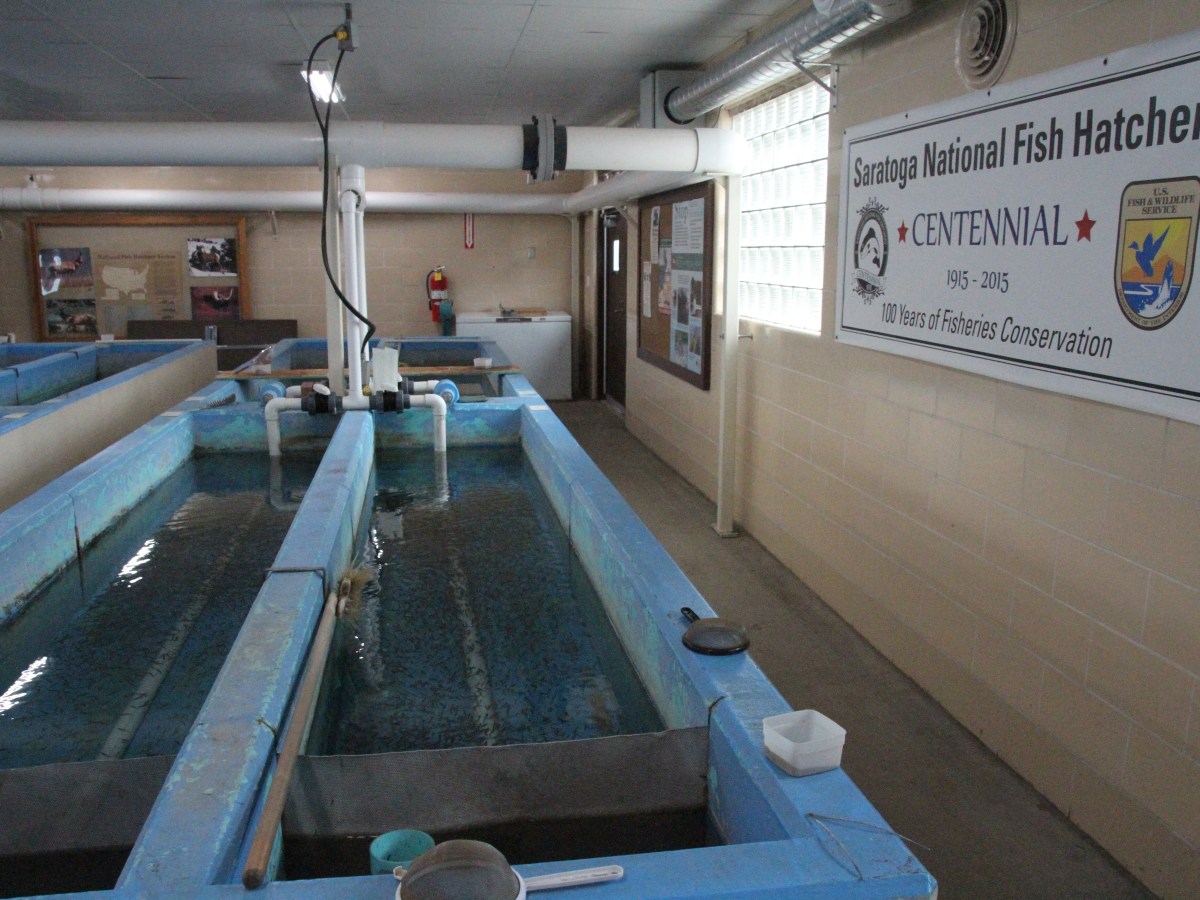
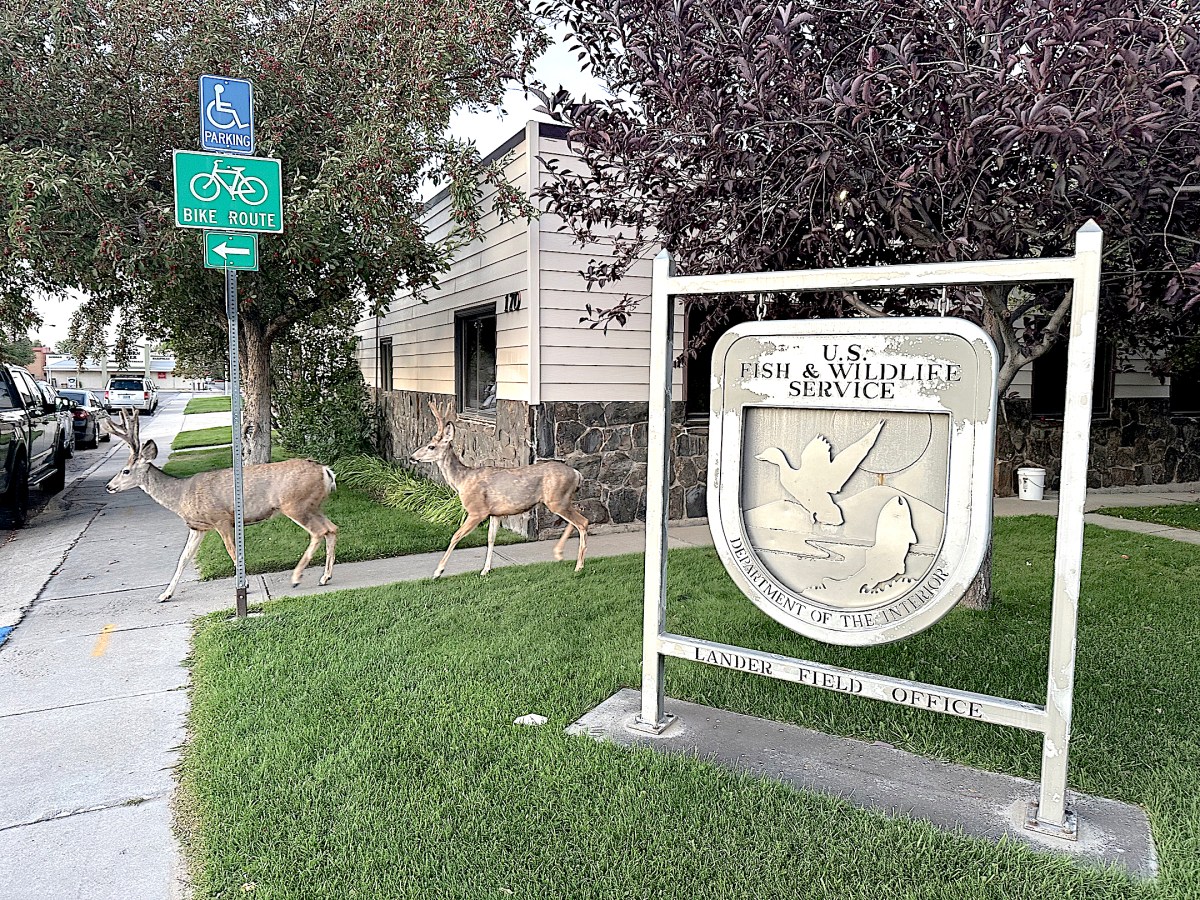
A third of Fish and Wildlife’s regional directors have quit, according to the federal employee who WyoFile is granting anonymity. In the Southwest Region, only two of eight members of the leadership team are still on the job, the source said, and the communications leadership and headquarters office are “pretty much wiped out.”
The loss of leadership is an especially painful blow, Sorenson-Groves said.
“Those are people who have the institutional knowledge and, frankly, the political acumen to work through really complicated issues, whether it’s water or mineral extraction or habitat in highly urbanized areas,” she said. “These are complicated issues. And they’re all leaving.”


I grew up in Colorado and have been an advocate for wildlife management and protection for wildlife my entire life. My father was a wildlife conservation officer and if he were alive today he would be absolutely sick over what is happening in the government under this administration. I am very fond of Wyoming as it is our neighbor and we share many of the same geographic challenges. This is sickening. We are losing expertise and so much knowledge that simply cannot be replaced. I hope legislators in Wyoming will fight these drastic measures that will greatly impact people’s lives and our ecosystem.
Making America great again with one disastrous decision after another. So so sad.
I have enjoyed Hutton National Wildlife Refuge sine 1968. Last couple of years it has been afforded little care. Some fences down, very little water. These new cuts will likely spell the end of it as a refuge for waterfowl.
Mike-
Thank you for your reporting of details. They help me/us to
better understand the issues involved. I’m sorry for some of the consequences for Wyoming’s significant areas for our wild neighbors and, ultimately ourselves. Hope a clearer picture from this article and ongoing investigation will spur all stakeholders (thought not sure they all have voices we understand) to find
solutions that promote healthy landscapes/ecosystems.
Another excellent article, Mike, from the vastly huge picture down to links for each Wyoming refuge. My mother (and her husband) spent many summers volunteering from the Everglades to Bosque del Apache. These refuges are integral to protecting and connecting wildlife, water fowl, migrations and stopover.
The damage caused by this gross mismanagement and unnecessary cuts will not be felt for a few years, but once realized our next generations will need decades to repair. The end cost will be much higher than today’s simple maintenance.
For the backrow, the pimple faced brats at doge have reduced their cost savings braggadocio from $2T, down to $1T, then to $500B, trickling in at $150B now (and still dropping)… but Federal spending has actually gone up. No Federal dollars were saved. They just shifted the money from WY into their pockets. They didn’t actually cut anything beyond our children’s future, but they did steal critical WY funding. The alt-right held open the bank vault door while the snot nosed robbers loaded up the cybertruck and wobbled away.
This should come as no surprise to anyone. It’s been made perfectly clear from the beginning that this administration could care less about being a good steward of the land nor providing a service to the people. If it doesn’t provide $$$ to the wealthy, or corporations; if it doesn’t follow Trumps agenda (which is Project 2025) then it’s outa here. For those of you who continue to support all of this administrations EO’s, and the workings of DOGE, sooner or later one of your sacred cows will be affected. Maybe then you will be able to understand what the rest of us have been trying to tell you since January 20, 2025.
Since the person rolled down that escalator in 2015, we’ve been trying to warn about the things to come. We are here.
Animals dont know funds been cut. They could care less. They will flourish.
I was a NWRS refuge manager, and retired during trump’s first term. I’m sure Cynthia is doing her very best to hold things together in this extremely difficult situation. As Jim Kurth used to tell us, “Hard is authorized.” Jim was a casualty of the first trump term and went out swinging for the System and its people.
I’m sad to learn that so many Regional Office leaders have bailed out. The folks at the field stations relied on the leadership to provide courage and hope. It is my hope that the remaining people on the ground will do what they can to continue to protect the refuges for their ultimate beneficiaries, the wildlife.
This is heartbreaking. Why take away all the wildlife workers? There is no reason except to perhaps grab the land eventually to sell off to extraction industries or sell to billionaires. There has been no money saved and the damage will take a long time to mend in regards to re-hiring. As for the refuses? When it is all gone it is gone forever. They sow the wind and reap.the whirlwind in this current administration. Thanks and gratitude to all of our federal workers past future and present.
When Wyoming is upset about an environmental situation; it must be bad.
At least that is a California perspective.
Thank you for covering the plight of National Wildlife Refuges. Could you please also give credit to Coalition of Refuge Friends and Advocates who, among many other activities, put together this webinar as well as at least one webinar each month targeted to those actively involved with friends groups supporting National Wildlife Refuges and Hatcheries. Thank you!
This administration is beyond evil….
A point I have been trying to make since Trump was inaugurated is that the weakening of the public lands agencies is a strategy of privatization. If you weaken and destroy the agencies, and fire all the people who work there, then the lands are just there for the picking. And it won’t be the people who live around public lands and depend upon them who’ll be picking and owning–it’ll be the very wealthy and powerful. We are now very close to a neo Feudalism, where the rich own everything and the rest of us are peasants.
What Robert said. The goal is to reduce Federal holdings in the West, transferring key areas to private landowners, but not WY residents. In the not distant future, a WY hunter or angler is going to roll up to a newly locked fence and stare bewildered at their lost access. They will finally realize her emails weren’t all that bad.