

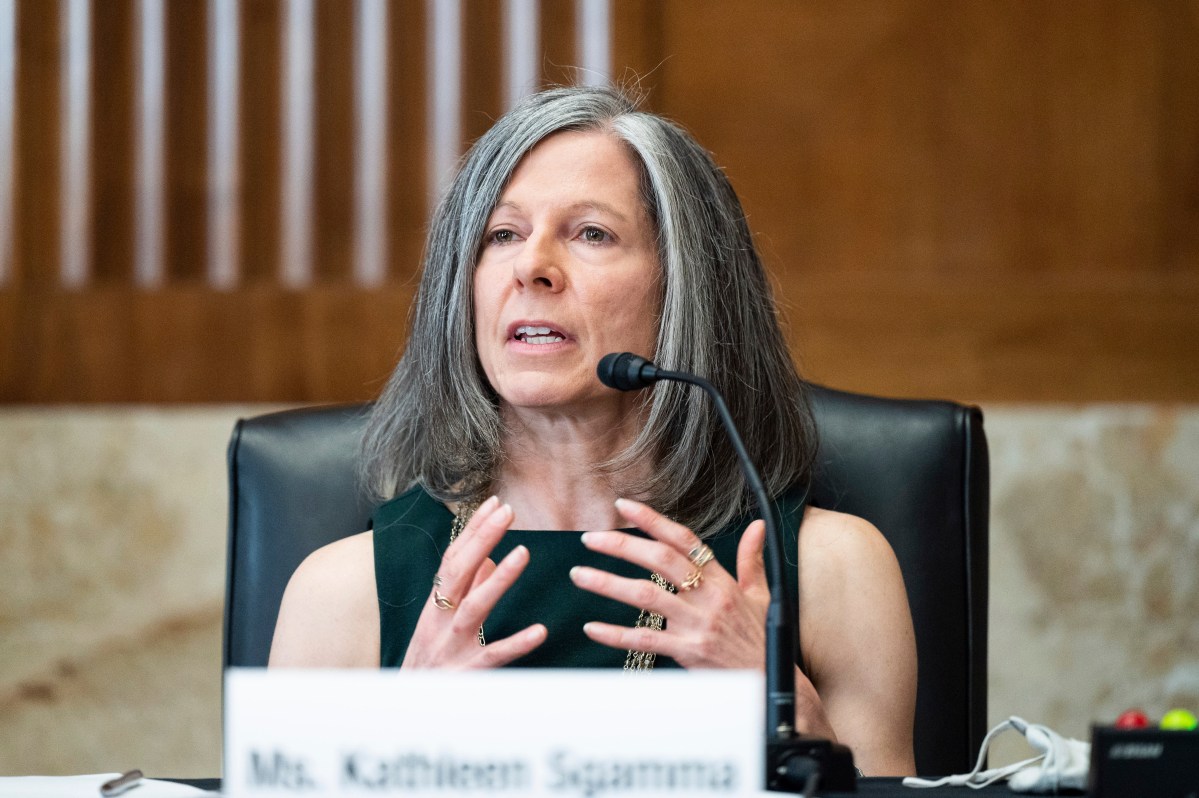
Longtime oil and gas industry advocate and vocal critic of federal oversight Kathleen Sgamma is President Donald Trump’s pick to lead the U.S. Bureau of Land Management, an agency that oversees some 18.4 million surface acres and 42.9 million acres of mineral estate in Wyoming.
With management authorities that affect agriculture, wildlife habitat, recreation, oil and gas development, commercial-scale renewable energy and the world’s largest coal producing region in the Powder River Basin, the federal agency plays a pivotal role in Wyoming’s economy.
Sgamma is president of the Denver, Colorado-based Western Energy Alliance, a powerful oil and gas trade group that advocates for the industry’s access to public lands — like those managed by the agency she’s now slated to run. The group is often at odds with federal agencies, particularly the BLM, over federal rules and regulations. Sgamma and the Western Energy Alliance are well known throughout the West, and her nomination has garnered cheers from fossil fuel industry leaders and jeers from many in conservation.

Gov. Mark Gordon described Trump’s nomination of Sgamma as “an excellent choice…to lead the Bureau of Land Management.
“As someone who has worked with Ms. Sgamma,” Gordon continued in a prepared statement, “I know she is well-qualified and knowledgeable when it comes to Wyoming, the West, and multiple use of public lands.”
Public lands advocacy group Center for Western Priorities, however, regards the nomination as “inappropriate” and “a direct threat to Western communities and wildlife that depend on healthy landscapes, clean air, and clean water.”
Sgamma “has consistently misrepresented the industry’s impact on public lands, always putting oil and gas companies’ interests above those of all Americans,” Center for Western Priorities Policy Director Rachael Hamby said in a prepared statement. “This appointment will hand the keys to our public lands over to oil and gas companies.”
The group recently published a report, “Don’t Drill Here,” detailing what it sees as a persistent push by the oil and gas industry to expand development into areas of public lands with “high recreational, ecological and cultural” values that are not conducive to drilling.
“Kathleen, she is very smart and she knows the BLM inside and out — how it works, how it doesn’t work, and what needs to be done to make sure that public lands and energy development can continue.”
Pete Obermueller, Petroleum Association of Wyoming
“Reducing conflicts while still allowing oil and gas companies the opportunity to drill in appropriate areas should be the goal of the Bureau of Land Management, not enriching oil and gas CEOs at the expense of rural communities and national parks,” Center for Western Priorities Communications Manager Kate Groetzinger said in a prepared statement this week.
BLM in Wyoming
With a vast footprint in Wyoming, BLM lands support a multitude of uses that, combined, generate billions of dollars and more than 70,000 jobs in the state, according to the agency. But its ever-evolving rules and regulations — rooted in the multiple-use doctrine of the Federal Land Policy and Management Act — often confound public land stakeholders.
The state of Wyoming, for example, is involved in multiple lawsuits regarding BLM policies — some supporting the agency’s positions, such as the 5,000-well Converse County Oil and Gas Project, and many more against: the BLM’s ‘conservation rule,’ the agency’s rule to end federal coal leasing in the Powder River Basin and the sage grouse management amendments.
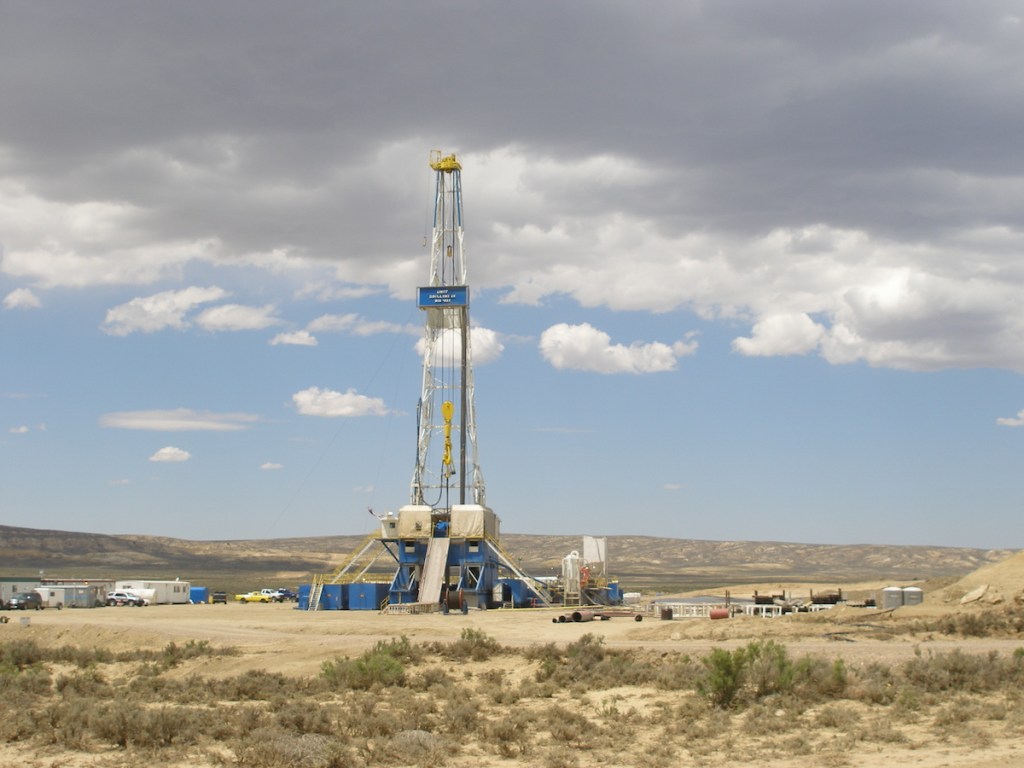
Gordon is reviewing the BLM’s controversial Rock Springs Resource Management Plan revisions prescribing the future management of 3.6 million acres of southwest Wyoming, and is considering suing the agency over it. Earlier this month, new Interior Secretary Doug Burgum directed Wyoming’s BLM office to review the plan and recommend changes by Feb. 18.
Western Energy Alliance is one of the BLM’s most frequent challengers in court and has long sought to overturn several of the agency’s rules implemented under the Biden administration.
“Honored to be nominated by @realDonaldTrump to serve as Director of BLM to help unleash American energy,” Sgamma posted on the X social media platform on Wednesday. “I’ve worked on public lands issues for 20 years at @WesternEnergy1 & greatly respect the work BLM does balancing multiple uses [with] stewardship.”
Reached by WyoFile, Sgamma said, via email, she could not talk about her nomination.

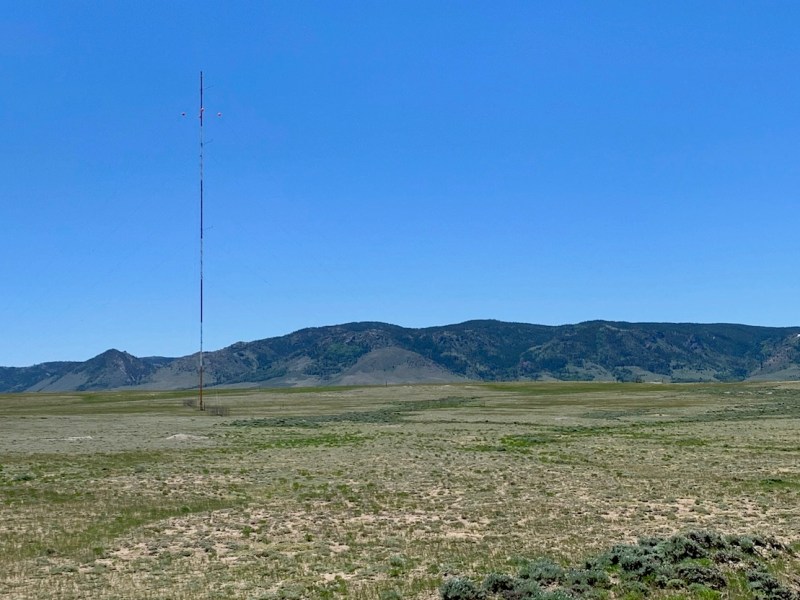
Oil and gas advocates in Wyoming are optimistic about a new direction at the BLM, if Sgamma’s nomination is confirmed.
“Kathleen, she is very smart and she knows the BLM inside and out — how it works, how it doesn’t work, and what needs to be done to make sure that public lands and energy development can continue,” Petroleum Association of Wyoming President Pete Obermueller told WyoFile.
Many conservation groups, however, doubt Sgamma’s commitment to managing BLM lands for all stakeholders, if she is confirmed by the Senate.
“Given the Trump Administration’s executive and secretarial orders on energy, we are concerned with the new direction of the Department of Interior, which will prioritize oil and gas drilling above all other uses on our public lands,” Wyoming Outdoor Council Program Director Alec Underwood told WyoFile via email. “We are disappointed, but not surprised, that President Trump would choose an extractive industry representative to oversee nearly 250 million acres of public lands across the nation, including over 18 million acres here in Wyoming.”

Loggers and Miners may not have to worry about their lives now.
Quite an improvement over Tracy the tree-spiker.
Fox in the henhouse.
Vitriol much?
About what would be expected from Viktor Orban, er, Trump.