

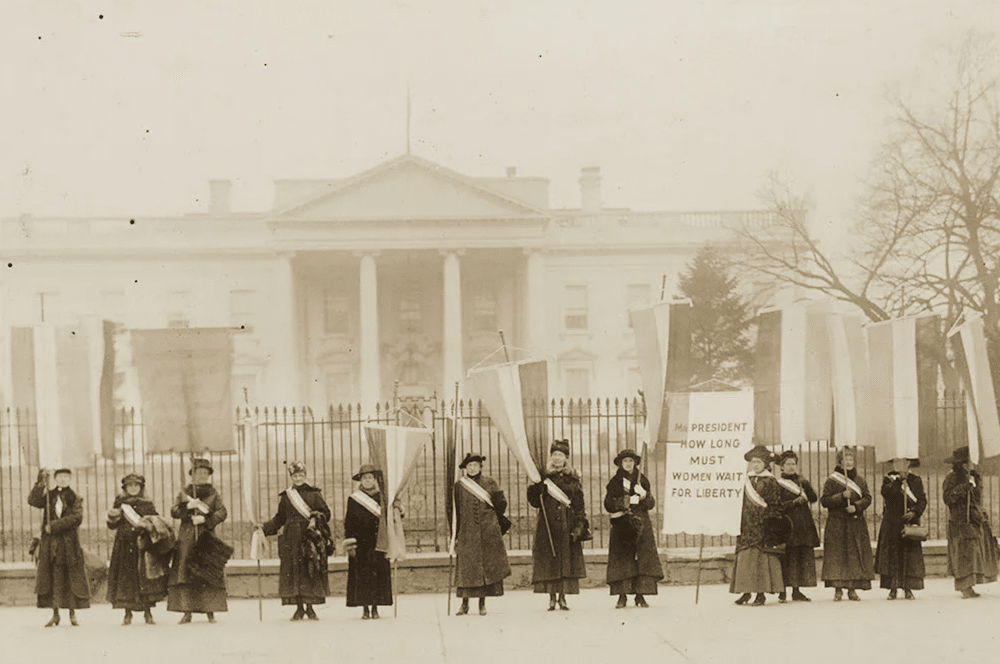
Home cooking and the suffrage movement may not have obvious ties, but the two were deeply entwined, said M. Margaret McKeown, a Casper native, UW alumna and judge for the 9th Circuit of the U.S. Court of Appeals.
“The suffragists actually used cookbooks to promote their cause,” she said. “And they did it in kind of a double entendre mode in that they wanted to show that they could be in the home and with the family, and at the same time they could be out rallying for the 19th Amendment and the right to vote.”
That’s partially why McKeown, who serves as the chair of the American Bar Association Commission on the 19th Amendment, decided a cookbook would make a fitting commemoration in 2020 for the 100th anniversary of the amendment’s ratification.
The commission held one-off events, notably a talk with McKeown and Supreme Court Justice Ruth Bader Ginsburg in February — likely one of Ginsburg’s last public events before her death. But, McKeown said, she also wanted to do something long-lasting.
“I wanted to do something that would extend the memory of the 19th Amendment,” she said. “Then COVID hit and it became all the more obvious that people would be home and cooking.”
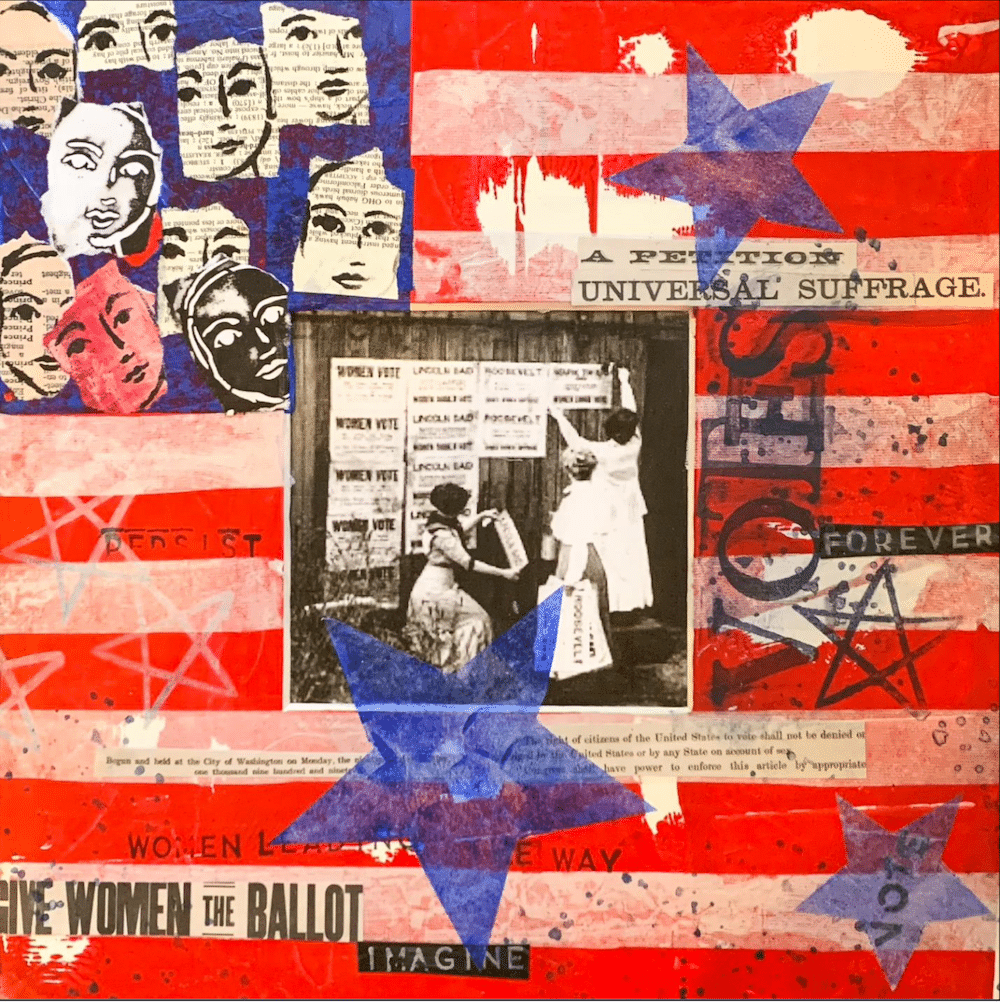
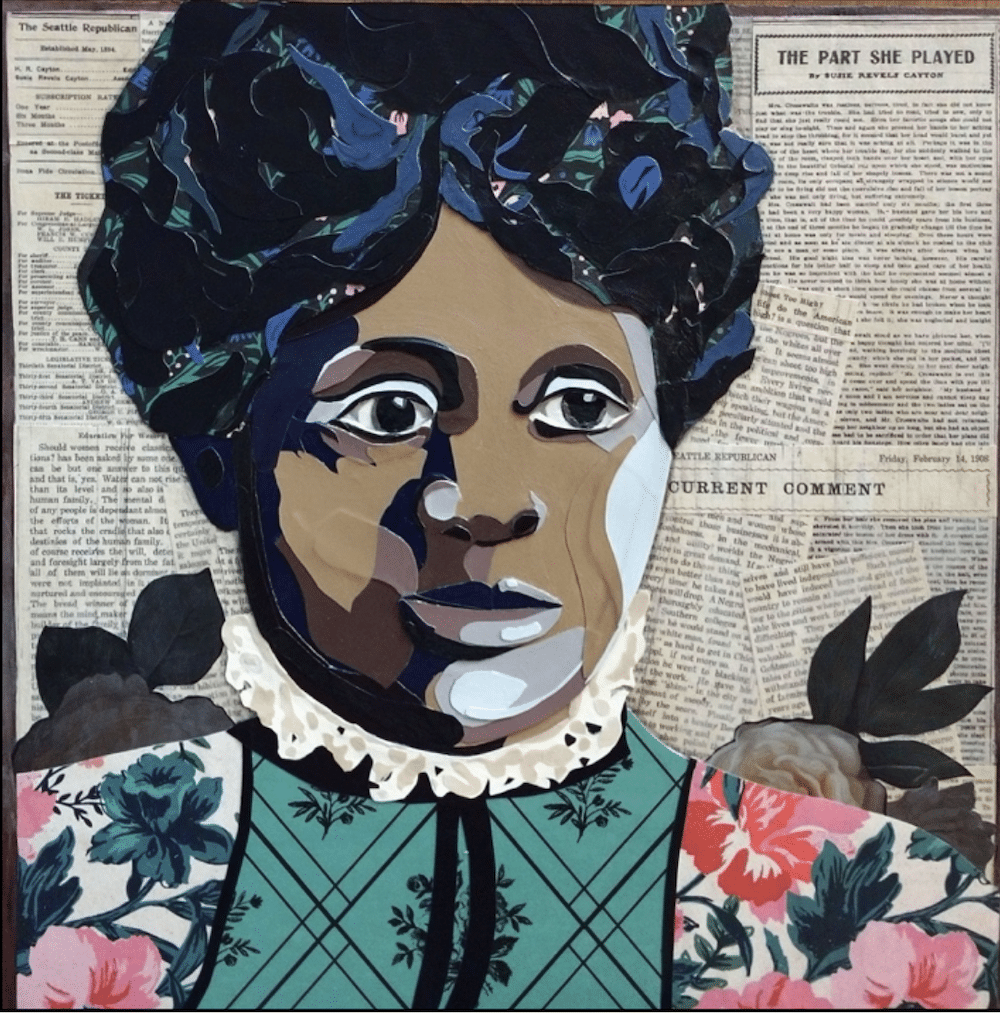
The resulting recipe compendium, “The Nineteenth Amendment Centennial Cookbook,” features 100 recipes from legal luminaries including Supreme Court justices and international jurists, combined with artwork, historic photographs, quotes and bits of history that track the suffragist movement. The cookbook is available online as a free download.
Its pages are filled with all manner of recipes, from comfort-food standards like lasagnes and stews to old family recipes with ties to the suffrage movement to avante-garde dishes. There are recipes so basic they contain only four ingredients (artichoke dip), and others that entail multiple steps and specialized gizmos (sous vide tempura fried eggs).
A who’s who list of legal figures submitted. There’s a Gefilte Fish recipe from Judge Merrick Garland and Spinach Squares from America’s first female Supreme Court Justice Sandra Day O’Connor. Justice Ginsburg submitted both a simple ratatouille and a very involved vitello tonnato — both of which she attributes to her husband Marty, a celebrated home cook. There’s a Colorado Green Chile Stew from Supreme Court Justice Neil Gorsuch, and Justice Sonia Sotomayor instructs on easy baked fish.
Hillary Clinton contributed a recipe for chocolate chip cookies, and legal affairs journalist Nina Totenberg submitted one for apple and squash soup. There’s a traditional Yurok style acorn hash from Yurok Tribal Court Judge Abby Abinanti and Hopi style porridge called Pov El Piki from U.S. District Court Judge Diane Humetewa of Arizona.
There are sumptuous French dishes, Puerto Rican roasts and South African bakes. Recipes like Seneca Falls Potato Soup and Judicial Misconduct Chili play on the title theme. The cookbook even includes the recipe for the original Girl Scout cookies.

McKeown said editors studiously avoided politicians when soliciting recipes. Nearly all were submitted by lawyers. One notable exception is Mardy Murie’s Cry Baby Cookies — a nod, McKeown said, to Wyoming’s early role in suffrage.
These cookies have long been served on the front porch of the Murie Ranch, a National Historic Landmark in Grand Teton National Park. Murie was an author, naturalist and influential leader in America’s conservation movement.
“I just thought, ‘well how fun would that be because Wyoming was the first territory and then the first state to give women the right to vote,’” McKeown said. That fact, she added, often goes forgotten in the national suffrage conversation.
The cookbook also contains a few Easter eggs, such as “recipes” from old suffrage cookbooks. “Anti’s Favorite Hash,” for example, is a dig on suffragists’ opponents. Ingredients include “truth thoroughly mangled” and “1 generous handful of injustice.
“A little vitriol will add a delightful tang and a string of nonsense should be dropped in at the last as if by accident,” the instructions read.
The COVID-19 pandemic created another parallel to the suffragist movement, McKeown said.
“It turned out in doing some research that the suffragists also faced a barrier when the 1918 [influenza] pandemic came,” she said. “All of the sudden they couldn’t have rallies and marches and really what had been their mainstay of the campaign.”
They innovated, she said. “They were very spirited and managed to push through the pandemic and then finally push through to get 36 states to ratify.”
Along with cooking projects to keep people occupied while in isolation, recipe ideas for comfort food and options for paying homage to Justice Ginsburg’s extraordinary life, McKeown hopes the cookbook imparts an appreciation for the suffragists’ long and dedicated fight to expand voting rights. After all, she said, it took seven generations to pass the 19th Amendment.
“I’m hoping that it gives [readers] some reflection on what a long struggle their ancestors embarked on,” she said.
The work isn’t over.
Voting, she said, “is so quintessentially part of our American democracy … and I think we want to celebrate a look to the future to a time where we want to have a more equal society.”

Love the cookbook. Interesting articles, pictures and of course recipes! I have found a couple I want to try already. Thanks