

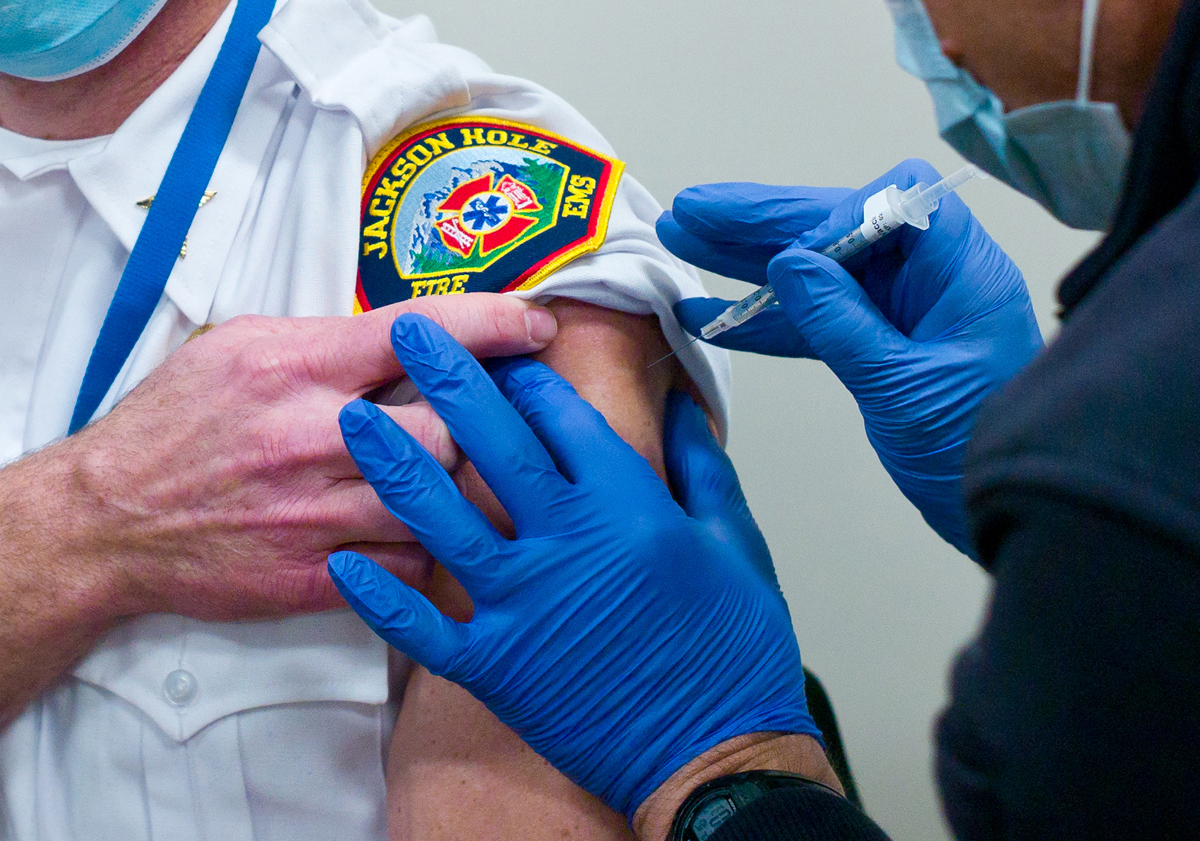
For the past 15 years, I’ve had the privilege of working alongside hospitals, physicians, nurses, EMS agencies and communities across Wyoming to improve access to specialty healthcare. Traveling our state’s rural frontier has given me a firsthand look at the unique challenges facing patients and providers alike. It has also convinced me that healthcare is one of the most complex policy issues our Legislature addresses — and those decisions are strengthened when informed by people who understand how healthcare actually works.
Opinion
Wyoming stands at a pivotal moment.
The Rural Health Transformation Program provides Wyoming with an extraordinary opportunity to improve healthcare across the state. The first installment of approximately $205 million is already being put to work, with organizations across Wyoming developing proposals that could reshape healthcare delivery for years to come. Over the next four years, this investment has the potential to approach $1 billion if implemented successfully. This funding arrives at a critical time.
Healthcare in Wyoming faces challenges unlike almost anywhere else in the country. We are a frontier state with long travel distances, aging infrastructure, workforce shortages and a low population spread across a vast geographic area. Providing high-quality healthcare in this environment requires experience and creative solutions from someone with a deep understanding of how hospitals, clinics, emergency medical services, insurers and providers all work together.
Perhaps nowhere is this more evident than in women’s healthcare.
Across Wyoming, hospitals and health systems are struggling to recruit and retain obstetricians and gynecologists. Many communities have limited or no local access to obstetrical care, forcing expectant mothers to travel hours for prenatal appointments or to deliver their babies. For rural families, that can mean repeated trips over mountain passes, missed work, additional childcare expenses and increased risks when emergencies arise.
Recruiting OB-GYN physicians is extraordinarily difficult. Wyoming competes nationally for a limited pool of specialists, and these physicians weigh numerous factors when deciding where to practice — including call schedules, hospital resources, malpractice insurance costs, professional support, educational opportunities for their children, employment options for spouses and quality of life.
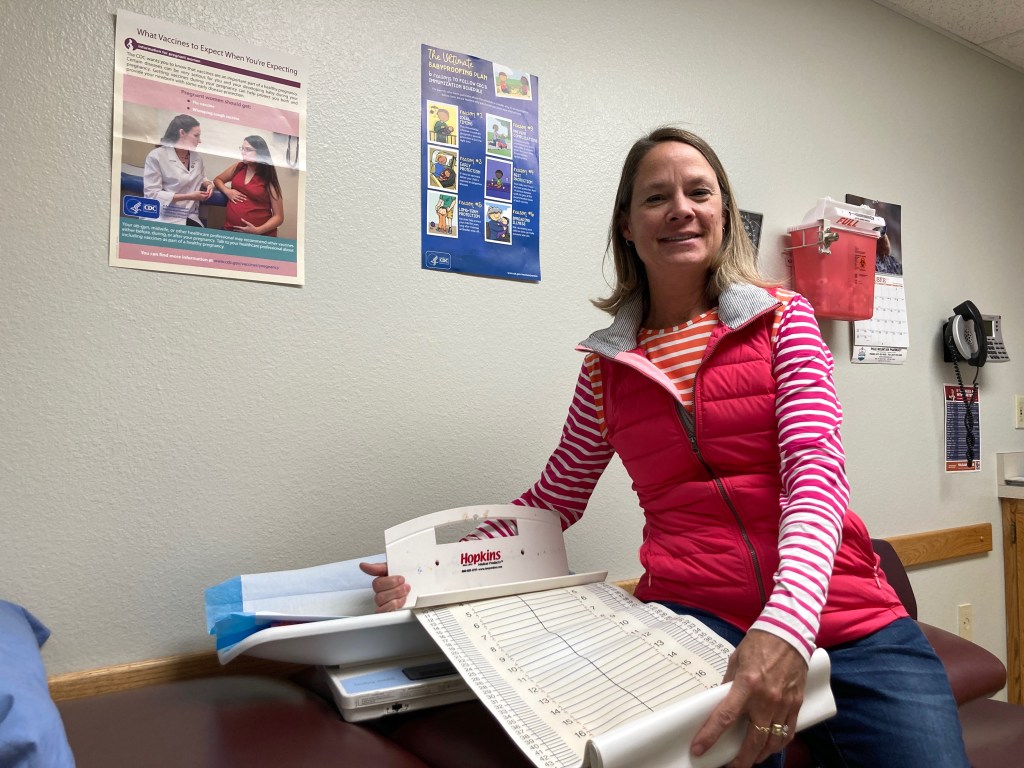
The physician shortage extends far beyond obstetrics. Primary care physicians, psychiatrists, general surgeons, cardiologists and many other specialists remain in short supply. Recruitment often takes years, requires significant financial investment and offers no guarantee of success. Even after a physician is recruited, retaining them presents another challenge entirely.
Simply wanting more physicians in Wyoming does not make them available.
Rural hospitals, meanwhile, are operating under enormous pressure.
Many face rising labor costs, inflation, increasing technology demands, declining reimbursement and the financial realities of caring for Medicare and Medicaid populations. Several rural hospitals across the country have already closed, and many others remain financially vulnerable. Every hospital closure means more than losing a building — it means losing emergency care, labor and delivery services, outpatient clinics, local jobs and an essential pillar of the community.
Emergency medical services face similar pressures. Many EMS agencies struggle with inadequate reimbursement while responding to increasing call volumes across vast geographic areas. They remain an essential part of Wyoming’s healthcare system, yet many operate under tremendous financial strain.
These are not problems that can be solved with a resolution or a talking point.
Healthcare policy is extraordinarily complicated. It involves reimbursement systems, workforce development, hospital finance, electronic medical records, quality reporting, insurance regulations, licensing, technology and countless federal and state requirements. Every policy decision has downstream effects that impact patients, providers, hospitals and communities.

That is why having real-world healthcare experience matters in the Legislature. Physicians, nurses, hospital administrators, EMS leaders, therapists, pharmacists and other healthcare professionals bring practical knowledge that cannot be learned solely through reading reports or attending committee meetings. They understand what happens when reimbursement changes, when workforce shortages worsen, when regulations increase administrative burdens or when a rural hospital struggles to keep essential services available.
The Rural Health Transformation Program represents a once-in-a-generation opportunity to strengthen Wyoming’s healthcare system. Success won’t happen by accident. It will require thoughtful leadership, collaboration and informed decision-making grounded in the real-life experience of delivering care in our frontier communities. The people who have worked on the front lines of healthcare deserve a voice in shaping what comes next — and we cannot afford to move forward without them.
Every Wyoming resident deserves access to quality healthcare close to home. As our state navigates this critical moment, the decisions made in the Legislature will shape healthcare delivery for years to come. The challenges facing rural and frontier communities are too significant — and the opportunity too important — to risk getting it wrong.

Wyoming needs non-gullible people in the legislature.
Non-alcoholics and non-domestic abusers would be a plus
To the Carcass majority in the Wyoming house, quality healthcare and access to it are far less important than eliminating all them damn woke windmills – and of course each member striving to prove they are the Trumpiest.
Wyoming did send a healthcare professional to the United States Senate , who’s served there for 19.2 years now.
… heckuva lot of good THAT did. (not!)
. As a female veteran living in Wyoming, there is much in this article that I can agree with. There is no question that, across our rural state, far too few gynecologists and other healthcare providers are available, making it difficult for many women to access the care they need.
I understand why the legislation calls for someone with an understanding of the medical field. However, solving problems like this takes much more than medical knowledge alone. It requires someone who can negotiate effectively, understand the legal framework, build consensus, and navigate the many competing priorities that exist within state government.
What we really need in our Legislature are people who understand the law well enough to protect and fight for all of our rights—not just healthcare access, but the many issues that affect Wyoming families, veterans, businesses, agriculture, education, and our constitutional freedoms.
This is just one more reason why it’s so important to truly know the people we elect before they take office. We should be looking beyond a single issue or profession and asking whether they have the judgment, leadership, and ability to represent all of Wyoming when the difficult decisions have to be made.
Stacey, thank you for writing this timely and much needed article. Healthcare is a complicated topic which needs specialized knowledge.