


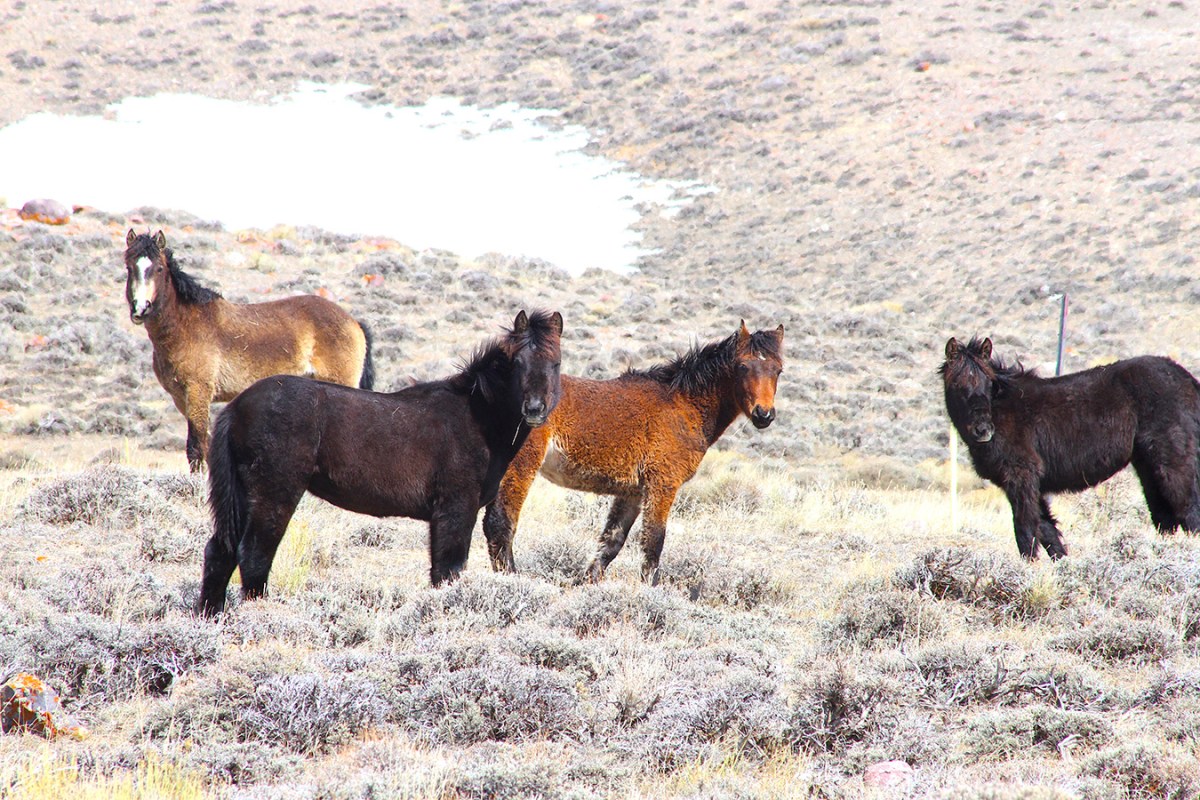
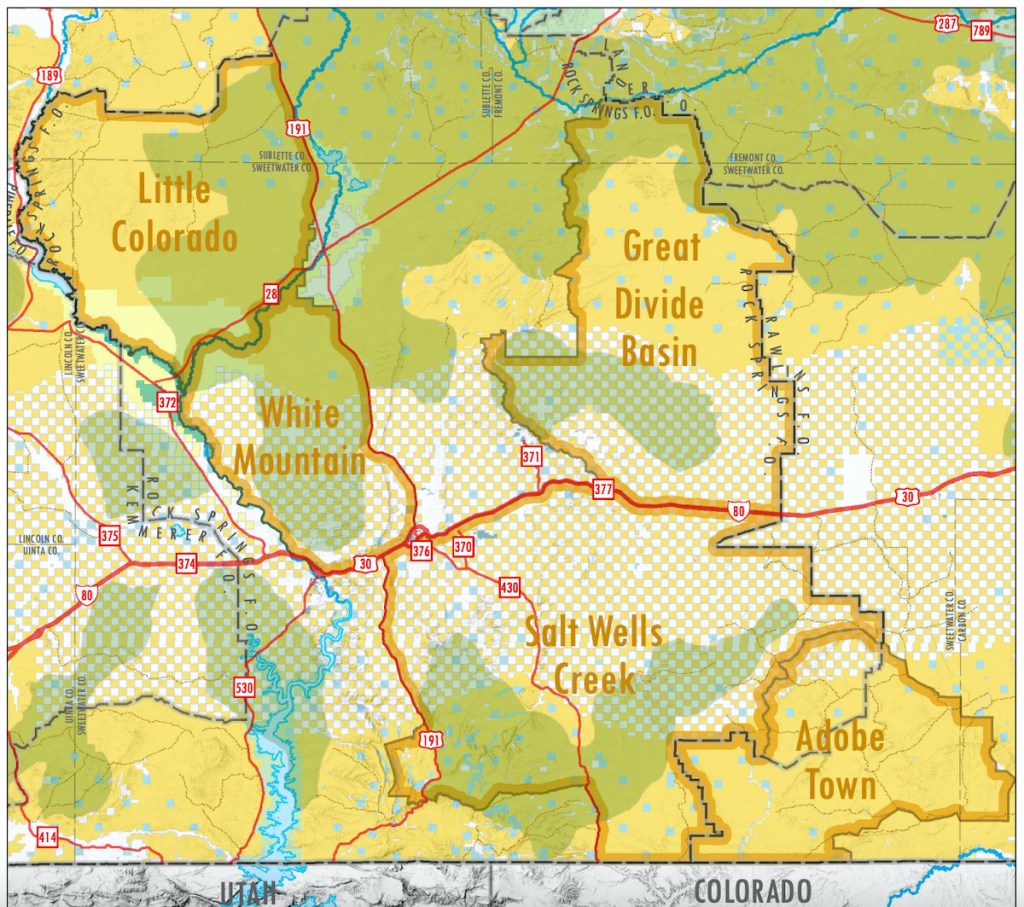
A showdown in the high desert over the presence of more than 3,000 free-roaming horses on 2.1 million acres of southwest Wyoming’s checkerboard region won’t happen for at least six more months, federal attorneys say.
Hundreds of miles away from desert in Denver and Cheyenne courts, there was much uncertainty in late 2025 about what would become of the Salt Wells Creek, Great Divide Basin and a portion of the Adobe Town herds. Because they dwell in the “checkerboarded” strip of the state where private and public land interchanges, those herds have been the source of a historic dispute.
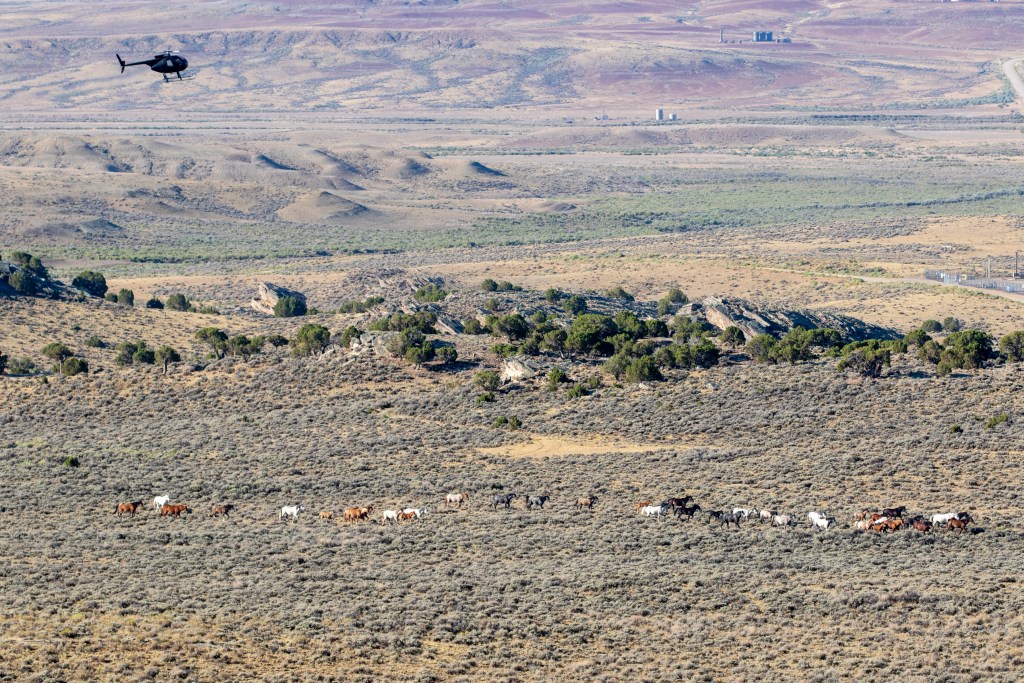
Last year, Bureau of Land Management plans to eliminate the herds were OK’d administratively, but then appealed, delayed and declared illegal by the 10th Circuit Court of Appeals. The federal agency signaled it would remove the herds anyway, however, triggering more litigation that compelled BLM to hit the brakes.
Now, BLM officials “do not anticipate” they will attempt the free-roaming horse purge until at least the end of the fiscal year, which is Sept. 30. Federal attorneys stated as much in a joint motion filed last week requesting the U.S. District Court for Wyoming — which is overseeing the case again — pause the legal proceedings until at least May 10. The next day, U.S. District Judge Kelly Rankin granted the request.
There are several reasons why BLM is not attempting to execute the whole-herd removal plans before October, BLM-Wyoming spokesman Micky Fisher said.
“We generally want to make sure the funding is in line in order to move forward,” Fisher said Thursday. “That’s really the bottom line.”
Staffing is also a concern, Fisher said. Additionally, he said, BLM also needs to make sure it’s on sound legal footing before proceeding.
When the 10th Circuit concluded the plans were illegal, it faulted BLM for not explaining how removing all horses from public sections of the checkerboard would maintain a “thriving natural ecological balance” — a requirement of the Wild Free-Roaming Horses and Burros Act.
Fisher could not comment on the remedy because it’s considered active litigation.
Meantime, wild horse advocates who have pressed to keep the free-roaming equines on the landscape say they’re grateful for the reprieve.
“We’re certainly glad that the horses aren’t in immediate danger of being rounded up and removed,” said Jennifer Best, wildlife law program director for Friends of Animals, which is a plaintiff. “We’re kind of in a waiting pattern with BLM right now to see what they will do.”
If BLM’s adjusted plans have the same end goal, Friends of Animals will sue again, she said.
“We believe that wiping them out from all the public lands is illegal,” Best said. “We remain committed to challenging any decision, short of allowing these wild horses to stay on public lands.”
It’s unlikely BLM back offs its long-held plans to eliminate the checkerboard herds, said attorney Bill Eubanks, who represents horse advocacy groups.
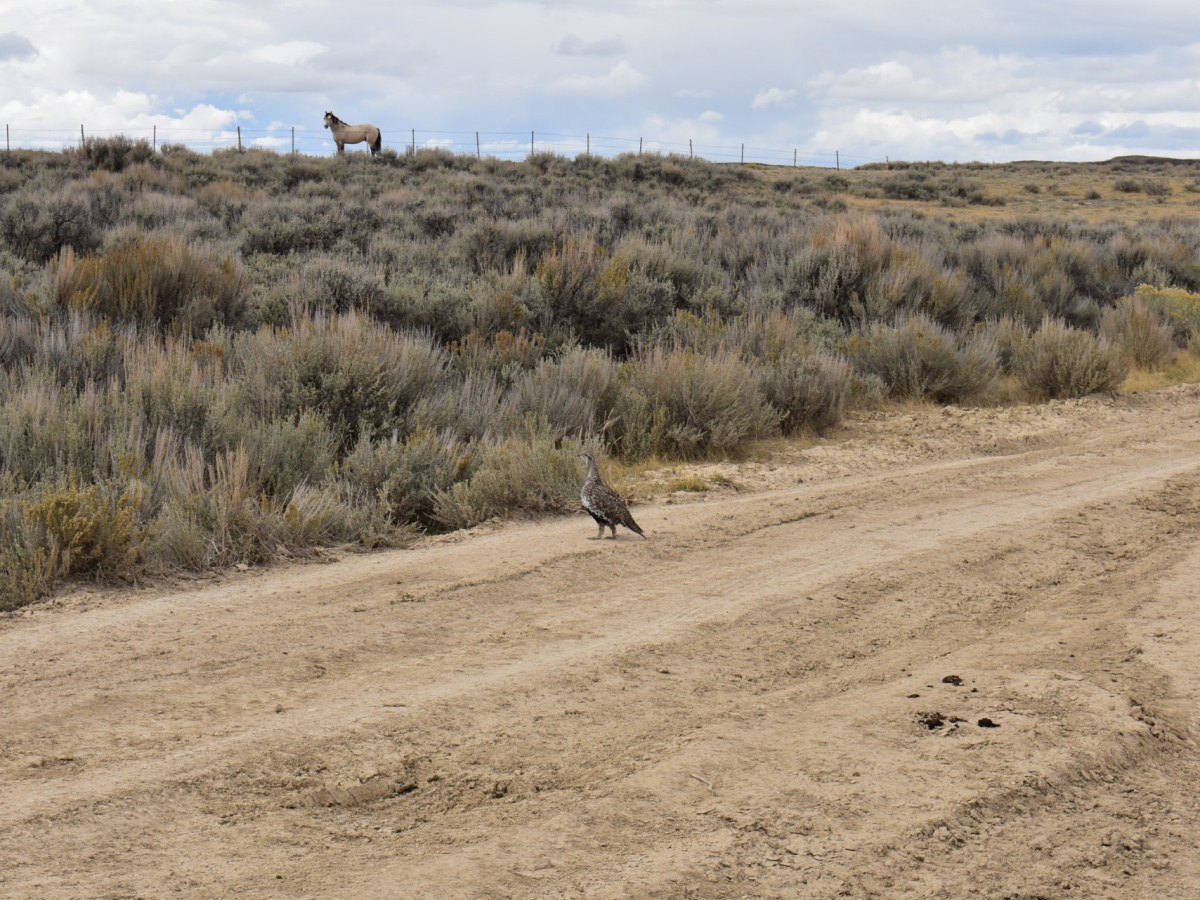
“I guess anything is possible. I don’t see it,” said Eubanks, who’s been involved in the litigation for 15 years. “BLM has never once proposed a situation that would keep horses out there. They have done everything in their power to try to get horses gone, gone, gone. It would take a big change of heart.”
The Bureau of Land Management has relatively little free-roaming horse management planned in Wyoming during 2026. Tentative plans include administering fertility control on 95 horses in the Stewart Creek and McCullough Peaks herds, according to the agency’s schedule. A “drive trap” gather targeting removal of 286 animals from the Bighorn Basin’s Fifteenmile Herd is slated to begin Sept. 15.
According to the BLM, as of March 1 there were more than 85,000 wild horses and burros on public lands across the West. That’s more than three times the “appropriate management level” set by the agency, which is intended to keep the landscape and herds healthy and sustainable.