

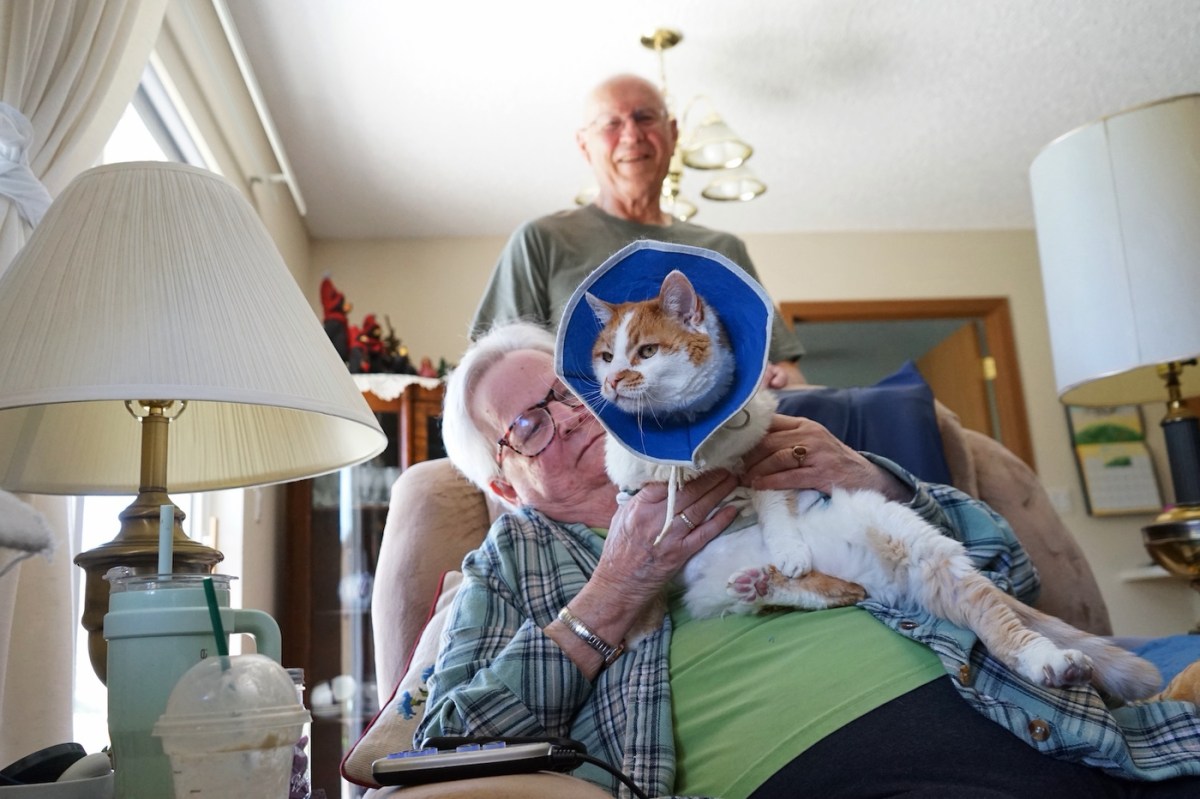
Three years ago, Judy Rogers was nearly 80 years old and living alone in the Lander home she had occupied for decades. It wasn’t a huge house, but with two levels, it was a lot to maintain for the retired teacher, who had increasing trouble with balance and mobility related to diabetes and other health issues. Rogers hired a woman to do laundry and change linens twice a week. That helped.
“But my sister was still falling a lot,” Walt Rogers said. About 20 times over the course of a year, in fact — including several falls that resulted in EMT responses. The once-great cook also wasn’t feeding herself properly, he said. “And when I visited her, I said, ‘Jude, you need more help.’”
Walt Rogers, who lives hundreds of miles away in Idaho, began researching options. His big sister adamantly did not want to go to a nursing home, he said. But Medicare doesn’t cover indefinite long-term care. Many private insurance plans don’t either. In-home caregiving services that are covered are often limited to medical tasks.
That leaves private home healthcare, which is expensive. In 2025, the average monthly median cost for non-medical caregivers in Wyoming was $7,974 for 40 hours, according to CareScout’s Cost of Care Survey. Long-term care costs have been outpacing inflation in recent years, CareScout found.
A 2023 AARP scorecard on long-term services ranked Wyoming 40th overall and gave the state particularly low scores in the areas of “affordability and access” and “choice of setting and provider.”
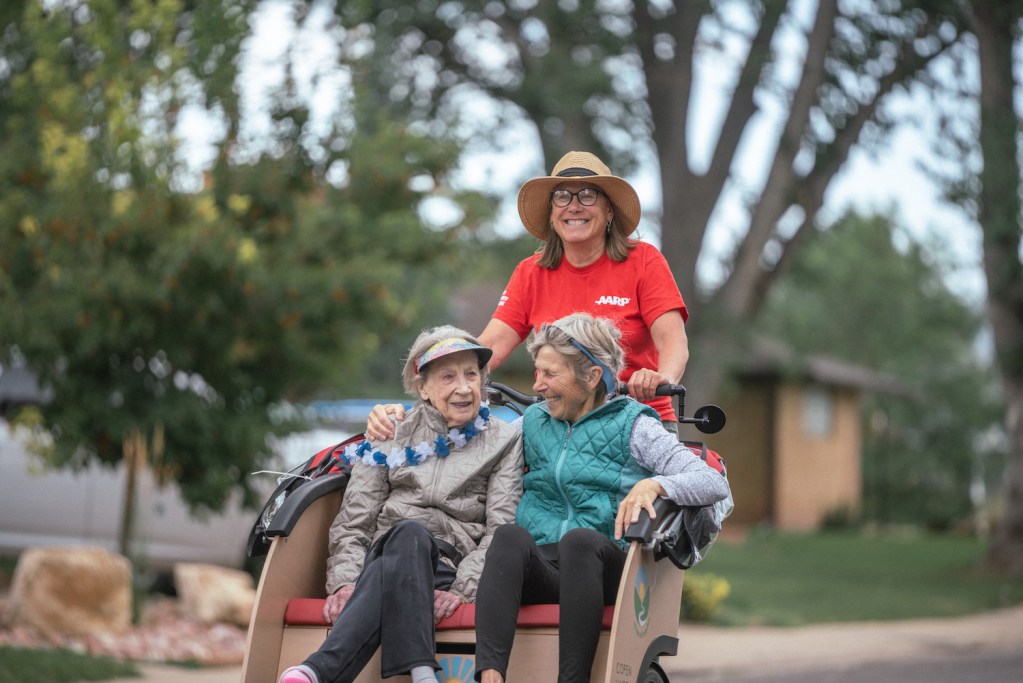
Back in Idaho, Walt Rogers faced an all-too-common conundrum: how to obtain affordable, quality long-term care for the crucial but often overlooked needs of an elderly or chronically ill loved one.
So often people assume that home healthcare is an easy and available option, said Sarah Wilzbacher, who founded the Lander caregiving nonprofit Anam Cara. The truth, however, is more complicated and likely more expensive than people anticipate.
The entire country is entering an elder care crisis, Wilzbacher said, one that is exacerbated in Wyoming by a quickly aging rural population, an ethos of self-reliance and a shortage of healthcare professionals and specialists.
“Wyoming being just a rural state, there’s very limited options for people to be able to stay at home and have quality care,” Wilzbacher said.
Unpaid and unprepared
Research suggests that most Americans will need long-term care. This reality generally clashes with what people imagine their dotage will look like, according to Wilzbacher. She calls this phenomenon “magical thinking,” and said it’s a central driver of the elder care crisis.
Misunderstandings of financing elder care also contribute. More than 20% of adults incorrectly believe that Medicare would pay the bill for their own or a loved one’s time in a nursing home if they had a long-term illness or disability, KFF found in 2022. And while it will generally cover temporary home healthcare, Medicare doesn’t pay for long-term care, which refers to help with daily tasks like bathing, cooking or managing medication.
Medicaid does cover nursing home services and in-home caregiving — but only for people with very low income and assets. Wyoming is experiencing an uptick in need for these services — so much so that the Wyoming Health Department asked for legislative approval for two new positions in its Medicaid long-term care eligibility unit.
“What we’ve seen in recent years is a pretty dramatic growth in the volume of applications we’re receiving, mostly from seniors and disabled seniors who are in need of nursing home or long-term care coverage,” Department Director Stefan Johansson told the Joint Appropriations Committee in December. Lawmakers granted the request.
Another problem Wilzbacher observes is a lack of communication and advance planning, which she said results in people burying their heads in the sand and believing the system will take care of it. “And then a crisis happens,” she said. “A fall, dehydration, heart issues …”
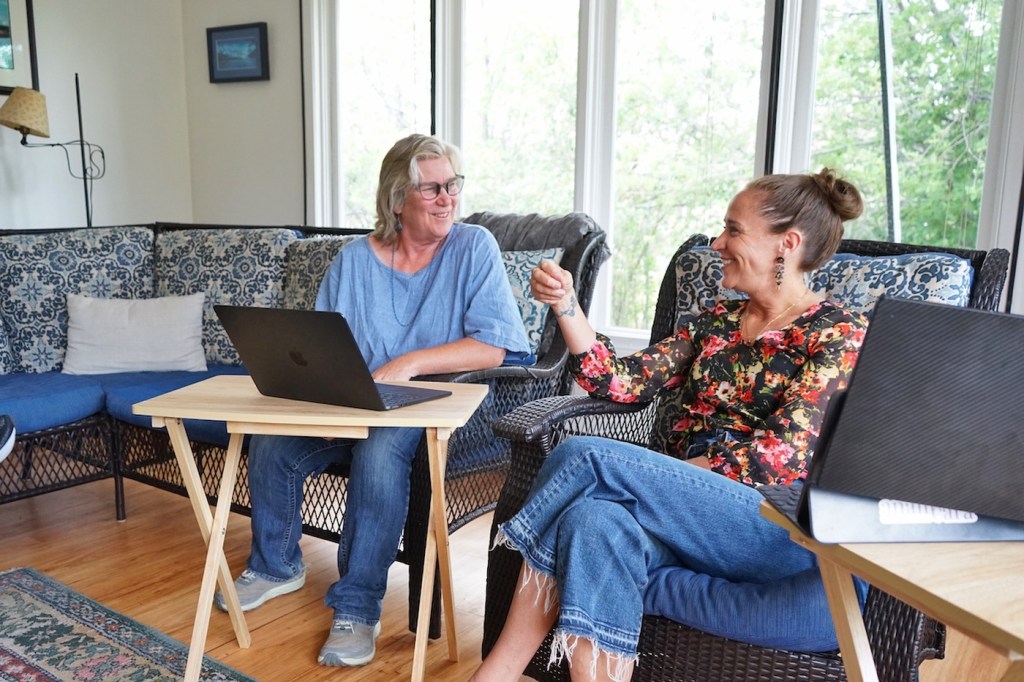
And suddenly, an individual or family is forced to figure it out under duress. In that case, options are limited. A common outcome is that a family member becomes a caregiver. Nationwide, the care family members provide is equivalent to the amount of work done by about 17% of the nation’s full-time workers, a 2026 AARP report found.
Some 23% of adults in Wyoming are family caregivers, according to AARP data. That equates to about 106,000 people, said Sam Shumway, former AARP Wyoming state director, “which is a huge number.”
Unpaid caregiving can strain budgets, pull people out of the workforce and cause significant emotional and financial distress, Shumway told WyoFile. Family caregivers handle everything from grocery shopping to complex medical tasks, often with little training. About 80% of caregivers pay out of their own pockets to meet loved ones’ needs, according to AARP.
And because their efforts keep patients out of nursing homes, and Medicaid pays for the majority of nursing home stays, Shumway said, “these caregivers are providing a tremendous benefit — not only to the person that they’re caring for, but to the state of Wyoming. And it just goes unnoticed.”
Rachael Price, the co-executive director of development and strategy for Anam Cara in Lander, knows firsthand the impacts caregiving can have. When her own mother became severely ill and moved in with Price’s family, Price quit her former job to care for her full-time. “And that has this cascading effect,” as the family budget shrinks, social security contributions are reduced and stress mounts.
Of course, there is a third scenario, that of a person in need of care who doesn’t have family support. The social safety net of Medicaid will catch those folks. But eligibility requirements mean they have to essentially spend all their money before they can access its services.
And when a person doesn’t have enough family support, doesn’t qualify for Medicaid and can’t afford private care, the outcomes can be awful, Price and Wilzbacher said. They have seen this unfortunate scenario lead to poor hygiene, dehydration, malnutrition, squalor, erratic medication, chronic medical problems and regular ER visits.
“It’s heart-wrenching, the deficit that people live with,” Price said.
The lucky
When Walt Rogers was trying to figure out how to care for his sister, the siblings were fortunate that she had savings. He contacted a home-health company, but it did not offer the kind of non-medical assistance, like linen changing, that would ease her life at home, he said. The company referred them to Anam Cara, and they enlisted its help.
An Anam Cara employee began visiting Judy Rogers to help with small tasks. Rogers, who had grown accustomed to living alone with her cat, was skeptical at first of a stranger entering her home.
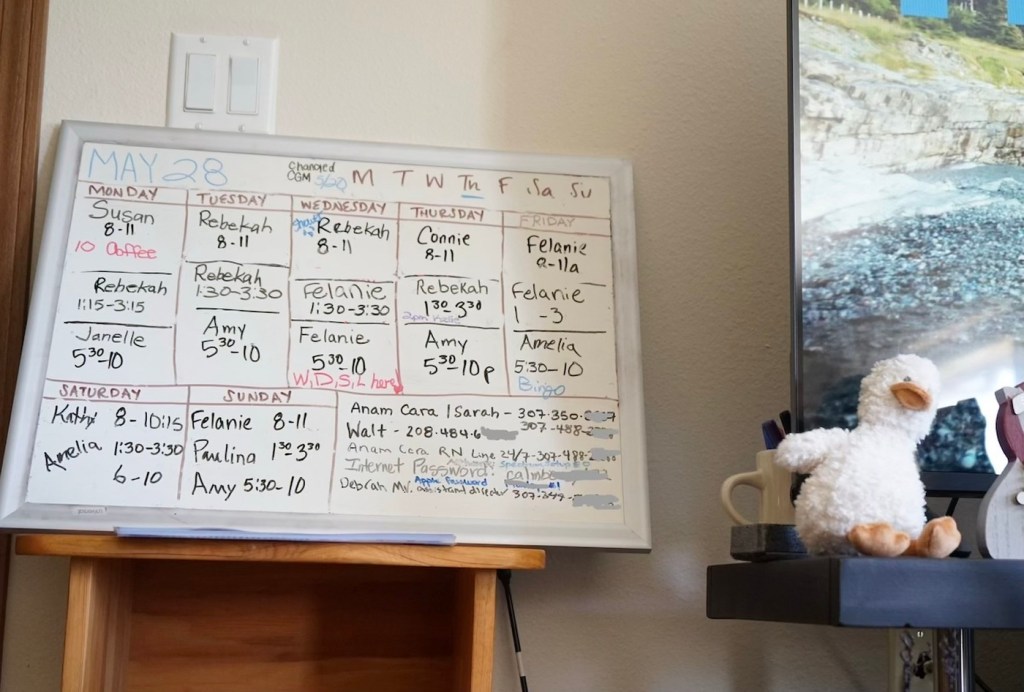
Walt Rogers was insistent, and before long, his sister enjoyed the visits. A caregiver helped make sure she was getting nutritious food, administered her insulin and other medication, shuttled her to physical therapy and kept tabs on her for regular reports to her brother. And when he persuaded his sister that her house was unmanageable, an Anam Cara caretaker helped her pack up her belongings.
After selling the house, Rogers had a nest egg to pay for rent at an independent living apartment in a retirement facility, which offers perks like daily meals and home maintenance. When she moved in two years ago, Anam Cara caretakers came with her. These days, the 82-year-old keeps busy visiting with neighbors, playing bingo, attending coffee time and other activities. Caregivers come in three times daily to help her with meals and manage things like showers.
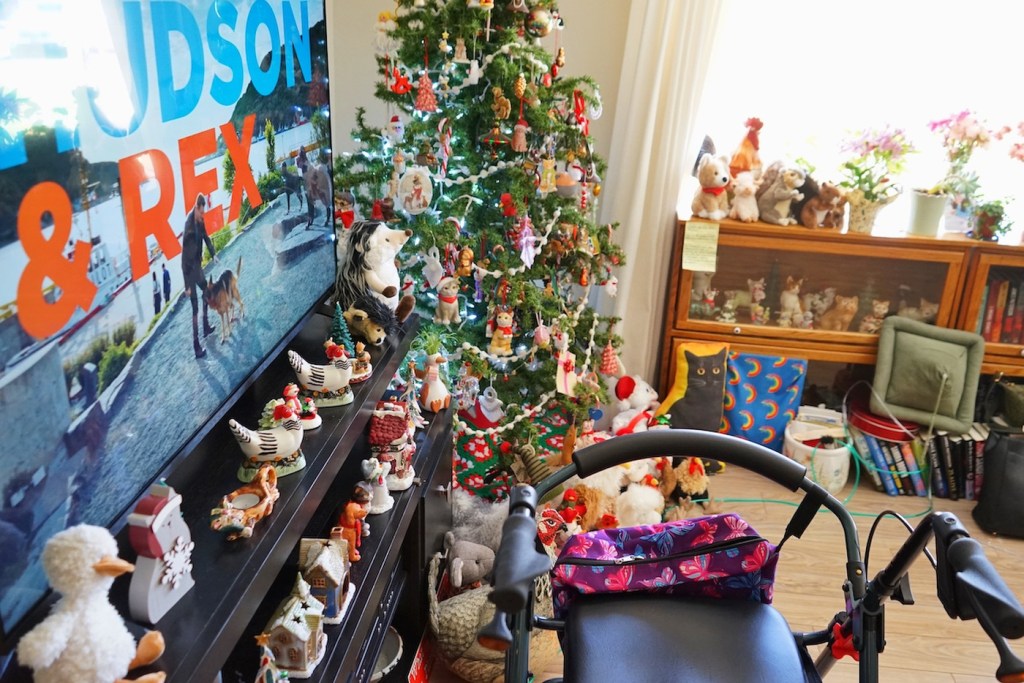
“This has been a blessing right here,” Walt said in May, gesturing around Judy’s apartment. He was in town to visit his only sibling — they bantered good-naturedly, their strong Massachusetts accents seemingly amplified by each other’s company.
Although Judy Rogers misses her home, she enjoys her new apartment and the social opportunities it brings. She’s especially lucky to have such a good brother, she said. “All my friends want to adopt him,” she said, laughing.
A different approach
Wilzbacher, who has a background in nursing, psychotherapy and end-of-life care, started Anam Cara after moving to Lander from Colorado and identifying that elder care options were extremely limited. The name Anam Cara refers to an ancient Celtic concept that focuses on holistic and compassionate end-of-life care.
What started as a one-woman service quickly grew. One patient, whom Anam Cara helped through his final days in his home, bequeathed his assets to the company. That spurred Anam Cara to morph into a non-profit.
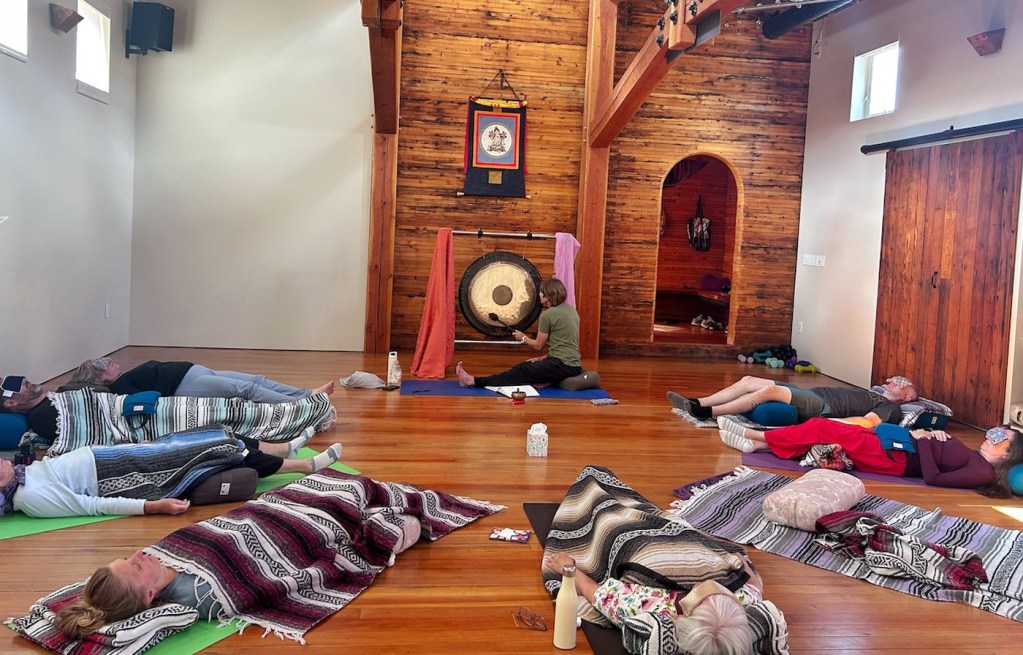
By raising money through grants and fundraising, Anam Cara subsidizes the cost of care, which allows it to charge much less than the $50-per-hour it costs to operate, Wilzbacher said. The aim is to help clients retain dignity and receive quality care in what is a crucial life chapter.
“This community is very lucky to have an organization like Anam Cara to care for people like my sister,” Walt Rogers said. “To have this resource, it’s tremendous. They’ve made my sister’s life a lot better.”
Even with Anam Cara, gaps remain, Wilzbacher said. Medicare and Medicaid are subject to a barrage of restrictions or threats of cuts that are hard to keep up with. Wyoming’s rural health system is short on specialists like neurologists and dermatologists, and the same can be said for palliative care and memory care facilities.
“We don’t have the specialties that help people age with dignity and intention, and to craft their advance directives,” Wilzbacher said. Help with this legal document, which specifies preferences for medical care should someone lose the ability to communicate or make decisions, is “another piece that’s missing in rural communities.”
DISCLOSURE: The author’s family members became clients of Anam Cara during the course of reporting this story. -Ed.


In this election season, which candidates are running for office while acknowledging there is a healthcare “problem” particularly toward elders? I would bet None!
I have fallen into the OK it’s your turn to take care of a parent full time with no support or pay. This state needs to quit thinking about themselves and help it’s elders.
Our community is very lucky to have Anam Cara, taking care of many individuals in Lander Valley! I look forward to jumping aboard when my time arrives.
Thanks for an informative article, Katie!
Fantastic Article! Thank You!
I have had a long term policy for 30 years only to find out that I will have to be at death’s door to use it