

This story is part of a collaborative legislative initiative by WyoFile, Wyoming Tribune Eagle, The Sheridan Press and Jackson Hole News&Guide to deliver comprehensive coverage of Wyoming’s 2026 budget session.
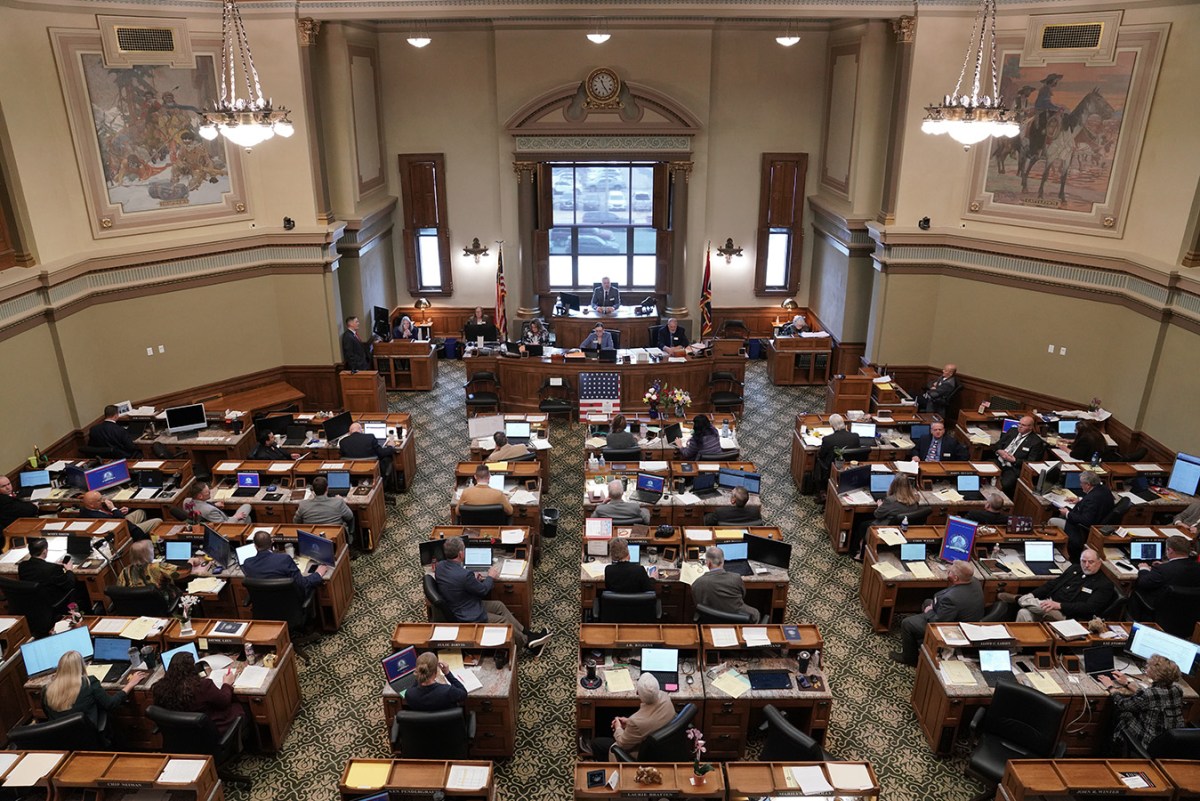
CHEYENNE—Amid concerns for school funding and increases to property tax bills, the Wyoming House of Representatives narrowly defeated a sweeping property tax reform bill.
Senate File 110, “Residential property tax revisions,” would have taxed owner-occupied properties at 8.3% for the first $3 million of their fair market values and value greater than $3 million at 9.5%, removed the 25 mills assessed statewide for education on the first $3 million of owner-occupied properties’ fair market values and repealed the state’s 25% exemption for the first $1 million of a single family residential property’s fair market value.
Rep. Karlee Provenza, D-Laramie, said it was important to consider the bill in the greater context of the Legislature’s efforts since 2023 to provide Wyomingites with property tax relief. Since then, the Legislature has passed the 25% exemption, a 4% cap on year-to-year property tax bill increases, an expansion of the veterans’ property tax exemption and a long-term homeowner exemption.
Some lawmakers worried it was too many changes too fast and SF 110 would be more of the same.
“We keep jerking the wheel,” Rep. Cody Wylie, R-Rock Springs, said. “We don’t let it break over and turn and see how we can do this correctly.”
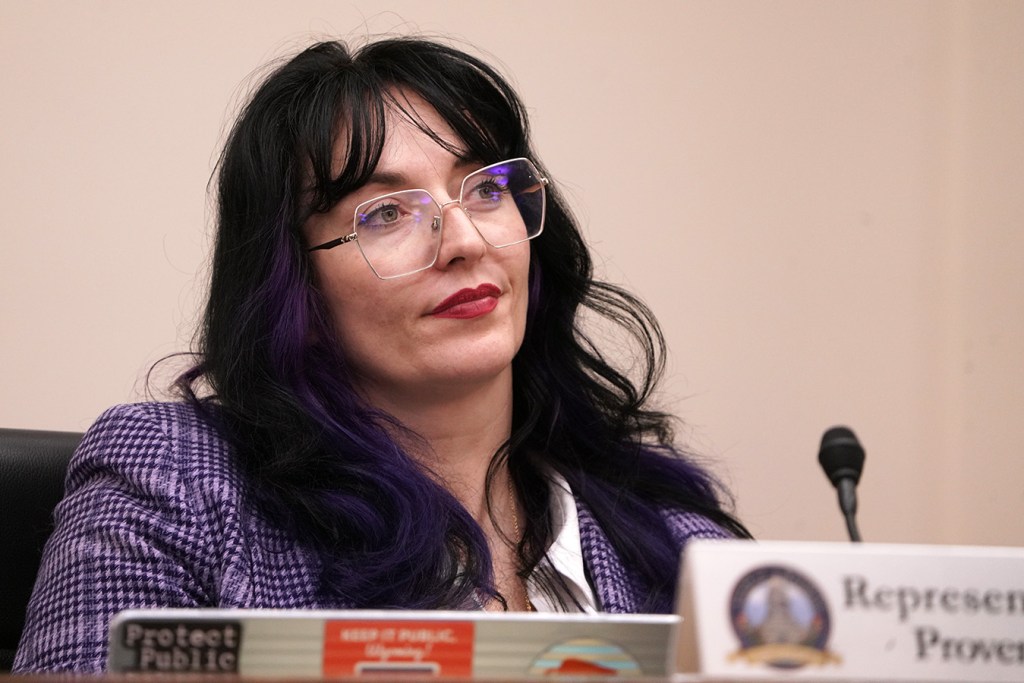
Senate File 110, though, would likely have depleted the state’s rainy day fund — the Legislative Stabilization Reserve Account. Wyoming is required to backfill K-12 schools with that account, as long as it has at least $500 million. The Legislative Stabilization Reserve Account has about $832.6 million after lawmakers passed the state’s biennial budget. Provenza noted current projects show the account will dip below the $500 million threshold in 2029.
During the 2030 budget session, lawmakers may be forced to cut services to pay for education, Provenza said.
“Legislators will be saying things like, ‘I’m so sorry we had to cut funding to health care programs because we had to fund education. I’m so sorry that we had to cut funding for developmental disabilities. I’m so sorry, but we had to cut funding for nursing homes. I am so sorry, but the most vulnerable of our people, we can’t take care of them anymore as we are commanded,’” Provenza said from the House floor, adding the bill could help make public education the enemy of Wyomingites.
Rep. Tony Locke, R-Casper, held firm in his support for the bill Thursday. He said by repealing the state’s 25% exemption, it would have replenished revenue streams for local governments; many entities were forced to cut spending after the exemption went into effect amid decreasing local revenues. The onus to cover lost property tax revenue from the 25 mills assessed statewide would fall on the state, not local entities, Locke added.
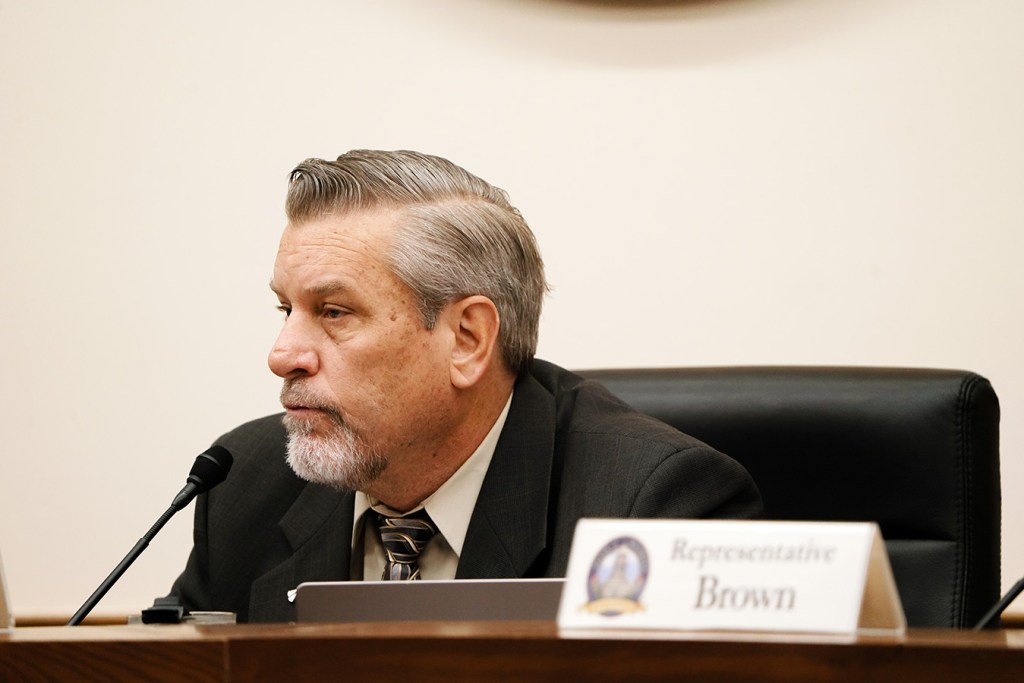
Like his statement during debate on the bill Wednesday, Locke said the bill would provide legislators “some additional tools in the toolbox” to adjust property taxes for the good of the state.
Multiple times during his speech, Rep. Steve Harshman, R-Casper, said SF 110 would likely result in higher taxes for most Wyomingites. Repealing the 25% exemption, but decreasing assessment rates by 12.6% and removing the 25 school mills would not equal a 25% decrease for the average Wyoming homeowner, Harshman noted during Wednesday’s debate.
“Your no vote, you’ll stand with the farmers and ranchers, teachers and public employees, the construction workers, the oil field workers and people who are buying diapers today trying to figure it all out,” Harshman said. “We’re standing with the retirees and the kids. That’s the 99% of Wyomingites.”
After a total of about 75 minutes debating the bill, the House narrowly voted it down with 31 votes against and 30 in favor of it.
Correction: This story has been updated to note that Senate File 110 would have taxed owner-occupied properties at 8.3% for the first $3 million of their fair market values. — Eds.

There has to be a better way to fix things than taking money from those working to make ends meet and giving it to those who do not work for a vairety of reasons. I don’t know the answer, perhaps providing actual food and supplies instead of money that can be spent on other things, and often is to those needing help.