

Wyoming jumped in nationwide child well-being rankings in a new report by the Annie E. Casey Foundation.
The 2026 Kids Count Data Book ranked Wyoming 12th based on family and community stability, economic support, health and education. That’s up 11 spots from 23rd in the 2025 report.
Even with the higher 2026 scores in most areas, the state has room for improvement, said Micah Richardson, associate director of policy at the Wyoming Women’s Foundation — the Casey Foundation’s Wyoming partner organization.
For example, despite its high marks in economic well-being, 10% of Wyoming children live in poverty, Richardson said. In the education realm, 70% of eighth graders are not proficient in math. And 9% of the state’s children don’t have health insurance.
“We know that there are improvements to be made,” Richardson said.
About the report
Kids Count, which is in its 37th year of publication, aims to shine a light on progress and deficiencies related to child well-being, according to the Annie E. Casey Foundation. That way, state leaders and policy experts can track what strategies are making a difference. Most of the new report compares data between 2019 and 2024.
Along with the cumulative ranking, the report ranks states individually in the four categories. And for the first time this year, the report gave comprehensive scores to each state on a scale from 0 to 1,000. By that measurement, Wyoming scored 654, higher than the national average of 547.
Of the four categories, Wyoming performed best in economic well-being, nabbing the No. 3 spot. The state’s standing in this area improved since the last report, and its comparatively strong numbers put the state behind only Minnesota and New Hampshire.
That ranking is based on indicators that measure how financially secure or insecure children are — including the number of children who live in poverty. This data found that 21,000 Wyoming children, or 17%, have parents who lack secure employment, while 31,000 children, or 25%, live in housing with a high cost burden.
The state also ranked high in the family and community category, sitting in the No. 7 spot. That category measures indicators including the number of children in single-parent families (28% in Wyoming); children in families where the household head lacks a high school diploma (4% in Wyoming) and children living in high-poverty areas (less than .5%), according to the report.
Though Wyoming ranked relatively high at 17th place in education, its score fell since the last report. Education indicators found that 52% of Wyoming children ages 3-4 are not in school; 64% of the state’s fourth graders are not proficient in reading and 18% of high school students aren’t graduating on time.
Since 2019, there has been a 5% increase in fourth-graders who are not proficient in reading and a 7% increase in eighth-graders who are not proficient in math, according to the Annie E. Casey Foundation.
The state performed worst in the health category, where it ranked 39th. Health indicators found that 10% of Wyoming babies were born with low birth weight, 12,000 children did not have health insurance and 29% of kids ages 10-17 are overweight or obese.
Wyoming’s rate of child and teen deaths has fallen, which is a crucial sign that recent state actions around mental and behavioral health are having benefits, Richardson said. But the state’s rate of 31 deaths per 100,000 is “still too high,” she said.
Wyoming needs to create policies that support young community members’ mental health needs, she said. ”As a frontier and rural state, solutions are needed that span our geography and ensure children and families can access the care and services they need.”
Takeaways
The report illustrates some areas of weakness that state leaders can focus on for improvements, resources or policy solutions, Richardson said. One of those is early childhood education, which research shows boosts school readiness and long-term academic success.
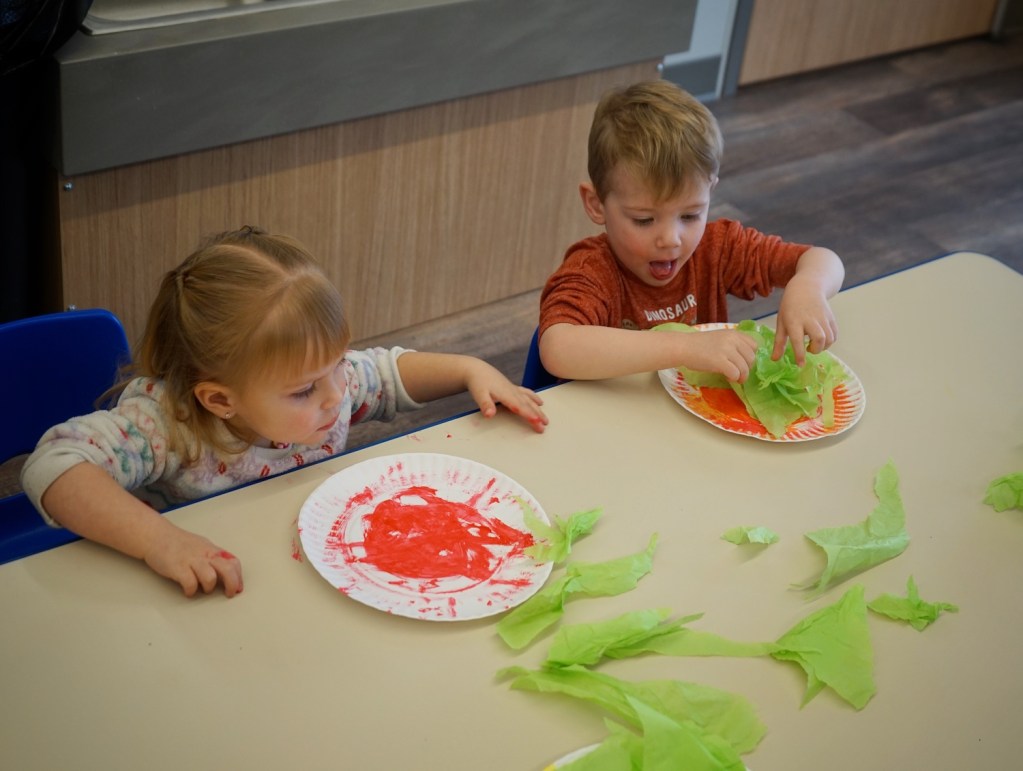
“I would love to see more at the state level being focused on child care and early childhood programming,” Richardson said. “I would like to see in the next few years the Legislature really adopting this as a family issue, a community issue and a workforce issue more than they have currently.”
After-school support is another area outside of the realm of traditional school that could give kids a boost in education, she said.
Good data collection is crucial for communities to track and understand issues and how policies affect them, Richardson. With federal cuts and other issues challenging data collection in recent years, she said, it’s important to prioritize the practice.
“I just can’t emphasize enough how important data collection continues to be,” she said.
