

Opinion
Wyoming is no longer debating just one single wind project. What we are facing now is the cumulative impact 40 large-scale wind developments across mainly southeastern Wyoming. For years, residents have raised concerns that reviewing projects one at a time fails to capture what is actually happening across the landscape. Wildlife, migration corridors and rural communities do not experience development project-by-project — they experience it all at once. That reality is becoming increasingly clear in the region stretching across Albany, Carbon, Converse, Laramie and Platte counties. This part of Wyoming is not just open space waiting for industrial development, it is one of the most important golden eagle landscapes in North America. Wyoming supports the largest breeding population of golden eagles in the Lower 48 states and provides critical habitat for birds that migrate across the continent.
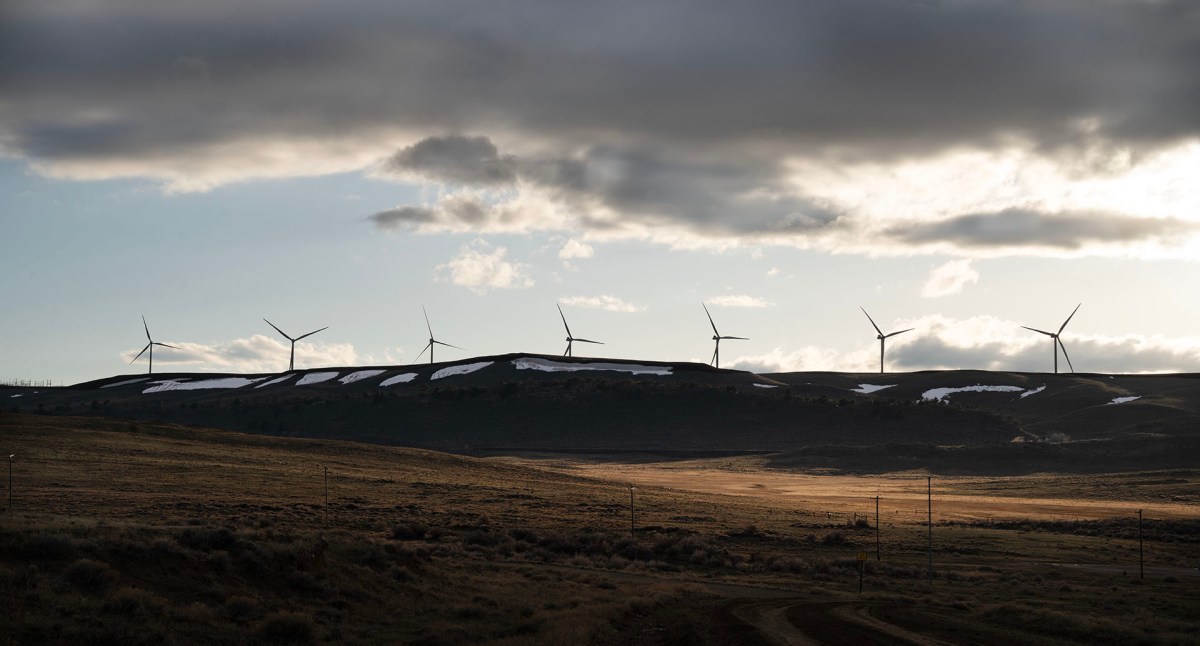
At the same time, wind development in southeastern Wyoming has expanded rapidly. Multiple wind facilities already operate in the region, while several additional projects are proposed or moving through the permitting process. Transmission infrastructure is also being built to connect these facilities to distant power markets. When viewed together, these projects begin to form what many residents now call the “Wyoming Wind Wall” — a corridor of industrial wind development stretching across the high plains.
The concern is not renewable energy itself; renewable energy will likely remain an important part of the nation’s energy future. The real question is whether development is occurring in places where the impacts can be responsibly managed. Scientists have warned that when large wind facilities are concentrated in areas with high eagle activity, the landscape can become what is known as a population sink. These are areas where wildlife is drawn to suitable habitat but experiences higher mortality because of human activity. When adult birds are lost, younger birds move in to fill the territory and face the same risks. Over time, that cycle can contribute to serious population decline. This is particularly important in Wyoming because the state plays such a critical role in the life cycle of golden eagles. Many of the birds that move through Wyoming come from distant regions, meaning local losses can affect populations far beyond our state’s borders.
Federal law recognizes this risk. Under the Bald and Golden Eagle Protection Act, permits allowing the incidental killing of eagles may only be issued when those losses are compatible with maintaining stable or increasing eagle populations across their range. Meeting that standard requires looking beyond a single project boundary. It requires evaluating how multiple developments interact across the same landscape and migration corridors. Recent federal approvals have concluded that some projects will have no significant impact. But when many projects are built in the same region, the cumulative effects deserve careful scrutiny.
Wyoming has always taken pride in responsible stewardship of its wildlife and landscapes. As wind development continues to expand, that tradition of stewardship should guide the decisions we make. The question facing Wyoming is not whether energy development should occur, it is whether we are planning that development in a way that protects the wildlife, landscapes and communities that define this state. Once this industrial corridor is built across Wyoming’s high desert ecosystem, it will shape Wyoming for generations.

This is an excellent article overviewing the impacts of wind farms on eagles which is a serious impact. Some mitigating efforts may help, but more are needed.
Well said. Both regulatory agencies and we as individuals easily overlook the cumulative impacts of our actions. Residential developers respond to folks’ dreams of rural living by scattering subdivisions across the landscape, incrementally fragmenting habitat and adding the inevitable impacts of residential occupancy and infrastructure. Industrial developers respond to the nation’s energy demands and desires for smaller carbon footprints by stripping energy from the wind.
Responsible development requires a thorough and honest identification of impacts, as Ms. Brande points out.
Thanks for keeping this issue in the public’s eye.