


High participation in hunting, RV trips, snowmobiling and fishing helped Wyoming’s outdoor recreation economy generate $2.3 billion in 2024, according to new federal economic data.
That represents 4.5% of the state’s gross domestic product, putting Wyoming in the top five states in that category behind Hawaii, Alaska, Montana and Vermont. That high ranking contributes to recognition of outdoor recreation’s economic impact in Wyoming.
“Outdoor recreation continues to be a strong economic driver in Wyoming,” said Mark Tesoro, who manages the Wyoming Office of Outdoor Recreation.
Some areas of growth, however, are slowing both in Wyoming and nationally. Wyoming’s rate of growth in economic impact was .5% in 2024, which lagged behind the national trend of 4%, according to the Bureau of Economic Activity’s Outdoor Recreation Economic Statistics released last week. (The annual report typically comes out in the fall but was delayed by the 2025 government shutdown.)
In addition, while the sector employed more than 16,500 people in 2024, the state’s employment growth was also behind the national average. Wyoming’s small population can unduly skew data, Tesoro noted. He is bullish about the sector.
With new funding avenues and partnership opportunities for projects involving infrastructure, “the future of outdoor recreation in the state is more promising than ever,” he said.
Crowds continue to pour across the state’s borders, drawn by activities ranging from watching wildlife at national parks to fishing on reservoirs and mountain biking on federally managed public lands. Visitation to Wyoming State Parks’ system of parks and historic sites surpassed 5 million in 2025 — the highest since the pandemic-related surge of 2020-21.
Trends like those have spurred officials to invest more in the industry. Wyoming is one of 24 states with an office of outdoor recreation management, and lawmakers created a new trust fund in 2023 to explicitly support planning, development or maintenance of outdoor rec infrastructure. That trust fund in February opened submissions for its first round of grants.
National comparison
Nationally, outdoor recreation generated $1.3 trillion in 2024, according to the Bureau of Economic Activity, fueling 5.2 million jobs. Inflation-adjusted GDP for the sector increased 2.7%, reflecting a deceleration from 2023.
The slowdown can be attributed to macro headwinds such as inflation, interest rates and business uncertainty, President of the Outdoor Recreation Roundtable Jessica Turner said in an online press call last week.
“We know that in 2024 the demand to get outside remained high with positive participation,” she said. “But affordability and uncertainty weighed on purchases and trips.”
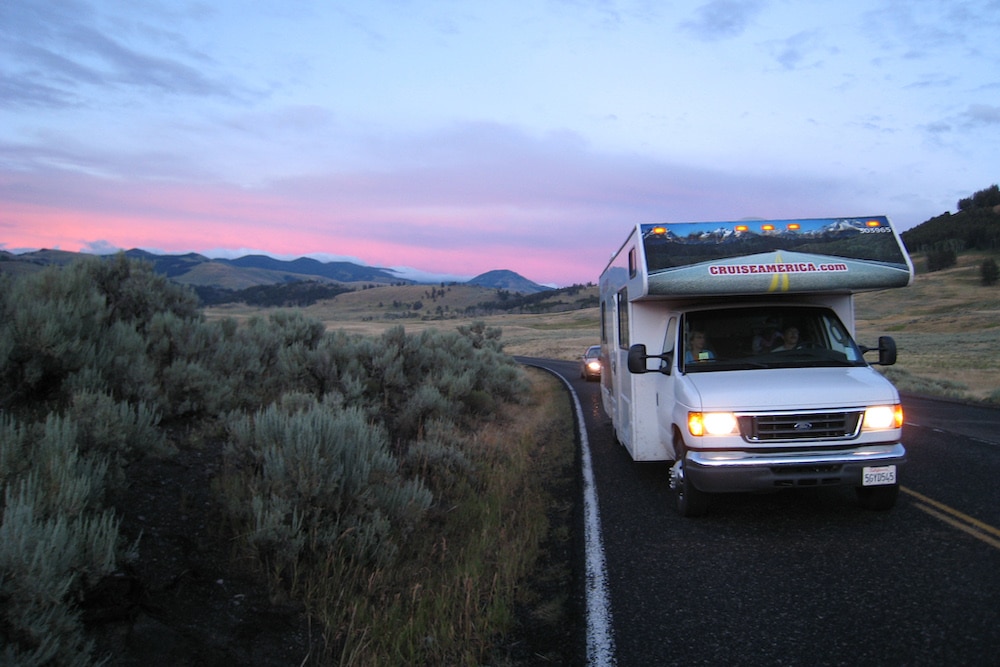
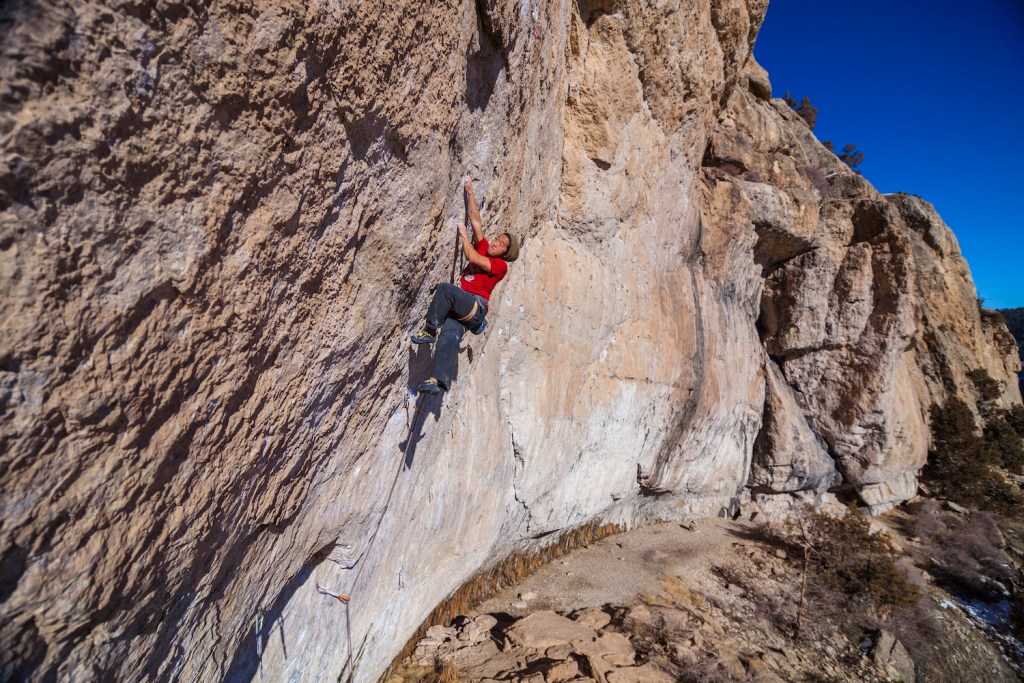
As far as activities, the category of “hunting/shooting/trapping” contributed the most in Wyoming, with $108 million. Behind that were RVing, boating/fishing, equestrian, snow activities and climbing/hiking/tent camping.
Outdoor recreation has been on an uphill trajectory for decades here, though specific visitation patterns can be hard to pin down because land managers like the U.S. Forest Service and Bureau of Land Management don’t have precise crowd-counting mechanisms.
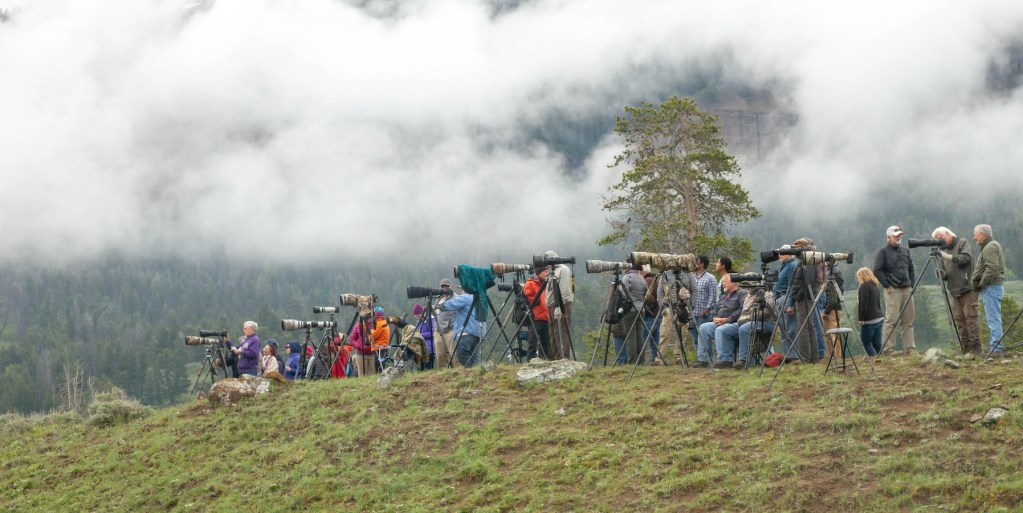
While the National Park Service has yet to release its 2025 visitation numbers for two of Wyoming’s biggest tourist destinations — Yellowstone and Grand Teton national parks — state parks reported a big year. The system’s 5 million visitors in 2025 mark a 4% increase over 2024 and the highest level since the COVID-19 pandemic sent a surge of Americans outside.
A breakdown of state parks visitation data shows mixed patterns. Visitation to Hot Springs State Park, where the Star Plunge aquatic facility was closed in early 2025 related to a legal battle over management, was up 20%, according to state numbers. Popular destinations like Sinks Canyon and Keyhole saw smaller dips, at 7% and 12%, while visitation at Curt Gowdy was up 9%.
The visitation levels serve as “a testament to the vital role our parks, historic sites, and recreation areas play in Wyoming’s communities,” Dave Glenn, director of Wyoming State Parks and Cultural Resources, said in a release. The sites, he added, “are essential to our state’s quality of life and economic resilience.”
Opportunities and attractions
As the crowds have flocked in ever-growing numbers to Wyoming’s mountain bike trails, national parks and ski hills, concerns have risen about overcrowding and resource damage.
Wyoming’s Office of Outdoor Recreation — a major promoter of Wyoming’s outdoor assets — has responded with a strategy of educating, dispersing and reconcentrating user groups to spread both the benefits and the detriments.
One strategy for that is related to the state’s new Outdoor Recreation Trust Fund. The fund, created by a 2023 law, aims to build, improve and design outdoor recreation projects, including those that can disperse statewide users by spreading them to new areas. The 2026 application process opened in February and will close on April 11.
“For years, innovative community ideas have outpaced available resources, and today we’re excited to see that gap closing,” Outdoor Recreation Office Grant Coordinator Brynn Hirschman said in a press release announcing the application opening.
The most common request for outdoor recreation amenities is trails, according to the Outdoor Recreation Office, which are costly. That motivated agency staff to push for a fee for some non-motorized trail users. The effort resulted in House Bill 20, “State parks-nonmotorized recreational trail fees,” which would have authorized Wyoming State Parks to establish fees for designated mountain biking trails in its system. The bill failed introduction into the House early in the legislative session.
Since wildlife is so important to Wyoming’s economy, it’s past time for our governor and state legislature to stand up for wildlife instead of continually downplaying its importance and passing ever-increasing anti-wildlife legislation! We must begin electing representatives who understand the importance of wildlife and will defend Wyoming’s greatest resource. This is especially true since our own Game & Fish Department Director recently publicly stated that it is not the G&F Department’s job to speak up on behalf of wildlife. Perhaps the G&F Department also needs a serious overhaul!