


More and more, the crowds visiting Wyoming state parks like Curt Gowdy, Glendo or Sinks Canyon do so with mountain bikes in tow.
Lawmakers and agency officials are looking to capitalize on the bicycle boom with a user fee. A draft proposal would authorize Wyoming’s Division of State Parks to charge bikers for a sticker or permit — with the money going toward projects to build or improve non-motorized trails.
These permits aren’t envisioned to break the bank: $10 seasonal permits for Wyoming adults; $20 for non-resident adults or $5 for a daily fee. The revenue, however, could help address a desperate need, advocates say.
“We’ve got some real challenges with outdoor recreation, statewide,” said Wyoming State Parks and Cultural Resources Deputy Director Chris Floyd. “I think funding for non-motorized [trails] is at the top of our list.”
The Legislature’s Travel, Recreation, Wildlife & Cultural Resources committee has begun drafting legislation that would create the program. The committee started discussing general user fees earlier this summer as a way to generate revenue to feed a growing appetite for trails.
The bill would empower the state parks agency to designate state trails that would require a trail permit for cyclists. Rider permits could be checked or sold at entrance gates, with the funds funneled into a new account earmarked for non-motorized trail costs — including construction, signage and parking lots.
The draft bill’s proposed fees target mountain bikers — both traditional and electric — because they present the largest demand, Floyd told WyoFile.
“We receive more requests for bike trails than any other recreational infrastructure,” he wrote in an email. “The demand is high and growing, which cannot be said for many other types of recreation.”
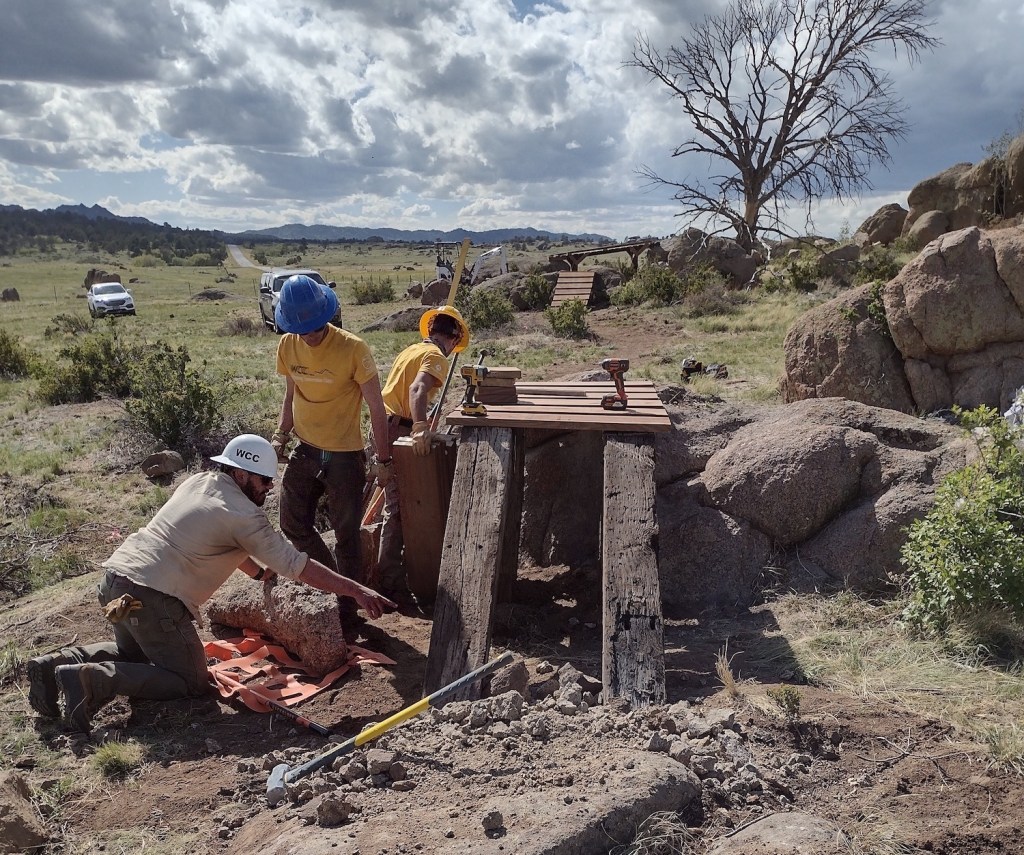
A consequence of inadequate bike trail inventory, he continued, is the building of rogue trails, which can degrade the landscape. And, he noted, “bikers have expressed a willingness to pay a small fee, IF the funding goes to trails, which it would under this bill. We have not heard the same support from hikers and equestrians yet.”
Jerimiah Rieman, an avid mountain biker and author of the guidebook “Wyoming Singletrack,” has that willingness.
“I’m favorable to paying a fee if I understand that those fees are going back to mountain bike or trail-specific needs, whether that be construction, maintenance and other features that come with those trails,” Rieman said. If he had any feedback for the proposal, he said, it would be to expand the fee system to a larger network of registered trails outside state park lands.
Mounting demand
Outdoor recreation has been growing in popularity in Wyoming for decades, with the COVID-19 pandemic accelerating that trend as it spurred more Americans to spend time outdoors.
That uptick brought record visitation to national and state parks in Wyoming and generated significant trickle-down revenue to shops, restaurants and hotels in the state.

It has also generated a demand for new outdoor offerings, especially bike-related ones. But those aren’t cheap: Trail construction costs about $100,000 a mile, experts say.
Wyoming in 2023 created a trust fund specifically to pay for outdoor recreation infrastructure. However, the trust fund will take some time to mature, Floyd said.
That’s where a user fee could come in. Wyoming has a robust motorized trails system designated for snowmobiles, side-by-sides and other vehicles with motors. Motorized users pay a fuel tax that helps fund projects, while snowmobilers and OHVs pay a permit fee for a decal, which helps pay for the establishment, maintenance and grooming of trails. Federal funds also support those projects.
State Parks wants to essentially adapt that model for non-motorized recreation, with a focus on bikes. The bill enables the agency to determine which park trails to charge fees for. It won’t make sense for all parks, Floyd said.
But two of the state’s most popular are also mountain biking destinations. Curt Gowdy located between Laramie and Cheyenne, which is home to 35 miles of trails, tallied roughly 560,000 total visitations in 2023. Glendo State Park, east of Casper and home to more than 45 trail miles, hosted 483,000 that year.
If Wyoming enrolled its top three parks for bicycles right now, Floyd said, “we would see about $110,000 a year” in fee revenue. The state could expand the program in the future if it sees fit, he said.
The bill also enables the agency to fund projects in the parks as well as within five miles of their boundaries. That allows it to potentially partner with land managers or other entities on projects, Floyd said.
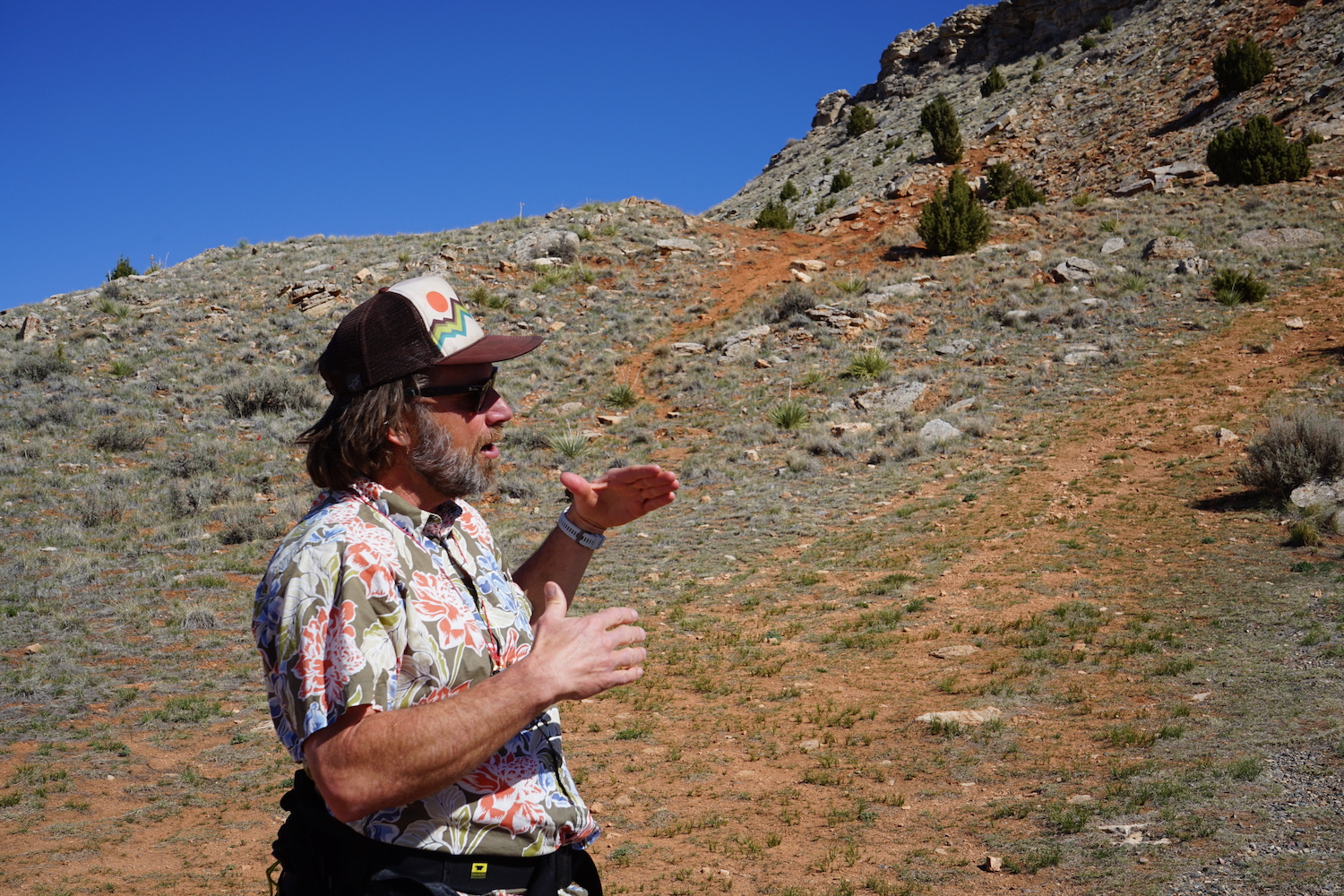
Michael Kusiek, executive director of Wyoming Pathways, supports the proposal. He called the demand for trails in Wyoming “tremendous” and noted that when outdoor recreation infrastructure grants were opened in 2022, more than $70 million in requests came in for $14 million in federal American Rescue Plan Act dollars. Most of those requests were for trails.
“So it’s by far and away the number one amenity folks are looking for,” Kusiek said.
More outdoor rec dollars?
When it comes to the growth of outdoor recreation across Wyoming, Floyd said, his agency continually asks itself: “Where are we going to put all these people, without harming Wyoming’s resources, and how are we going to pay for it?”
This bill, he said, provides one answer.
Legislators on the travel committee are considering another mechanism to fund outdoor recreation. During an August meeting, the panel advanced a bill that would funnel some of the proceeds from online gaming into Wyoming’s outdoor recreation trust fund.

I pay an ORV use fee, so can peddlers.
Wyoming already charges a day use fee to use state parks. So, now you want to charge a fee on top of a fee? If you want to ask for voluntary contributions to keep up the trails, that’s one thing, but we’re taxing and fee’ing people to death. I dont even mountain bike, and I think this goes to far.
The only problem with this scheme is that these trails are also used by hikers and equestrians so maybe the fee should apply to them also.
So, let’s require all “non-motorized” trail users over age 18 to purchase a trail use permit.
Those ought to be easy to put in a lanyard or in a wallet as proof that they are contributing to trail construction and maintenance.
Hikers, runners, and equestrians shouldn’t object to such a nominal expense to have access to trails.
I actually like use fees and taxes. I don’t golf, I don’t want to pay for subsidizing gold courses. I do bike and have no problem paying this fee.
the funny thing is that a majority of golf courses in Wyoming are taxpayer funded
Yes, please!! More trails!