

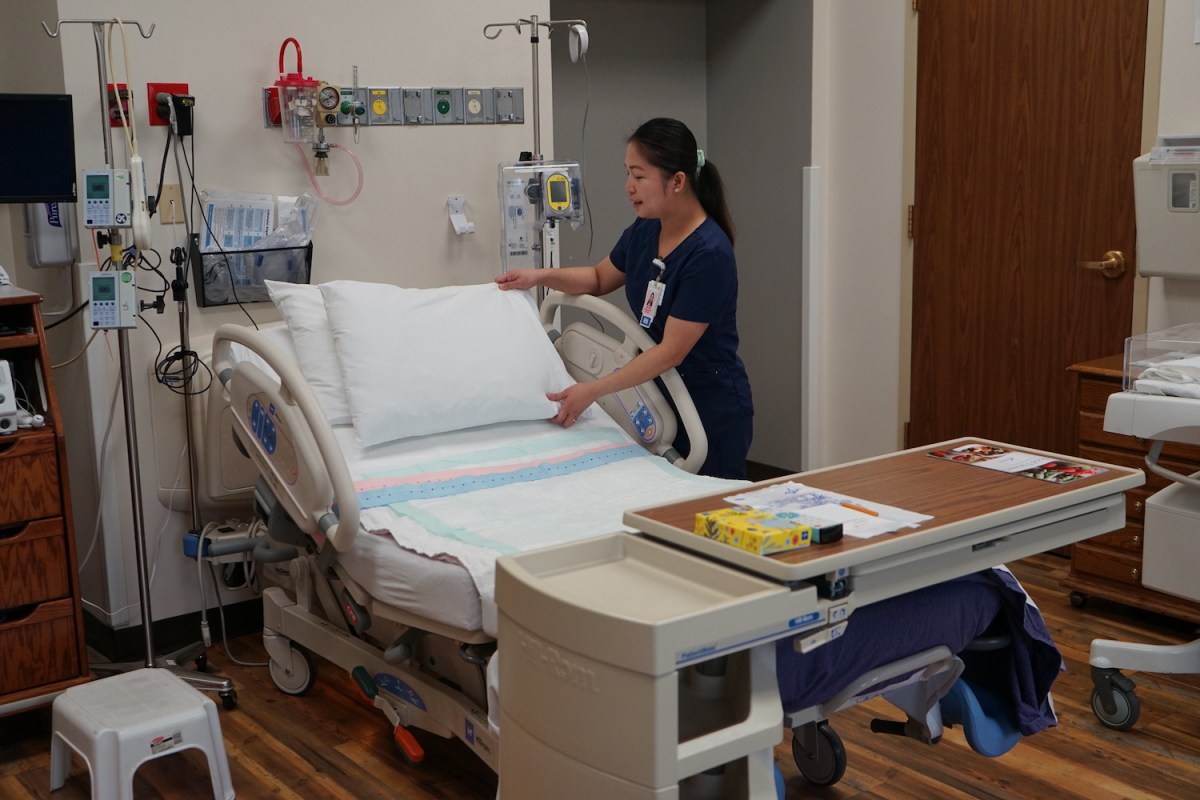
As new challenges emerge for Wyoming’s already fragile health care network, the state stands to receive up to $800 million in federal funds aimed at bolstering rural health.
Wyoming health officials have been racing around the state in an effort to collect public input on priorities before submitting an application to the federal Rural Health Transformation Program. They hope more residents will fill out a survey that’ll be open through Wednesday.
The process is on a condensed schedule, Wyoming Department of Health Deputy Director Franz Fuchs said. Health department staff held 11 public meetings in the last month. Next they will finalize the application due Nov. 5.
As one of America’s most rural states, Wyoming has plenty of needs and challenges related to its health care network — from the long distances patients travel for care to nursing shortages to affordability concerns in hospitals. Advocates expect other new health care policy changes to further hamper access.
What the health department hopes to glean from feedback, Fuchs said, are the public’s top priorities.
“We get one bite at the apple, for them to approve or deny it,” Fuchs said. With that in mind, he stressed: “We really focused on public engagement, which I think is different from a lot of states. I know certain states have not done any of this, and so I hope it pays off.”
The survey, he added, only takes eight minutes.
“We want as much participation as possible,” Fuchs said. “It’s really important for the state.”
Opportunity and loss
The Rural Health Transformation Program, created through President Donald Trump’s One Big Beautiful Bill Act, is designed to funnel $50 billion to states to stabilize and strengthen rural hospitals and providers.
Program funding is intended to support priorities like chronic disease prevention, sustaining care access, workforce development and technical assistance. Funding will be dispersed over five years.
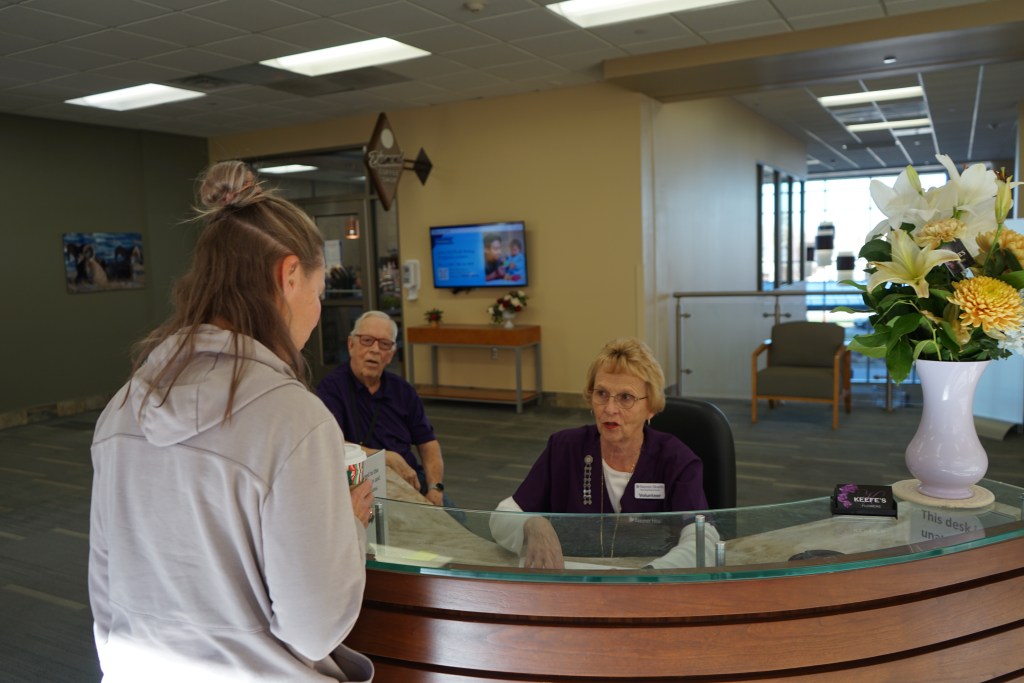
Wyoming’s congressional delegation supported the act, and Republican Sen. John Barrasso singled out the rural health program as an enormous opportunity for the state.
Health care advocates, however, don’t believe short-term funding can create or sustain solutions to make up for the state’s other shortfalls. Wyoming has long struggled with issues like a dearth of medical professionals, the precarious financial viability of hospitals and deteriorating specialty services.
Recent changes also related to the Beautiful Bill Act will only exacerbate the issue, advocates say.
The act is projected to reduce federal Medicaid spending by $793 billion over 10 years, resulting in an estimated 10.3 million fewer people enrolled nationally. That’s expected to have downstream effects. The cuts in the federal bill could cost Wyoming nearly 200 jobs per year and shrink the state’s economy by $140 million over five years, an economic analysis finds.
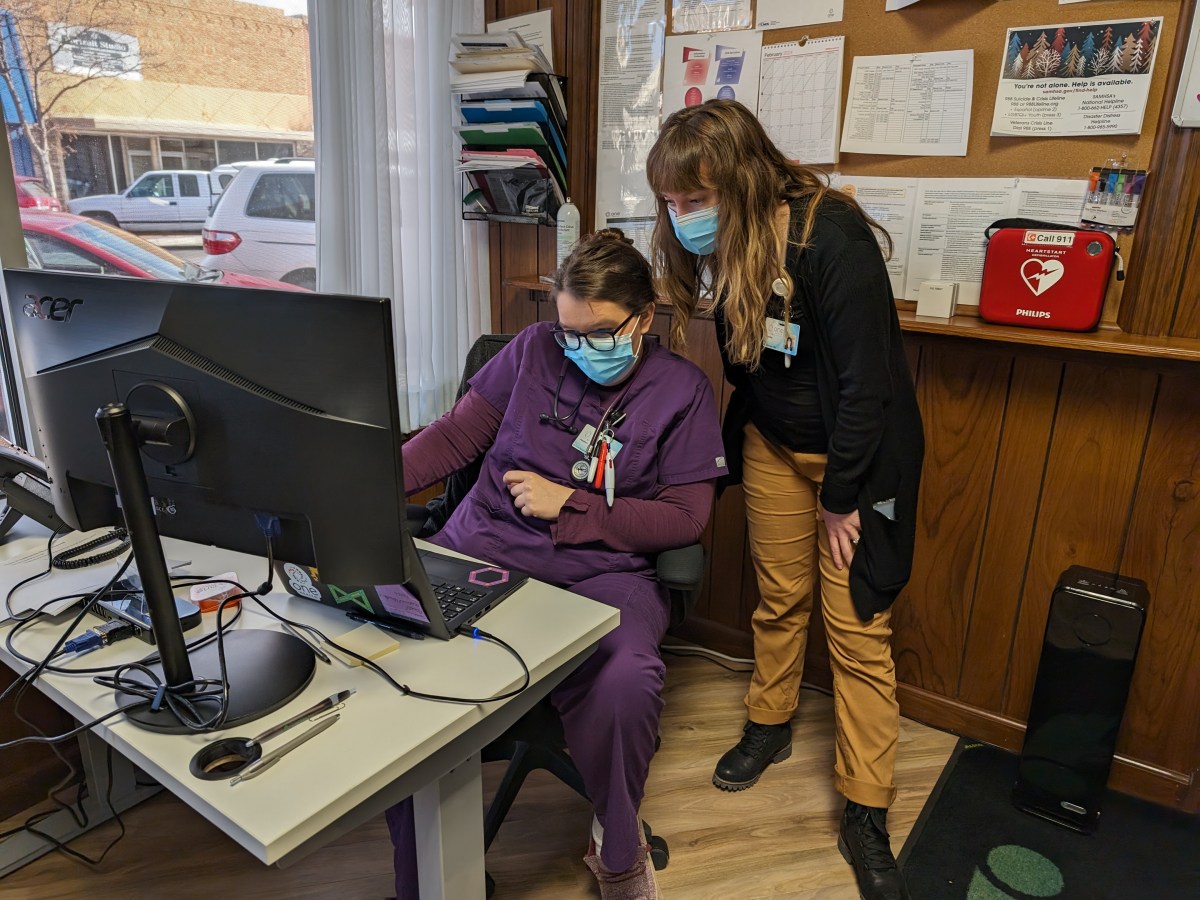
Some 46,000 state residents, meanwhile, get health insurance through the Affordable Care Act marketplace. Enhanced premium tax credits on the Affordable Care marketplace are set to expire at the end of 2025 — and the bill did not renew them. That will result in significant premium spikes for some patients.
Between 11,000-20,000 state residents are at risk of losing their coverage due to the anticipated marketplace cost increases, according to Healthy Wyoming.
High-level
Starting in September, health department staff hosted eight in-person and three virtual meetings on the topic. Meetings took place from Newcastle to Lander, Buffalo to Saratoga.
Rather than requesting detailed solution proposals, Fuchs said, the federal application asks for “pretty high-level” data on state demographics, current health insurance coverage and chronic conditions. Health department staff, he added, has focused public outreach on narrowing priorities so it can outline strategic initiatives.
People aired all kinds of concerns in the meetings, he said, including workforce shortages, preventative health choices, maternity care gaps and behavioral health needs.

Residents who take the survey also will be able to weigh in on the importance of things like hospital accountability, mobile health units and transportation options for getting to care.
Though a significant opportunity, Fuchs said, he is cautious about the federal program’s potential to truly transform Wyoming’s health care landscape.
“I think we want to be realistic,” he said. “$500 million over five years, it’s certainly nice and we want to be responsible stewards of that money and try to make it go the farthest it can. At the end of the day, we’re just hoping to do the best we can with the money, make sure that it goes to good use and try to make these as sustainable as possible.”
The Wyoming Department of Health aims to get the application to Gov. Mark Gordon by Oct. 27 for review before the Nov. 5 due date.

Why are there no nurses to check in on older Wyomingites? There are no private agencies in Wyoming to help us sixty somethings care for our ninety something parents. The one nursing home charges thousands of dollars a month for each resident, yet the place smells like urine and somewhere we do not want our mother to go.
Five hundred million dollars would put nurses in place to check in on older adults.
DHS spends their funds on education when they need to step up and fill in this gap in smaller Wyoming towns.
Is the Rural Health Transformation Program amount $50 billion over 5 years as described in the article or $500 million as mentioned in Sarah Gorin’s comment?Regardless, if the OBBBA will reduce medicare by $793 billion over 10 years AND cause many residents’ premiums to rise and many other residents to simply lose health insurance, the focus should be on the net loss to the rural health care system. That looks to be $793 billion less to those who use medicare which is nowhere close to being replaced by the $50 billion from the RHT Program, let alone the enormous costs in increased premiums. And one should note, there is no provision for the RHT Program after 5 years, but the projected hit to Medicare is for at least 10 years.
Medicare or Medicaid?
I applaud the Wyoming Department of Health for its efforts in demanding circumstances, but let’s keep the focus. Senator Barrasso’s website: “HR1 [the BBB] creates a Rural Health Transformation Program, giving Wyoming hospitals, clinics and health centers access to more than $500 million to help ensure high-quality care remains available across our frontier state.” Senator Lummis and Rep. Hageman piled on enthusiastically as all three voted to cut Medicaid and Affordable Care Act subsidies, estimated to cost thousands of Wyomingites their access to health care. Offering “access” to other funds is not a substitute even if Wyoming is successful with a proposal.
This is difficult to determine now prior to what cuts will be to the Department of Health in the upcoming budget session.