

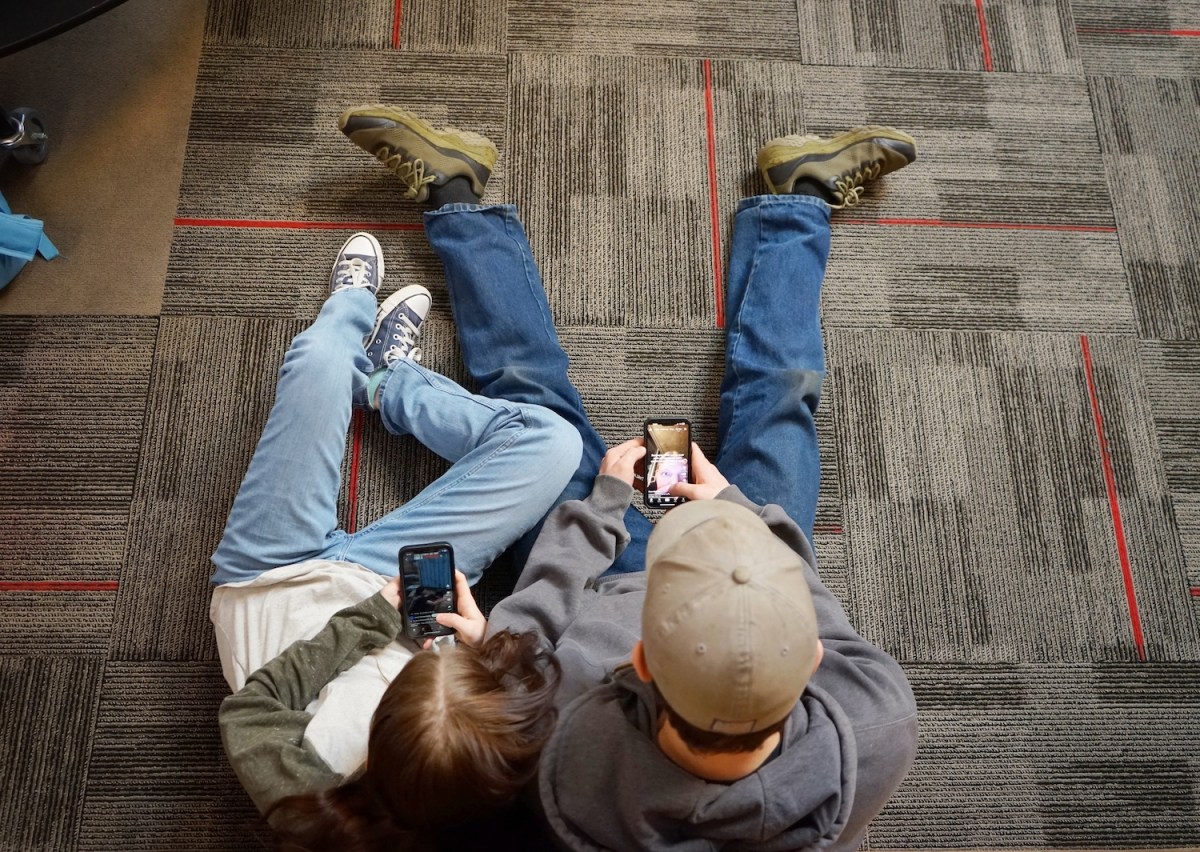
Last year, Sen. Wendy Schuler, an Evanston Republican and retired teacher, brought a bill in the legislative session that would have required Wyoming school districts to adopt policies prohibiting cellphone use in classrooms.
It didn’t get far. Lawmakers expressed opposition to its implications on local control, among other things, and the measure died on the Senate floor.
Schuler is taking a second crack at the concept this session. Her new iteration, Senate File 60, “School district-cell phone and smart watch policies,” takes a more nuanced approach. The bill would require districts to adopt cellphone and smart device policies — not bans.
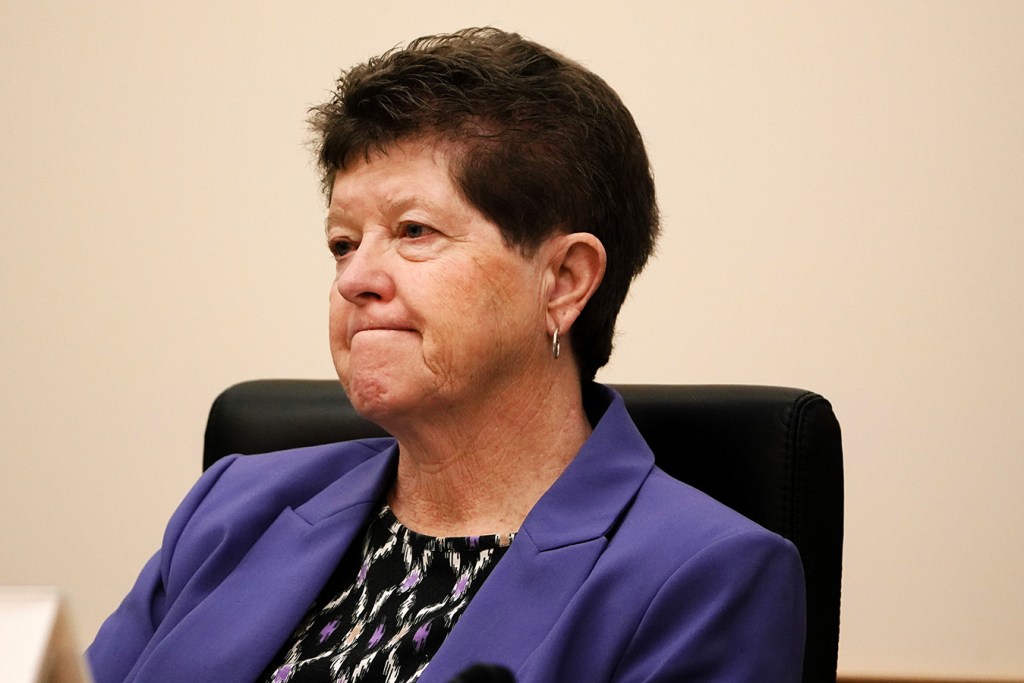
“I followed the wishes of my senators and said, ‘Let’s let each district decide how they want to go down this route,” Schuler told colleagues on the Legislature’s Senate Education Committee on Wednesday. “You know, what works best in Farson might not work best in Cheyenne.”
The committee voted unanimously to advance the bill, which now moves to the Senate floor for consideration.
The bill comes as states, school districts and schools across the county wrangle with how to manage the use of personal devices in the classroom as problems arise with distraction, cyberbullying and inappropriate content.
About 25 states have adopted full-day cellphone bans in schools. Many others have policies that restrict them in some manner. There is ample evidence showing negative impacts of personal devices and social media on children and teenagers, Schuler said.
“This is why I brought this bill,” she said. “We need to have everybody come up with something, because, as you all know, it’s a problem.”
A better bill?
After Schuler’s 2025 bill died, she went back to the drawing board. She surveyed about a dozen Wyoming districts to see what policies they had and what they thought of a state law.
Most had adopted district-wide policies dealing with smart devices. Even the ones that didn’t have a cellphone policy were moving in that direction, she said.
So instead of pursuing a statewide ban, Schuler said, she opted to go the route of just mandating districts develop their own policies.

“What we hope for is they would try to have some dialogue with their students, with their administration, with their school board, with the people in their communities, and to try to find out what works best for their community,” she said.
That will allow districts to personalize policies. Some, for example, have medical exemptions for students with special needs.
Sen. Chris Rothfuss, D-Laramie, commended Schuler for her new bill. “I think this is exactly the right approach,” he said. He suggested using a broad definition of “smart devices” to cover the future evolution of gizmos like watches and glasses that can connect to the internet. The committee approved the amendment.
Word on the street
One of the districts Schuler talked to, she said, has implemented what’s known as a “bell-to-bell” policy: Students can keep devices in their lockers or backpacks during school hours but cannot get them out at all.
“I talked to some of the teachers to see what they thought about it, and they said, ‘You can’t believe how well this is working,’” Schuler related. Kids are communicating person-to-person in ways they were not before, the teachers reported, “and discipline problems are down a lot. They’re excited to see where their test results might be.”
School districts support the bill’s approach of involving the local education community, said Brian Farmer with the Wyoming School Boards Association.
Sen. Jared Olsen, R-Cheyenne, said he has also heard from teachers since the bill draft came up last year. He noticed a common refrain in districts like his local one.
“There are already policies in place, but the teachers don’t have backup from administrators to enforce the rules, so then they don’t enforce the rules,” Olsen said. “And I think having this in statute will encourage administrators to back up their teachers. So I really appreciate the bill.”
Sen. Evie Brennan, R-Cheyenne, recently spoke to students from Cody whose school bans device use in classrooms, she said. When she learned the students supported such bans, she asked why.
“And they said, ‘we’re more focused. We can learn. The environment [is] better,” she recalled.
For more legislative coverage, click here.

Leave the phone at home. Or put it and leave it in your locker the entire day, retrieve when you are leaving when the bell rings.