

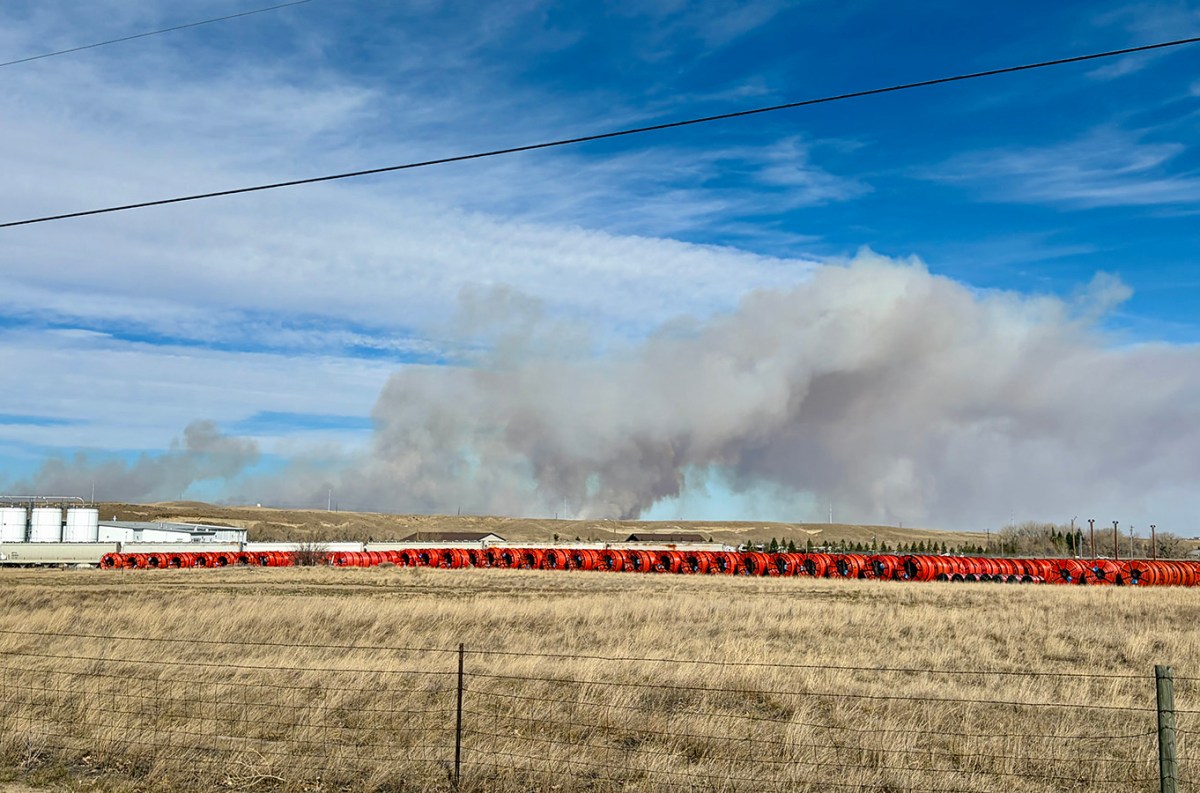
With vegetation cured and temperatures warm, Wyoming’s wildfire season started off early and, well, fiery.
Although it’s technically been winter and early spring, the first three months of 2026 have been unseasonably warm and snow-free to a historic degree.
“Wyoming has already been experiencing a fire season this year, as approximately 240 fires burned 12,450 acres,” State Forester Kelly Norris briefed the State Board of Land Commissioners on Thursday.
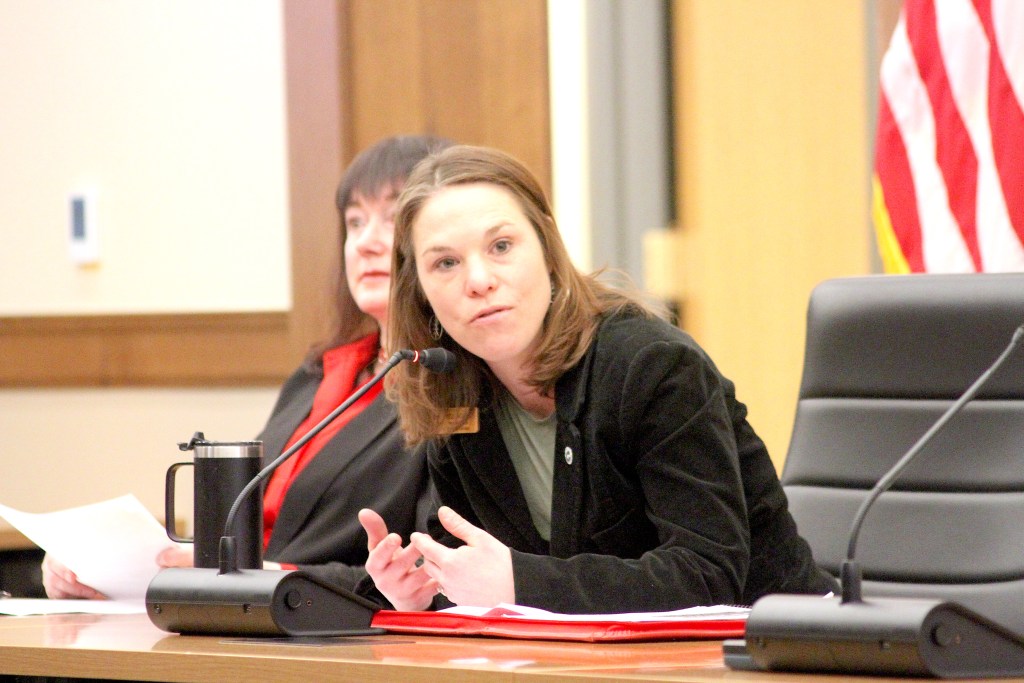
“We’re tracking double the number of wildfires and six times the number of acres burned compared to last year.”
Wyoming is also burning at a faster pace than in 2024, she said, which was the second-largest wildfire season on record.
Norris tipped her hat to firefighters across the state who have kept blazes “small and contained.” With a couple of exceptions — most notably the 2,542-acre Porcupine Creek Fire near Wright and the 6,200-acre Sandpiper Fire northeast of Casper — Wyoming has avoided large wildfires sweeping over the landscape, like the historic spring fires in Nebraska.
Dry and windy conditions
Spring fires aren’t atypical in Wyoming, Wyoming State Forestry Division Fire Management Officer Jerod DeLay told WyoFile. But this year, he said, the fire potential is “amplified a little bit” because of the historically low snowpack, particularly in lower elevations, coupled with “some exceptionally warm and windy days.”
“I can’t remember when we’ve had a year with the snowpack that we’ve had,” DeLay said. “I remember years where we had an early snow melt. But we always had snow off and on throughout the winter, to where, even if it did melt early, there was moisture around.”
J.R. Fox, president of the Wyoming Fire Chiefs Association and deputy chief of the Campbell County Fire Department, noted that the winds are unusual as well. “I don’t recall having to deal with this much wind in previous winters,” Fox told WyoFile. “So all those combinations, all those things are going to affect our fuel moistures.”
In other words, conditions are ripe for major acreage catching ablaze.
Some 82% of Wyoming was in a state of drought as of late March, Norris said, and another 16% of the state was classified as abnormally dry. Temperatures are expected to remain above average in April and May, she added.
As of Monday morning, 13 of Wyoming’s 23 counties had already implemented “stage 1” fire restrictions, which prohibit campfires among other precautionary measures.
Preparing for fire season
DeLay said these conditions have spurred conversations about potentially bringing in more out-of-state resources like aircraft and tanker bases and starting an aviation contract earlier than normal. The state typically starts two aviation contracts in June, then adds more in a staggered manner, according to Fox.
There have been discussions, he said, about staggering in some contracts starting in May. “Historically, April and May are the wettest months in Wyoming,” Fox said. “So I think a lot of that is going to be a bit of a ‘wait and see.’”
On red flag warning days, Fox said he brings in people who are off-duty to staff up extra wildland firefighting trucks. “We’re going to have to do those kinds of things throughout the summer,” Fox said, “because our fuels are critically low as far as fuel moisture goes, and we’re seeing those high winds. So it’s just a recipe for rapid fire growth.”
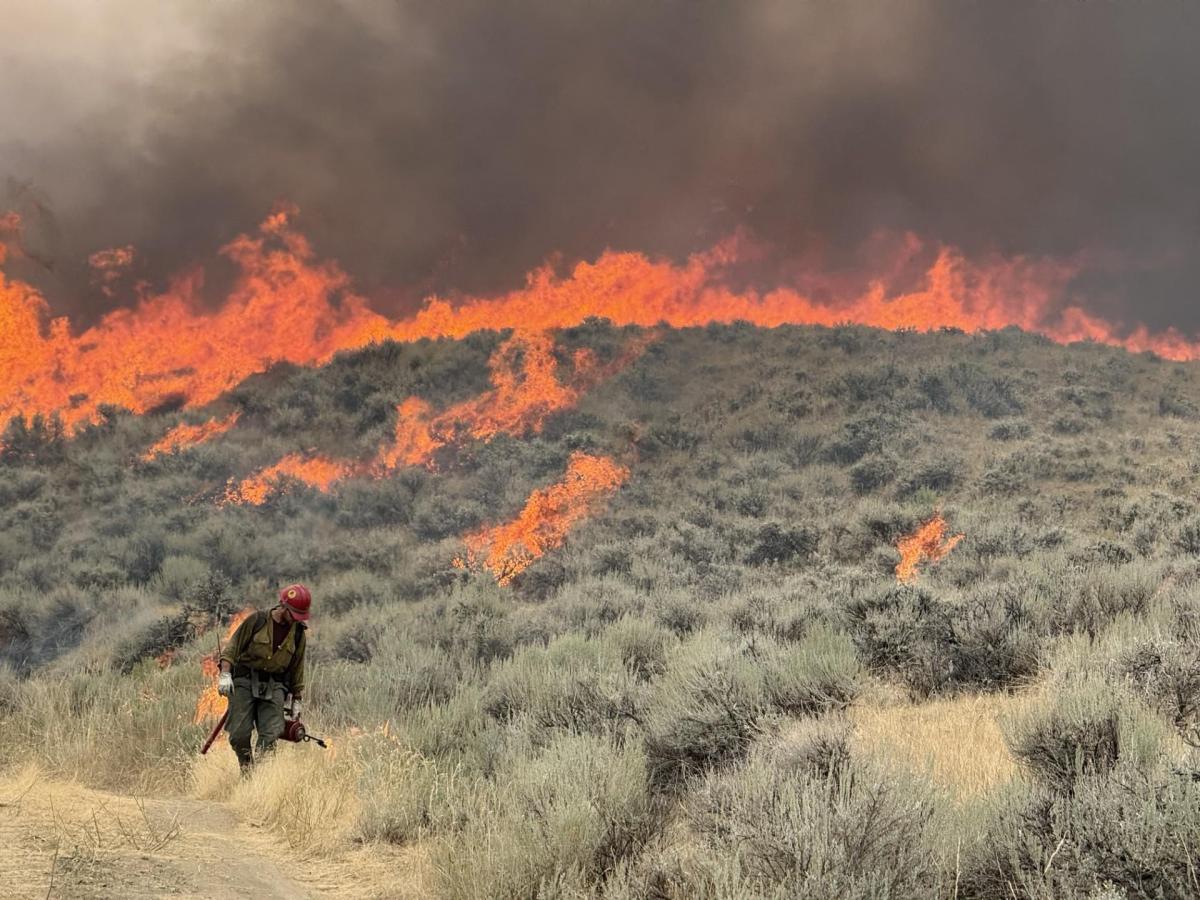
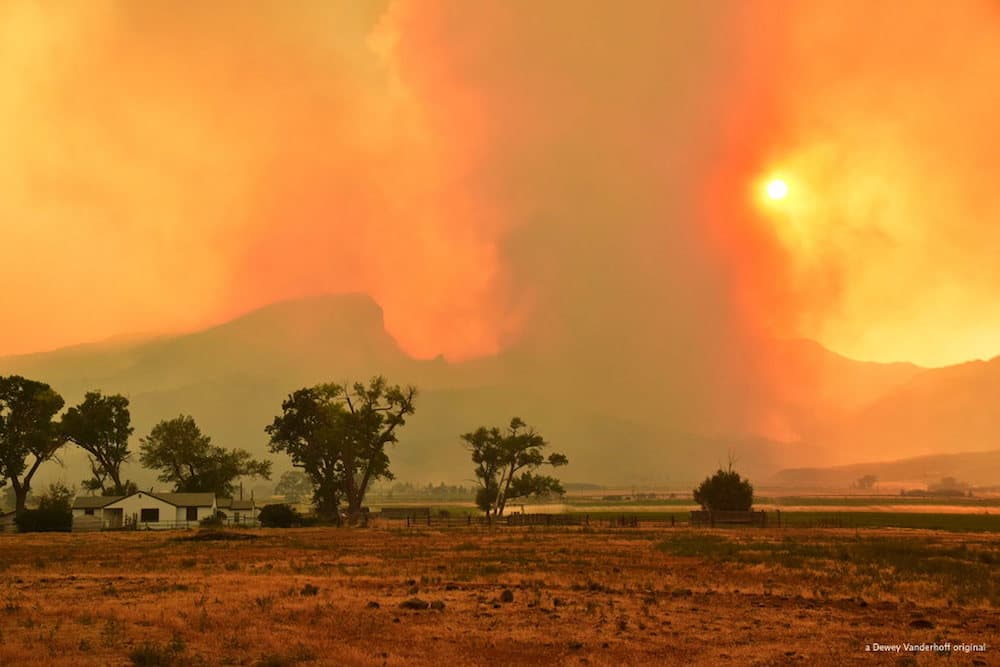
Wyoming also staffed up its firefighting capacity on the front end of what’s shaping up to be an active wildfire season. Lawmakers appropriated $5.1 million so Norris and state land managers could hire Wyoming’s first two professional wildland fire crews.
“Vehicles and supplies are being purchased, office and living space are being secured in Lander and Douglas,” Norris said. “Job announcements are being finalized.”
The state firefighting positions should be posted by early this week, she said.
“The new modules will make a significant difference in keeping wildfires smaller, reducing those wildfire costs and saving homes, infrastructure, natural resources and human lives,” Norris said.
Fire resources
Fox pointed to information resources people can use to prepare for fires.
The “Ready, Set, Go!” program, for example, helps people prepare for potential fire evacuations. “That’s the system we use when we have to send out evacuation notices so everybody could be in that ready state,” Fox said.
That means identifying items that you need to bring with you on short-term notice, like medications, important documents and pet food, and being prepared to evacuate if there is a fast-moving fire. Firewise USA also provides recommendations for protecting homes from wildfire damage, such as using fire-resistant building materials and maintaining landscapes.
