

As hurricane-force winds ripped across Wyoming in recent months, uprooting trees in Cheyenne and tipping semitrucks along Interstate 80, electric utilities scrambled line crews and warned customers their power might be cut as a precautionary measure to prevent wildfires.
Some 370 Black Hills Energy customers in the Harriman and Curt Gowdy areas west of Cheyenne, for example, received such notices on March 14, and power for some was cut off for a short period until conditions improved.
“Have a backup plan for medicine that needs to be refrigerated or medical equipment that is powered by electricity,” the company advised in emails and social media posts. “This could mean finding a place to go during an outage or having a backup generator.”
The “emergency public safety power shutoff warnings” are not new, but they appear to be more frequent than usual, coinciding with unseasonably hot, blustery conditions that worry electric utility companies. The same wind gusts that can knock down a power line can fan a wildfire to tragic proportions. One person died in a massive wildfire driven by hot winds in Nebraska this month.

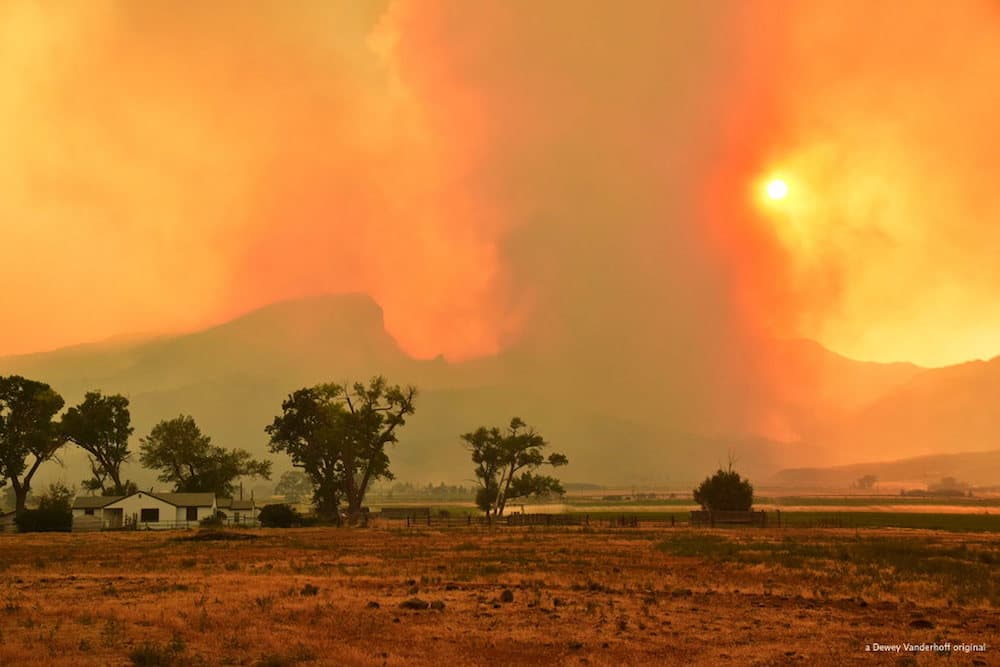
Though Wyoming has dodged catastrophic wildfires so far this year, the state faces a particularly precarious situation. Multiple wildfires have already scorched parts of the state. Red flag warnings — which are based on a calculation of dry vegetation and sustained high winds — note favorable wildfire conditions, and they typically begin in May, according to the National Weather Service’s Riverton office. This year, Wyoming saw its first red flag warning on Feb. 15.
“That’s the earliest on record that we’ve issued,” meteorologist Lance VandenBoogart told WyoFile Monday, adding that the office has issued five red flag warnings so far this year. “If this pace continues, we’d be on pace to break a record this year.”
Power companies are increasingly worried about sparking a blaze and getting sued.
Western utility giant PacifiCorp — which operates as Rocky Mountain Power in Wyoming, Utah and Idaho — has been selling off assets in Washington and Oregon, the result, some speculate, of compounding jury awards related to the company’s alleged role in wildfires that ravaged portions of Oregon.
Another increasing financial risk is skyrocketing insurance premiums for power companies. Colorado-based Xcel Energy noted a 300% jump in “excess liability insurance” costs last year in the wake of its alleged role in the “wind-driven” 2021 Marshall Fire, which destroyed nearly 1,100 homes. Similarly, Rocky Mountain Power has cited rising insurance rates — nearly 300% in one year — in Wyoming.
“We’re just one wildfire away from bankruptcy if we don’t have liability relief,” Wyoming Rural Electric Association Executive Director Shawn Taylor warned Wyoming lawmakers in 2024.
The industry’s impassioned push eventually convinced state lawmakers to take action.
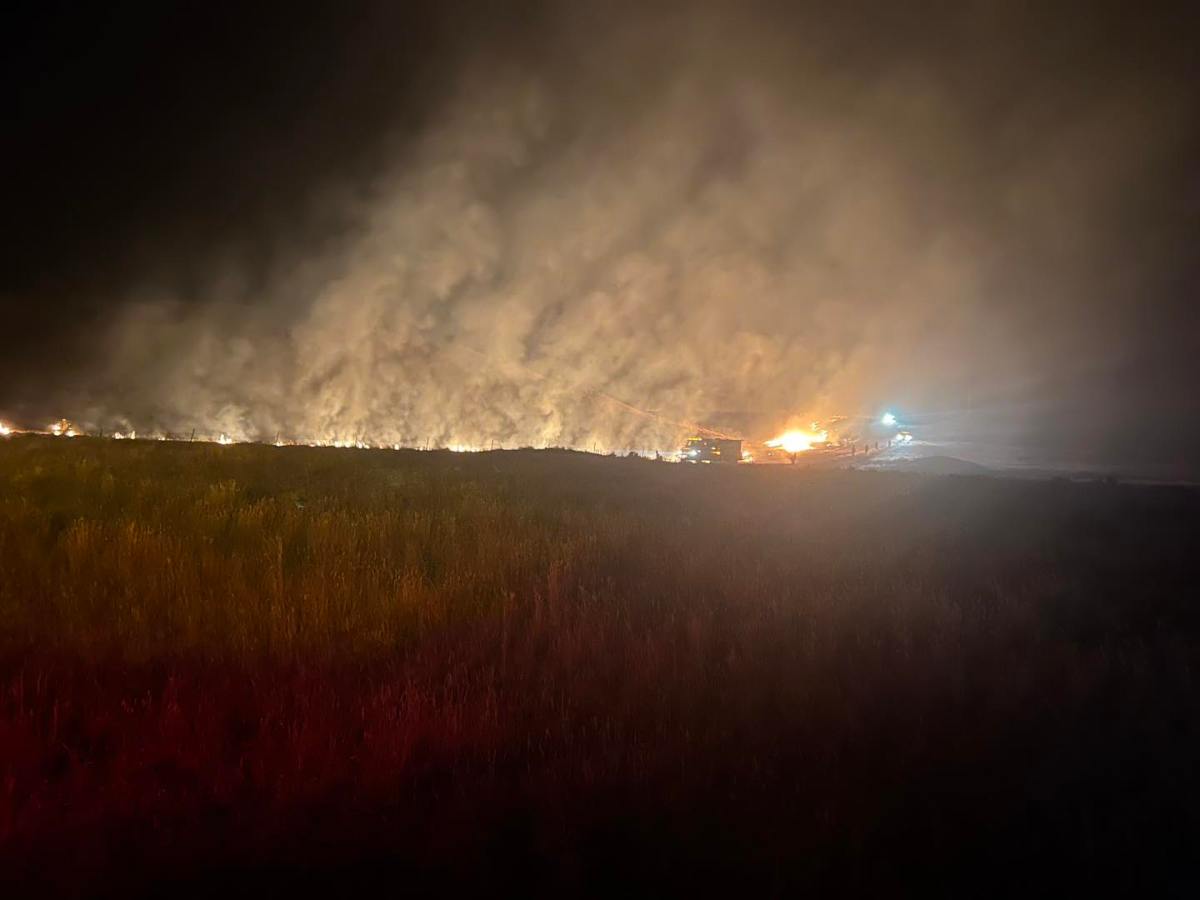
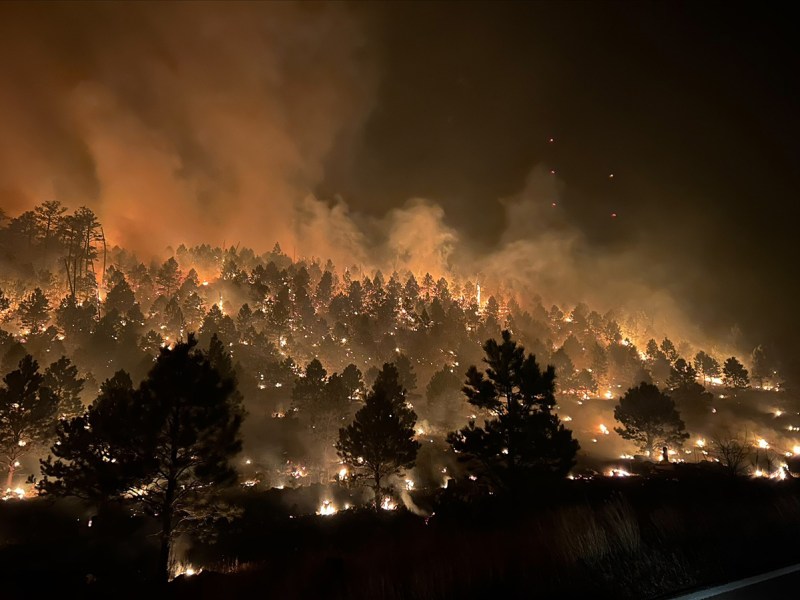
Last year, the Legislature passed House Bill 192, “Public utilities-wildfire mitigation and liability limits.” The law restricts what wildfire victims can claim damages for when an electric utility sparks a blaze. As part of the bargain, electric utilities are required to invest in and maintain more stringent wildfire mitigation strategies — from modernizing aging equipment to more proactively implementing preemptive shutoffs like the one west of Cheyenne this month.
“I think it’s just the utilities trying to be a little more proactive,” Wyoming Office of Consumer Advocate Deputy Administrator Justin Ballard told WyoFile. “Certainly, given the weather conditions that we’ve seen here — I’ve lived in Laramie since the early ’90s, and I’ve never seen so little snow.”
To qualify for immunity under HB 192, utilities must file a new wildfire mitigation plan, and the plan must be approved by the Wyoming Public Service Commission. The panel has approved only a “handful” of plans so far, and many more are now under review, according to the commission’s Secretary and Chief Counsel John Burbridge.
Utilities are not the only ones flirting with rising insurance rates.
“It’s applicable to everyone, and some of the small-business owners are the ones that are having the hardest problems,” Wyoming Insurance Commissioner Jeff Rude told WyoFile. “We can say, pretty confidently, across the board, the higher fire risk has been [a cost factor] for several years now, and it’s becoming more and more costly and harder to obtain.”
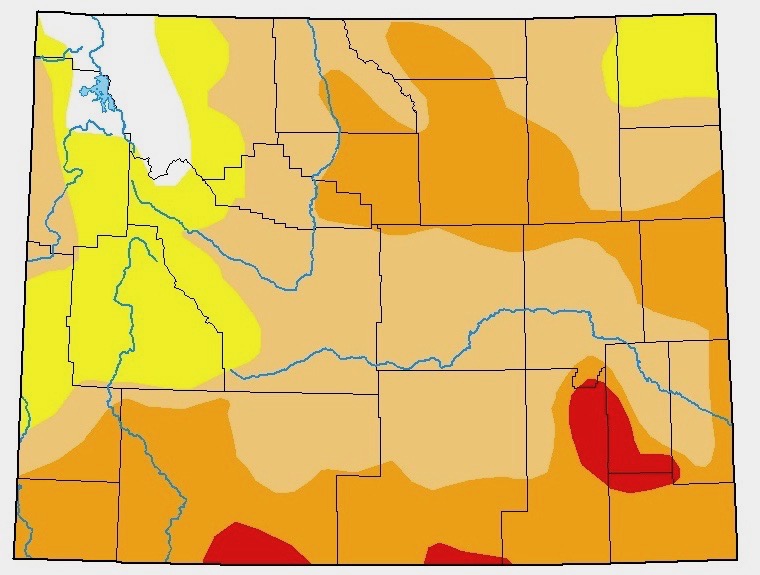
Meantime, most of Wyoming is experiencing moderate to severe drought conditions with little precipitation to help make up what was considered a “snow drought” this winter. The spring outlook isn’t promising relief. “The highest likelihood of enhanced warmth ranges from the Southwest to the Inter-Mountain West,” the National Oceanic and Atmospheric Administration noted in its most recent outlook.
Meteorologists in Cheyenne and Riverton say Wyoming is in for another red flag warning on Wednesday.

You know what is strange.
Power companies never used to do this, and I dont remember fires being caused by downed lines until around 10 years ago.