


From afar, conservation biologist Joel Berger has tracked Wyoming’s long-lasting attempt to designate a migration corridor used by pronghorn that seasonally trek upwards of 150 miles from Interstate 80 all the way to Grand Teton National Park.
In the early 2000s, Berger, then a Jackson Hole resident, was among the loudest voices urging land and wildlife managers to take steps to ensure that pronghorn could continue moving across a fragmented landscape that was on the front end of the Pinedale Anticline and Jonah field natural gas boom.
In 2003, Berger authored a paper provocatively titled, “Is it acceptable to let a species go extinct in a national park?” That came at a time when then-Wyoming Gov. Dave Freudenthal was wary about protecting the southern reaches of the corridor — a hesitation shared by Sublette County elected officials and the Bureau of Land Management. Safeguards for the migrating pronghorn stalled except in the northern portion of the corridor, where in 2008 the U.S. Forest Service protected some 47,000 acres via a Bridger-Teton National Forest plan amendment.
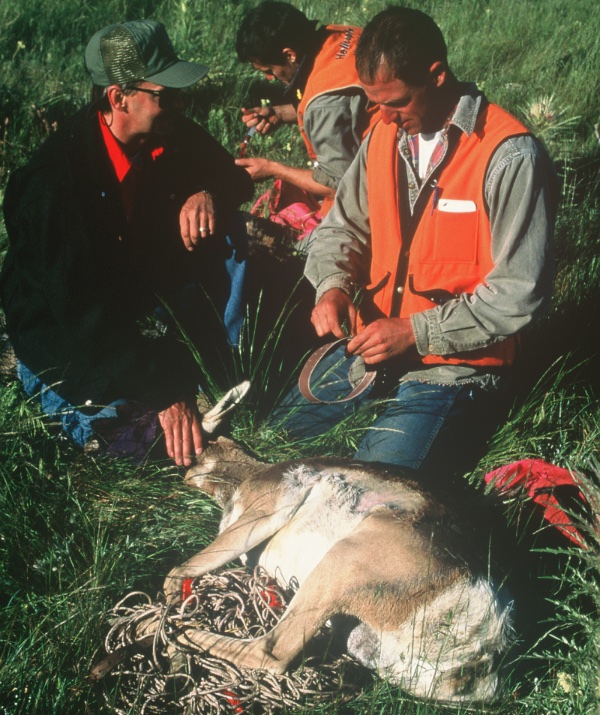
Very slowly, times changed. A continued push to conserve the perilous passages animals encounter along a route dubbed the Path of the Pronghorn overcame inertia and skepticism.
This week, Berger was enthused to see Wyoming reach the penultimate step of a state-led process for protecting the route. A Gov. Mark Gordon-appointed working group completed its review of the migration corridor, agreeing to recommendations soon headed for the governor’s desk.
“Wyoming sometimes leads, and Wyoming sometimes lags way behind,” Berger told WyoFile. “It’s really nice to see Wyoming, after a quarter of a century, step up and formally declare how important migration corridors are.”
In Pinedale, where the 11-person stakeholder group convened Friday, audience members shared their appreciation for a process that’s almost done.
“I know it doesn’t feel like it — working through Google Docs in real time — but this is actually a historic moment,” Wyoming Outdoor Council staffer Meghan Riley told the working group. “This is the first time that the state has ever gone through the full designation process under the executive order. And it’s the very first time the state has ever tried to do this for pronghorn.”
“I hope you can all pat yourselves on the back,” she added, “and feel good about tackling this.”
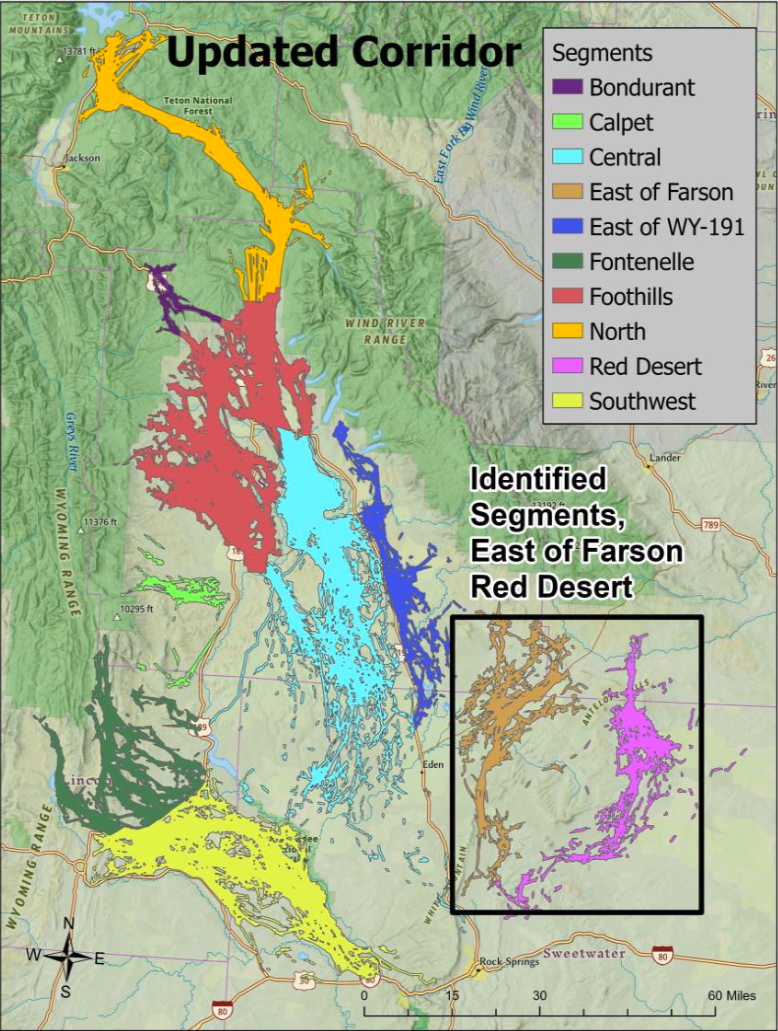
Green River resident Bill Ames, a retired land surveyor who’s been a spokesman for the migration, was also effusive. He praised a plan that’s particularly permissive of development and “isn’t going to hurt” economically, yet still protects an “iconic species of Wyoming.”
“What an achievement,” Ames said. “I had no expectation that this would come out this way, this fast, with a very diverse group. Thank you.”
Division over designating the corridors used by the highly migratory Sublette Pronghorn Herd has been a through line of the protracted process. Over seven years ago, extractive industries, counties and agriculture-oriented groups coalesced to halt Game and Fish’s first attempt to protect the landscapes the herd migrates through. In the aftermath, Gordon introduced, via an executive order, a new migration policy that created the process with the working group.
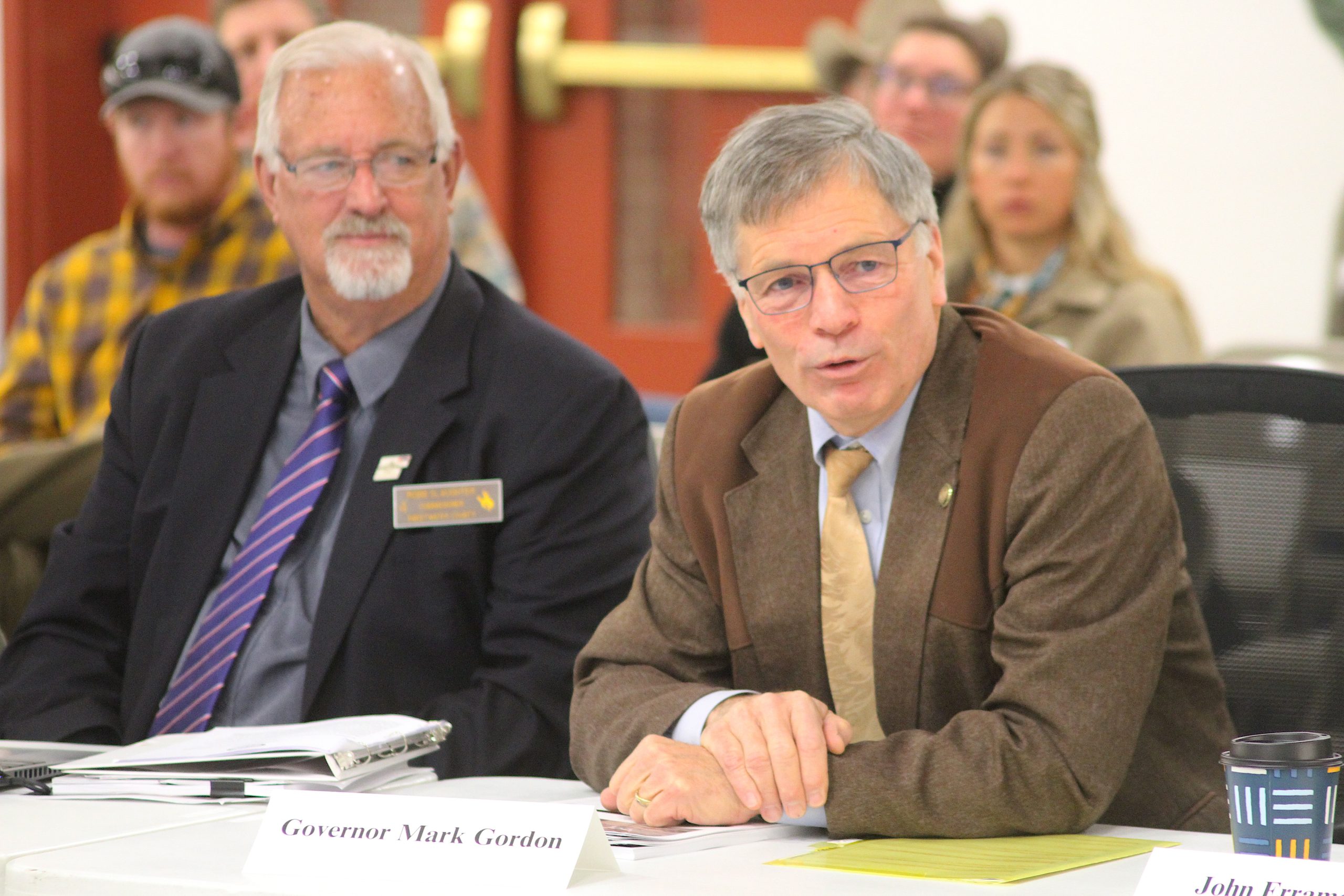
The process culminates in a decision by Gordon or a future governor.
Sara DiRienzo, Gordon’s deputy policy advisor, explained to the working group that she’d be cleaning up the final set of draft recommendations that members fine-tuned on Friday and would give them one more chance to catch typos and make small changes. Then, she said, they’d get presented to the governor “for his review and decision.”
Some resistance to designating the migration corridor remained from industries and counties until the end.
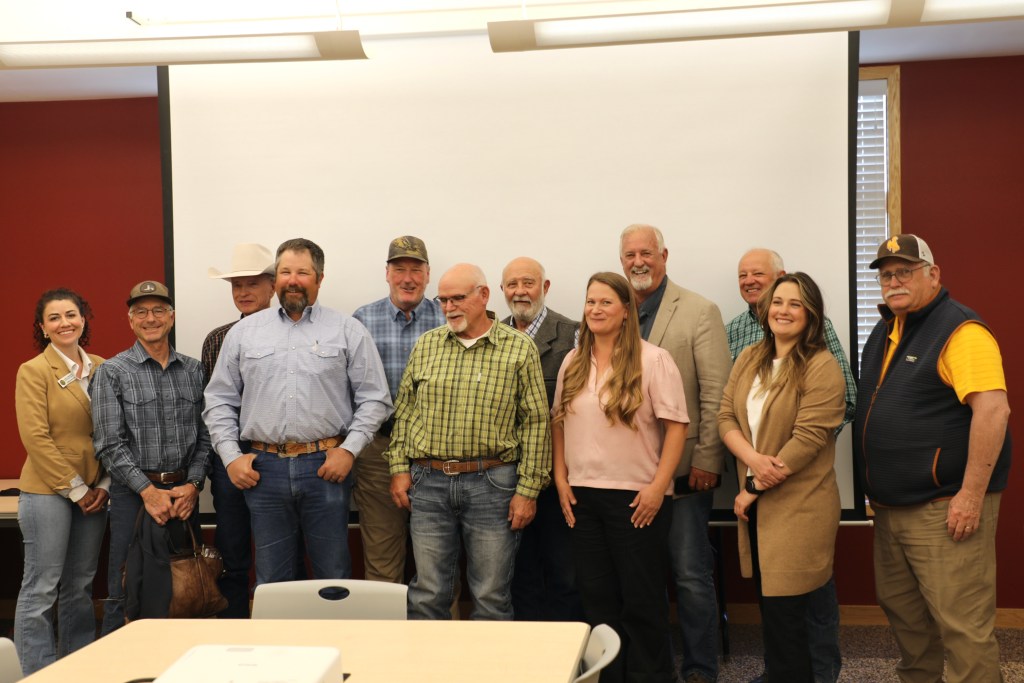
At the onset of Friday’s meeting, working group member and Sublette County Commissioner Lynn Bernard clarified that his elected body still had reservations about designating the route.
“The position of the county [is] we’re thankful, but we’ll control our own county,” Bernard said.
Ultimately, however, none of the 11 working group members voted completely against the idea of designating the migration corridor.
One member, oil and gas industry representative Jasmine Allison, voted to let the designation go forward with “serious reservations.” Two others, agriculture industry representative Mike Henn and mining industry representative Craig Rood, voted to designate “with reservation.” The other eight members were fully on board.
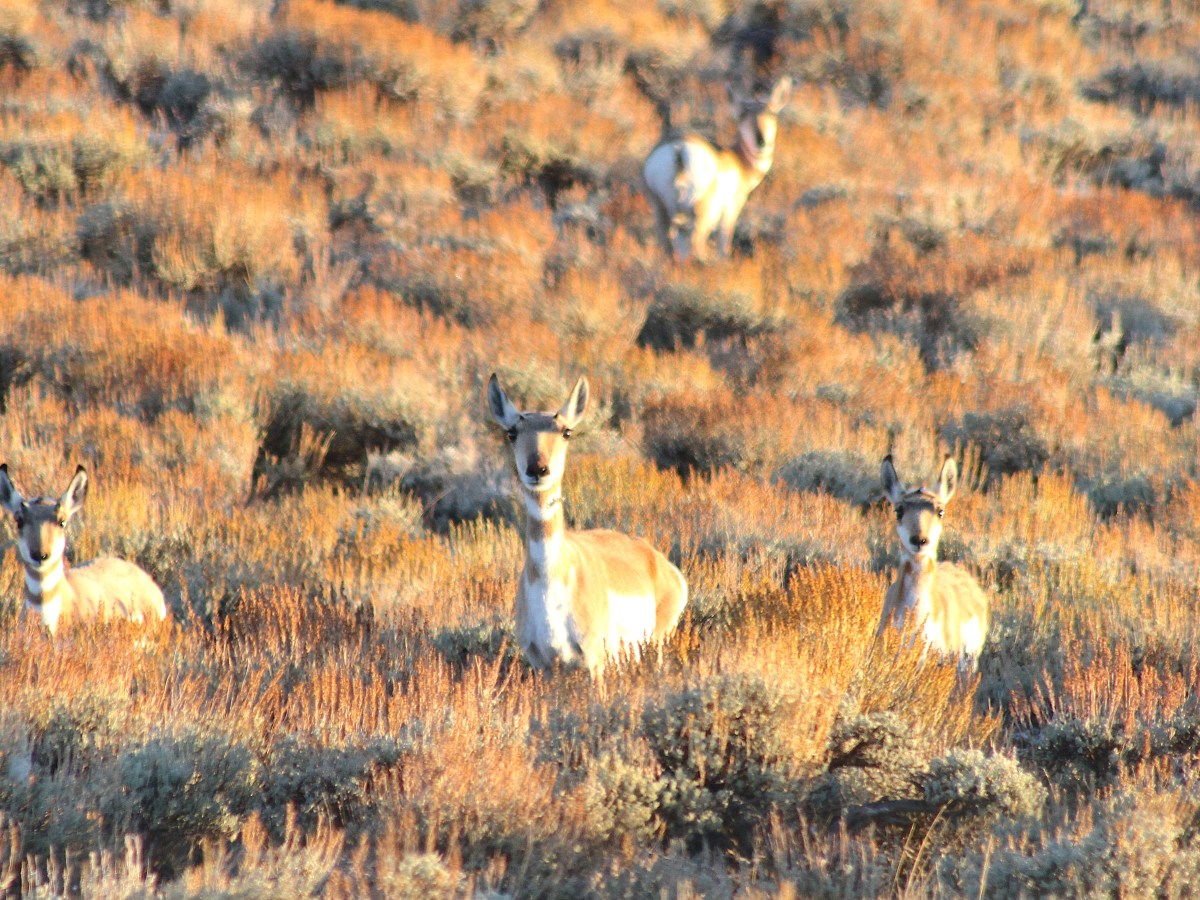
The Wyoming Game and Fish Department has not yet formally announced what mule deer or pronghorn migration is next in the queue to go through the state’s designation process. There are dozens of known, mapped routes to choose from.
In 2019, the state agency started the process of designating the landscapes used by the Wyoming Range Mule Deer Herd, though those proposed protections remain in a state of limbo.

Tremendous vision and tenacity by some fine Wyoming citizens, starting with Joel Berger. Very grateful for these efforts.
Kudos all the way around! This would not be possible without so many working together, in good faith and towards a greater good. Included among them are Joe Riis and Emilene Ostlind for their incredible early days work in the field capturing the path of a very far-ranging and iconic North American species.
Hopefully will be fully authorized and be a much needed step to support this most iconic mammal of Wyoming.
It was a good day.