


JACKSON—Grand Teton National Park employees have voted to join a union, along with staffers from 11 other National Park Service units.
The union will include employees who are not supervisors and who are not currently represented by other unions, said Peri Sasnett, an employee of Glacier National Park and the union’s interim officer. The union will include scientists and law enforcement rangers, among other staffers, Sasnett said.
“This has all made me really hopeful for the future of the park service,” Sasnett said. “It’s been kind of a dark year and a half for federal employees, so to come together to try to improve things, for ourselves and for the future of this agency, and for these places that we all care so much about, has been really, really inspiring to see.”
The unionization vote marks the latest chapter of labor history in Jackson Hole.
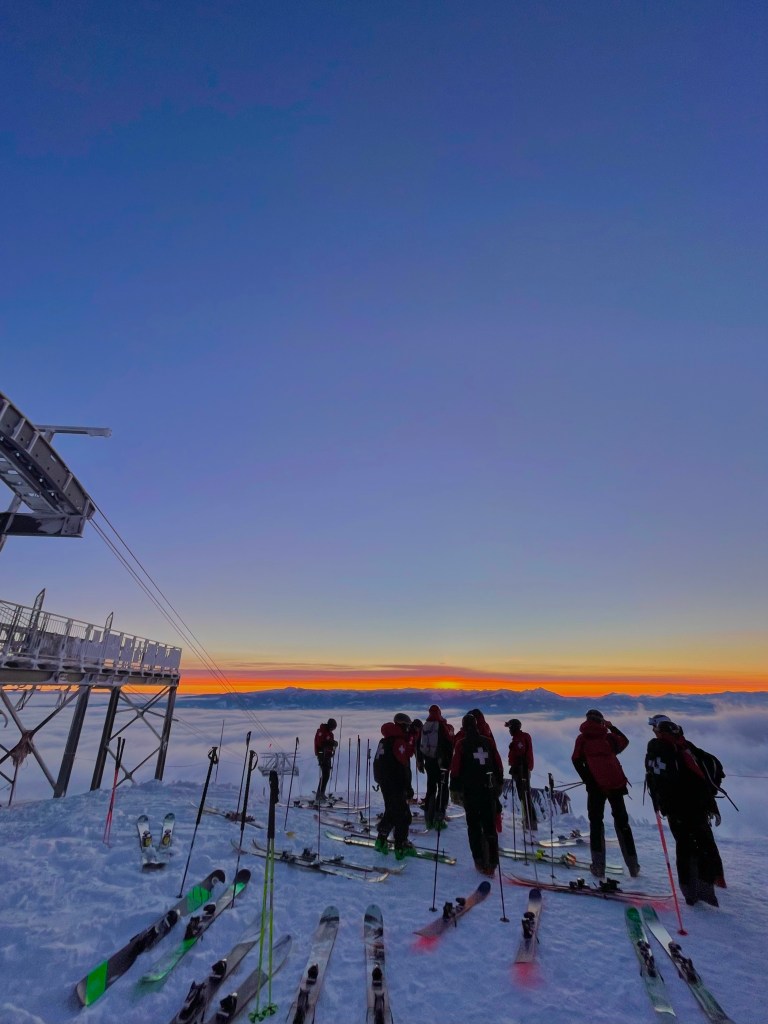
In January, ski patrollers at Jackson Hole Mountain Resort narrowly voted against unionization. But, a few miles north of Grand Teton, Yellowstone National Park rangers voted to unionize in 2023. Unions have also attempted to steer federal public lands staff through the raft of cuts and changes proposed by the Trump administration.
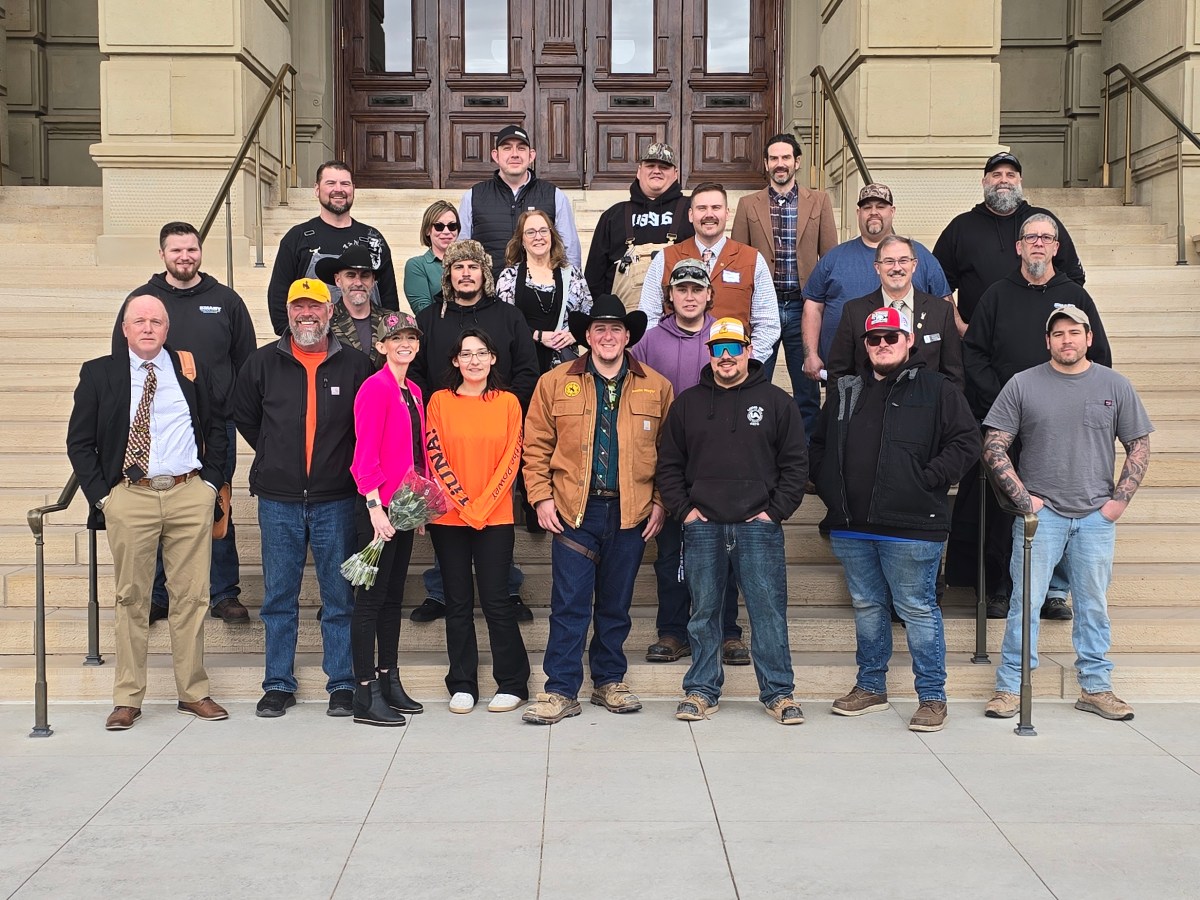
The Grand Teton union is a chapter of the National Treasury Employees Union and includes 650 employees from the park service’s Intermountain Region. In addition to Teton park staff, it will also represent workers at Glacier, Grand Canyon and Rocky Mountain national parks and the Manhattan Project National Historic Park.
Across the region, 317 employees voted in favor of unionization and 11 voted against, according to a union press release. There is no record of the vote breakdown by park unit, Sasnett said.
“No one has that information. It was a secret ballot,” she said.
The National Treasury Employees Union has two other chapters that represent park service employees.
The unionization effort began in 2025 in response to the Trump administration’s efforts to shrink the federal workforce, including layoffs and voluntary resignation offers. Unionized workers fared better than their independent counterparts, Sasnett said. Federal unions filed lawsuits against the administration.
“Those of us without a union looked around and said ‘We want one,’” Sasnett said.
Park service employees began talking to friends and colleagues, as well as staff at other parks, to figure out how to unionize.
The need for unionization runs deeper than the current administration’s actions, Sasnett said. Employees want a voice on the job to improve working conditions.
“We also are looking to make things better for workers across the park service years into the future, too,” she said. “I think that a lot of us feel like there are many ways that we could make this agency better.”
Even prior to last year’s challenges, park service employees were some of the least satisfied workers in the federal government.
The unionization comes following earlier efforts at other parks. In addition to the 2023 Yellowstone unionization, staff at Yosemite National Park and Sequoia National Park voted to unionize last summer.
Emily Davis, Teton park’s spokesperson, declined to comment on the unionization.

Remember the days when the forest service actually managed the forest had horses , mules and maintained trails . Campgrounds were always open and facilities were kept up.
The US Federal Government is too big to worry about little stuff like that. It’s easier to just close off access to the public than actually do the things they once did.
Any job funded through taxation should NEVER be unionized.
The taxpayers have zero say in negotiating contracts.
WRONG
As a tax paying citizen I have never sat in on Govt contract negotiations with an employee union to ensure MY money is being spent efficiently.
Have you Gordon?
Do you think you should control everything. Like trump?
No Gordon, just what is mine and what I produce.
Life, liberty and property. YOU, Gordon have that same right, as does every American.
The money stolen from me and every other American through taxation should at least be spent wisely, and it hasn’t been for generations.
Does everything you talk about always have to involve trump? Your obsession is not healthy.
Amen. How much in union dues will these people be paying? I have yet to hear any media outlet ask that question.
Dues are paid with employee earnings not tax dollars. Using your logic, we should be able to dictate what every contractor the is paid with tax dollars does with that money too. Once the employee receives their pay it is their money not yours and they are free to spend it how the chose.
Good for you folks. Working in the ‘right to work’ state should be the right to screw your employees state. Yes, I know this is federal and not state. Smarten up folks, unionize.