


Black Hills Energy is asking state regulators to approve a $5.1 million annual rate increase for its 2,600 Wyoming customers, the utility’s first “base rate” hike since 2014, it says. If approved, it would represent a 32% increase and raise monthly bills for the average customer by about $32, according to documents filed with the state.
The rate request applies to the company’s customers in northeast Wyoming, mostly around Upton and Newcastle. It does not apply to Black Hills Corporation’s subsidiary Cheyenne Light, Fuel and Power, which serves a large portion of southeast Wyoming.
The company cites infrastructure maintenance and upgrades for things like power lines and substations, as well as new electrical generation facilities — including wind farms and natural gas-fired power plants — increasing costs for existing coal-fired power plants and rising workforce compensation.
“We do have an increase in the cost of business that’s happened over the last 12 years,” Black Hills Corporation’s Vice President of South Dakota and Wyoming Utilities Wes Ashton said Tuesday in Newcastle.
The $32 monthly hike for most customers is “significant,” Ashton acknowledged during the public comment hearing hosted by the Wyoming Public Service Commission. “This is something that utilities have wrestled with. This is something that I have wrestled with, as far as the affordability nature of what’s going on with customers. But we did continually invest to keep our system safe, to keep our system reliable.”
A handful of Black Hills Power customers confirmed their affordability concerns at the hearing, including Debra Sewell, who works with the Weston County Humane Society. The continuous increase of the shelter’s utility bills poses a challenge for the nonprofit, Sewell said.
She’s also concerned for her elderly neighbors who live on fixed incomes.
“Basically, [we] live on Social Security,” Sewell said. “We don’t get a 30% increase in our Social Security, by any means.”
Torrington Republican Sen. Cheri Steinmetz said her constituents who live in the utility’s service territory will experience a multiplier increase — first a 32% hike at home, and again when they shop at local businesses, which would experience an increase of about 44%.
“Nobody denies that there’s a cost to doing business that’s going up every year for all of us,” Steinmetz said. “So, obviously, there’s going to be increases. It’s just, can our citizens afford to absorb that? Is that reasonable and just, or is it a little more than we can sustain at this time?”
Consumer Advocate recommendations
The Wyoming Office of Consumer Advocate is asking the Public Service Commission to approve a slightly smaller rate hike for the company, trimming the $5.1 million figure to about $3.6 million, state documents show.
The office also noted that Black Hills Energy filed the rate increase request in March, and whether the Public Service Commission approves the request in full or amends it to something smaller later this year, the company wants to apply the rate hike retroactively to May 1. But that would “skew calculations and trends by misaligning revenues [and] expenses,” the office asserted in written testimony. The office recommends an effective date of Feb. 1, 2027.
Among other recommended cuts to the proposed rate hike, the consumer advocate office is also asking state regulators to approve a lower “rate of return.” Black Hills Energy is asking for 8.13%, but the office says it should be reduced to 7.51%, which would trim about $668,000 from the company’s overall request.
Though electricity rates have increased in Wyoming in recent years, residential rates here are still about 24% below the national average, according to the U.S. Energy Information Administration. The average monthly electricity bill for residents here was about $107, according to the agency’s 2024 figures, while the national average was $142.
The Public Service Commission will schedule a full hearing regarding Black Hills Energy’s general rate request on Oct. 7 and 8. Written comments can be emailed to wpsc_comments@wyo.gov. Reference Docket No. 20002-148-ER-26 in your email.
Meantime, the commission is also weighing a general rate hike request by Rocky Mountain Power, which serves some 150,000 customers in Wyoming. That utility is proposing an 8.8% rate hike following recent increases in 2024 and 2025 totaling nearly 16%.
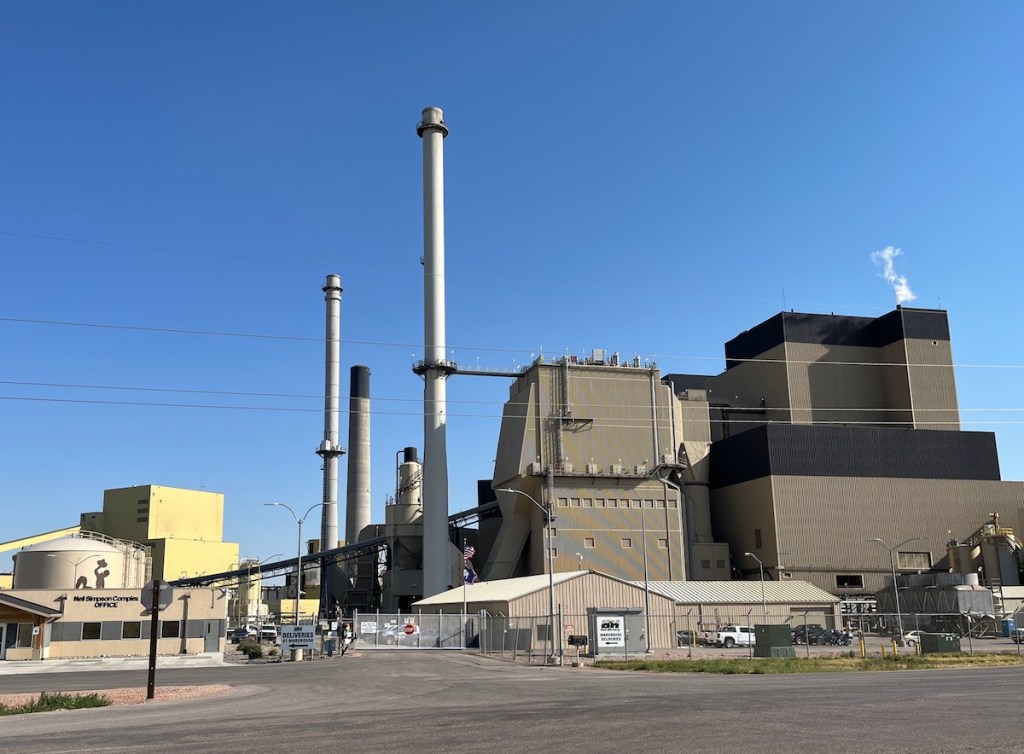
CORRECTION: This story was updated to correct the name of the Neil Simpson power plant complex. — Ed
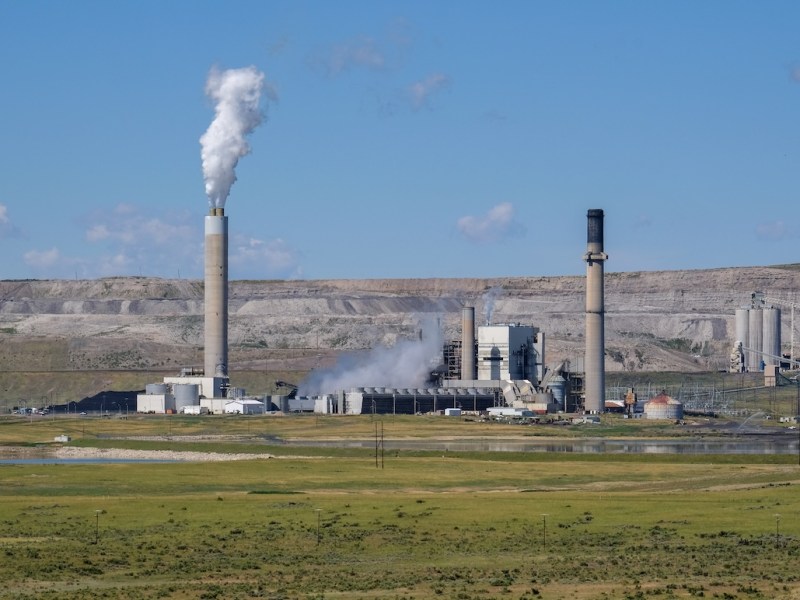
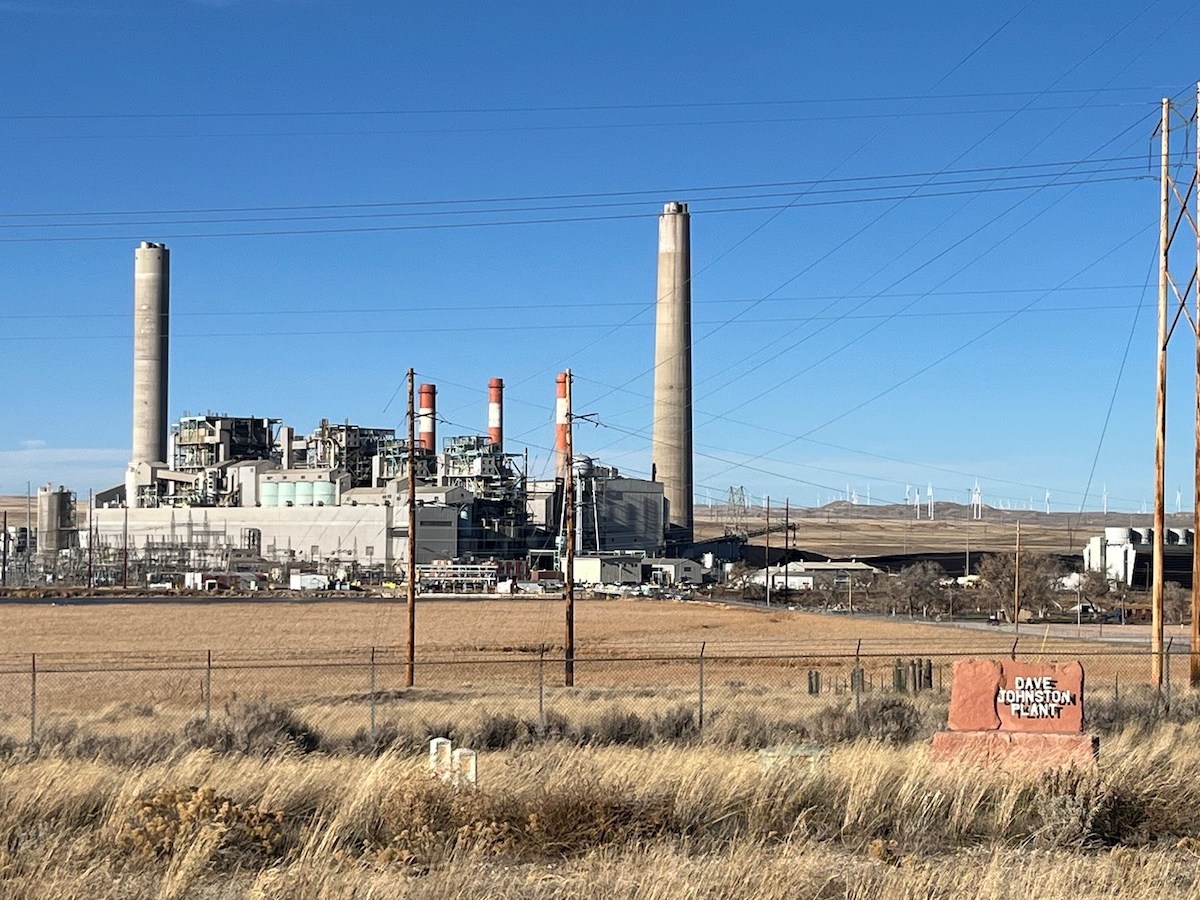

Dustin, one day you will get that caption right lol. That’s the Neil Simpson complex with NS 2 and Wygen 1 in the fore ground and Wyodak in the back. There is no such thing as the Wyodak Complex lol.
Well you wanted wind and gas…now bills come calling.
I think you mean solar not gas. Gas was a byproduct of oil wells and was wasted until companies started selling it. You are so correct about wind, not a single wind turbine would have been built had it been not for subsidies.
No I meant gas. Power generation requires lots of it and pipelines area million a mile. Im in the industry and gas did drive it up.
The saying has always been the 2 sure things in life are Death and Taxes. In the USA we get to add Inflation, for a 3rd.
Thanks to Federal debt spending and the Federal Reserve printing press.
It’s going to get worse, before it gets worse.
While EIA data is helpful, there is often a lag because it is government data. Rate hikes over the last couple of years not captured in the graph above have been substantial. Rates in Wyoming now average 14.80¢/kWh. Yes, that’s still lower than the national average, but one trend that is important is the growing share of our bills covered in “fixed” monthly fees – the price you pay regardless of how much energy you consume. These fixed fees especially hurt seniors and lower-income customers who typically have smaller homes or rent and use proportionally less energy (and therefore the cost of providing energy to them should be less). They are also often in older neighborhoods with existing power lines and infrastructure vs the growing subdivisions and mcmansions out of town that require new infrastructure to pay for. According to data on the PSC website (which captures recent rate hikes), average monthly bills for Cheyenne are $129, for MDU $120, for Rocky Mountain Power $116, and for Black Hills $101. See https://psc.wyo.gov/home/utility-rate-comparison. On another subject, please tell us more about the coal plant costs in the rate hike. Since fuel costs are handled separately (and yes those are rising too), wondering what the coal plant costs are — guessing there is a story there….
I do not know all the details but it is clear that running copper everywhere along with all the infrastructure costs money. Meaning that sprawl costs money which you point out indirectly and power companies acknowledge, indirectly.
I asked Ai about the dividend vs infrastructure investment over the past 40 years by Black Hills and while I cannot be certain of what it implies, it is clear the dividend gets paid and will always be paid.
I am also more than certain that towns or counties could run their own utility and capture the “dividends” paid to Warren Buffett, but due to regulatory capture of the profit making utilities, that dream is one that goes up in pipe smoke.