

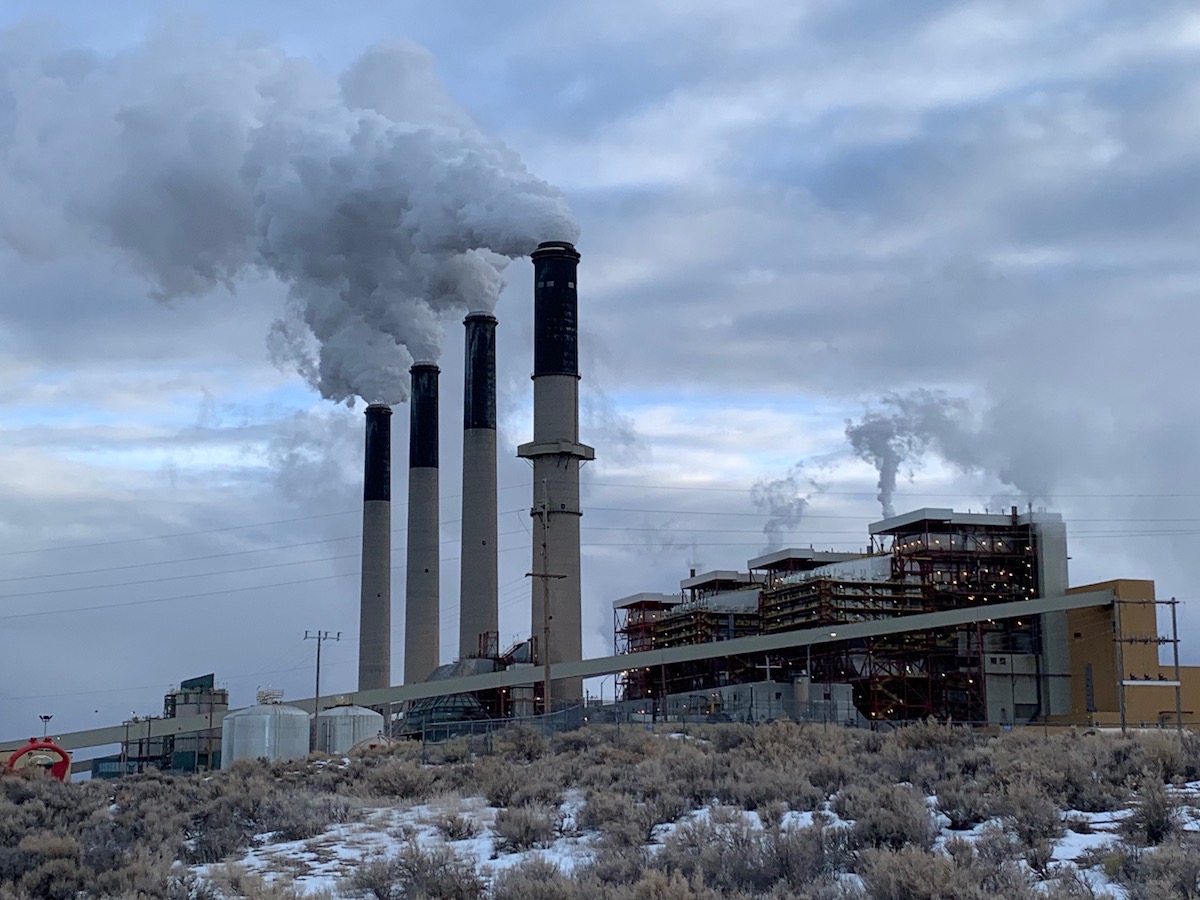
The state will investigate allegations that Rocky Mountain Power is slow or unwilling to accommodate requests from existing and prospective customers who want large amounts of new electrical power.
The three-member Wyoming Public Service Commission — which holds authority over monopoly utilities like Rocky Mountain Power to provide reliable, lowest-cost services — voted unanimously Oct. 29 to “direct the company to provide relevant information and take such other action as the public interest may require.”
It is not yet clear what actions the commission might take if the investigation reveals shortcomings in the utility meeting its legal obligations in Wyoming. The commission is still finalizing the investigation order, an official told WyoFile.
What many in Wyoming see as a slow, years-long response to “large load” requests is due to a complex set of state and federal regulations, according to the company. The rules, along with Rocky Mountain Power’s own mission, are intended to protect against speculative investments so they don’t fall on the backs of existing customers to pay for if plans don’t pan out, Rocky Mountain Power President Dick Garlish told the commission.

“We’re not going to do any deal for [just] any reason,” he said. “We take our responsibilities as a regulated monopoly seriously, and we care about our customers — existing and future.”
The decision to launch an investigation feels punitive, Garlish added, because no customer requesting power has filed a formal complaint.
“I don’t see the reasonable, probable cause, or even a reasonable suspicion,” he told the commission. “We’ve been nothing but candid and forthright in this venue and in the legislative venue and with our customers, so it feels unnecessarily burdensome and punitive.”
Launching the investigation is not a condemnation of Rocky Mountain Power, Commission Deputy Chairman Chris Petrie said.
“I think that this situation, because of the persistent complaints in the public about the company’s handling of such matters, requires us to resort to this investigation process in order to obtain assurance.
“We have our obligation,” Petrie added, “to see that safe, adequate and reliable service at just and reasonable rates is available throughout the service territory of Rocky Mountain Power.”
Persistent complaints
The move to investigate Rocky Mountain Power comes amid unprecedented, skyrocketing demand for electricity in Wyoming and across the nation.
Driven primarily by the buildout of artificial intelligence computing, U.S. utilities say they’re fielding requests that would double or triple current electrical generation capacity, the Associated Press reported last year.
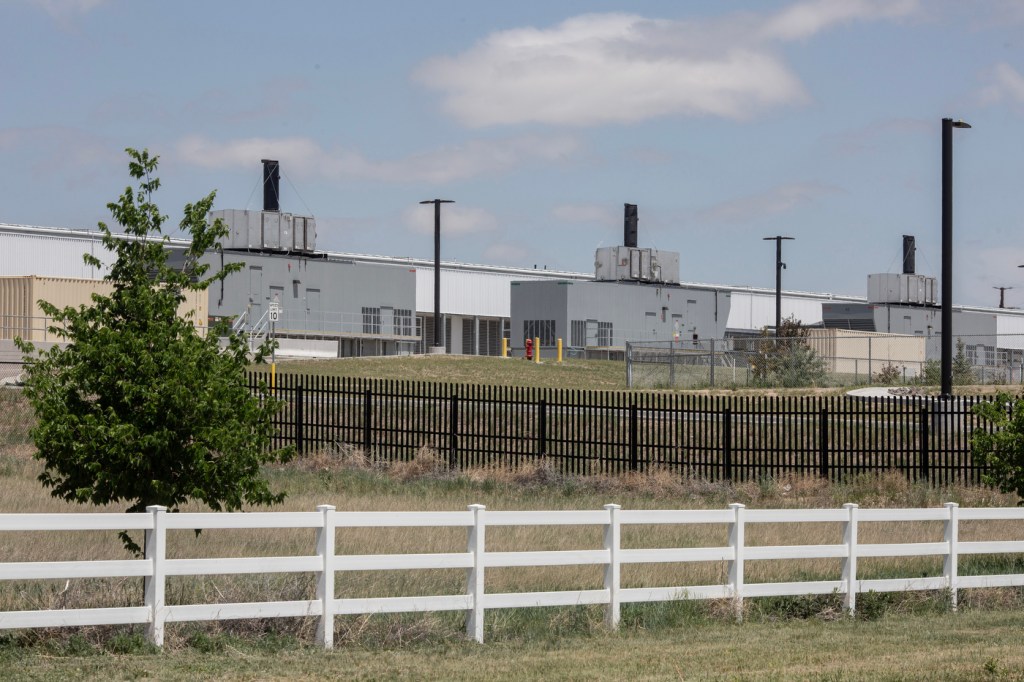
In the Equality State, data center proposals from just two developers would require more than twice the state’s existing electrical generation capacity of 11,800 megawatts. Rocky Mountain Power — the largest regulated electric utility in Wyoming — says it has studied 83 requests for additional power during the past decade and served 24 of those to the tune of 258 megawatts. It has also evaluated some 4,300 megawatts-worth of “large load” requests, defined as more than 20 megawatts.
One megawatt is enough to power about 750 homes.
Yet Rocky Mountain Power’s response to new power requests continually comes before legislative committees, including from the long-existing trona and soda ash industry. Industry spokeswoman Jody Levin told a panel of lawmakers in May that trona expansion plans were delayed because the utility allegedly concluded that the soonest it could provide a significant boost in electrons to the industry is seven years out.
“Seven years is a de facto no,” Levin said. “That isn’t a reasonable timeframe.”
“Testimony before multiple legislative committees from industry and other entities have highlighted the issues that exist in acquiring timely and reliable access to power in southwest Wyoming,” Wyoming Mining Association Executive Director Travis Deti told WyoFile this week. “We will be monitoring this closely.”
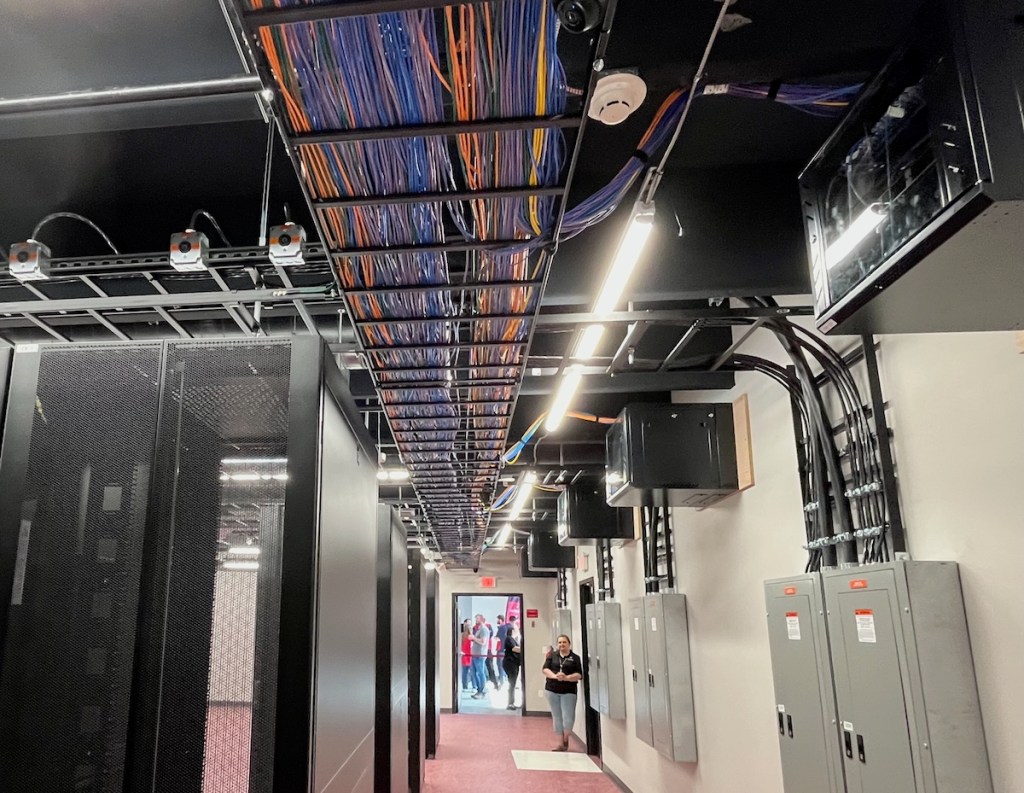
Many of the large electricity requests Rocky Mountain Power receives, Garlish told commissioners last week, come from “entrepreneurial” hopefuls, and many of their projects fall by the wayside for lack of financing, long permitting times and myriad other reasons apart from securing electrical power.
“Nobody wants to land a large-load deal in our service territory more than I do,” Garlish said. “But it has to protect existing customers. We won’t sign a deal that puts existing customers at risk. Growth needs to pay for growth. We have an obligation, just like you do, to protect our existing customers and protect our existing systems.”
The company is spending $80 million on initiatives to meet rising demand, he added.
The reason that no customers — prospective or existing — have filed a formal complaint against Rocky Mountain Power is because they are beholden to the utility, according to an attorney representing the Wyoming Industrial Energy Consumers group, which consists of oil and natural gas refineries, trona and other industrial customers of Rocky Mountain Power.


“They have to work with the incumbent utility,” Holland and Hart attorney Austin Jensen told the commission. “It is not good for business to call your only option before the commission [forcing them to undergo] a formal complaint process.”
Wyoming lawmakers, prompted by both entrepreneurial and existing industries in the state, have contemplated potentially tweaking regulations to allow for third-party power producers as an alternative to relying on established utilities. It’s an idea that Rocky Mountain Power has opposed.
Commissioners said they will investigate Rocky Mountain Power’s responses to large electricity requests dating back to January 2022.