

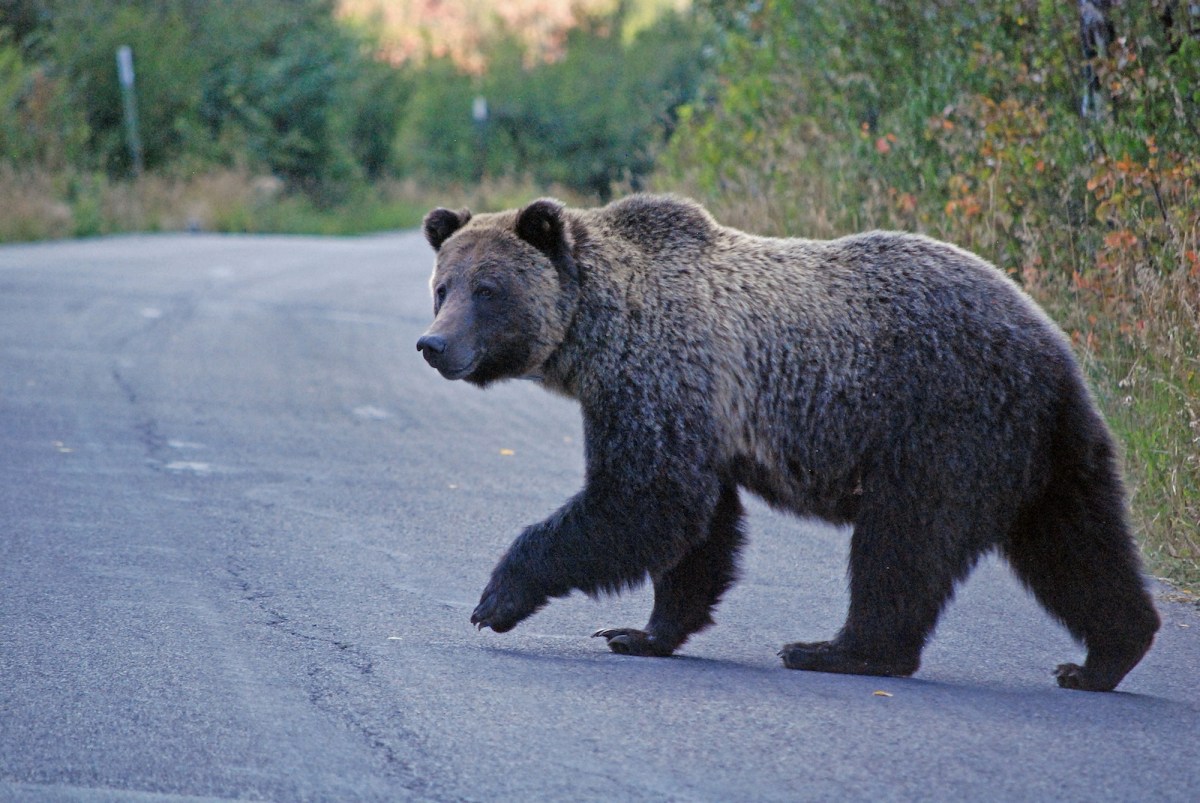
Even though the 7.1-mile Moose-Wilson Road represents a sliver of the 310,000-acre Grand Teton National Park, its fate has fueled years of debate.
And when the National Park Service recently amended a 10-year-old park management plan to allow for the construction of a multiuse path along the busy road, it reopened a rift over the agency’s obligation to balance multiple concerns, including wildlife protection, archeological preservation, recreation and safe visitor access. That same pathway was excluded from a 2016 decision.
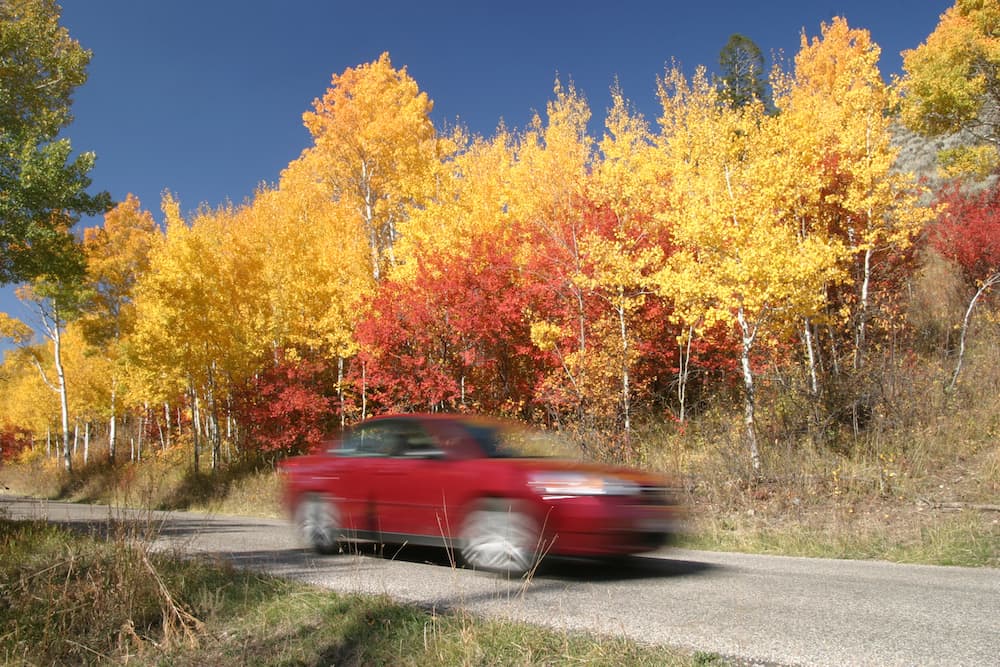
The narrow roadway, which is closed to RVs and mostly signed for 25 miles per hour, is prized for its wildlife-watching potential. That quality makes additional infrastructure controversial.
For the conservation groups who argued back in 2015 that a separate paved pathway would damage rich wildlife habitat at a ridiculous cost to taxpayers, the federal government’s reversal stung.
“I was really disappointed and, and quite frankly, shocked,” said Joan Anzelmo with Friends of the Moose-Wilson Corridor. “It appeared the agency was being forced to add a rejected alternative with no further scientific analysis, no supplemental EIS.”
But on the other side of that coin are transportation advocates like Tim Young, who has worked for decades to build out a safe network of multi-use pathways for cyclists, pedestrians and others in the region. High-profile cycling fatalities such as the 1999 death of 13-year-old Gabriella Axelrad, who was struck by a van while riding in the national park, underscore the need for a pathway separate from the heavily trafficked road, he said. He considers the pathway construction an appropriate agency action.

“I thought it was outstanding to reconsider this,” the former director of Wyoming Pathways said.
The pivot was the result of an executive order signed by President Donald Trump, according to the park service. The agency announced in March it was reopening the 2016 decision, and in June it released a draft “programmatic agreement,” identifying additional scoping work related to multi-use pathway construction.
According to that document, recreational opportunities, newly stipulated by Trump’s executive order, were not considered during the previous scoping process. On Aug. 14, the park service approved the amendment, authorizing the pathway’s construction and partial realignment of the road.
“We remain committed to providing appropriate recreational opportunities while maintaining the natural and cultural resources that sustain a healthy, functioning ecosystem,” Grand Teton National Park Superintendent Chip Jenkins said in a press release. “We are balancing visitor access with long-term stewardship.”
Pavement priorities
The road is the main artery running through what’s known as the Moose-Wilson Corridor — a swath of roughly 10,300 acres with exceptional wildlife habitat that also provides access to destinations like the Death Canyon trailhead, Laurance S. Rockefeller Preserve and Murie Ranch historic district.
A mix of aspens, chokecherries, willows and conifers alongside pristine riparian zones draw species including moose, wolves, grizzly and black bears — which can create “wildlife jams” as slowing or stopping vehicles clog the road. Along with growing visitation, some local residents rely on the road as a shortcut between Teton Village and the Jackson Hole Airport or Wyoming Route 390 and destinations in the park and beyond.
In 2016, the park service estimated that roughly 400,000 visitors traveled the corridor annually.
With its location between Teton Village and park destinations, Young said, it’s a major jumping-off point for visitors heading into the park. But it also draws cyclists — including young riders who may not have the skills or vigilance to navigate the road-sharing required, he said.
The narrative that the pathway’s approval represents Trump administration overreach fails to address a much longer and more complex story, he said while standing astride his gravel bike on a smoky August morning. The deaths of Axelrad and, two years later, cyclist Jeff Pool helped lead to a 2007 Grand Teton Transportation Plan environmental impact study. The final decision is no longer on the agency’s website, but Young said a majority of public comment supported a significant pathway system.
The high-profile fatalities, he said, “kind of broke the dam in terms of public demands for trying to do something to improve safety … in making the case that bicycling is an appropriate means of access to see, visit, explore, enjoy the national park.”
Young was instrumental in that effort, which led to the construction of pathway sections from Moose to Jenny Lake and Jackson to Moose. Users loved the new transportation options, Young said, but that Moose-Wilson gap remained.
The National Park Service initiated the Moose-Wilson Corridor Comprehensive Management Plan process in 2013. Following a year-long scoping, the agency released four alternatives for managing the corridor — and received more than 4,000 comments.
In its 2016 record of decision, the park service selected alternative C, which generally restricted development within the corridor to the existing footprint. Notably left out of that preferred alternative was a proposal to build a multi-use pathway, separated from the road, for bicycles and pedestrians.
“The emphasis of the selected action is to balance preservation and public use and enjoyment by exemplifying conservation legacies within the corridor,” the agency’s record of decision read.
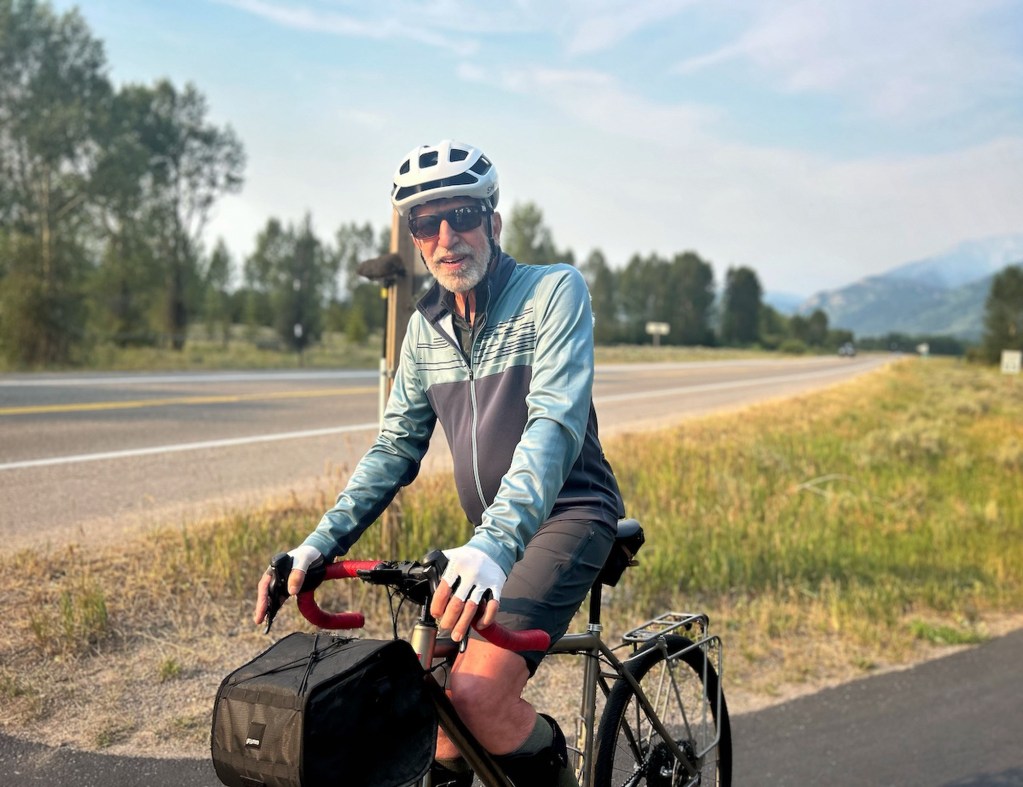
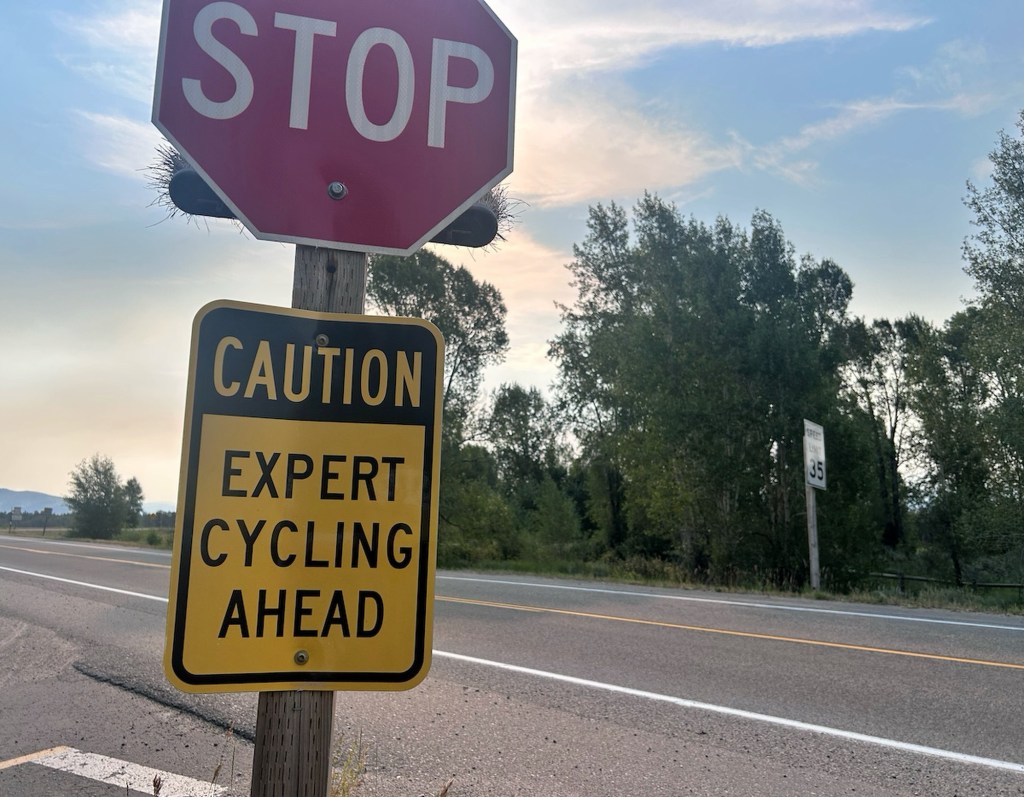
On his bike in early August, Young pedaled the Moose-Wilson Road, pointing out blind corners and a pathway route along an existing two-track that could take users to the Rockefeller Center. Though a sign near the entrance station warned the road ahead was for experienced cyclists, a family without helmets pedaled on cruiser bikes, and a girl of around 9 rode alongside a woman.
With minuscule shoulders and vehicles traveling at various speeds around corners, Young said, the road is not bike-friendly. But he doesn’t like the way this issue has been reduced to “recreation versus conservation,” he said.
“When you look at the full corridor, rather than drill down to a singular action among dozens of management steps, the National Park Service made the right decision for the Moose-Wilson Corridor,” Young told WyoFile. “I look forward to the day people can safely bike and walk between Teton Village to Moose on a safe pathway, and leave their car behind.”
Wildlife worries
When the agency announced it was revisiting the 2016 decision, it cited a 2025 executive order that “calls for improving visitor services, enhancing access, and reviewing policies that may unnecessarily restrict recreation in national parks.”
The announcement got the hackles up of people who participated in the Moose-Wilson Corridor plan the first time around.
“Ten years ago, significant concerns from park leadership and the local community, including NPCA, led to a final plan for this important corridor to be protected,” Allison Michalski, Grand Teton Senior Program Manager for National Parks Conservation Association, said in a statement. “We are disappointed to see many years of science, policy, and public engagement overturned to satisfy special interests [that] will leave parks like Grand Teton National Park and others open to damaging changes.”
Those opposed to pathway construction say it poses harm to wetlands the road crosses, to sensitive species including grizzly bears and to archeological resources found in the corridor.
When Anzelmo became involved in the earlier EIS, she said, the corridor “was a favorite place to be able to observe wildlife, so I was very aware of the specialness of that corridor, but also the fragility of the corridor.” What ensued was a robust, careful and scientific process, she said.
“In September of 2016, when the National Park Service completed that process and signed the record of decision selecting the alternative,” she said, “we were really pleased.”
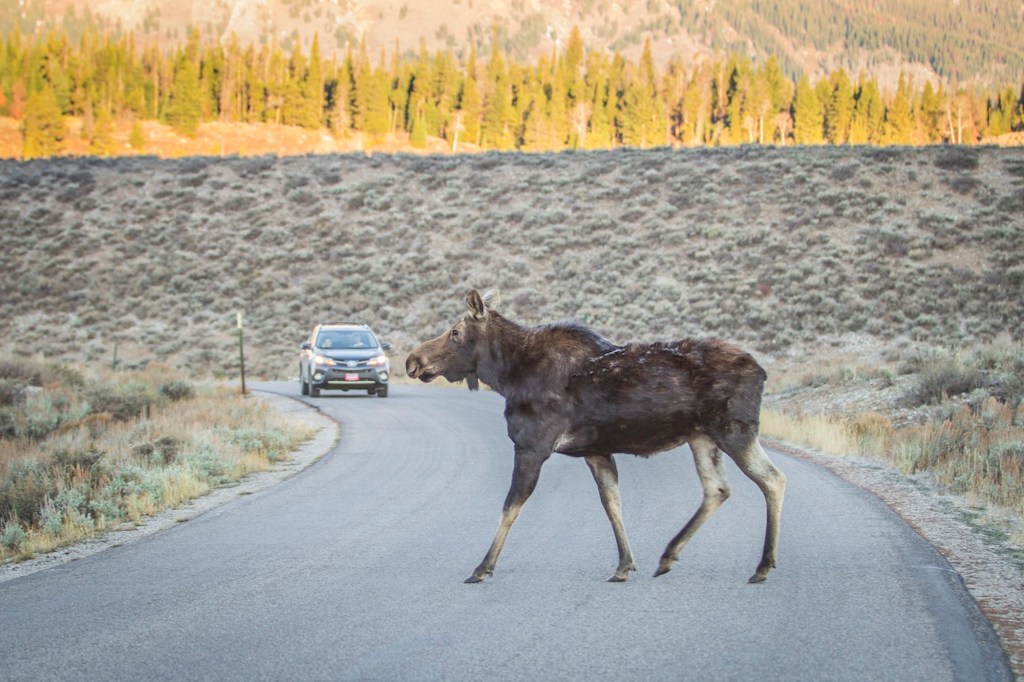
She was deeply disappointed to see it revived. The costs of an 8-mile separated pathway — to wildlife, habitat and taxpayers — do not justify the benefits, she said. She would rather see the park service experiment with management strategies such as timed one-way vehicle traffic.
“Instead of spending [tens of millions of dollars] and taking out thousands of trees and damaging grizzly bear habitat and elk calving grounds, perhaps other things could be done to achieve the same goal,” she said.
A U.S. Fish and Wildlife Service analysis for the amended record of decision determined the effects associated with the proposed action “are likely to adversely affect but are not likely to jeopardize” the continued existence of the grizzly bear.
Not over yet
Friends of Moose-Wilson Corridor is working alongside other organizations to find a better solution, Anzelmo said.
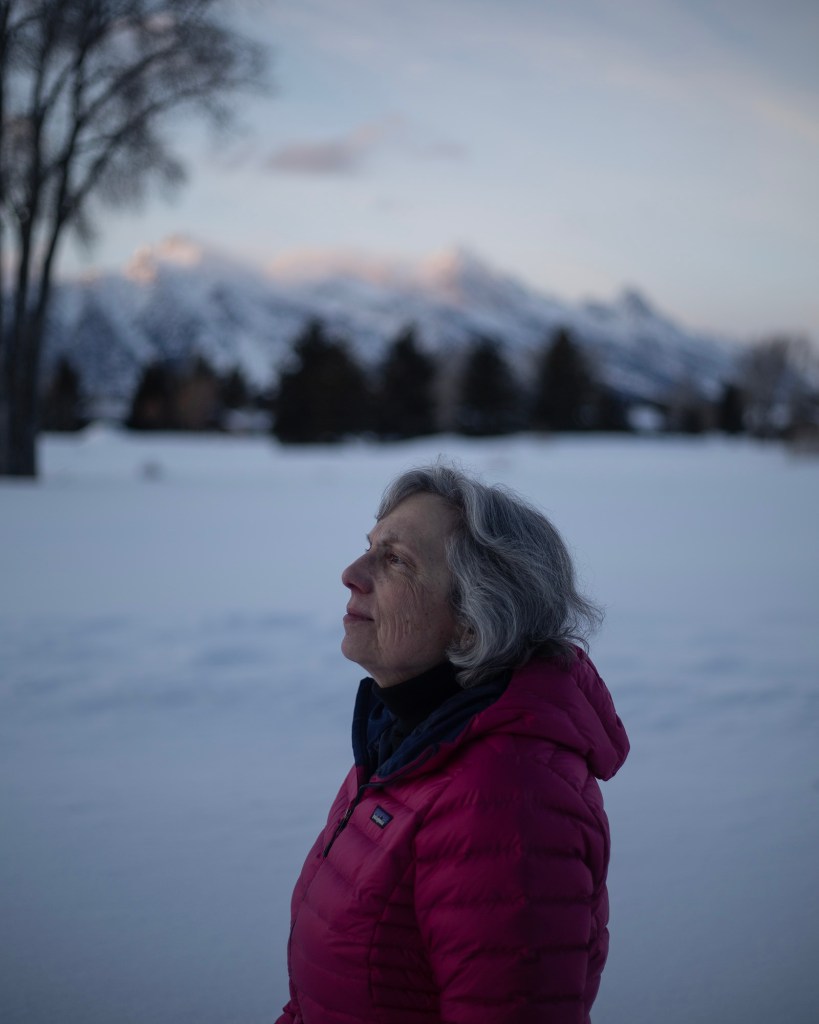
“We are going to do anything we can to raise awareness and try and stop this,” she said. “We don’t want to see bulldozers coming down the Moose-Wilson Corridor.”
She hopes officials press pause and consider “smarter visitation strategies that could be used to work within the existing footprint.”
But Young, who also formerly worked for the National Parks Conservation Association, said a close study of the National Park Service’s mission is merited in this context.
“The National Park Service preserves unimpaired the natural and cultural resources and values of the National Park System for the enjoyment, education, and inspiration of this and future generations,” the mission reads.
“It’s a complicated mission,” Young said. It’s not solely about protecting resources; it’s also for human access. “So the balance of what you provide, that’s the challenge for park managers.”

CORRECTION: This story has been updated to correct the location of the accident involving Axelrad. -Ed.

National Parks are sacred land for the ecosystems that regenerate and continue the existence of all life not more pavement! It would be a wonderful thing if humans could respect that.
Listen to the people who live and drive this daily. No path…timed travel is the way to go. Keep the environment and the wildlife safe. Perhaps widen the sides of the road for foot and bike traffic. We must remember that even though this is every one’s national park, the preservation of the park, wildlife, ecosystems and the human imprint must be conserved.
Indeed we’re loving our Parks to death. Making access easier to accompany more and more visitors is going to come at a price. Quite happy to see more people enjoying the Parks on bicycles but those driving cars & trucks are looking at the natural wonders around them as are the bicyclists. A set up for bad crashes. Besides, think of the entertainment value for bears & moose. A bicycle lane away from motorist corridors weaving through heavy brush and willows? What fun!
Wilson road has been our favorite place to visit in the park. It saddens me to think of the disturbance to the wildlife with the proposed changes. Timed one-way traffic seems like a good venture to at least explore. It’s a one-of-a-kind place that should be preserved as it is.
Every paved road in any National Park should have a corresponding paved pathway for non-motorized travel. Good shoulders could have been a design factor in the redone Moose-Wilson corridor. Everything is done for motor vehicles. Huge swaths of habitat destroyed for parking but we have to fight for any infrastructure at all for people. Get out of your car!
Having traveled the Moose Wilson road for close to 50 years, I like the suggestion of timed access. I am not sure how or if it would work but I agree that it is an important animal corridor and that access should be limited. I can’t count the number of animals I have come across around the wetland area and feel as though less is more when it comes to access.
LOL, in the past 5 days 4 out of the ten headlines include “Trump Administration”.
Coordinated outrage whistle.