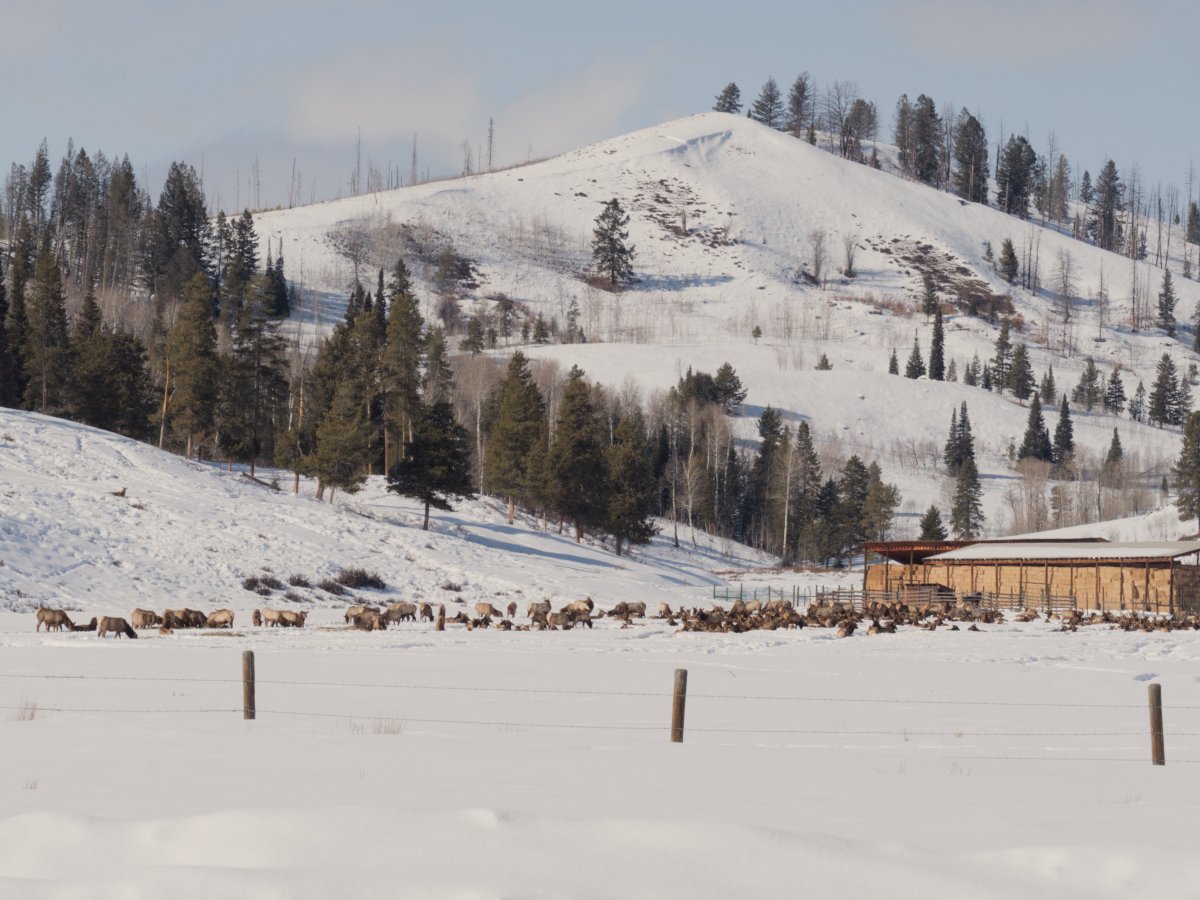

Time and again while planning to modify Wyoming’s elk feedgrounds, biologist Ben Wise heard an argument for why the elk that bunch up around the state-supplied hay will be just fine as potentially devastating chronic wasting disease spreads through the gathered herds.
The argument has been an almost reflexive retort by parties, such as hunting outfitters, who’ve long resisted making changes to Wyoming’s historic system of feeding elk. In essence, their contention is that Laramie Peak Herd elk have had CWD for four decades, also form super-sized winter herds and they’re doing just fine — they’re even so overpopulated it’s a problem. So why would feedground elk fare differently?
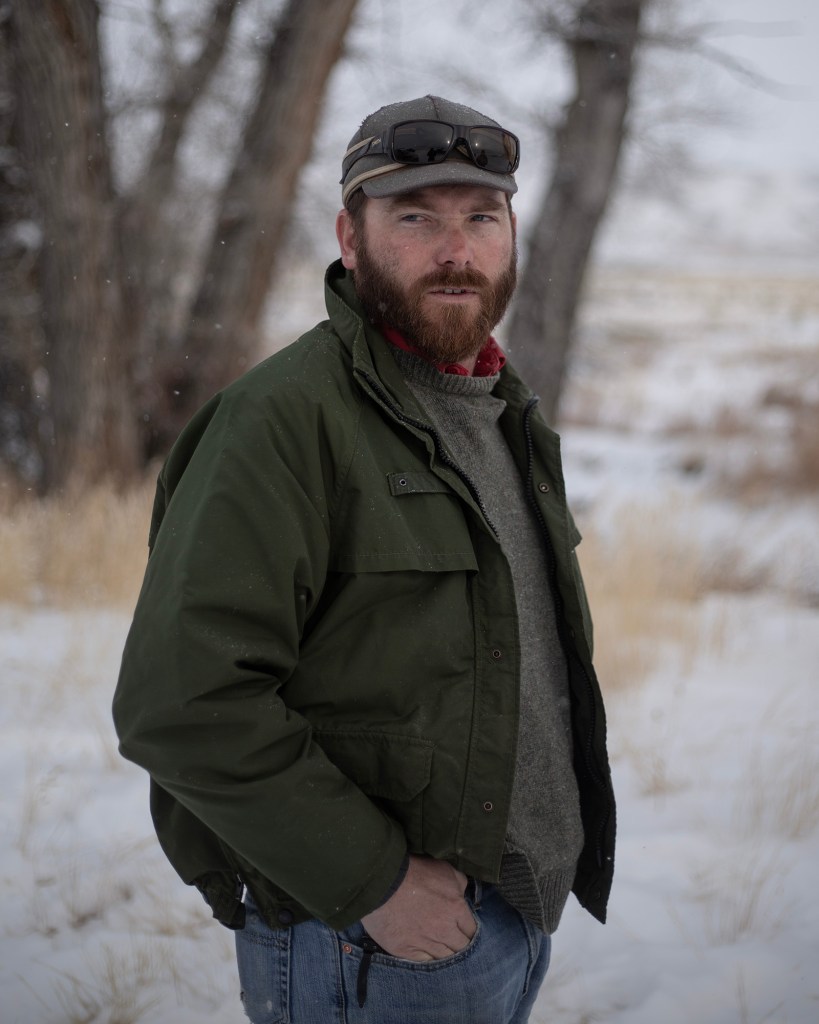
“I was sitting in all those [feedground] meetings and hearing that [argument] just over and over and over,” said Wise, a disease biologist for the Wyoming Game and Fish Department’s Jackson Region.
Wise knew that the six feedground-dependent elk herds were intrinsically different. In southeast Wyoming, he said, “we’re not replenishing that winter range every day with a tractor or a sleigh.”

Wyoming wildlife managers happened to have the hard data on hand to prove Wise’s point. Because of an unrelated research project looking at elk-mule deer overlap in the Laramie Mountains, there were existing data from 129 GPS-marked elk there. And there was movement data from another 675 collared elk in the feedground region. With help from Game and Fish’s Science, Research and Analytical Support Unit, he set out to analyze how the two cohorts used the landscape differently in the winter.
Wise explained his methodology and relayed the results at the Wyoming Game and Fish Commission‘s Nov. 6 meeting. He defined core home range sizes based on where individual elk spend the top 20% of their time during the heart of winter, from Jan. 15 to March 1.
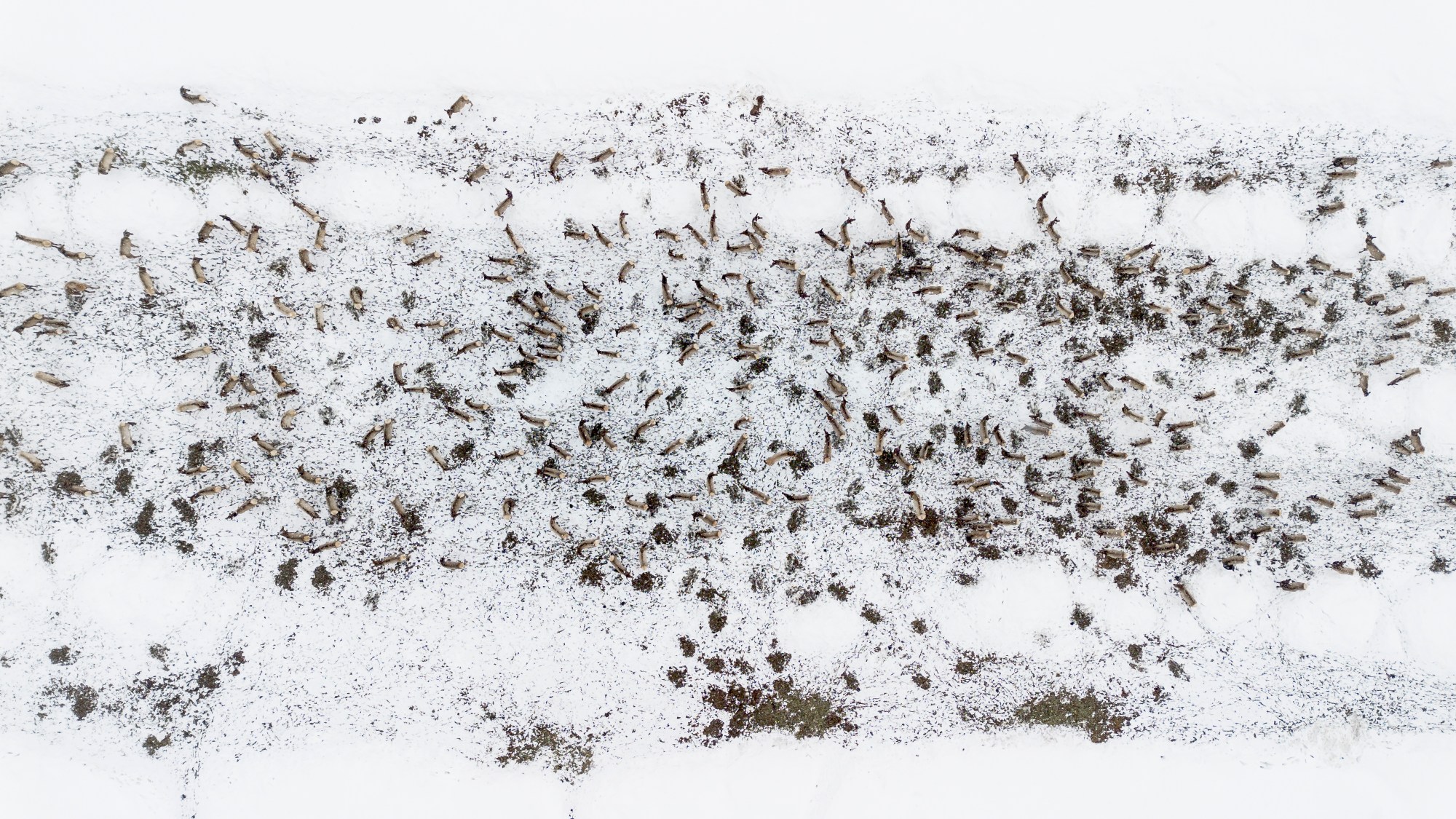
In southeast Wyoming’s Laramie Peak and Iron Mountain elk herds, the median size of an elk’s core home range was 1,959 acres. Animals that gathered on Wyoming’s 21 feedgrounds and the National Elk Refuge had a dramatically smaller core winter home range: just 6 acres.
Free-roaming southeast Wyoming elk, in other words, had a winter home range that was about 327 times larger than their feedground-gathering counterparts.
“They’re totally different,” Wise told WyoFile.
In human terms, the size gap is the same as the difference between a two-person college dorm room and a typical Safeway grocery store. From a disease perspective, it makes a world of difference. In a shared space, it’d be a lot easier for a human to catch a cold in the dorm room — or for an elk to pick up always-lethal CWD on a feedground.
“We can’t compare these two populations and say, ‘What’s happening in Laramie Peak is going to happen in the feedground herds,’” Wise said. “They’re just not the same critters doing the same thing.”
Elk in the Laramie Mountains have indeed held up well with CWD, which occurred at just 4% prevalence in the most recent assessment. Cow elk hunting there on private land is unlimited, and other extraordinary measures have been taken, yet the herd has remained about double its desired population.
But wildlife disease experts predict a dramatically different outcome for the feedground herds in the southern Greater Yellowstone Ecosystem. Chronic wasting disease is still in the early stages of spreading there — it was first detected in 2024, and has since been found at five-state run feedgrounds plus the National Elk Refuge. Long term, the outlook for the six elk herds that use the feedgrounds is much poorer. Populations and hunting opportunities are expected to plummet regardless of management because of CWD, but continued feeding is expected to result in the worst-case scenario.
There was more purpose to Wise’s analysis than debunking the common look-at-Laramie Peak argument that elk herds will be fine in the face of CWD. It’ll be useful data as the state adjusts its feedgrounds operations, he said. (The authority to close a feedground was stripped away by the Wyoming Legislature, and the governor now makes that decision.)

“Are there ways that we could spread elk out more?” Wise asked commissioners. “Are there other techniques we could use to increase their distribution on the landscape to reduce their overall density during that time period where we’re actively feeding them?”
There were some nuances in the home range size data that were encouraging from a disease perspective. Collared elk on the National Elk Refuge, for example, tended to roam a significantly larger territory. The median core home range was 202 acres, roughly 40 times that of elk that dwelled on state-run feedgrounds.
The state agency has tried with some success to emulate that more diffuse, disease-friendly elk distribution. After the winter of 2022-23 caused a historically lethal flare of foot rot, the Horse Creek Feedground south of Jackson was expanded out of the river valley onto an adjoining bench.
“It’s working really, really well,” Wise said. “The elk showed that they’ll go up there. If they get hungry, they’re going to go where the food’s at.”
Game and Fish will have the chance to find similar opportunities to spread elk out. The state agency just wrapped up “feedground management action plans” for the Jackson and Pinedale herds, which identify specific steps managers will take to reduce the impact of CWD. Action plans for the four remaining feedground elk herds — Fall Creek, Afton, Piney and Upper Green — are being completed this winter.
“We had committed to being done in early 2027,” Wise said, “so we’re feverishly working toward that.”