

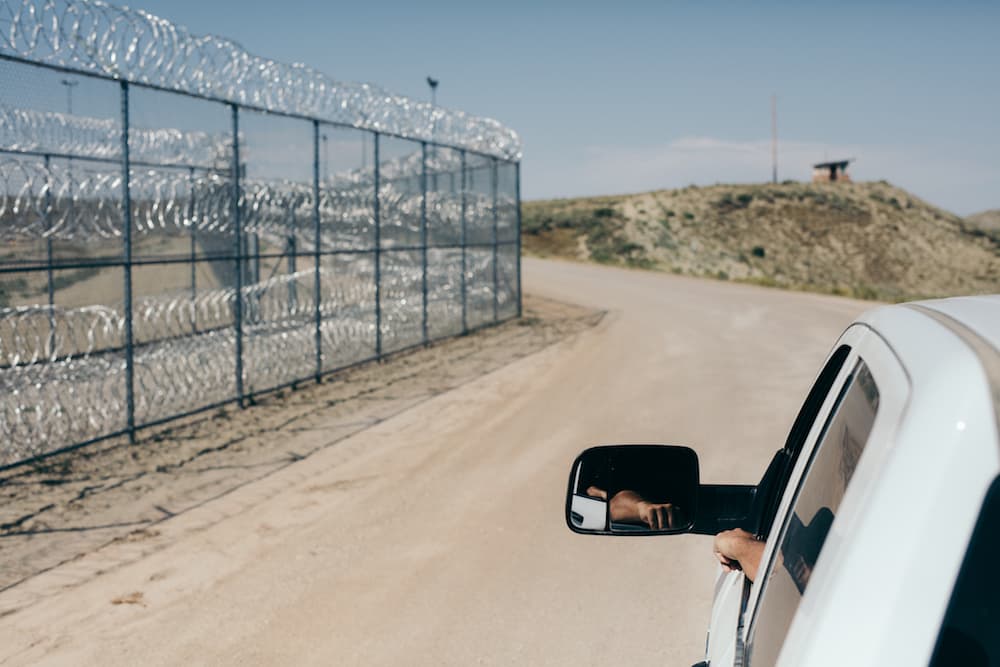
Wyoming’s Department of Corrections has yet to report a confirmed COVID-19 case among its inmates, according to the department, even as state and federal prisons nationwide have proven hotbeds of infection.
Just one staff member, at the women’s prison in Lusk, has tested positive for the disease, and the employee has since recovered. The department’s five prison facilities are quarantining new arrivals and testing and isolating any inmates who emerge with symptoms of the disease, according to officials.
Wyoming is one of just four states without a confirmed case in its prison system, according to data compiled by The Marshall Project, a nonprofit news outlet focused on criminal justice issues. Neighboring Idaho is another one, along with New Hampshire and Hawaii. There have been 415 deaths in state prisons nationwide, according to the outlet.

Department officials credit strict procedures and statewide coordination for keeping cases out of the prisons, which as of May 18 held 2,030 inmates, according to DOC spokesperson Mark Horan.
The staff member at the women’s prison tested positive for the disease in April, but subsequent tests on inmates and staff came back negative and DOC has not reported further incidents there.
At the Wyoming State Penitentiary in Rawlins, staff are quarantining any new arrivals as well as anyone who left the facility for a court proceeding or treatment program and returned, Warden Michael Pacheco said. “If they left our custody, when they come back they go into quarantine,” he said.
A wing of the prison has been converted into a quarantine housing and isolation area for inmates, Pacheco said. Inmates who report any symptoms of sickness consistent with COVID-19 are isolated and tested. Fourteen inmates had been tested as of May 21, Pacheco said, and 13 tests had come back negative. One was still pending, he said.
The prison has ended visits from friends and relatives and limited outside contract workers coming onto the grounds, Pacheco said. Inmates get two free phone calls a week to contact their loved ones as a result of the cancelled visits, he said. Inmates in Wyoming prisons normally pay for their phone calls. A private company operates the system and charges fees.
Prison staff distributed bars of soap to inmates and crews are sanitizing the facility daily and more often in commonly used areas, Pacheco said. Inmates working in prison industries made masks for inmates and staff, as well as face shields, the department previously reported. At WSP, inmates wear masks anytime they are out of their cells, as do staff outside their individual offices, Pacheco said.
Staff go through screenings for COVID-19 when reporting to work, Pacheco said. Screenings include temperature checks.
“We do not want to see this virus enter this facility, and we are going to do anything we can to see it not enter,” Pacheco said. “The inmates are a very vulnerable population.” Staff have prioritized communicating with inmates to inform them of steps taken to combat the virus, Pacheco said. “Staff in the housing units are every day communicating the message” about changes in policies or procedures.

Outside the prison walls, Wyoming is reopening businesses that were closed to stop the disease’s spread, while officials loosen restrictions on public gatherings and interactions. Inside the WSP, Pacheco said the only loosening of restrictions so far is to end limits on how many inmates are allowed in common areas like the gym and recreation yard at one time.
DOC officials from the state’s five prison facilities, as well as field offices and agency headquarters in Cheyenne, meet regularly to evaluate progress, Pacheco said. Decisions about loosening more restrictions will come at the direction of public health officials, he said.
“It isn’t magic, it’s hard work,” Pacheco said of the prison’s apparent success at keeping the virus out so far.
“It’s hard on the staff and hard on the inmates,” he said.
