Four of six bills intended to give state electric utility regulators more powers to scrutinize system investments that may cost Wyoming ratepayers advanced this week out of the Senate Corporations, Business and Economic Development Committee.
Though each bill addresses individual aspects of Wyoming and system-wide investments on the western electrical grid, the discussion has been mostly uniform around the entire suite of legislation; many lawmakers believe that shifting away from fossil fuels in favor of renewable forms of electrical power creates reliability risks and unnecessary costs for Wyoming ratepayers.
But the committee heard some pushback from the Wyoming Public Service Commission — which is charged with regulating rates for monopolistic utilities — and from two multi-state utilities that generate electrical power in Wyoming: Rocky Mountain Power and Black Hills Energy.
Senate File 20 — Electricity rates for costs that do not benefit Wyoming and Senate File 22 — Public service commission-electricity reliability, for example, appear to duplicate powers that the Public Service Commission already exercises, according to detractors.
“We can live with this bill [SF 20] because the bill really, in essence, doesn’t change anything that the company is already working with the commission on,” said Rick Kaysen, who lobbies on behalf of Rocky Mountain Power. “The question is, ‘what’s the necessity of the bill if those statutorily approved authorities already exist?’”

Regarding the costs and reliability questions around its expanding renewable energy portfolio, Rocky Mountain Power last year insisted that renewables saved Wyoming ratepayers about $85 million, whereas its coal and natural gas power generating facilities accounted for more than 90% of its proposed increases of about $190 million.
But an antiquated electric utility regulating regime, according to members of the Senate Corporations Committee, fails to fully and accurately account for myriad nuances introduced to a rapidly changing power system in the West.
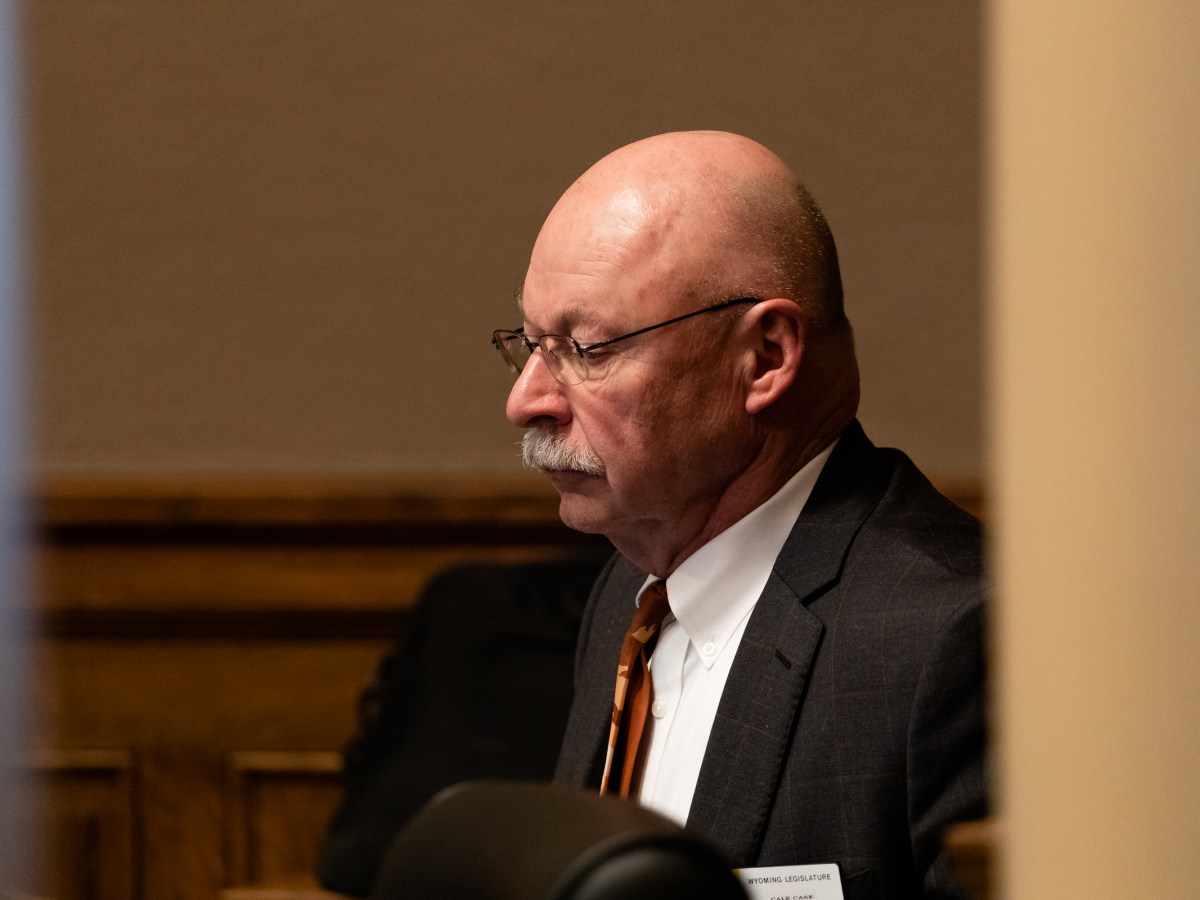
In debating SF 20, for example, Corporations Chairman Cale Case (R-Lander) said current regulatory practices fail to account for the loss of land, wildlife habitat, viewsheds and aesthetic values from sprawling wind farms and transmission lines. Those practically permanent burdens are borne solely by Wyoming residents, he noted, but primarily benefit customers in other states. Senate File 20 would address that inequity, supporters argue, by barring utilities from raising rates in the state to cover system investments that don’t benefit Wyoming ratepayers.
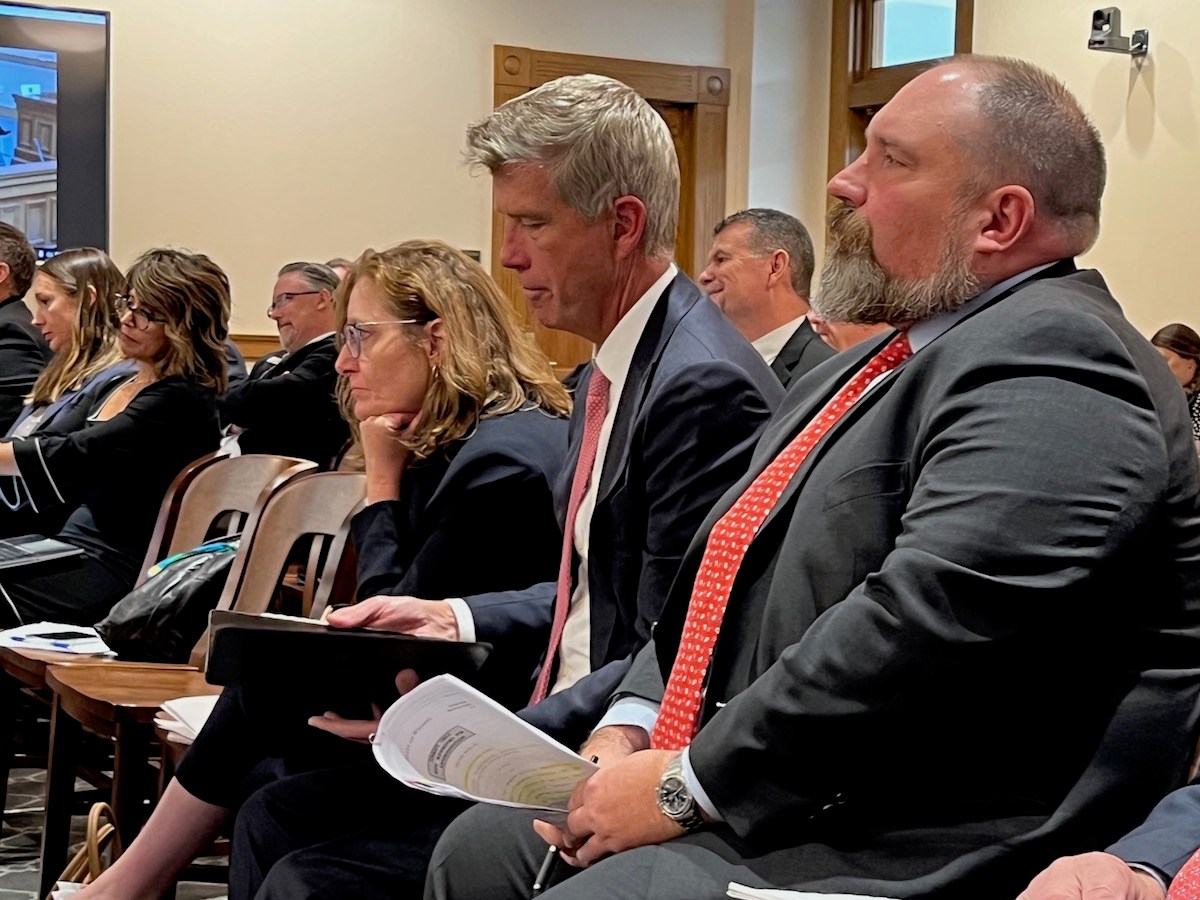
The Public Service Commission already has that authority, and it regularly takes such actions, Wyoming Public Service Commission Deputy Chairman Chris Petrie told the committee.

“This [bill] does not cause me any particular concern,” Petrie said on Tuesday. “I think this is explicitly stating powers that the commission already exercises and I don’t see that it necessarily changes anything.”
“If you think it does nothing, then it’s not strong enough in my mind,” Case told Petrie.
Americans for Prosperity’s Wyoming Director Tyler Lindholm, a former Wyoming lawmaker, said his organization shares Case’s concern. The group advocates for conservative and free-market policies.
“This [bill] is recognition from the Wyoming Legislature that it is imperative that Wyoming ratepayers are only paying for what they get, [and] they’re not having costs offloaded on them for some type of activist dream on the left coast,” Lindholm said.
There does appear to be an emergence of “intangible costs” passed onto Wyoming ratepayers, in some cases, Wyoming Office of Consumer Advocate Anthony Ornelas told the committee. For example, one western state imposed a fee on electricity from a fossil fuel generating facility, he said, and Wyoming ratepayers shouldn’t bear that or similar “intangible” cost burdens.
The committee advanced SF 20 on a unanimous vote.
Increasing workload
Though they didn’t object to any of the utility measures considered by the Senate Corporations Committee this week, members of the Public Service Commission said the suite of bills will add to the agency’s workload.
“I think this is explicitly stating powers that the commission already exercises and I don’t see that it necessarily changes anything.”
Chris Petrie, Wyoming Public Service Commission
“We do need additional staff,” commission Chairperson Mary Throne told the committee. “I feel, combined — particularly this next one [Senate File 24 — Public service commission-integrated resource plans] — the whole package of bills that you are considering would require additional staff.”
Commission Chief Counsel John Burbridge agreed, and said the agency is also already struggling to meet compounding rate requests from utilities.
“We are operating, quite frankly even today, understaffed,” Burbridge told the committee. “And any of these remaining bills, if passed, will really strain our ability to get the work done.”
Committee Chairman Case said the panel will notify the Joint Appropriations Committee that his panel will request more money for the commission.
The Corporations Committee will continue revising the suite of electric utility bills next week before they are considered on the Senate floor, Case said.
For more legislative coverage click here.