

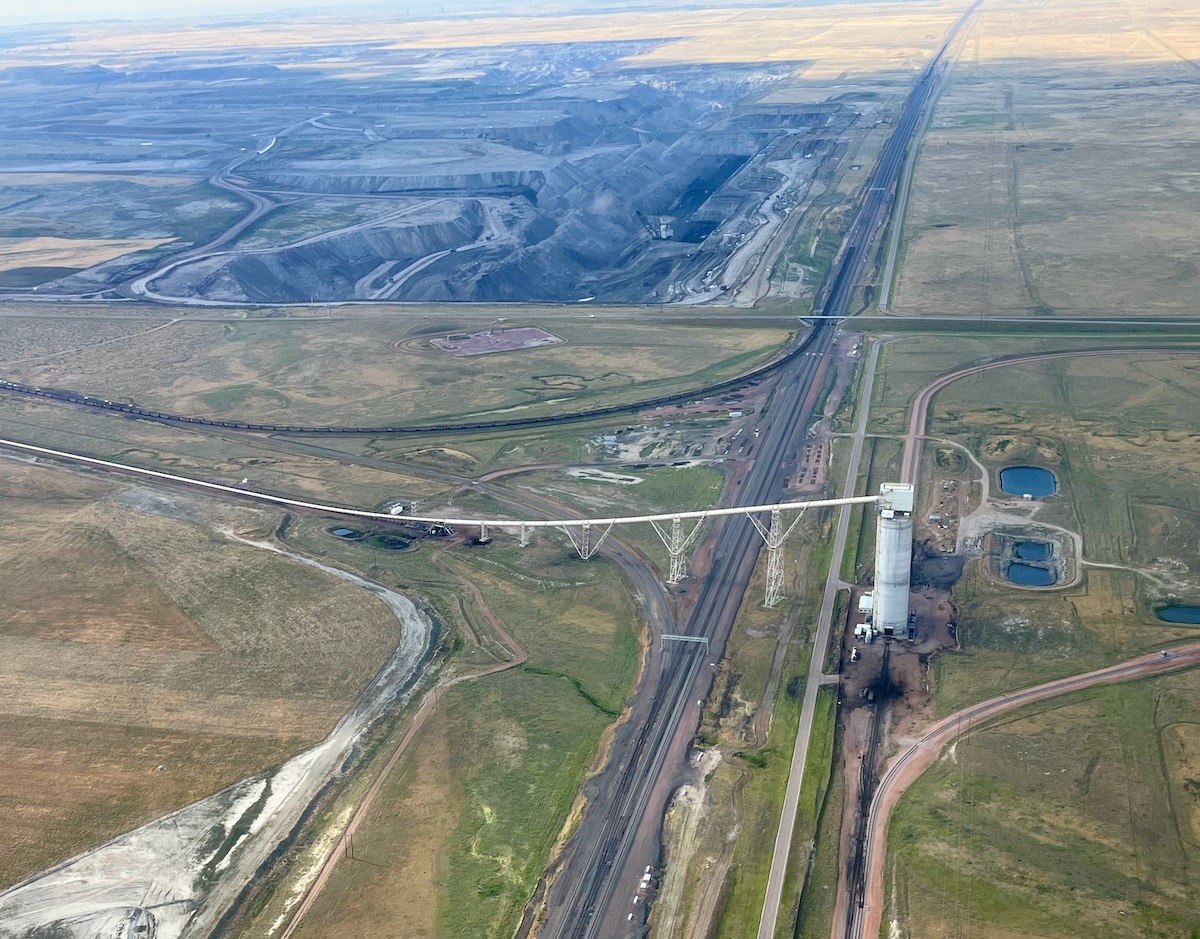
A Wyoming proposal to eliminate standardized wildlife monitoring requirements at coal mines is on hold after the Department of Environmental Quality received pushback from a number of parties that weighed in.
The state intended to delete the chapter of DEQ regulations that outlines procedures for monitoring wildlife. In lieu of imposing its own regulations, DEQ sought to offload the responsibilities to its state government sibling, the Wyoming Game and Fish Department.
“Instead of specifying a laundry list of monitoring requirements, we’ll rely on the recommendations from the Game and Fish and incorporate those into our permits,” said Craig Hulz, the rules coordinator for Wyoming DEQ’s Land Quality Division.
The idea of eliminating the regulations altogether came about during discussions with Game and Fish about monitoring methods, he said.

Hulz spoke with WyoFile on Wednesday, the day before the regulation rescission was scheduled to be reviewed by the Land Quality Division Advisory Board. Approval by the board is a precursor step before the DEQ pursues formal rulemaking.
On Thursday morning, however, the advisory board took no action on advancing the repeal. Instead, the five-person panel fielded public comment and adjourned.
“They’re still undecided on whether or not they’re going to move forward,” DEQ spokesperson Jill Scott told WyoFile.
Another path forward would be to edit the regulations, Scott said, rather than do away with them. Wyoming DEQ is also waiting to hear back from the U.S. Department of the Interior’s Office of Surface Mining Reclamation and Enforcement about its proposal, she said.
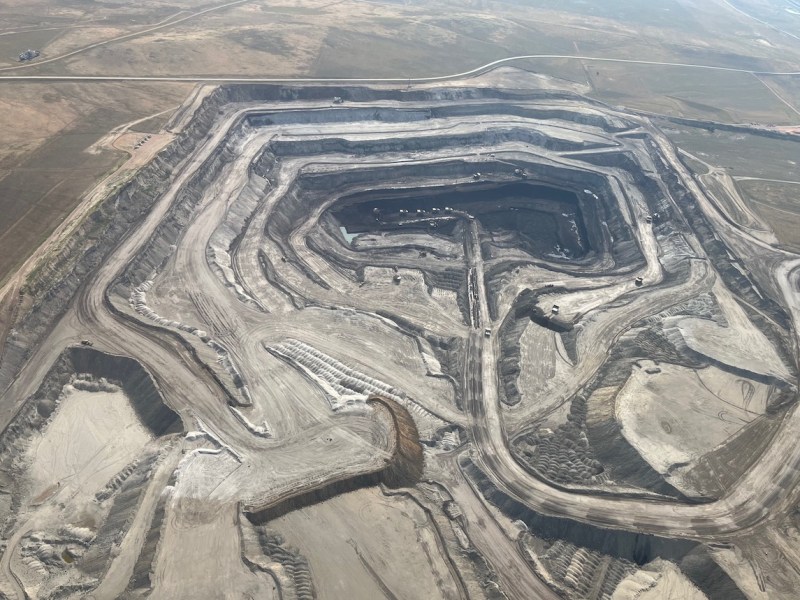
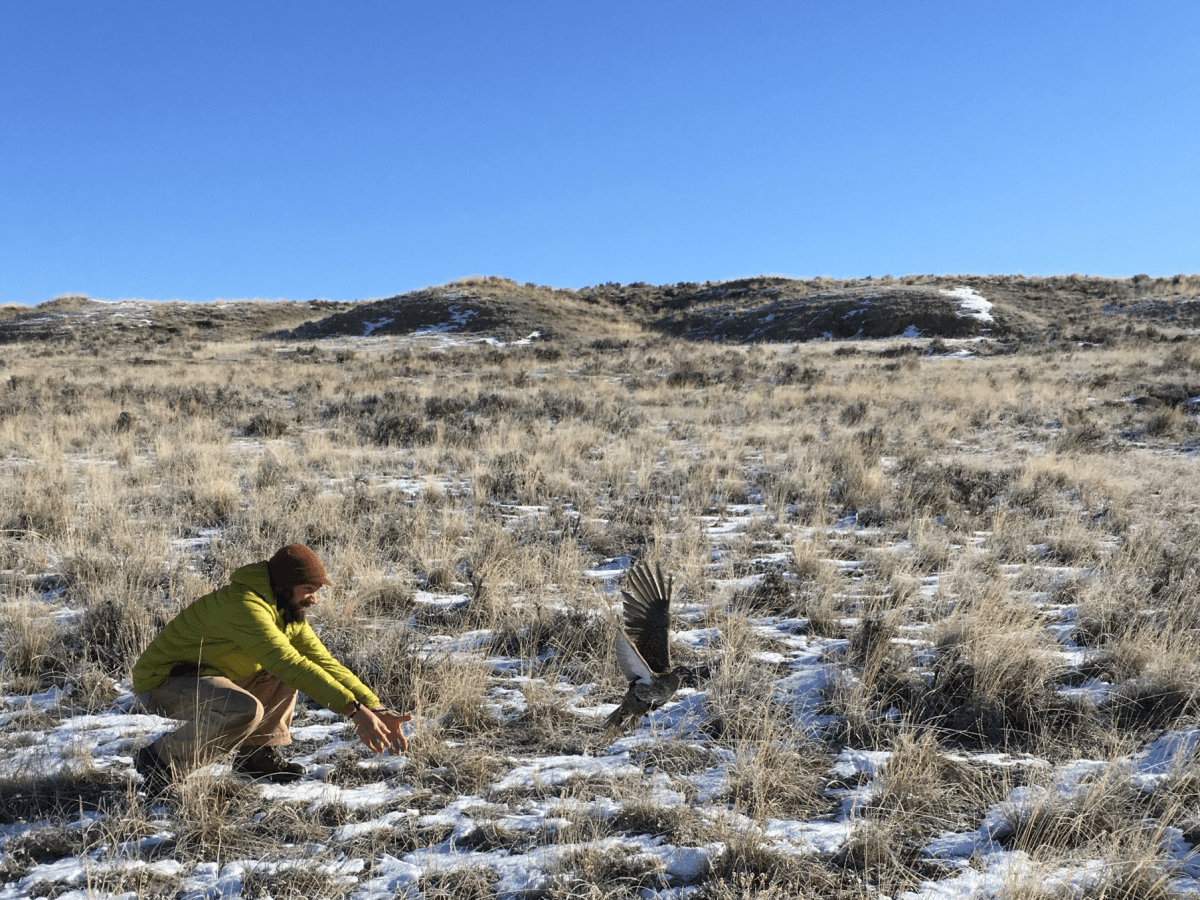
The wildlife monitoring regulations now in effect for Wyoming coal mines date to 1995 and span four pages. They outline mandatory measures like conducting a “raptor monitoring and mitigation plan” that assess nest locations and status — data that must be logged in an annual report. Another provision requires an inventory of designated big game seasonal ranges before a mine site is excavated, while another guideline calls for mining companies to search for and monitor sage grouse lek sites annually.
Coal mining companies did not drive the proposed rescission, said Muthu Kuchanur, the natural resources program manager for DEQ’s Land Quality Division.
“We are not permitting any new coal mines,” Kuchanur said. “There are no real actions that we are pursuing right now.”
Although the Trump administration has attempted to stimulate the industry, Wyoming coal mining is about half of what it was 15 years ago and interest in leasing new deposits has proven tepid. The last new coal mine permitted by DEQ was back in 2021, Kuchanur said.
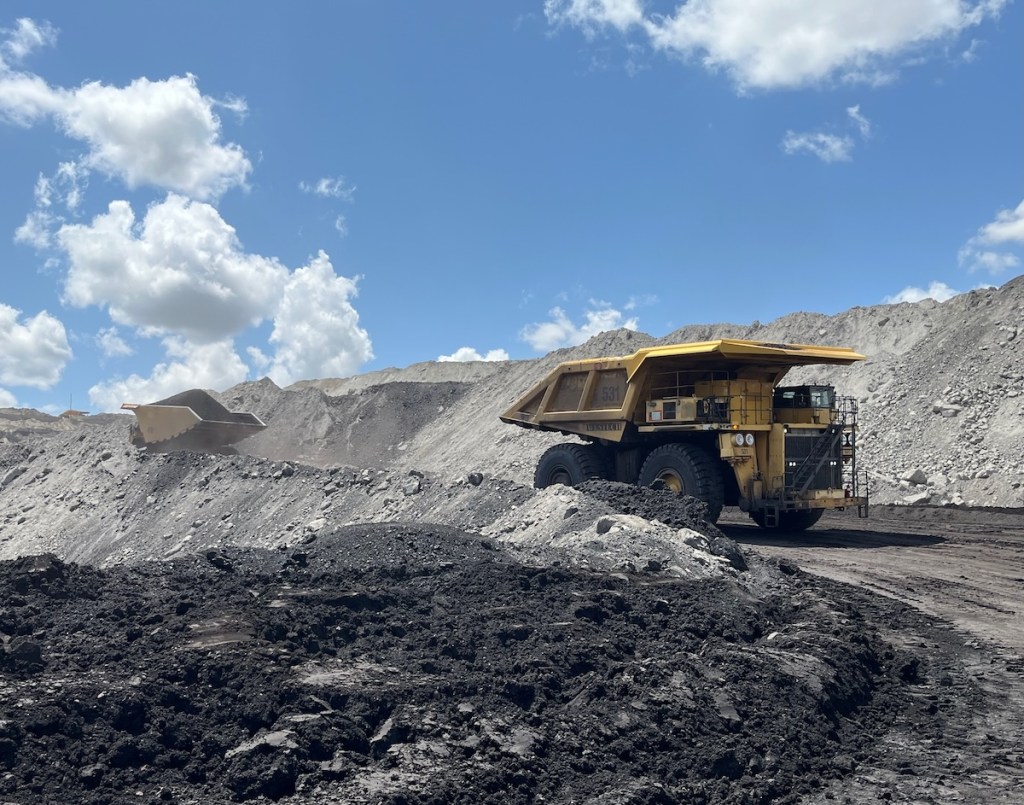
Instead of advisory board members discussing the proposed policy change on Thursday, they used the meeting as a “listening session.” There were a couple dozen attendees, including coal industry representatives, wildlife consultants and environmental advocacy groups.
Gwyn McKee, president of Banner-based Great Plains Wildlife Consulting, pointed the advisory board toward her written comments. In that letter, she urged the advisory board to deny the repeal of DEQ’s wildlife monitoring regulations, writing that her concerns were not about her own job security.
“As they always have been,” McKee wrote, “my concerns are about the welfare of the wildlife resources and the best interests of the coal mines to continue to be able to operate with the relative freedom (in many cases) from more restrictive Federal wildlife-related regulations based on their collective responsible approach to coal recovery.”
No parties spoke up in support of DEQ’s proposal to eliminate standardized wildlife monitoring requirements.
Donna Birkholz, executive director of the Powder River Basin Resource Council, told the advisory board members that she scanned the public comments DEQ received and that one “across the board” concern was “really clear.”
“People are really afraid that, with the removal of [the regulations], enforcement and consistency long-term in monitoring wildlife would potentially be lost,” Birkholz said. “If Wyoming chooses to have more stringent requirements, that’s a bonus for the people of Wyoming, for our landscape, for our mines, and for our future.”
Jamie Olson, who manages environmental affairs for the Thunder Basin Coal Co., told the DEQ advisory board that her company was still preparing its formal comment. But as the regulated industry, she said, it’s “important” to have “clear and concise guidance, so that we can obtain our permits and achieve compliance with those permits.”
Olson also encouraged DEQ’s Land Quality Division to handle wildlife consultation with Game and Fish directly, so that the onus didn’t fall on industry.
The DEQ advisory board on Thursday also fielded some criticism about how its agency’s proposed regulation change had been communicated.
“There was no statement of need, purpose, or reason for the changes,” said Bruce Lawson, a Casper resident and retired mining industry whistleblower. “If you could do something like that in future public notices, it might reduce a lot of angst and concern for interested parties — it would have for me.”
WyoFile was not able to reach the Wyoming Game and Fish Department for an interview before this story was published.


Wildlife continues to suffer for energy. You can’t have both at these levels and concern, this administration and Wyoming is taking away hunting. Check back in 25 years and let me know how things are. The last 25 have not been good for deer and antelope.