

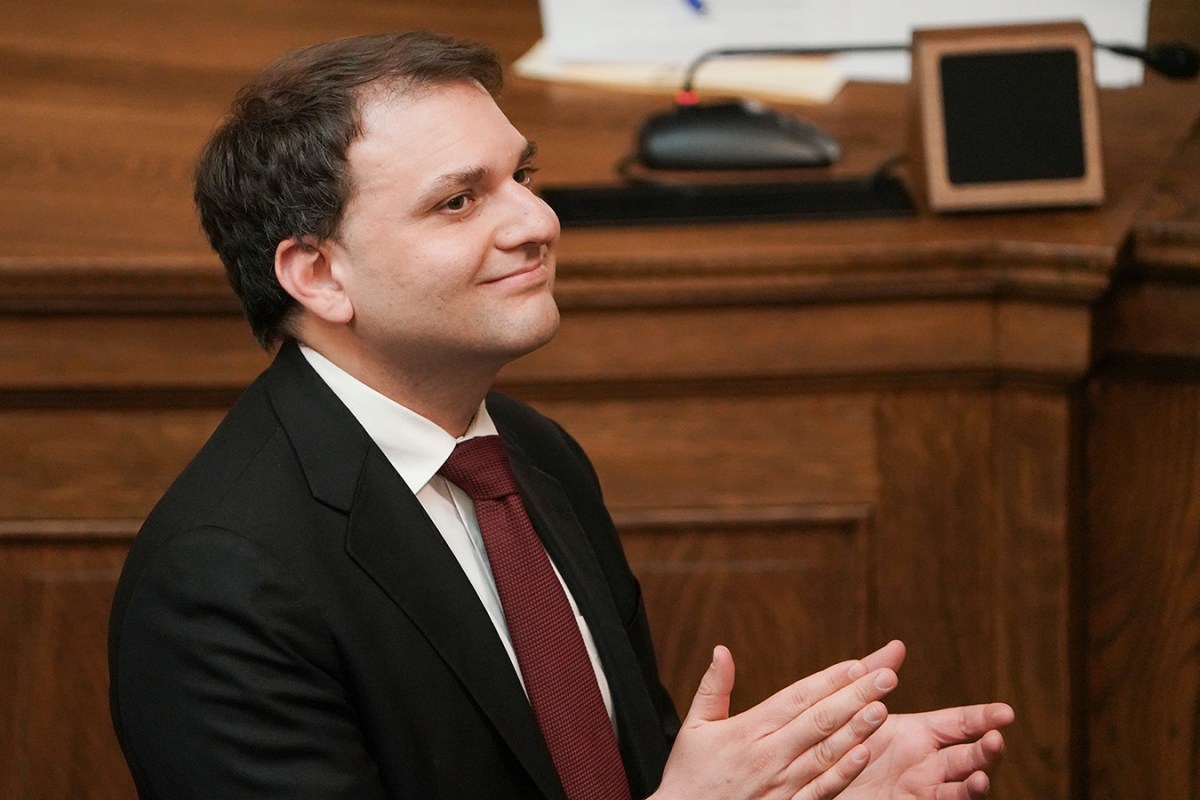
Two groups of attorneys declined to bring criminal charges over a complaint alleging Secretary of State Chuck Gray may have broken state law when he shared sensitive voter data with the federal government in August, a new court filing from the Wyoming Attorney General’s Office states.
Attorney General Keith Kautz “authorized two independent evaluations” of Cheyenne attorney George Powers’s complaint, according to the document. The attorney general’s office conducted one of these evaluations by creating a “Chinese wall,” or an internal information barrier, it says.
An unnamed private Wyoming law firm and a Wyoming county and prosecuting attorney conducted the other evaluation. Kautz’s office didn’t respond to WyoFile’s inquiry about the identities of the law firm or the county and prosecuting attorney by publishing time.
Both groups of attorneys decided not to pursue criminal charges, the document states.
In a Tuesday statement, lawyers representing Cheyenne attorney George Powers, who filed the complaint, demanded that the Attorney General’s Office immediately make the reports public.
“Justice requires a truly independent review — by someone the Attorney General did not choose,” the lawyers state. “Elected officials are not above the law, and they deserve no special treatment when they are accused of misusing the power the people gave them.”
In April, Powers filed a complaint against Gray for handing over the driver’s license numbers and partial Social Security numbers of every registered Wyoming voter to the U.S. Department of Justice at that agency’s request. Gray has stood by the move, arguing it was in the name of election integrity and made in consultation with the attorney general.
He has accused Powers of trying to undermine his office’s “work on election integrity,” describing Powers’ filings in a Tuesday text message as “nothing more than lawfare and weaponization of the legal system by leftists and the insider media, who have ignored the many states that have complied with this lawful request from the Department of Justice.”
“This shows once again that Powers is wrong,” Gray wrote. “I have and will continue to stand for the truth, and I will continue to comply with the law and advance election integrity and voter list maintenance, which is pivotal to our elections.”
Powers says Kautz has a conflict of interest because his office advised Gray. He asked the attorney general to refer his complaint to an independent party. But after filing the complaint, Powers said Kautz had kept the public in the dark about its status.
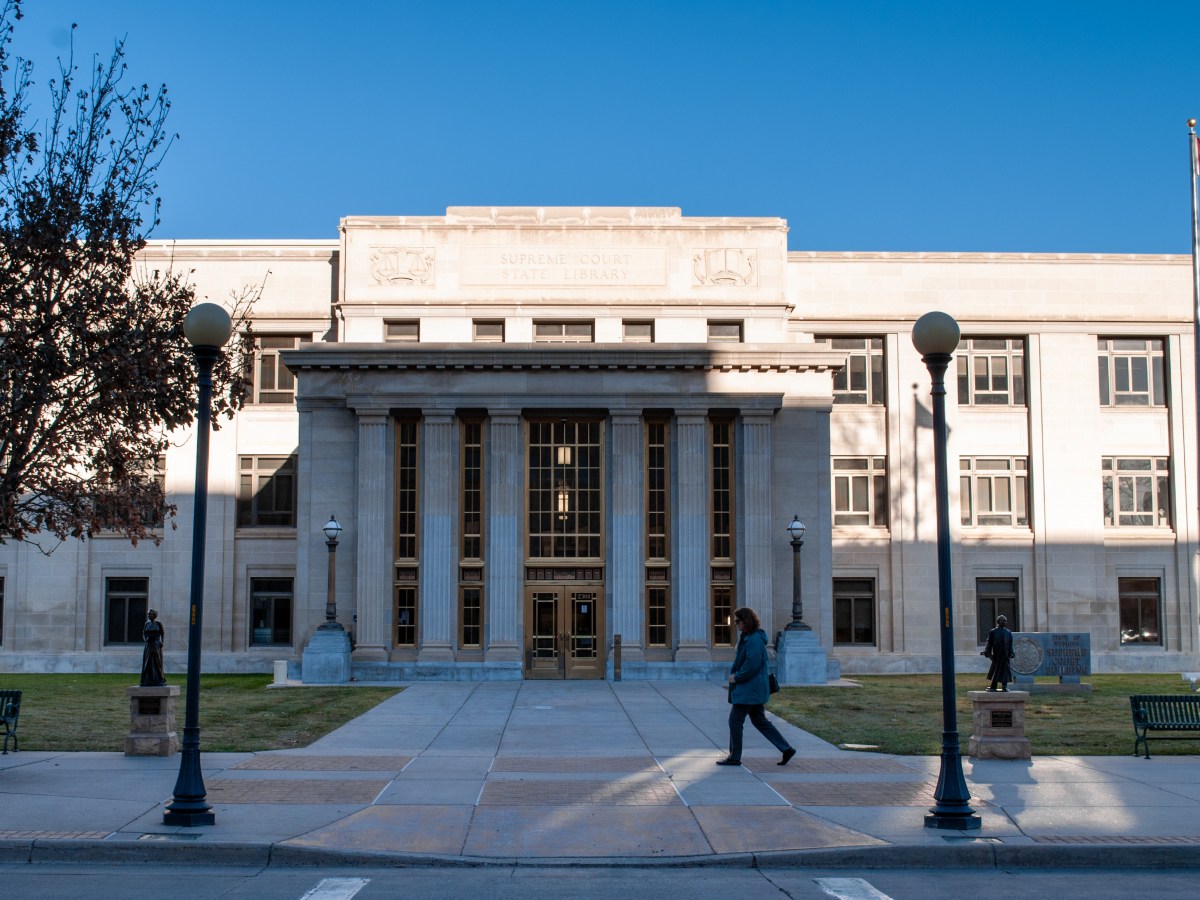
Powers filed another petition in early June asking the Wyoming Supreme Court to intervene in his complaint. That petition asked the high court to order Kautz, himself a former supreme court justice, to recuse himself and his office from investigating the allegations contained in the complaint, and to appoint an independent prosecutor to handle the matter.
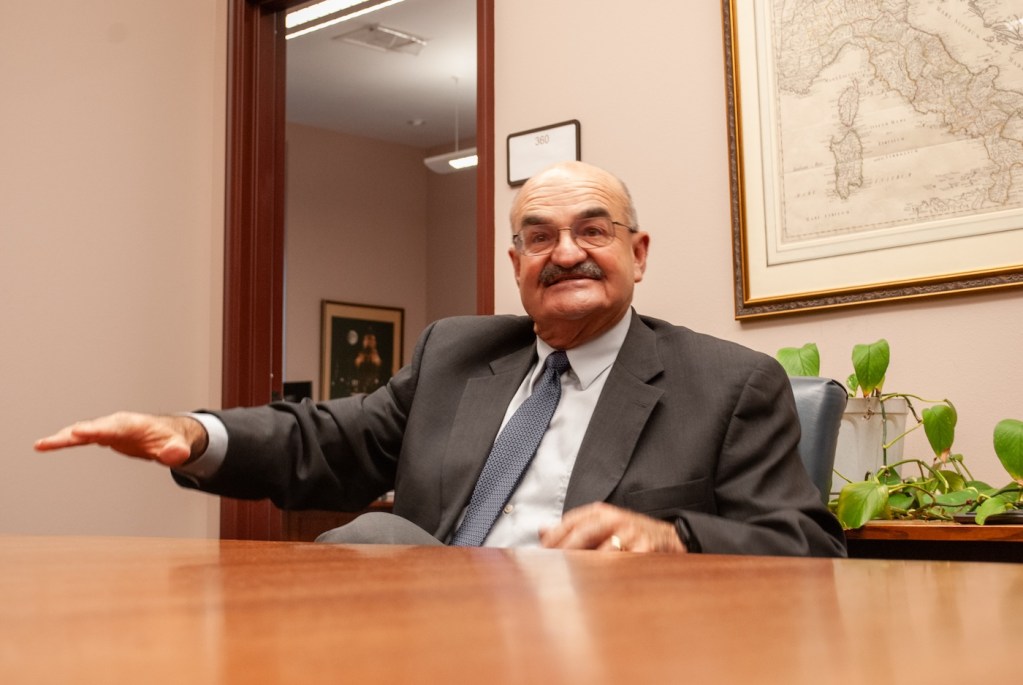
The petition asks for a writ of mandamus — a legal action that allows a court to order government officials to perform their public duties. Because it’s considered an extraordinary remedy, courts only grant writ of mandamus petitions if they meet certain requirements, including a clear right to relief, a defined duty to act and no other legal recourse in the matter.
Casper-based attorneys Ryan Semerad and Rob Shively are representing Powers.
Kautz said in reply to the petition that “shortly after” Powers filed his complaint, he “authorized two independent evaluations” that fulfilled all of Powers’ requests. Those evaluations didn’t result in criminal charges. Powers filed his petition to get the Supreme Court involved before Kautz could announce the attorneys’ conclusions, the response states.
In their statement, the lawyers representing Powers emphasized that one review was done within Kautz’s own office, “the office that represented Secretary Gray and claimed privilege on his behalf.”
“The other was done by lawyers he picked and deputized,” the statement says. “That is not independence. The office that advised Secretary Gray has now cleared Secretary Gray. No one may judge his own cause.”
Last year, the Justice Department started asking states to hand over election-related records and data, including copies of statewide voter registration lists. The Trump administration has argued its efforts are intended to keep elections secure.
In response, most states either provided publicly available versions of their voter registration lists — data sets without sensitive information — or refused to provide such records, underscoring the fact that the U.S. Constitution explicitly tasks states, and not the federal government, with administering elections. Many states also raised privacy concerns.
Wyoming, meanwhile, was the first of 15 states to fully comply.
In his April complaint, Powers cited three separate state laws, including one that makes it a felony for an official to violate the election code and another that specifies the confidentiality of certain election records.
Kautz acknowledged the complaint in an email to Powers.
“Our office received your Complaint of April 13 and a Supplement on April 17, 2026,” Kautz wrote. “We will address them in accordance with our office policies, the law and the Wyoming Rules of Professional Conduct for Attorneys at Law.”
Records indicate that Powers wrote back several hours later, thanking the attorney general for acknowledging the complaint and asking him what the office’s policies are and where he could find them.
“There are no written policies,” Kautz responded 30 minutes later. “No response will be forthcoming.”
According to the new court filing, Powers emailed and tried to reach Kautz by phone “several times” after filing the complaint, demanding that Kautz “answer his questions about any investigation.”
“The Attorney General did not provide Mr. Powers any information about whether and how an investigation was being conducted, but told him that investigations and charging decisions were not conducted in the public square,” the attorney general’s response states.
The response states that the case is “moot.” It argues that Powers doesn’t adequately demonstrate a particularized injury that would give him standing in the petition, and that he failed to show that Kautz hadn’t “properly addressed” his complaint.
“Mr. Powers does not allege or assert the Attorney General has refused to address any ethical conflict,” Kautz says. “Instead, his core complaint is that the Attorney General did not share information about any investigation into whether Secretary Gray willfully violated the election code.”
Kautz’s decision to “not disclose information about the investigation is consistent with prosecutorial standards,” the response states.
Kautz also argued that prosecutors have “discretion in deciding on whether to communicate about an investigation with the complainant or the public.” That decision “is subject to ethical cautions related to the potential defendant and the possible effect of such communication on an eventual prosecution, should the prosecutor decide to proceed.”
The lawyers representing Powers asserted that the case isn’t “moot” and reiterated their central question:
“By his own admission, the Attorney General had a decision not to charge the Secretary in hand before Mr. Powers ever filed — and said nothing,” the lawyers stated. “He cannot keep a citizen in the dark, force him to sue, and then call the lawsuit unnecessary. The question he still refuses to answer is simple: how can Secretary Gray’s own lawyer decide whether Secretary Gray broke the law?”
WyoFile staff writer Maggie Mullen contributed reporting.
This story has been updated with statements from Gray, Semerad and Shively.


Gray is an embarrassment to the state of Wyoming…
We keep arguing over what’s legal versus what shows integrity. The Epstein Files, January 6th, the Iran War, the SAVE Act, bodily autonomy. This is all cowardice dressed in legal robes.
In the reddest of the red states should we not expect our elected representatives to be first in line to the ring of “Beloved Leader”. Ya get what ya vote for folks! I cannot for the life of me understand why any one would want to sell out their private information!
Has there ever been a more slippery weasel in Wyo politics than Gray? This Kautz character seems to not want to live up to his actions in giving Gray a pass on this data transfer to the Feds. We’ll remember this, Chucky, at the polls in August
Once again the MAGAmorons throw sand in our face.
Regardless, the court of public opinion has found Gray to be a sellout, traitor and a snitch. Isn’t it oh so wonderful that a supposed anti big government guy would handily submit our private information to the DC chump squad? See you August 18, you little peon