


Last winter’s low snowpack spurred many Wyoming ranchers and farmers to get ready for a particularly dry summer. To make matters worse, there’s been unrelenting heat and very little rain.
“We could see it coming all winter,” Upper North Platte Water Users Association board member Jeb Steward told WyoFile this week.
Stock growers in Carbon County, where Steward lives, began culling cow-calf pairs as it became evident that spring runoff had peaked early (March, in many cases) and as first-in-time-first-in-right irrigation restrictions came early, prompting many to spend their limited, legally available water on hay pastures to graze instead of growing feed, he explained.
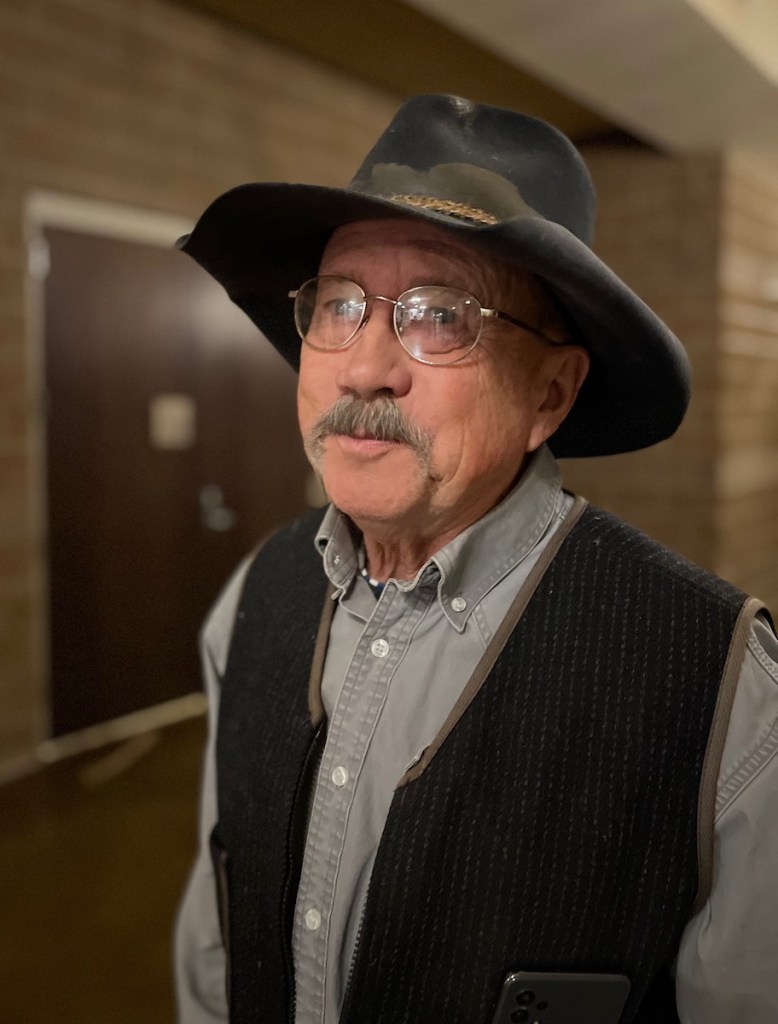
“I know of a few — they’re going to move their [remaining] cattle to Nebraska in the fall and put them on corn stalks,” Steward, a former Wyoming legislator, said. “They’re just trying to figure out ways to stay in business.”
Mountain-fed waterways that typically help wet crop and pasture lands in Steward’s neck of the woods are parched. One tributary feeding the Encampment River at Riverside is “damn near down to a piss-trickle,” Steward added.
About 80% of the Cowboy State is in severe drought or worse — 45% is suffering extreme drought, according to the U.S. Drought Monitor. Wyoming State Engineer Brandon Gebhart delivered a dire water report to the Legislature’s Select Water Committee last week detailing water- and drought-related hardships throughout the state.
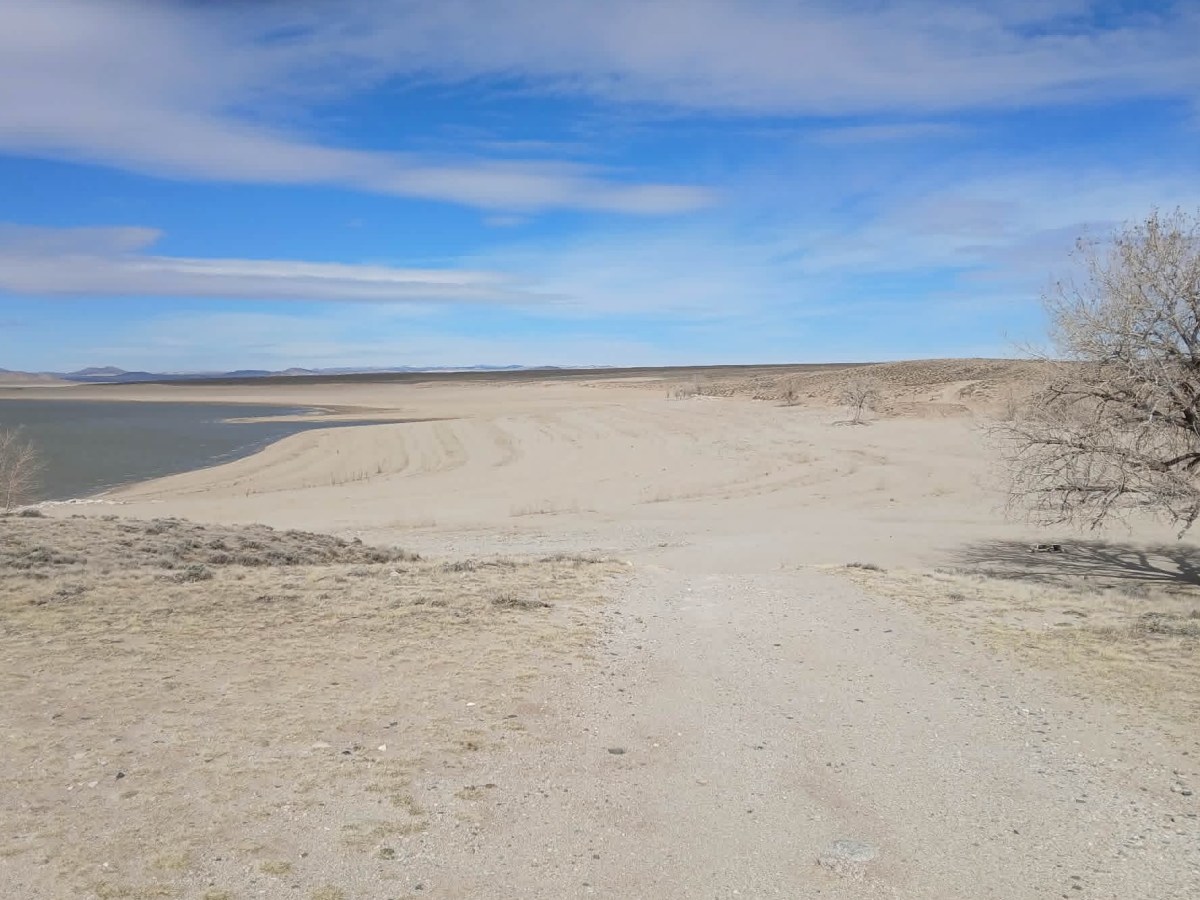
In January, his agency began juggling dozens of legally enforced water restrictions throughout the state, including some that limited water use for those who have primary access to water based on first-in-time-first-in-right ownership dating back to the 1800s, Gebhart said. Many small reservoirs are approaching, or have already reached, “deadpool,” meaning no water can flow downstream. Some irrigators were forced to shut their spigots after just 10 days or less, he added. If the next water season is a repeat of this season, water users reliant on the North Platte River could see restrictions imposed on them from downstream Nebraska for the first time in decades.
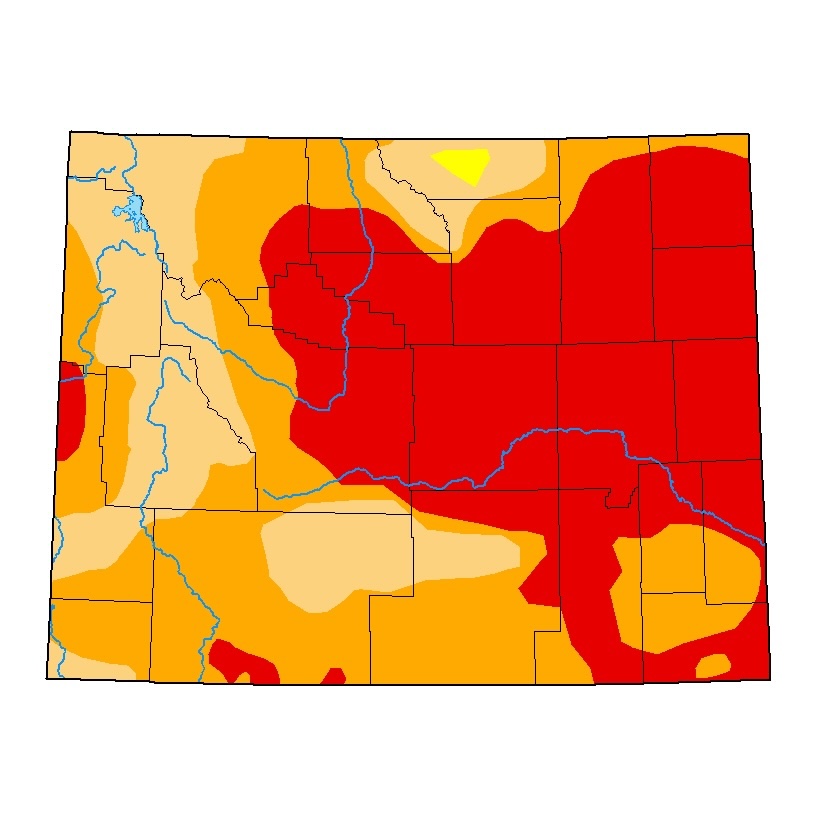
“Some of the drainages in our state continue to be on pace to be the lowest on record,” Gebhard told the legislative panel, noting that this year rivals 2002 as among the driest in recent history. “It looks like we’re on pace, in some of our portions of the state, to track that or even be worse than 2002.”
The U.S. Department of Agriculture’s “pasture and range condition” index rated half of Wyoming as “very poor” earlier this month. Averaging 76.9 degrees Fahrenheit, July was the “warmest on record” since 1895 throughout the contiguous United States, according to the National Oceanic and Atmospheric Administration.
“Wyoming recorded its warmest July and warmest month on record, with temperatures 5.1 [degrees Fahrenheit] above average and 0.9 [degrees Fahrenheit] warmer than its previous July record set in 2007,” NOAA said.
High-n-dry
Perennial streams are a rare commodity in northeast Wyoming, forcing ag producers to be adept at making the best of ephemeral flows from spring runoff. But many ponds and springs have already dried up.
“It’s pretty serious,” Niobrara County rancher Jeb Hanson told WyoFile. It’s so dry that when a heavy rain came through a few days ago, it petered out in five minutes, and within an hour the wind kicked up a dust storm in the same spot.
“It’s getting where the grass fires aren’t moving real fast because a lot of places don’t have a lot of grass [to burn] anymore,” Hanson said.
Water wells are expensive to drill here, Hanson said, but the investment — for those who can afford it — is key to surviving a dry year like this one. “It’s normally a profitable way to ranch here. But years like this, it’s probably not the best situation. We’re not as drought-proof as someone that’s close to a big river.”

About 100 miles north, outside Moorcroft, Thayne Gray is wrestling with a choice common to cattle ranchers across the state. You can significantly trim your herd — after all, cattle are fetching strong prices, and ranch operations need the extra cash for supplemental hay to get the rest of the herd through the winter. But it’s a gamble, Gray says. Cows might be more expensive next year, and it takes time to replenish a culled cow-calf herd.
“Our thought is to keep as many cows as possible because of the low national herd inventory,” Gray said. He figures the ranch will have to spend 30% more on hay this year, which is approaching $300 per ton.
“Hopefully, the banks will carry us through with theories of better times to come,” Gray said. “So, yeah, we’re enjoying high [beef and cattle market] prices right now, but high inputs are keeping us from just really raking in the dough.”


This article makes it seem the business model used by most Wyoming ranchers is becoming ever less viable. It was always a gamble to raise cattle on Wyoming’s arid steppes. It is not rational to base one’s livelihood on hope, which is what it seems many ranchers are doing today.
Is it easy to get a loan to bridge the bad years, or harder today than in the past? Banks are not in business to lose money in support of a dying industry. According to the Kansas City Fed, banks are making fewer non-real estate related loans to Wyoming ranchers than in the past. These loans are crucial for operational expenses and livestock financing.
When stock ponds and the spring streams that fill them dry up and when the cost to drill a 500-foot well in Wyoming typically ranges from $30 to $35 per foot, which would total approximately $15,000 to $17,500, continued operation becomes more of a weather dependent crapshoot than rational.
There are approximately 5700 cattle ranches in Wyoming and most are owned by families. Many of them supplement raising cattle by selling hunting leases and including land appreciation in assets.
The families who can think “out of the box” and come up with innovative ways to marshal ranch resources will survive, and thrive. Those who hold onto the old ways will likely fade away, mired in debt and bankruptcy.
Business these days, even for small businesses, is all about creating markets for innovative products, and then using social media to sell them. Perhaps raising cattle on the arid plains in relative isolation from the modern world can no longer be “Wyoming Ranching.”
Oh, don’t worry, the BLM and USFS will let these ranchers dump their cattle loose on the already beaten down public lands to get that last blade of grass, all at a rate of 4.5 cents per day per cow & calf
Meat prices will continue to go up.