

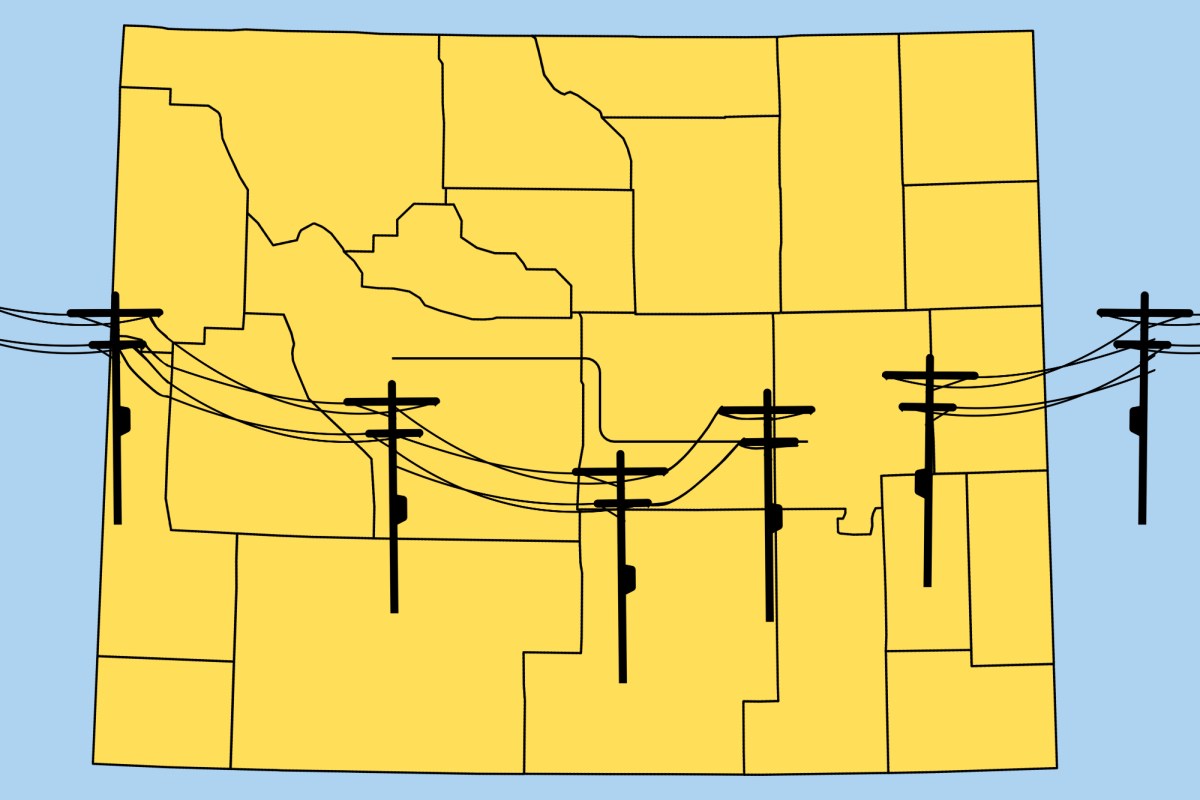
The federal government is backing an electric power line intertie in Wyoming that will double the flow of electricity between the eastern and western grids, the U.S. Department of Energy announced Tuesday.
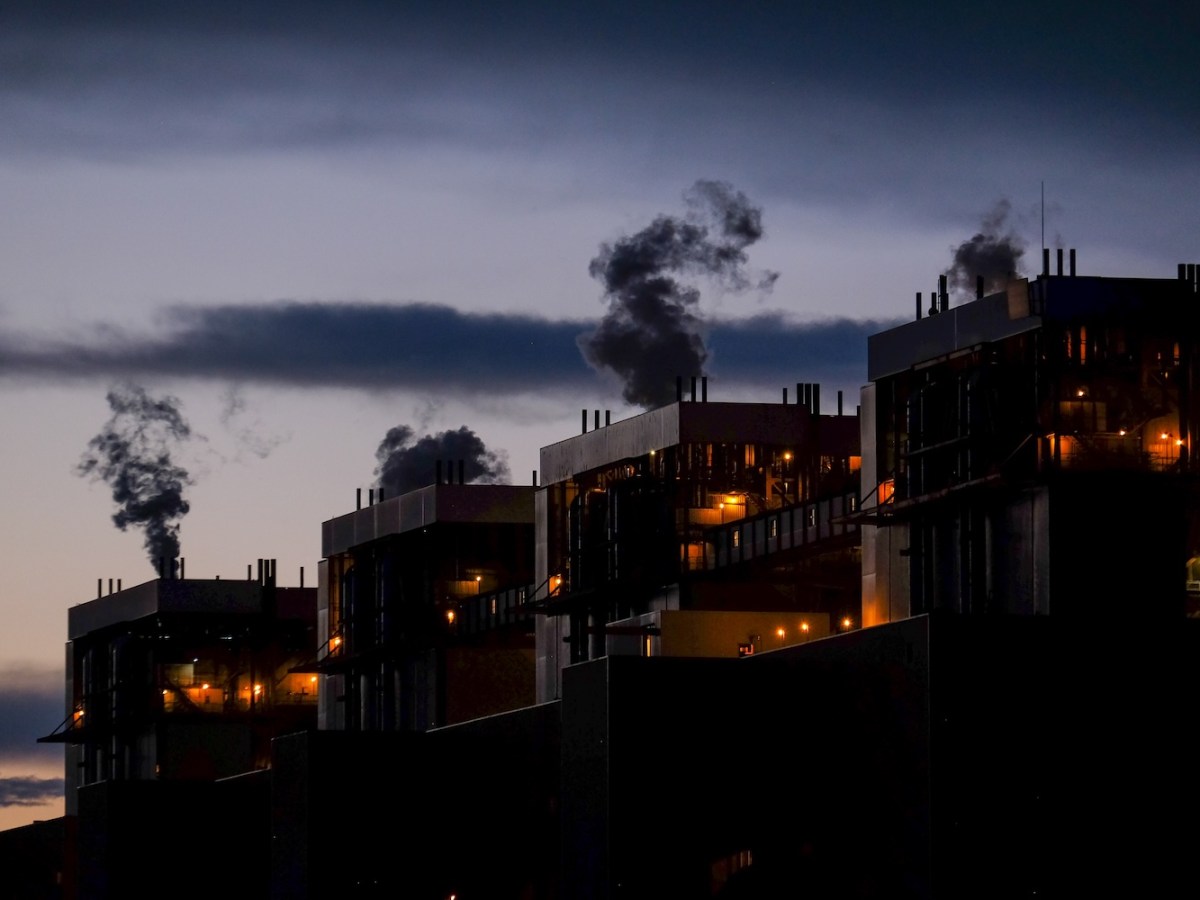
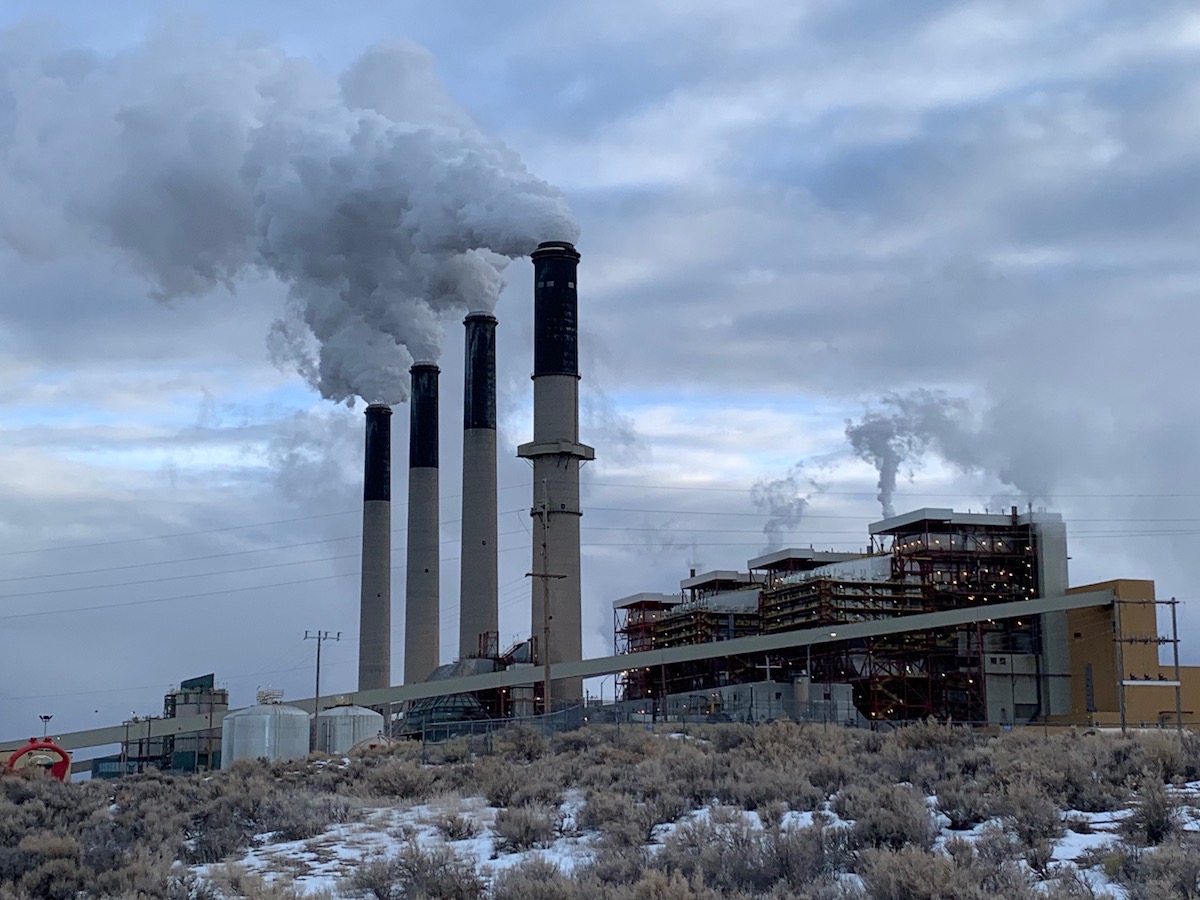
Houston-based Grid United’s $4 billion project, backed by a $2.8 billion “conditional” loan from the federal Energy Dominance Financing program, will string high-voltage lines from the Laramie River Station coal-fired power plant outside Wheatland 106 miles west to the Aeolus substation near Medicine Bow.
The bidirectional connection allows for system operators and utilities to flow electricity either direction, “strengthening the grid and giving operators new tools to respond to surges in demand or outages,” Office of Energy Dominance Financing Director Gregory Beard said in a Tuesday press conference.
“The bridging of these neighboring systems with a transmission line,” Beard added, “provides more reliable energy flows, lowers ratepayer electricity bills and stabilizes the grid, especially during extreme weather conditions.”
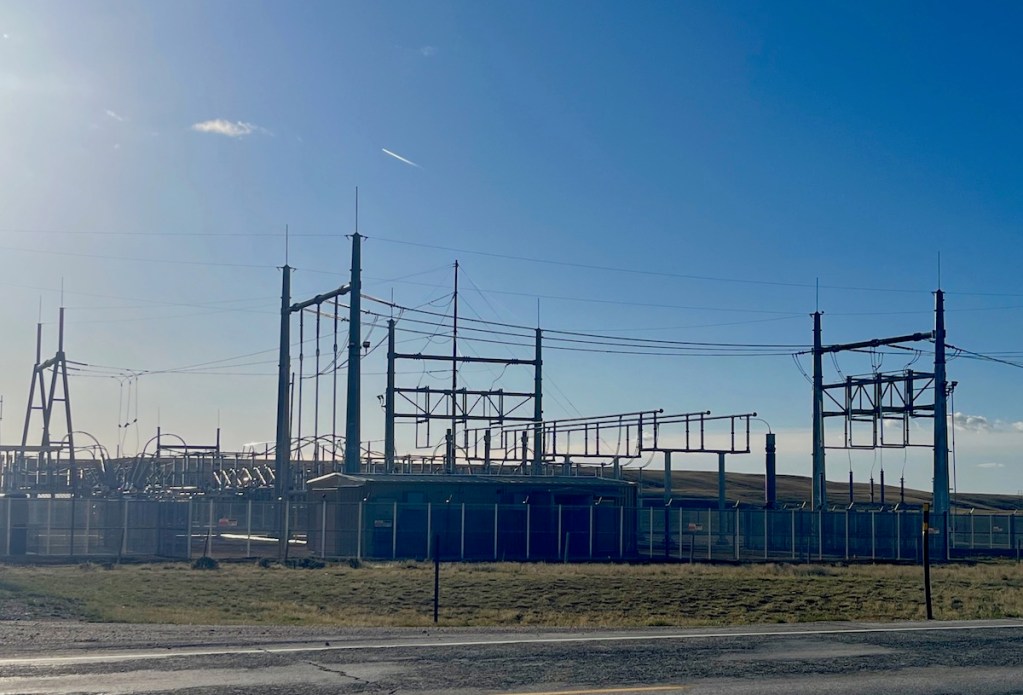
Wyoming sits in the western grid, and the edge of the two grids essentially trace Wyoming’s eastern border. Laramie River Station is one of the few power plants with access to both grids, likely making it an ideal location to beef up a connection between the two systems, Wyoming Energy Authority Director of Energy Market Development John Jenks told WyoFile.
“It adds flexibility to energy being dispatched onto the grid,” Jenks said. “We can send electricity east if we have excess electricity, or we can take it from the east. For Wyoming electricity producers, it’s expanding the markets to dispatch and sell their electricity.”
Though the project does not rely on building additional electrical generation capacity, it will certainly enable new power projects, Beard said. “There are certainly growing electricity demands nationwide and on both sides of this interconnect. So this [helps] solve a current problem.”
The three-year construction of the intertie is expected to begin in 2030. Once completed, it is estimated to save ratepayers in Wyoming and 17 other states a combined $39 billion in avoided costs over the next 30 years, according to the DOE. Beard underscored the estimated savings, crediting President Donald Trump for his “energy dominance” initiatives, including his Strengthening the Reliability and Security of the U.S. Electric Grid executive order.
However, Jenks cautioned that the intertie won’t necessarily lower rates for Wyoming customers. It could avoid occasional price spikes, which are passed on to customers, by providing flexibility to ship available power to where it’s needed during times of imbalance.
“It can dispatch generation resources more efficiently, which should — in theory — lower electricity bills,” he said. “It might be a stretch to say it will [lower monthly bills], but that’s the theory behind it.”
The Platte County to Carbon County route consists of about 90% state and federally owned land, according to Beard, and the project may receive fast-track permitting.
“This is not going to have issues around land acquisition or condemning properties to put the transmission line up,” he said. “There will not be protests in the street over condemning land to get this line up.”
Grid United says it’s still working with tribal nations and landowners to finalize the route.
“The route will remain proposed until it receives approval from county, state and federal regulatory bodies,” according to the company’s Wyoming Intertie website. “Construction will commence after Wyoming Intertie secures land rights and regulatory approvals.”
