


JACKSON—Chris Servheen was the U.S. Fish and Wildlife Service’s grizzly bear recovery coordinator for 35 years. Nevertheless, he’s not sure what to make of a new rule from the agency, published in the federal register today, intended to increase management flexibility of grizzlies for state wildlife managers.
“It’s really obtuse and hard to figure out,” Servheen said.
The proposed rule appears to promise additional management flexibilities for areas where grizzly bears have achieved recovery population objectives, such as in the Greater Yellowstone Ecosystem.
Authorized agencies would have to create management plans and conservation strategies to enter into an agreement with the federal wildlife agency for additional exceptions.
The Fish and Wildlife Service “would maintain oversight, by reviewing annual monitoring reports submitted by the authorized agencies” and could revoke additional management privileges if conditions are not met, according to the proposed rule.
“To say they haven’t been managing the bears does a great disservice to those hardworking state bear managers who have been doing this for decades.”
Chris Servheen, retired U.S. Fish and Wildlife Service
Grizzlies will still be listed under the Endangered Species Act, and hunting will not be permitted. Authorized agencies will have to submit an annual report detailing location, date and type of all captures, relocations and mortalities to the Fish and Wildlife Service.
State wildlife managers currently trap, relocate and kill grizzly bears with prior authorization from the Fish and Wildlife Service. It’s unclear whether that case-by-case permission would still be required under the new rule.
Hilary Cooley, the service’s grizzly bear recovery coordinator, did not respond to a request for comment by press time.
The service is already permissive of management actions, Servheen said.
“I’ve heard a couple of people describe this to me as a big nothingburger,” he said. “It doesn’t really change that much.”
Sportsmen advocacy organizations, like the Wyoming Wildlife Federation and the Boone and Crockett Club, have celebrated the potential for increased state management.
Wildlife advocates, meanwhile, are uneasy about the move.
“The consensus amongst everybody I talked to is that it’s leaving things really vague,” said Kristin Combs, executive director of the Wyoming Wildlife Foundation. “We think that might be on purpose, so that there is room for the states to do a lot of different things.”
Those agreements could allow for more liberalized killing, but, as stated, the rule is “not a huge departure from what they’re already doing,” she added.
Public comment on the rule will be open through Aug. 17, and comments may be left at Tinyurl.com/GrizComments.
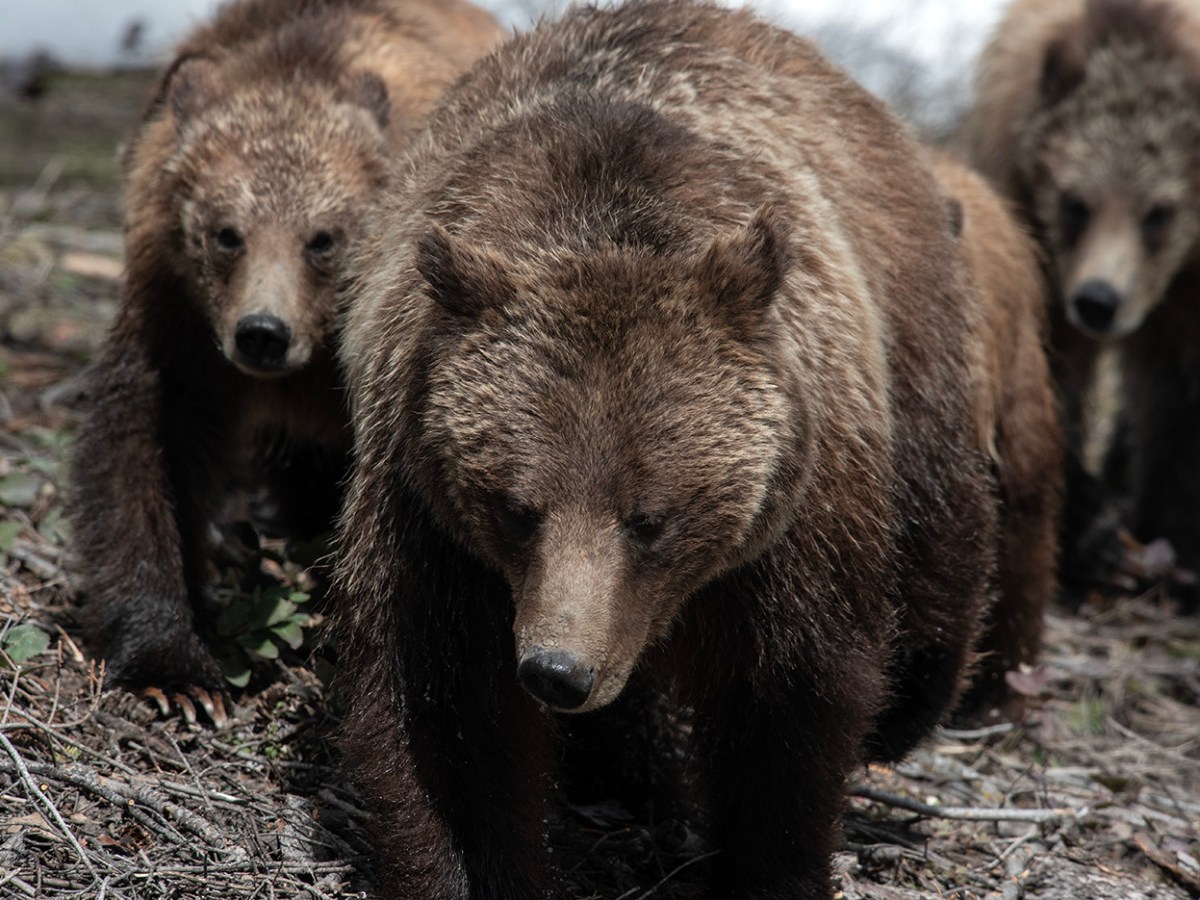
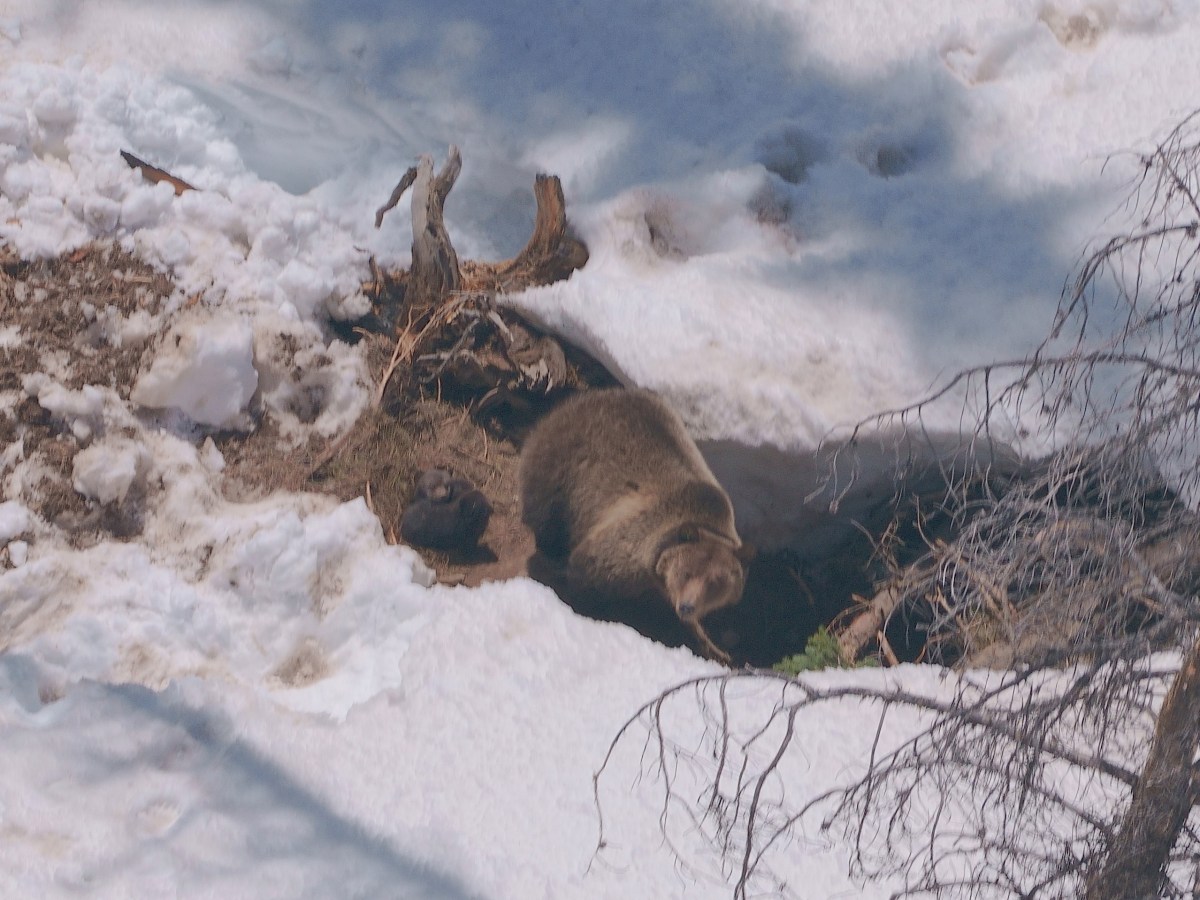
Secretary of the Interior Doug Burgum has hailed the move as returning management of bears to the West. Advocates are dubious of that categorization.
“It seems like a stretch here,” Servheen said. “Certainly they didn’t delist the grizzly bears.”
States have taken the lead on day-to-day management of grizzlies for nearly 40 years, he said.
“To say they haven’t been managing the bears does a great disservice to those hardworking state bear managers who have been doing this for decades,” he said.

The incoherence of these new regulations is intentional, intended to operate in chaos of interpretation. They are simply a backdoor to permit trophy hunting.
Robert, I would argue they are a front door for State wildlife agencies to rightfully manage theirs own wildlife, taking backdoor court orders issued by ignorant federal judges off the table.