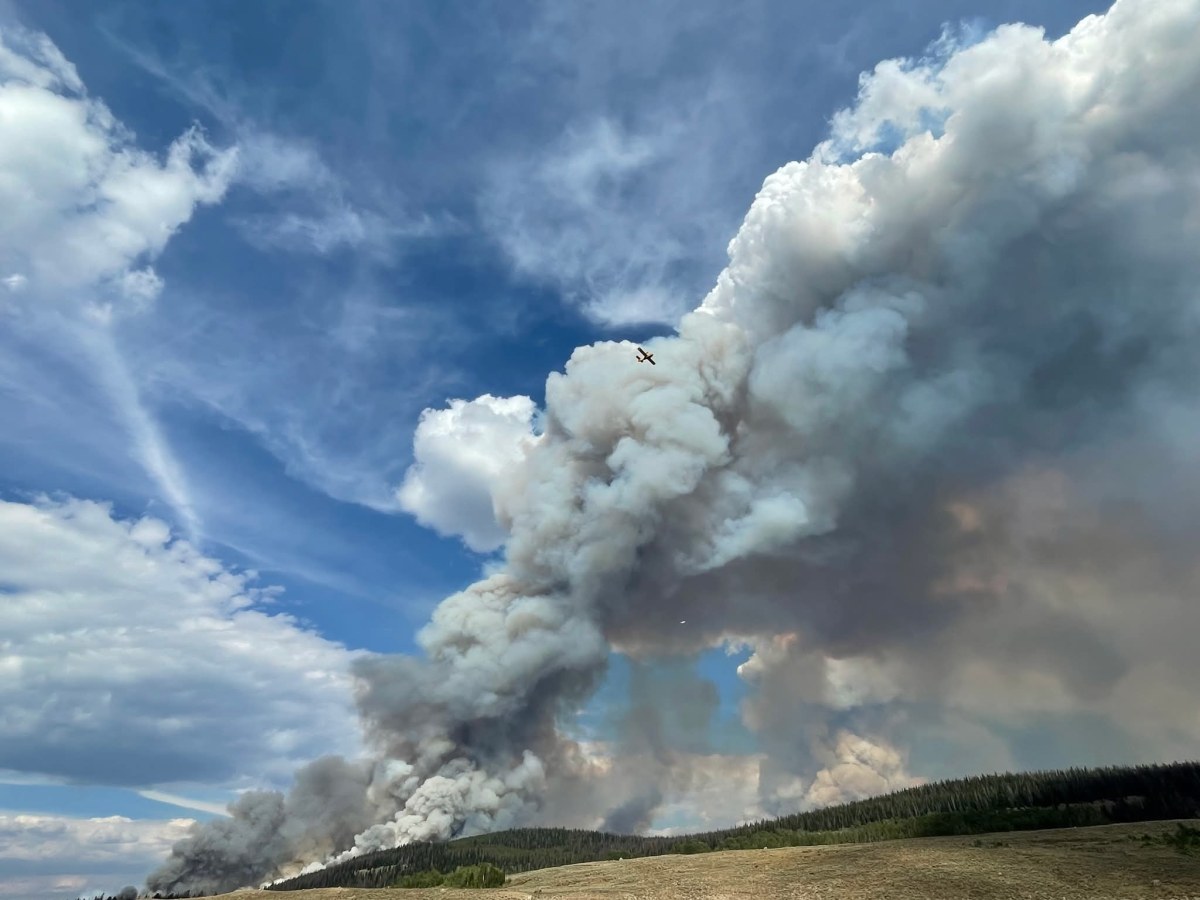
CHEYENNE—Wyoming no longer has a fire season — instead, the state experiences fire year-round.
Even so, as summer approaches, state, county and federal partners are preparing for an active few months.
“You look at the drought monitor and you see dark red, kind of a nasty color of red, all over this part of the country,” Gov. Mark Gordon told a small crowd assembled Thursday at the State Forestry Division Mechanical and Fabrication Shop in Cheyenne for the annual Wildland Fire Interagency Briefing. “What it means is that there’s a fire danger that is far higher than it has been in a long time.”
Wyoming is preparing for an “active and potentially extended wildfire season this year,” Wyoming State Forester Kelly Norris added.
Conditions across the West indicate elevated concern, due to below-normal snowpack, ongoing drought and early drying of fuels, she said. While national predictions indicate Wyoming may experience “average fire potential” during June and July, Norris said that significantly above-average wildfire remains possible.
“Preparedness is essential,” she said.
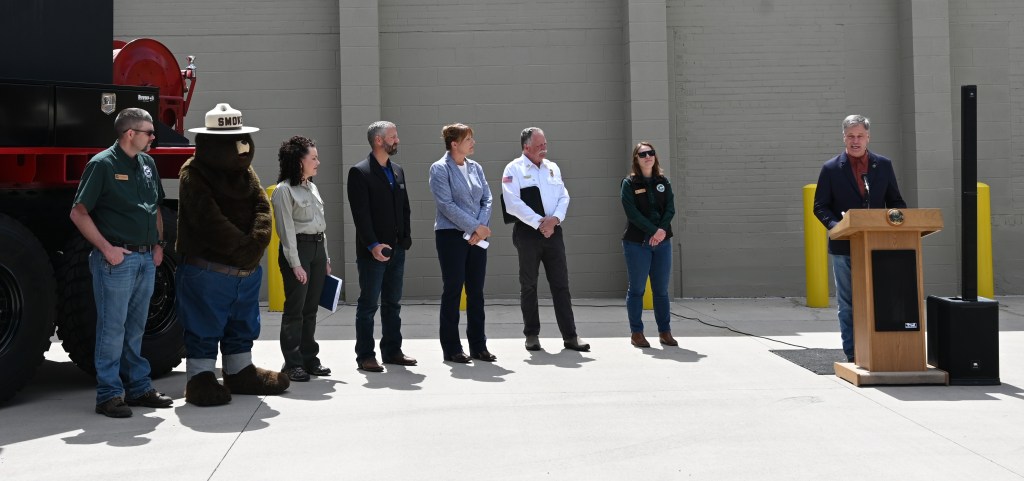
In front of agency partners, including representatives from the Bureau of Land Management, the U.S. Forest Service, the newly established U.S. Wildland Fire Service and the Wyoming Rural Firefighters Association, Gordon urged residents to take care with fire this summer.
“We all love being outdoors. We all love the excitement of the Fourth of July,” he said. “But this year, all of us will benefit if we take extra care and extra precaution anywhere where … there’s potential for fire.”
Legislature boosts protection
For the last several years, lawmakers have supported additional funding for fire response, meaning Wyoming State Forestry has significantly increased its wildfire response capacity, Norris said.
During the last legislative session, two new wildland fire modules were funded, each including a crew of 10 firefighters, permanent fire leadership and fully equipped suppression resources with an engine. One is based in Lander, and the other is in Douglas.
“We’re excited to have these new resources available this season,” Norris said.
Additionally, a new leadership position was added to the Wyoming Smokebuster program, State Forestry’s inmate crew based in Newcastle. The new program manager and staff are currently training recruits and are expected to field a full 20-person crew this summer.
The Legislature also approved firefighter support measures including retirement benefits, hazard pay for specific wildfire suppression activities, and enhanced rest and recovery provisions this year, and, in 2025, lawmakers doubled State Forestry’s aviation program capacity.
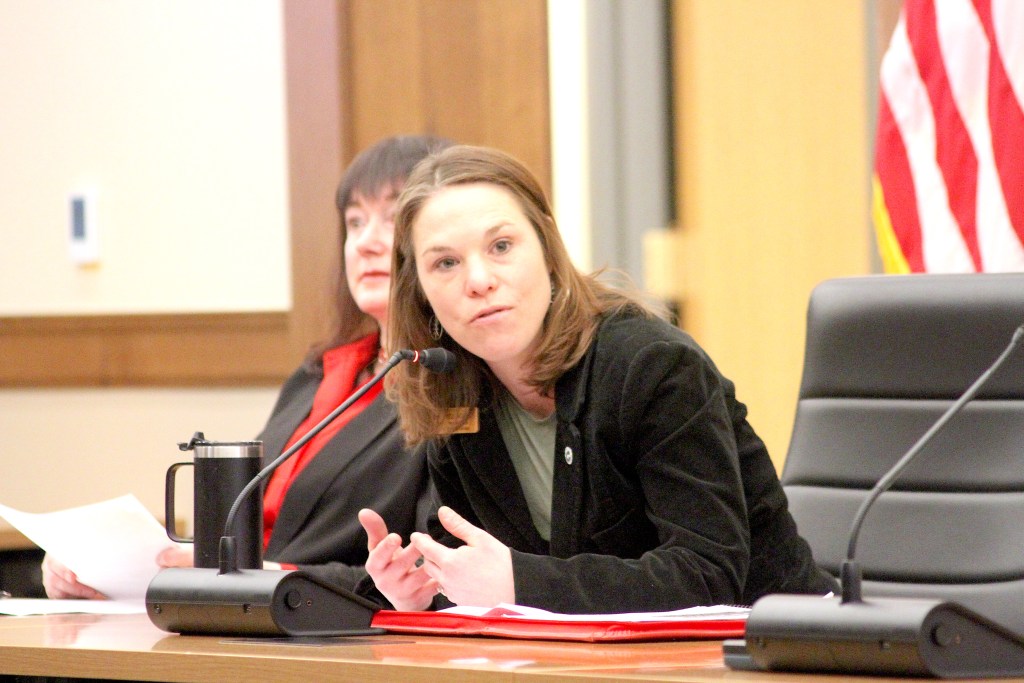
“We’re extremely grateful for these investments in both our personnel and suppression resources,” Norris said, adding that additional capacity will strengthen the state’s ability to protect Wyoming’s communities, watersheds, critical infrastructure and natural resources.
“The legislators themselves experience this,” Norris said. “Last year taught us that these fires happen all over the state.”
Money for wildland fire suppression remains a high priority for Gordon’s office, and much of the additional funding approved for the upcoming season was included in his state budget presentation last November, Gordon said. Many lawmakers “were not all about it to begin with,” Gordon said, but after hearing from county fire departments and professionals across the state, the tide turned.
“I think because they thoughtfully listened, and were thoughtful about what the fire challenges really are, a lot of what we have talked about came to fruition,” Gordon said.
Federal reorganization could mean targeted resources
In January, the U.S. Department of the Interior announced it would establish the U.S. Wildland Fire Service to unify wildland fire management programs across the department’s bureaus and offices, including the Bureau of Indian Affairs, Bureau of Land Management, Fish and Wildlife Service, National Park Service, Office of Aviation Services and Office of Wildland Fire.
Paul Hohn, the newly appointed geographic area fire chief for the Rocky Mountain region of the U.S. Wildland Fire Service, said Thursday that his office has been working to ensure resources are positioned in the proper place for the upcoming fire season. The Rocky Mountain region includes Wyoming, Colorado, Kansas, Nebraska and South Dakota.
On a “daily basis” all summer, Hohn said data-based fire danger operating plans outline and update fire risk in each state.
“We pay close attention to those plans and the data. Weather is a huge factor,” he said. “What our fuel conditions are is too.”
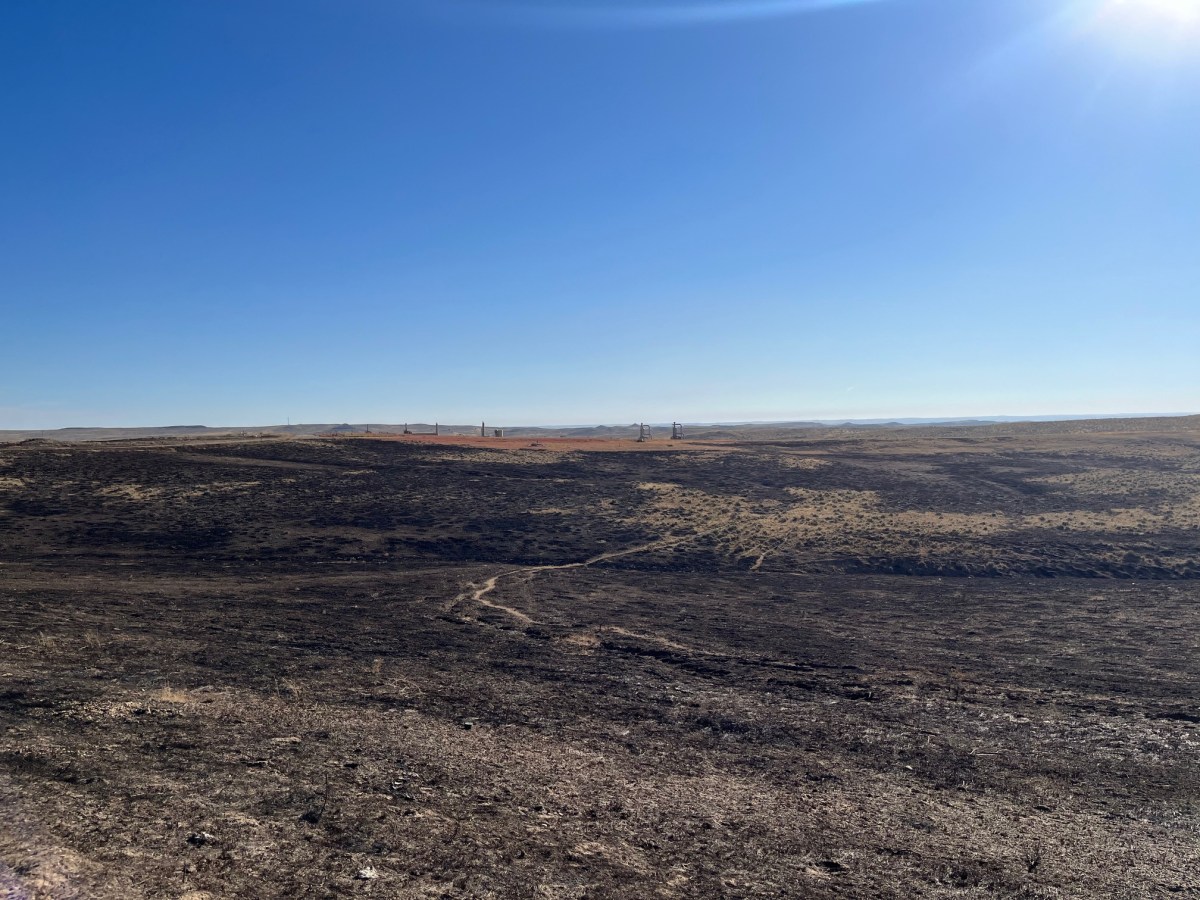

Using an “elaborate system” that monitors fuel moisture across the country, including whether fuels are holding moisture even during high fire danger, as well as persistent long-term drought conditions even after rains, officials make “informed decisions about where we should put resources,” Hohn said.
Right now, that means significant resources are based in southwestern Colorado, where things are very dry, Hohn said. But as things change, resources may move.
“We use that same methodology, working closely with local and state partners, to put resources where they are needed,” Hohn said.
Wyoming will likely experience lightning storms and related fires that can’t be predicted, he said, but reducing human-caused fires is key. Creating defensible space around ranch lands; not hauling chains in tall grasses; being careful with fireworks, cigarettes and campfires, and replacing highly flammable cheatgrass that grows back after a fire with perennial grasses can make a difference.
Gordon said the same. “It is not a fire season anymore. It is a fire year,” he said. “It’s going to be a tough year, but there’s a lot that you can do to keep fires low.”