

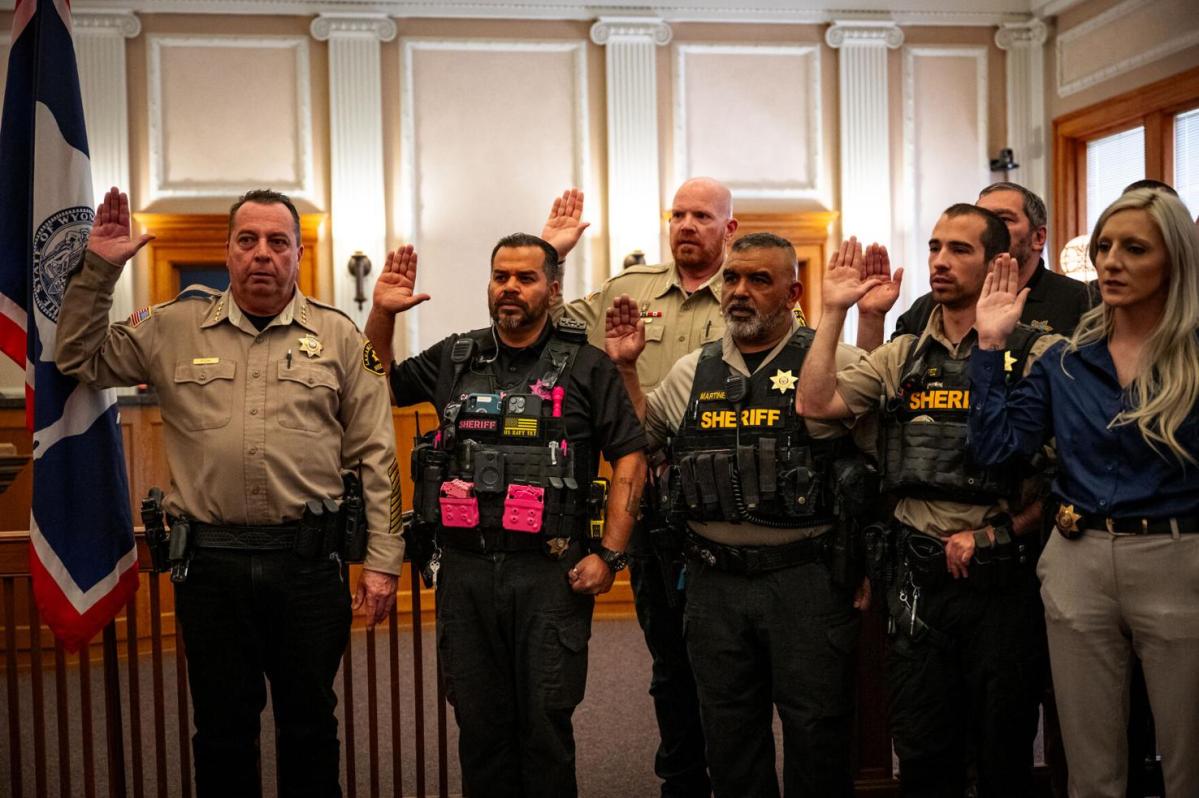
How counties rolled out agreements to assist with immigration enforcement varies “widely” from county to county in Wyoming, the American Civil Liberties Union said in a statement Tuesday. What was consistent, though, was a lack of public notice and opportunity for public input, the ACLU found.
The ACLU identified those patterns after seeking public records related to how counties authorized 287(g) agreements with U.S. Immigration and Customs Enforcement.
In May, the ACLU filed a lawsuit against the Laramie County Sheriff’s Office, accusing Sheriff Brian Kozak and his office of breaking state law by signing three ICE contracts last year without a public process or approval from Laramie County Commissioners. The agreements allow local, county and state law enforcement to perform some federal immigration duties under ICE’s watch. ICE has three 287(g) program models: Jail Enforcement, Task Force and Warrant Service Officer.
In June, Wyoming ACLU Senior Staff Attorney Andrew Malone, one of the lawyers representing plaintiffs in the lawsuit, said during a virtual forum that the organization sent records requests to the Wyoming Highway Patrol and the other seven counties that have agreements with ICE. The requests sought information about whether these law enforcement agencies improperly implemented their agreements, as the organization’s lawsuit alleges the Laramie County Sheriff’s Office did.
Campbell, Hot Springs, Lincoln and Natrona counties didn’t give any records showing that county commissioners had “considered or approved” the offices’ 287(g) agreements before they were adopted, according to the ACLU’s Tuesday statement.
Sheriff’s offices from those four counties didn’t respond before publishing time to WyoFile’s inquiry about the ACLU’s records request.
Meanwhile, the Carbon County Commission “officially sanctioned” Sheriff Alex Bakken’s decision to join a Warrant Service Officer agreement with ICE after he presented information about the program to the commission in 2025, the ACLU’s statement says.
In Crook County, records show that county commissioners adopted a resolution in 1998 granting the sheriff “authority to enter into agreements with other law enforcement agencies,” according to the ACLU.
And in July 2026, after the ACLU filed its lawsuit against the Laramie County Sheriff’s Office, the Sweetwater County Commission passed a resolution that retroactively ratified the three 287(g) agreements that Sheriff John Grossnickle “unilaterally entered into with ICE since 2020.” (Grossnickle retired at the end of May.) The Sweetwater County Sheriff’s Office is the only other law enforcement agency besides the Laramie County Sheriff’s Office that has all three 287(g) agreements with ICE.
The ACLU also sought records showing that these counties and the Wyoming Highway Patrol complied with the Wyoming Administrative Procedures Act’s rulemaking process before signing 287(g) agreements.
The organization argued in its lawsuit against the Laramie County Sheriff’s Office that, because the ICE agreements established new substantive rules for the agency, Kozak was required to follow state administrative procedures, but failed to do so. Those procedures include a 45-day notice to the public and an opportunity for a public hearing, if requested by 25 or more people, according to the ACLU’s complaint.
Neither the counties nor the highway patrol provided records showing that they followed these procedures, according to the organization.
Jason Mower, spokesperson for the Sweetwater County Sheriff’s Office, said in an email to WyoFile that the office “disagrees with the ACLU’s legal position.”
“Their press release simply repeats the allegations they’ve chosen to make in pending litigation,” he said. “Allegations in a press release are not judicial determinations. We have no interest in litigating legal arguments through the media. Those issues belong before the courts, not in competing press releases.”
The other counties did not respond to WyoFile’s inquiry before publishing time. The Wyoming Highway Patrol declined to comment.
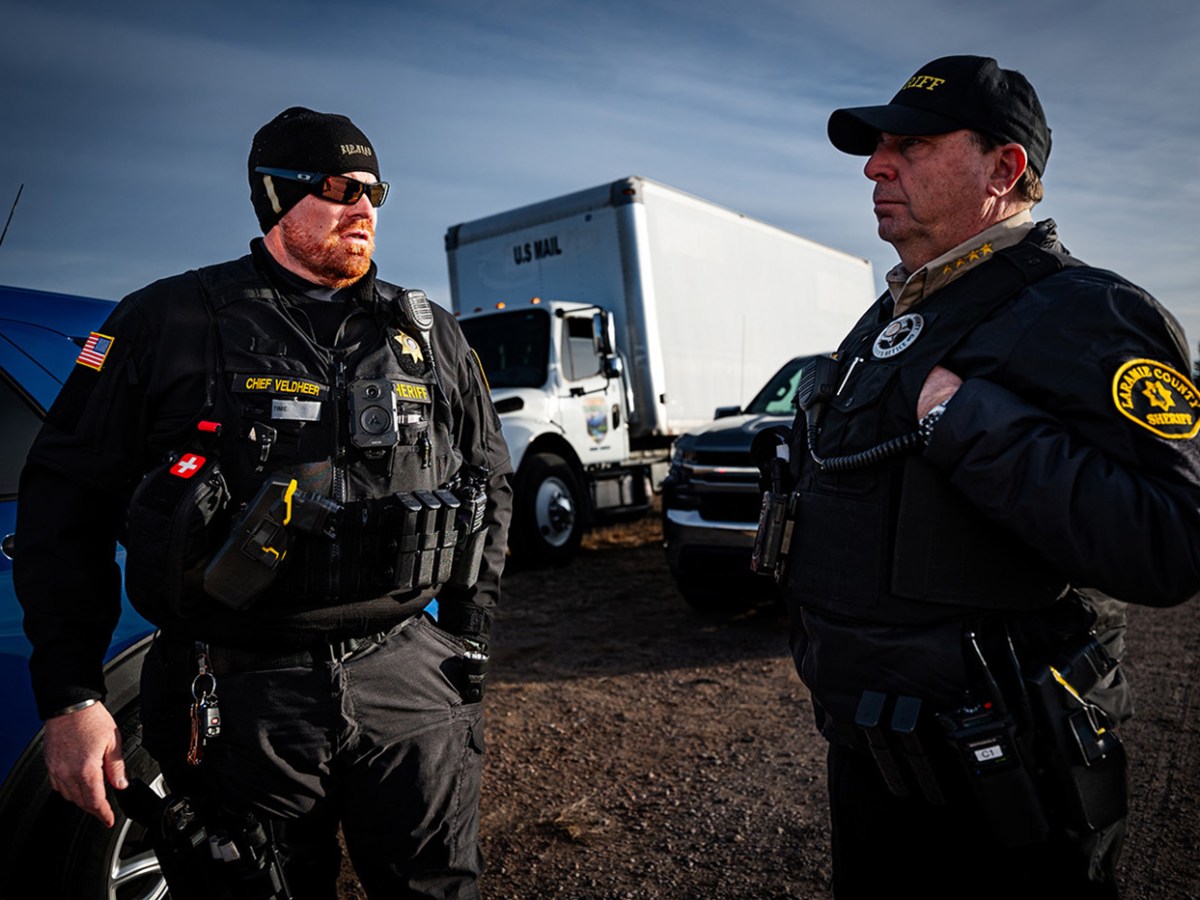
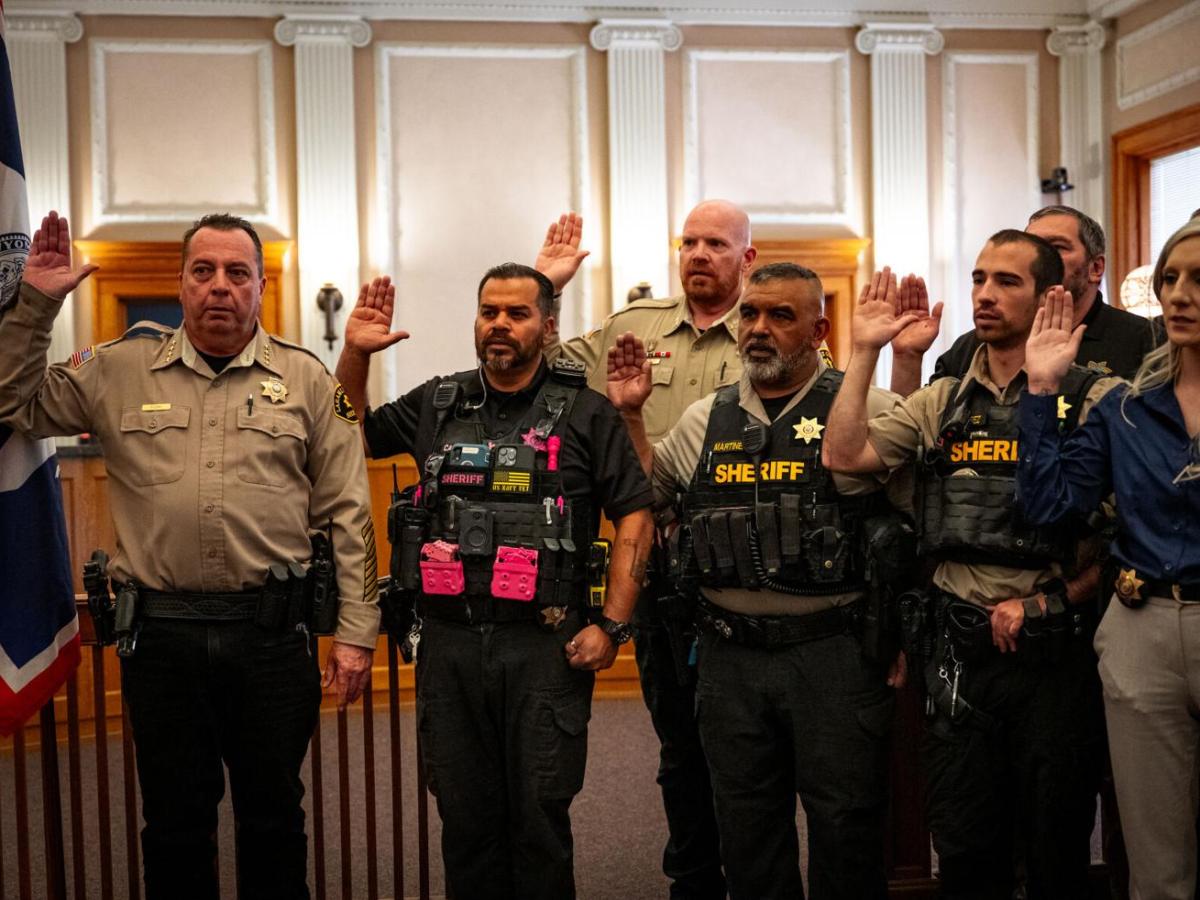
The records request showed that “laws have been applied inconsistently across the state,” Malone said in the ACLU’s statement. The only consistent finding, he continued, is that “no one held a notice or comment period as required by the Wyoming Administrative Procedures Act.”
“It’s clear that sheriffs are acting without clear guidance on what is required by state law before they can formally partner with ICE via 287(g) agreements,” Malone concluded in the ACLU’s statement.
A hearing for the complaint against the Laramie County Sheriff’s Office will take place at 10 a.m., July 27, in the Laramie County District Court. The hearing will consider whether to dismiss the case based on procedural considerations.

Thank you for this information on the state of Wyoming and ICE protocol. This whole ICE debacle that Trump has enforced is out of control. American citizens have not been given information on ICE policies and procedures. The fact that innocent citizens have been shot and murdered with no accountability from ICE is atrocious.