
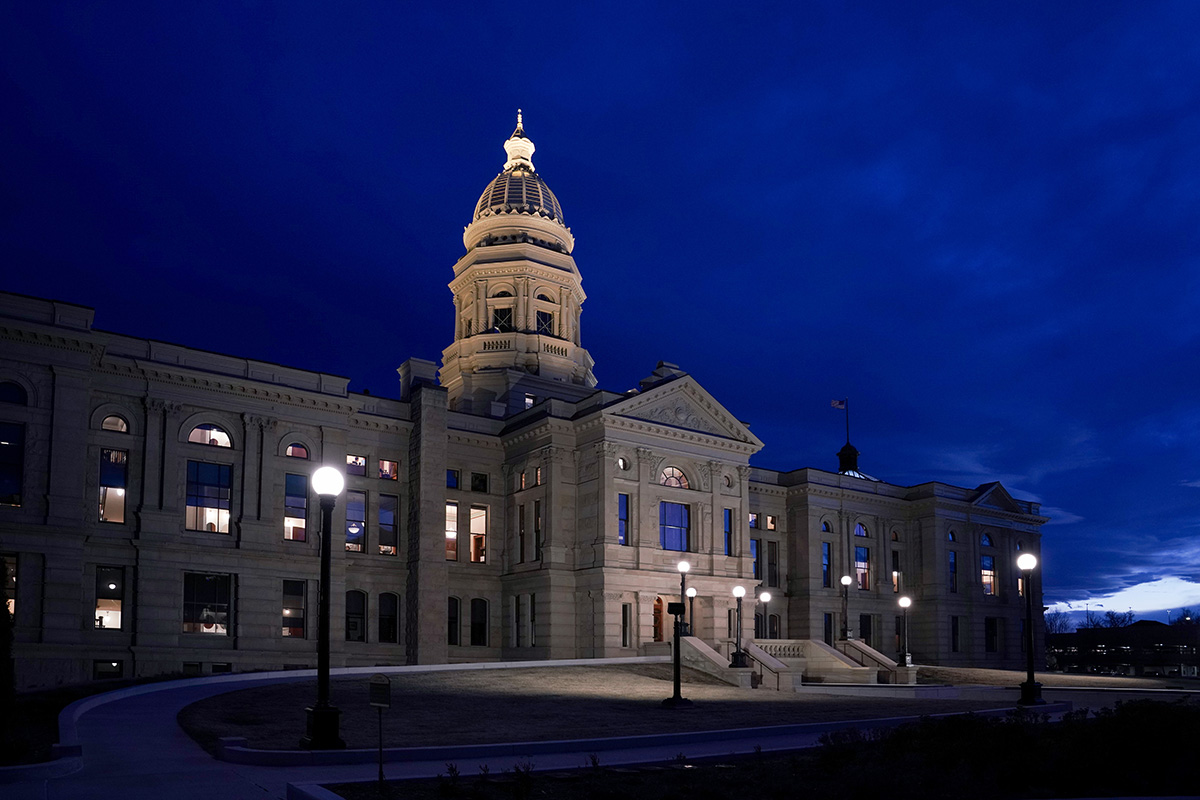
Wyoming lawmakers sponsored a bill Monday that aims to block lawsuits intended to silence free speech. The full Legislature will consider the proposed measure during the legislative session in January. 

Wyoming remains one of a handful of states without a law to prevent “strategic lawsuits against public participation,” known as an anti-SLAPP statute. SLAPPs are usually civil complaints brought by powerful people to silence critics through the stress and high costs of lawsuits regardless of their legal merits. Anti-SLAPP laws are meant to protect people who face such retaliatory litigation.

State lawmakers are trying again to get an anti-SLAPP measure on the books after similar legislation died two years in a row. Legislators argued that previous bill proposals had too many holes. They suggested taking a deeper dive and crafting a different anti-SLAPP bill for the 2027 legislative session. 

The new bill draft is based on the Uniform Public Expression Protection Act, a model anti-SLAPP law made by the Uniform Law Commission, a nonprofit organization of state-based commissioners who aim to craft laws that offer consistency across states.
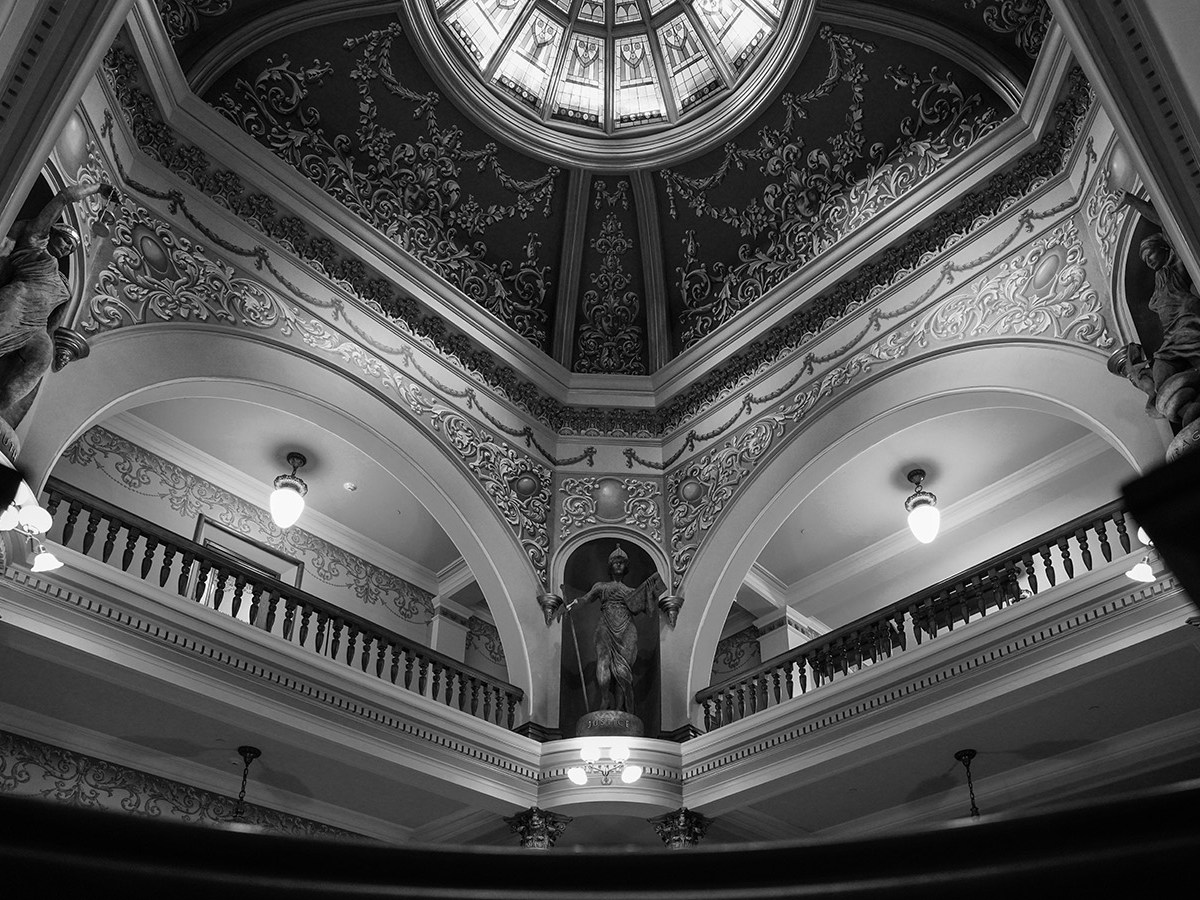
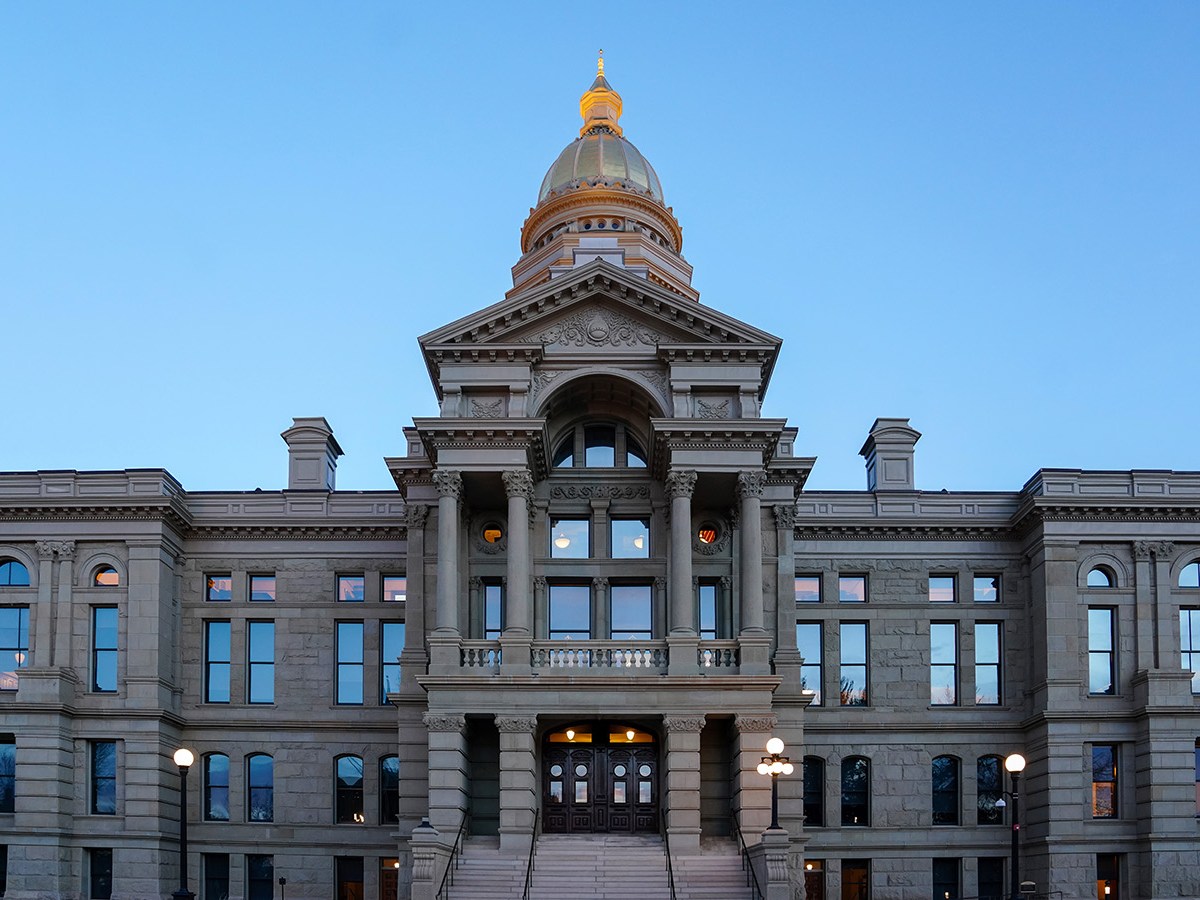
The bill might still be fine-tuned. Beth Lance, an attorney speaking on behalf of the Wyoming Trial Lawyers Association, asked lawmakers on the Joint Judiciary Committee to add an exception to the bill for bodily injury, wrongful death or survival actions, as well as statements made about such legal action, unless those statements could fall under defamation. 

If someone files a medical malpractice lawsuit, Lance explained as an example, the bill might allow a doctor to have the complaint dismissed. The complaint then wouldn’t be able to move forward “on the actual grounds to analyze whether or not there was a negligence claim,” Lance said. 

The Joint Judiciary Committee didn’t add these suggestions Monday, with lawmakers noting that the draft bill includes a broad exemption for bringing complaints against people who sell or lease goods or services, with some exceptions. But there’s still time for lawmakers to take a closer look at those concerns during the legislative session. 

“I don’t have the language in mind today, but I do think it’s something we continue to look at, because I understand the points, and I think there’s merit in some of those points,” said Sen. Barry Crago, an attorney and Republican lawmaker representing Johnson and Sheridan counties. 

Maya Shimizu Harris covers public safety for WyoFile. She was previously a freelance writer and the state politics reporter for the Casper Star-Tribune.

Leave a comment

WyoFile's goal is to provide readers with information and ideas that foster constructive conversations about the issues and opportunities our communities face. One small piece of how we do that is by offering a space below each story for readers to share perspectives, experiences and insights. For this to work, we need your help.

What we're looking for: 

  • Your real name — first and last. 
  • Direct responses to the article. Tell us how your experience relates to the story.
  • The truth. Share factual information that adds context to the reporting.
  • Thoughtful answers to questions raised by the reporting or other commenters.
  • Tips that could advance our reporting on the topic.
  • No more than three comments per story, including replies. 

What we block from our comments section, when we see it:

  • Pseudonyms. WyoFile stands behind everything we publish, and we expect commenters to do the same by using their real name.
  • Comments that are not directly relevant to the article. 
  • Demonstrably false claims, what-about-isms, references to debunked lines of rhetoric, professional political talking points or links to sites trafficking in misinformation.
  • Personal attacks, profanity, discriminatory language or threats.
  • Arguments with other commenters.

Other important things to know: 

  • Appearing in WyoFile’s comments section is a privilege, not a right or entitlement. 
  • We’re a small team and our first priority is reporting. Depending on what’s going on, comments may be moderated 24 to 48 hours from when they’re submitted — or even later. If you comment in the evening or on the weekend, please be patient. We’ll get to it when we’re back in the office.
  • We’re not interested in managing squeaky wheels, and even if we wanted to, we don't have time to address every single commenter’s grievance. 
  • Try as we might, we will make mistakes. We’ll fail to catch aliases, mistakenly allow folks to exceed the comment limit and occasionally miss false statements. If that’s going to upset you, it’s probably best to just stick with our journalism and avoid the comments section.
  • We don’t mediate disputes between commenters. If you have concerns about another commenter, please don’t bring them to us.

The bottom line:

If you repeatedly push the boundaries, make unreasonable demands, get caught lying or generally cause trouble, we will stop approving your comments — maybe forever. Such moderation decisions are not negotiable or subject to explanation. If civil and constructive conversation is not your goal, then our comments section is not for you. 

Your email address will not be published. Required fields are marked *