

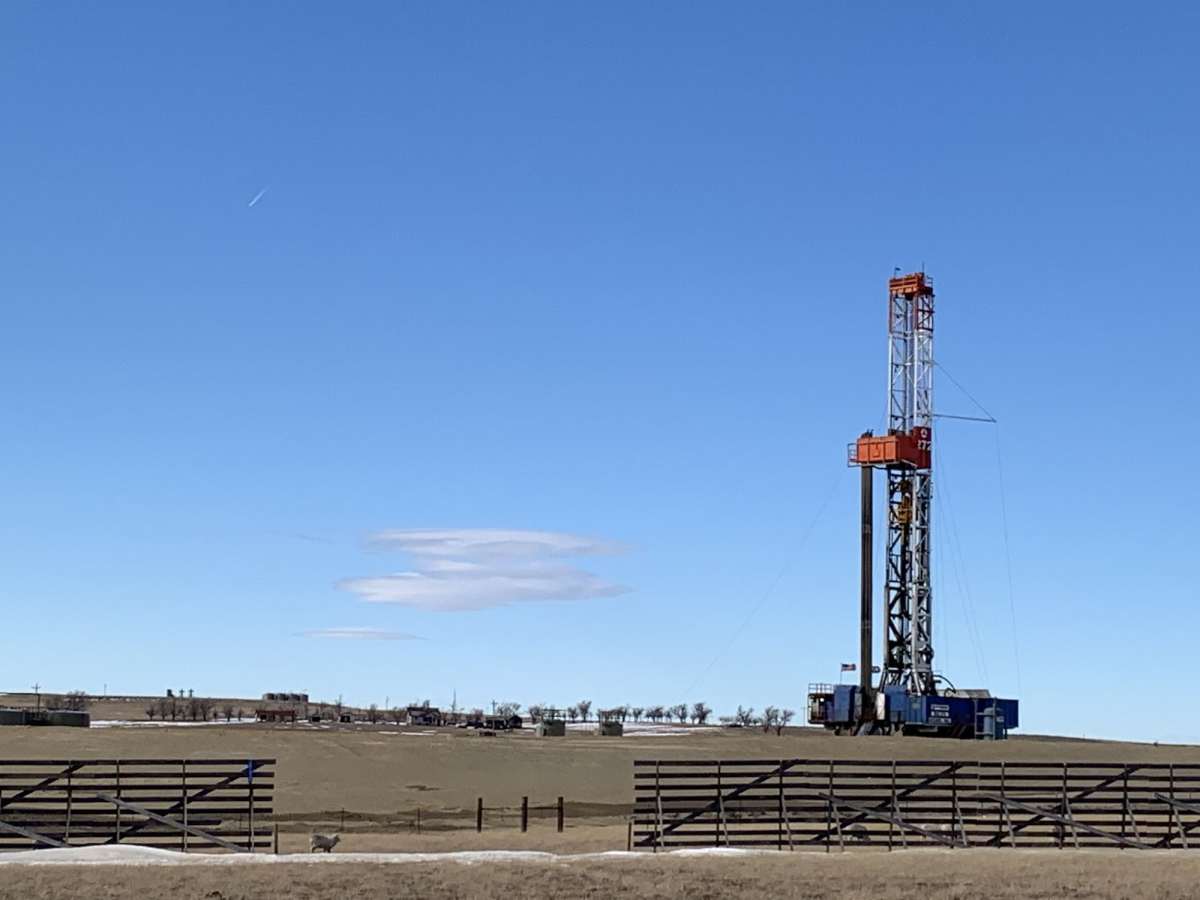
On Jan. 27, President Joe Biden signed an executive order pausing new oil and gas leasing on federal lands. Like Chicken Little, Wyoming and other resource colony states went apoplectic, predicting destruction of their economies. Lawsuits were filed, biased “analyses” were publicized and Gov. Mark Gordon gained miles of press ink for “blasting Interior,” “standing up for oil and gas,” and whining before a Senate committee. A federal judge in Louisiana issued an injunction halting Biden’s lease sale “pause,” but the Department of the Interior continues its reconsideration of federal oil and gas leasing policies.
Is Wyoming doomed?
Let’s step back a bit. What was really proposed? Does today’s federal leasing program truly serve the best interests of Wyoming’s residents and our economy? Could it be revised to our benefit now and in the future, when the world’s energy economy will change no matter what? Did the governor use reliable information to reach his doom-and-gloom conclusions?
It’s apparent that a) the leasing pause caused no harm to Wyoming’s energy economy; b) the current federal leasing program is far from ideal for Wyoming citizens; c) Wyoming has touted biased and questionable “sky-is-falling” conclusions rather than taking a cold-eyed view of facts; and d) Wyoming should instead seize this opportunity to actively participate in Interior’s programmatic reassessment to benefit us in the new energy economy.
First, contrary to the anguished cries of Gordon (and the lawsuit filed by the Western Energy Alliance and Petroleum Association of Wyoming), the leasing pause caused no harm to our economy. Only the sale of new leases was paused. Business on the 10 million acres of existing leases in Wyoming continued as usual. Wyoming’s rig count today is 15. A year ago it was zero. “Biden paused leasing. Oil boomed anyway,” titled a recent report in E&E News. “Oil production is rising on federal lands in states like New Mexico and Wyoming…” Thus, state revenues from severance taxes and federal royalties and county revenues from ad valorem property taxes have increased, rather than disappearing.
Next, consider the federal leasing program, and whether it maximizes benefits to U.S. citizens and the State of Wyoming.
In 2017, Campbell County landowners, the Powder River Basin Resource Council, a former Montana Department of Revenue Director and others filed a petition for rulemaking to then Interior Secretary Ryan Zinke. The petition argued that Interior’s leasing program favored industry over the public interest and should be revised. It found fault with the 12.5% federal royalty rate — unchanged since 1920 — which is much lower than private mineral owners and most states charge, and which deprives Wyoming of much-needed revenues. It pointed out that bonds to insure well plugging and land reclamation are totally inadequate to protect taxpayers when a driller defaults. It urged Interior to increase annual rental rates to provide a real incentive to drill and produce leases rather than hold them for speculation. (Today fewer than half of federal leases in the Rocky Mountain West are producing.) It called for earlier suspension of undeveloped leases to allow lands to be managed for other uses. Finally, the petition urged that Interior cease leasing lands with low oil and gas potential and manage them for purposes better serving state and citizen interests. Zinke ignored this petition.
All these problems, which are so costly to Wyoming, are being reviewed by Interior and the public right now.
Wyoming’s cry that the sky was falling cited a problematic “study” by an industry consulting group, ordered by the governor, funded by state agencies and publicized as gospel by industry’s Western Energy Alliance. Another former industry consultant and now UW professor had published a similar study in December, bemoaning the supposed financial effects on Wyoming if federal drilling was halted entirely.
On Aug. 4, the Conservation Economics Institute released an in-depth 50-page study by four PhD-holders that completely demolishes Wyoming’s two advocacy pieces. The study estimates that, even if leasing was paused, “Wyoming has ample stockpiled non-producing acres and permits and an estimated 67 years of drilling opportunities on federal lands…” The study also suggests that, “In the rural West, [history has shown that] …. conservation attracts people and businesses; intensive oil and gas development repels people and businesses over the long run.”
It seems clear, at least, that Interior’s short-term leasing pause has not made the sky fall. What it has done is provide Wyoming with a grand opportunity to assist in the modernization of federal oil and gas leasing policies that are of such great importance to our economic and social future. Instead of predicting doom and gloom, moaning to Congress and joining industry’s lawsuits, the State of Wyoming would be much better off seizing the opportunity to cooperate with Interior in re-inventing federal oil and gas leasing.
Let’s advocate changes in leasing, royalties, bonding, rentals and enforcement that benefit our state and our neighbors to the maximum extent possible. Let’s open the door to this knocking opportunity. The world’s energy economy is moving on, and it’s time we stopped standing in the corner, holding our breath and pouting.

Anything that make Gordon howl has got to be a good thing! Where do you people come up with such losers?
Finally, an honest article on oil and gas leasing in our country and Wyoming. With articles like this and informed citizenry may actually be able to vote for the necessary policy changes that will be needed in the future.
It may also give reporters enough information to ask elected officials and those running for office appropriate questions about the future of energy policy in this country!
I want to read more about this issue in the future.