

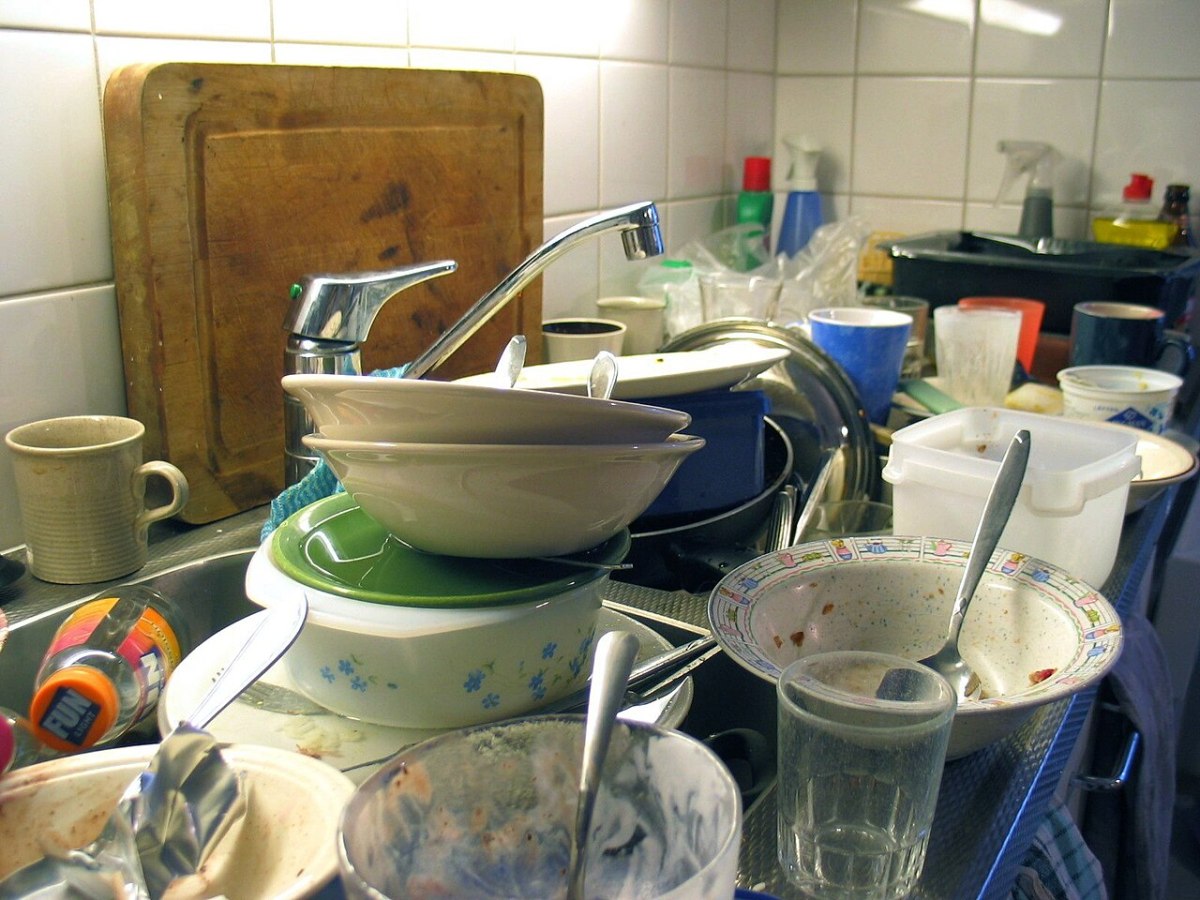
No one ever wants to hand-wash the dishes. It’s boring, gross, time-consuming and thankless. It’s even worse when the dishes haven’t been done in weeks. The growing mold, the stack towering ever taller, the mental drain of fighting over who’s fault it is or even just beating yourself up for letting it get this bad. We get overwhelmed, hoping someone else does them.
Opinion
Politics and the government are that stack of dishes, except instead of piling up for weeks, it’s been decades. The mold and toxicity have reached life-threatening levels. It’s past time for us to do the dishes!
If the government is dishes, life is the food we eat off them. The purpose of dishes is to make it easier and safer to eat. Hot soup is much easier to eat with a bowl and spoon instead of your hands. Government is supposed to play a similar role, making many aspects of life easier for everyone. The government should help meet everyone’s needs and resolve conflicts, just as bowls and spoons make dishing out soup in equal amounts easier.
Everyone eats from the political plates, whether they think so or not. Everyone drinks water, and its acceptable cleanliness levels are determined by the government. Everyone breathes air, and ideally, regulations say corporations can’t expose us to deadly levels of toxins. Everyone also needs health care, yet those who are the least lucky and need help the most end up with unpayable amounts of debt. Either eat your health care soup out of this moldy bowl of insurance, or burn your hand reaching into the pot.
We argue and bicker about whose turn it is to do the dishes, but someone inevitably points out that we can order pizza and not do the dishes. That benefits the pizza shop, but it’s not a long-term solution.
What does doing the dishes look like? It’s hard work, and commonly boring. It’s going to the city council meeting and talking to your friends about it. It’s getting on the live stream for the Wyoming Legislature’s subcommittees and telling them what you think. It’s voting in primaries. It’s being a political candidate. It’s staying informed and supporting your local, independent news sources. It’s convincing others to help.
This is all too much for one person to do. But just like hand-washing dishes, you don’t actually do it alone. You benefit from the work put into manufacturing the sponges, the research on what makes a good dish soap and the marketing, so you know those products even exist. Those tools are community organizing. It’s way easier if we work together. Just like society, the whole is greater than the parts.
I ask all of you reading to help do the dishes. I don’t want anyone else to die from the bacteria, and the only way to ensure that is to get in there and start scrubbing. The pile may not be our fault, but it is our responsibility. If we all agree to take on one dish, we can get them clean again.

Thank you. This article is spot on for what is currently happening in our country.
The problem we have is too many people rely on the government to do the dishes for them – so many that the dishes stack high enough that the dishes become a crisis and the easy solution is to look to the government – another program to clear the dishes, another regulation on how the dishes will be cleared, another fee so we have the funds to pay to collect the dishes, another tax to support more programs as the dish pile grows as people realize the government takes care of the dishes if you have the right program. Certainly there are people in our communities unable to do the dishes for themselves and it is our obligation to assist them. However, we have too many that get trapped in the dish system or choose to skirt the dishes and order another pizza impacting their health negatively – or use the programs to support cleaning the dishes for something other than cleaning the dishes. And we have a health care industry that peddles magic elixir’s that hide the dishes so it appears we do not have to take care of the dishes – there is a pill for this dish, a pill for that dish and if you take enough pills they appear to magically go away – but the dishes are still there. And at the end of the day it is ultimately easier to point to big corporations and the wealthy to pay for taking care of all the dishes because we have become so dependent on the government to clear the dishes we no longer have the ability because the program is too big to fail – so we raise the fees and taxes on others so only part of society has to clear the dishes – or rely on government to do it for them.
The ACA dish washer is a prime example. Big government promised my dish fees would go down and my dish program would stay the same. Now my dish program costs 3 times what it used for less dish coverage. Many dish systems cost as much monthly as a nice house with it’s own dishwasher. We changed the rules for doing the dishes with Covid, now the dish system is so screwed up that thousands are facing huge increases in what they have to pay to clear their dishes because we threw so many dollars at the dish program to subsidize it further – and we cannot get off the dish system. So now government has to again step in, increase the management of the dish washing because the system is so screwed up we cannot go back to status quo. At what point does the dish system crash? Or are we there?
Great analogy! All of us need to do our part.
Dear Mr. Anderson,
Thank you for writing this creative and inspiring piece. As a homemaker, I’m terribly familiar with the recurring “stack of dishes” which I disdain like many others.
Your encouragement for citizens to become involved in the political processes that affect them using the metaphor of the often despised but necessary chore of washing dishes is exemplary and effective.
I agree with the notion if people would at the very least listen to their local and state government meetings, it would benefit everyone because if there is a need to speak up it will help shape government policies and creation/enaction of laws.
Great writing Mr. Anderson, thanks again for sharing the message for Americans to be cognizant and involved with the very processes that truly affect them—instead of just complaining about the results of policies/laws, this message helps citizens feel and remember that in our United States of America, they truly have a voice and a part to play in their governance as “we the people”.
~R.V.S.Bean