

The first hike my husband and I took after he nearly lost his life was in the Bennett Mountains.
Opinion
We chose that place intentionally. From the ridges, you can look out over our ranch. In many ways, it is our backyard. This country has shaped our lives, and over the years we have built countless memories among its mountains, wildlife and open spaces.
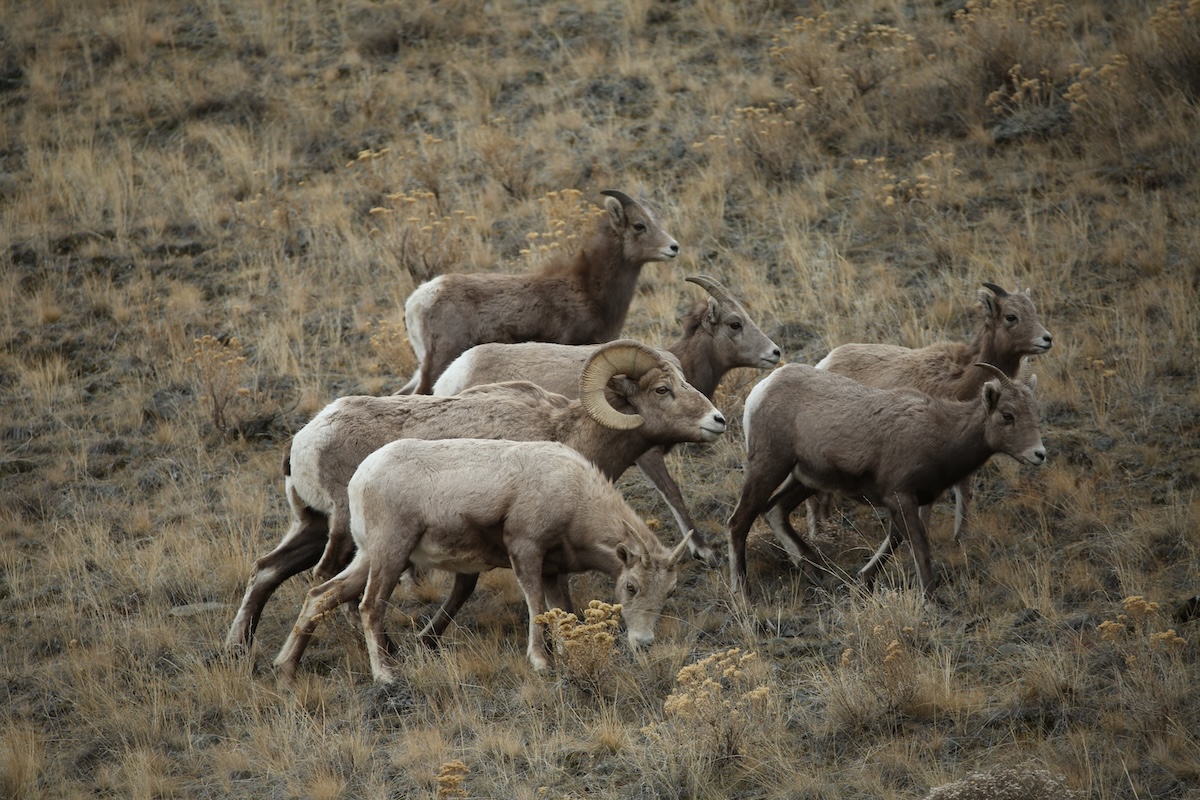
As on many past hikes, we were fortunate to see Ferris-Seminoe bighorn sheep that day. Their presence was a reminder that some things endure, even after life has been turned upside down.
After the uncertainty, fear and emotional toll of a sudden, life-threatening illness and a prolonged hospital stay, returning to this landscape was healing. Being surrounded by familiar country, by the wildlife that has always shared this habitat with us and by memories of healthier days gave us the opportunity to reset, reflect and find hope again.
To many, the Bennett and Ferris mountains may appear to be little more than rugged hills above Seminoe Reservoir. But to those of us who know it, this place is so much more.
It is home to the Ferris-Seminoe bighorn sheep herd, one of Wyoming’s great wildlife success stories and the state’s healthiest bighorn herd. For those of us who care about wild sheep, this herd is irreplaceable. It is the only viable source population for future bighorn sheep restoration across Wyoming, which means what happens here matters far beyond the Bennett and Ferris mountains.
This is not just a local herd. It is the foundation for restoring wild sheep in other places across our state.
That is why the proposed Seminoe Pumped Storage Project is so troubling.
Put simply, this is a bad project, in a bad place, and a bad deal for Wyoming.
The project would put the Miracle Mile, Seminoe State Park, local recreation, North Platte communities and the Ferris-Seminoe bighorn sheep herd at risk. For me, the clearest warning sign is what it could do to this herd.

The project would be built directly in crucial winter range and lambing habitat, with years of construction disturbance. For bighorn sheep, those are not minor impacts. Stress, displacement, lambing disruption, disease risk and lost access to seasonal habitat can have consequences that last long after construction equipment leaves.
Recent reporting raised another basic concern: water. Seminoe Reservoir was reported at roughly 30% capacity in early August, raising serious questions about whether this pumped storage project would have enough water to operate as designed without adding risk to the Miracle Mile trout fishery and downstream users. In a state where water defines what is possible, approving a massive water-dependent project on uncertain assumptions should give every decision-maker pause.
The Federal Energy Regulatory Commission’s final environmental impact statement acknowledges that pumped storage projects are net energy consumers. In plain English, this project would use more energy pumping water uphill than it generates when water flows back down. Wyoming would carry the impacts to fish, wildlife, water, recreation and local communities while the benefits flow into broader electricity markets.
Even worse, this project appears to depend on federal tax subsidies from the Inflation Reduction Act and a five-to-seven-year waiver of seasonal wildlife protections in the Bureau of Land Management’s Rawlins Resource Management Plan to be financially feasible. Those protections exist for a reason. They are meant to safeguard bighorn sheep winter range, lambing habitat, sage-grouse habitat, raptor nesting areas and other wildlife values that matter to Wyoming.
If a venture only works by waiving protections for Wyoming’s most important bighorn sheep herd, the problem is the project, not the protections.
Wyoming supports responsible energy development. But responsible energy development should be sited well, protect fish and wildlife, respect local communities and deliver real benefits here at home. This project fails that test.
Some places cannot be replaced once they are changed. The Bennett and Ferris mountains and Seminoe Reservoir are among those places.
I’m grateful Sen. John Barrasso has already raised Wyoming’s concerns about the project’s wildlife impacts, including bighorn sheep, directly with the Federal Energy Regulatory Commission. That kind of leadership matters, and I hope Wyoming’s full congressional delegation will continue pressing federal agencies to take the state’s concerns seriously before this project moves any further.
Please join me and hundreds of hardworking Wyomingites in respectfully asking Wyoming’s congressional delegation to stand with Wyoming’s hunters, anglers, local communities and wildlife by opposing the Seminoe Pumped Storage Project.
You can contact the delegation here.

Thanks for speaking out about this, I hadn’t heard of it. This project has more risks than benefits.
As usual, wildlife seems to take a back seat to whatever someone thinks is a great project, particularly if it involves the words energy development. I still have a problem figuring out just what this project hopes to accomplish that makes it so valuable over bighorns and the Miracle Mile.
AMEN! Industrializing this critical and important wildlife habitat for a sketchy project is a fool’s errand. Wyoming’s critical wildife habitat is to precious to waste. Thanks to all who are working to oppose this project and protect this critical habitat.
Tory got it right. This is a boondoggle of the first order, which might provide profits to a private entity, but no benefit to Wyoming and potentially disastrous effects on Wyoming’s wildlife and fisheries.
Thank you, Bralli Clifford! Most Wyomingites know a boondoggle when they see it. The Seminoe Pumped Storage Project perfectly fits the definition of a bad idea. I too thank Senator Barrasso for speaking up for wildlife and wildlands. Some places in Wyoming are best left alone and untouched. Just ask the Seminoe bighorns.
Thank you, I’m particularly surprised the Barrasso would help anyone but Trump. Maybe he’s starting to worry about his reputation.