
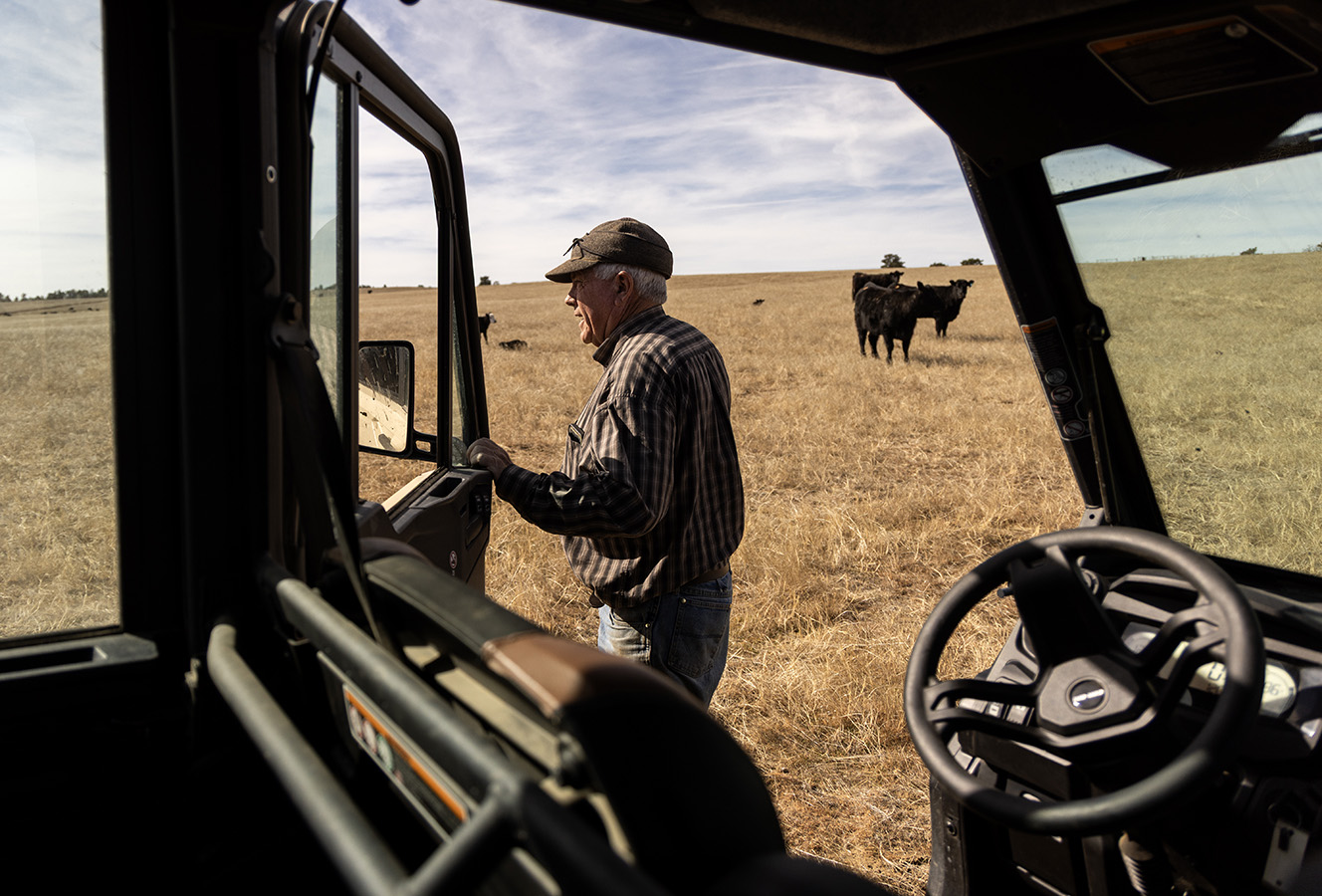

Recognizing “very dry conditions,” the state’s water boss Tuesday declared an emergency to allow ranchers to more easily get water to their stock.
State Engineer Brandon Gebhart gave local water supervisors the authority to move what’s known as the “point of use” of water that sustains livestock. Four district supervisors can now authorize the shift in water use with a simple form instead of requiring more burdensome changes to permits at state offices in Cheyenne.
The emergency authorization came as the state faces a dire summer, Gebhart told legislators and members of the Water Development Commission on Wednesday.
“It’s terrible this year,” he said of the statewide outlook. “We had a manager’s meeting this morning and it was pretty disappointing listening to the superintendents around the state talk about the conditions that they’re facing, the regulation that’s already started.”
“Many parts of the state are on pace to probably be one of, if not the, worst year on record.”
Brandon Gebhart
Regulation happens when there’s not enough water to go around and some users are cut off. On Tuesday, Montana exercised its rights to demand flows under the Yellowstone River Compact, potentially impacting upstream Wyoming water users.
Even before that, restrictions were imposed in parts of the Bear River drainage in western Wyoming and also in the sprawling North Platte drainage, site of the Seminoe and Pathfinder reservoirs. About a quarter of Wyoming lies in the North Platte basin.
Users there have backup plans, Gebhart said, even though most people don’t understand that. “All of those municipalities and industries had arrangements made, so none of the junior rights went without water,” he said.
Beached boat ramps
In the Colorado River Basin, including areas drained by the Green and Little Snake rivers, “dismal reservoir storage and the terrible hydrologic conditions right now are making the challenge even more difficult,” Gebhart said at Wednesday’s meeting.
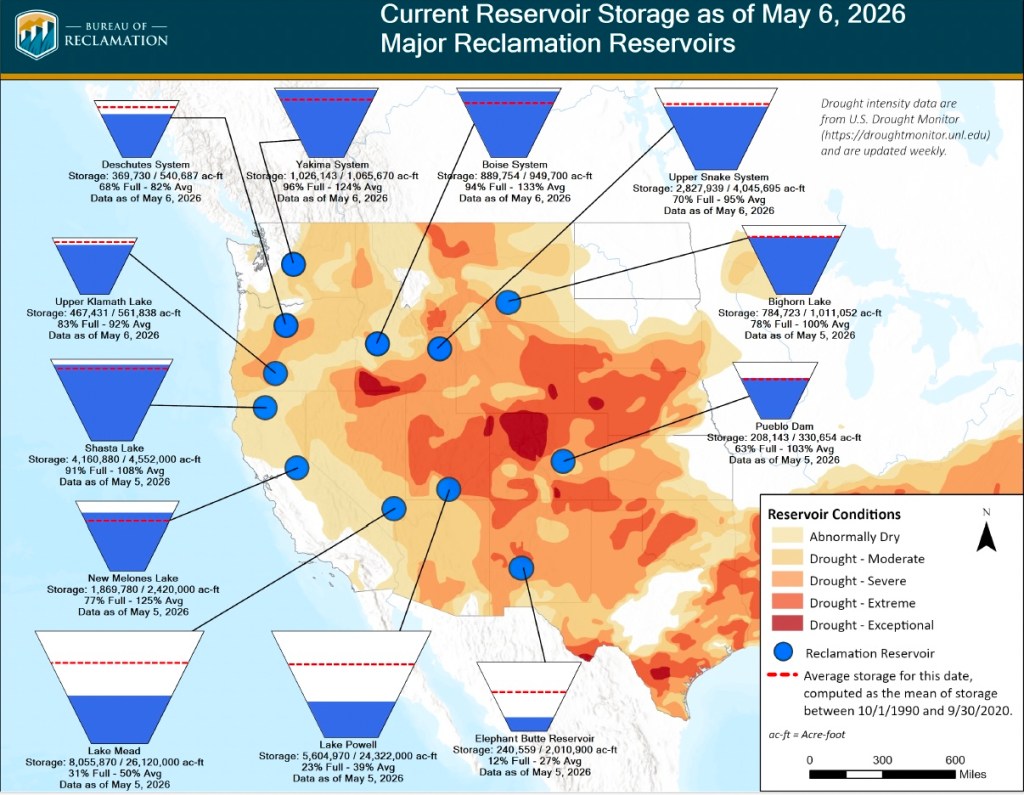
The Colorado River Basin’s problems are perhaps the largest in the West. Lake Powell is currently 23% full, which is 39% of the average storage for this time of year. Farther downstream, Lake Mead is 31% full, which is half the average storage for this time of year.
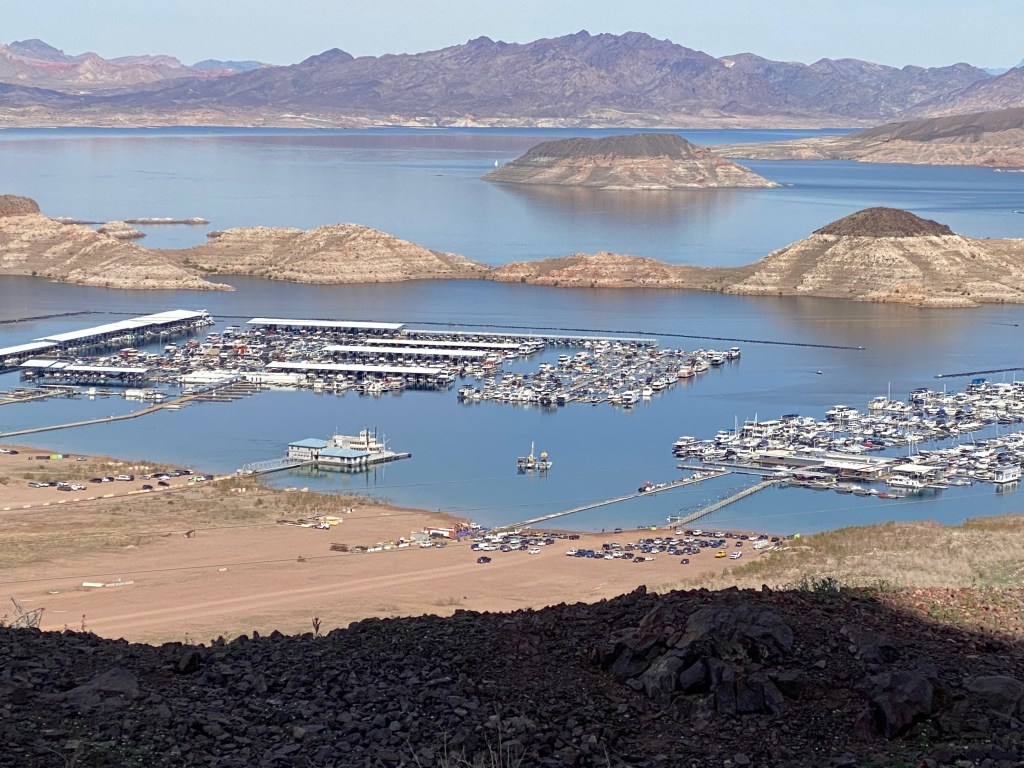
About 40 million people in the West rely on Colorado River flows. In Wyoming, only about 100,000 residents use its water or live in the basin that covers about 16% of the state.
That means Wyoming residents make up less than 1% of Colorado River beneficiaries while the state claims rights to about 7% of the river’s share.
This summer, a lot of that water in Wyoming will flow away. There’s an urgent need to let more run downstream to Lake Powell to preserve electricity generation and the structure of the dam itself.
To raise the level of Lake Powell, managers are looking upstream to their last option — Flaming Gorge Reservoir. At that popular recreation draw for boaters and anglers near the town of Green River, “three of the five boat ramps that we have in Wyoming would be rendered unusable,” Gebhart said of the summer outlook.
“We need rain and snow,” Gebhart told the water commissioners. “It’s not just one portion of the state.
“Many parts of the state are on pace to probably be one of, if not the, worst year on record.”
Gebhart’s emergency memo to help ranchers move their point of use has been employed many times, Jeff Cowley, interstate streams administrator with the state engineer’s office, said in a message.
“Some pastures may have grass to graze livestock, but the water source has dried up,” he wrote. “This memo would allow [ranchers] to use stock water permitted in one location in another location without the formal paperwork normally required.
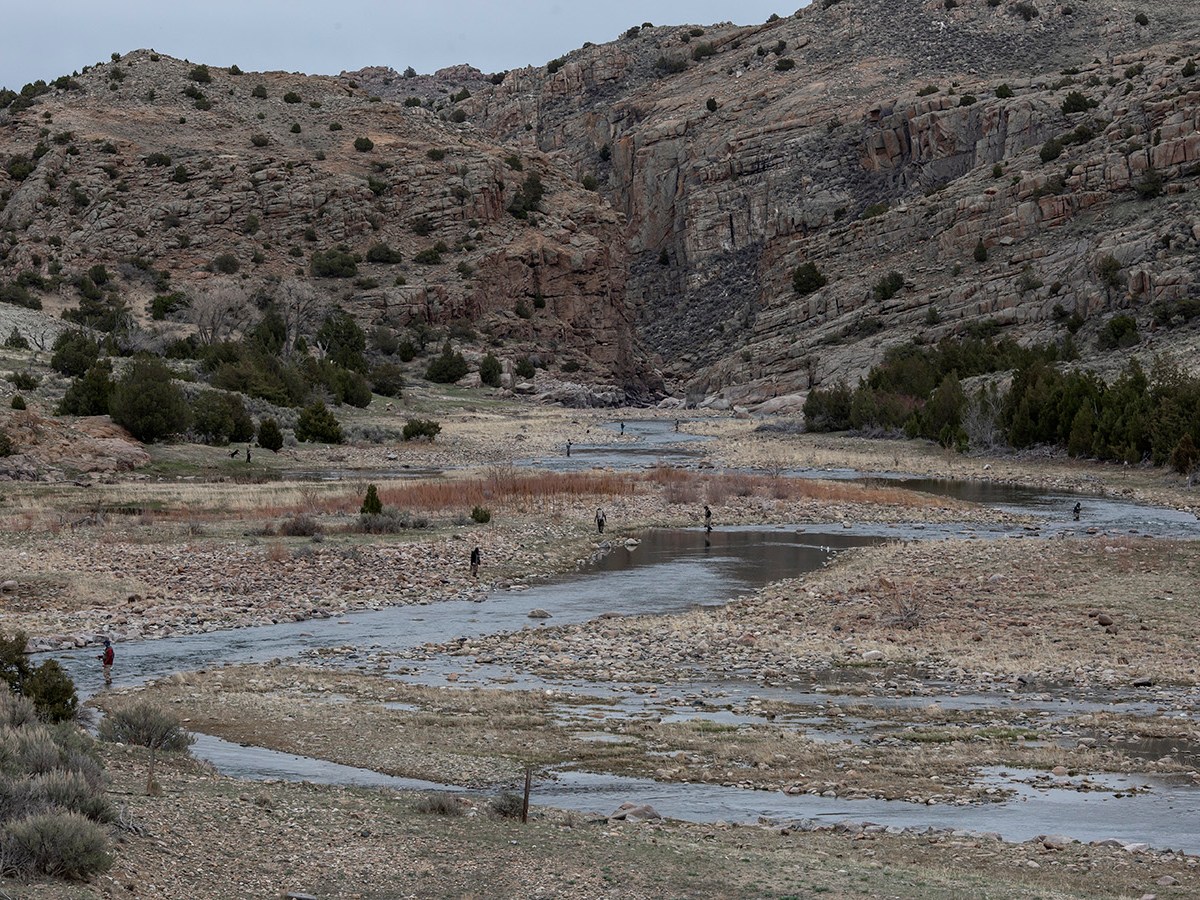
“Agricultural, municipal, and industrial water users are going to face challenges with their water supplies this summer,” Cowley wrote. “Limited tools exist to provide flexibility to address these quickly developing situations.”
The point-of-use change is one tool that’s now in play. It will not affect Wyoming’s laws governing which user has senior rights and who is first to be cut off during shortages.
Asked whether he had any good news, Gebhart said, “Friday is not too far away.”

with many of the grazing districts on public land withering in drought, might be a good summer to keep the hordes of cattle and sheep off of the already damaged lands.