

It’s pretty clear from the latest move to put cattle back onto retired grazing allotments that ranchers are intent on farming the taxpayer. It will come at the expense of our public lands, wildlife habitat and the native species that live there.
Opinion
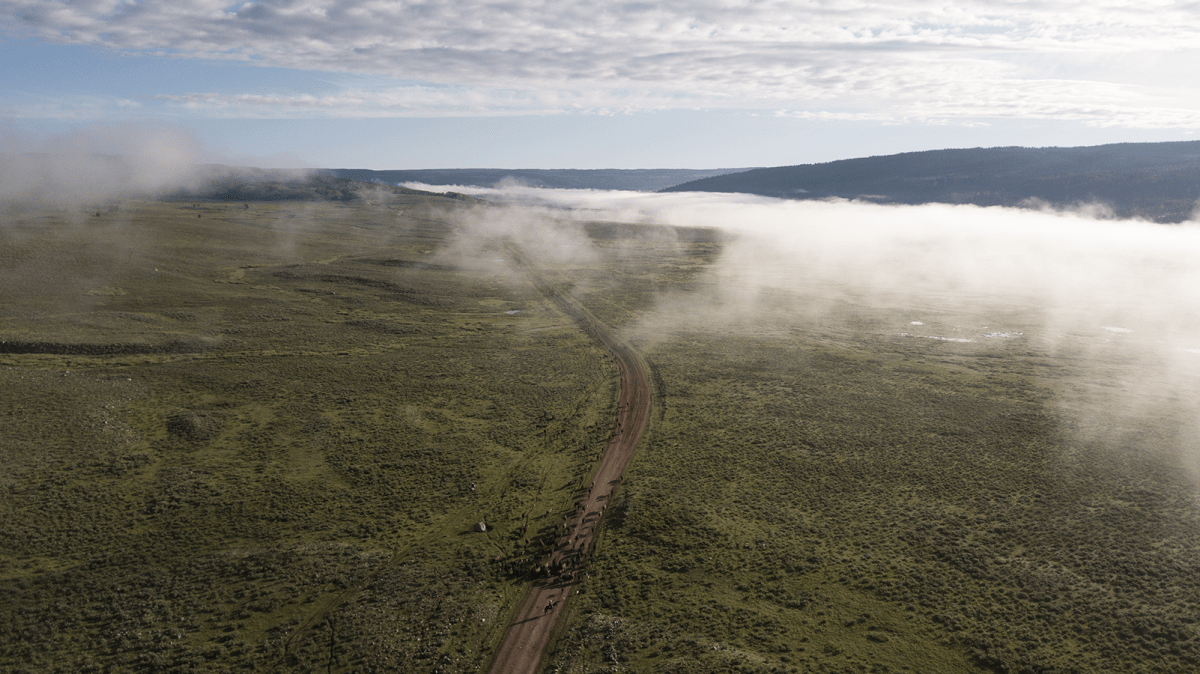
And it’s not like anyone was forced off the 31,000 acre grazing allotment in the Upper Green River Valley known as the Elk Ridge complex, roughly 30 miles southeast of Jackson. That land was retired from grazing in a buyout with sheep producers in 2016. The buyout aimed to alleviate issues with domestic sheep grazing, which poses a threat to native bighorn sheep through disease spread and competition for grass.
Now the U.S. Forest Service is ready to open up the land to cattle producers. The Trump administration claims that will compensate producers for grass lost to last year’s Dollar Lake Fire.
But the blaze occurred a year ago. Didn’t that give area ranchers time to plan, adjust their herd size accordingly or look for private grass? Why would they want to put cattle into an area with a history of depredations by grizzly bears?
The answer is simple: In Wyoming, we’ve created an incentive program for ranchers to lose livestock to native carnivore species. Our livestock loss program pays a “multiplier” of up to three and a half times the market value of a stock animal. And we spend a lot of money on range riders who spend the bulk of their time riding the range and looking for lost animals to get the publicly funded compensation dollars.
A basic fact of being in business is that you suffer losses. Walmart suffers significant shoplifting loss, and yet we don’t see the government compensating the company for it — and certainly not paying triple the value. Any executive would jump at the chance to drive up profits like that, and work to demonstrate the losses to collect the check.
I understand that there are livestock loss programs across the globe, and there are strong arguments to maintain them. However, the allotments in the Upper Green River were retired from livestock grazing to solve recurring problems — the contact between native bighorn sheep and domestic sheep that can lead to disease spread, as well as loss of livestock to grizzly bears — and willing parties agreed. Now we’re working to go right back to creating a problem, costing us public money.
We hear all the time that grizzly bears can’t be allowed everywhere — like in the middle of towns. Fair enough. But at the same time, we shouldn’t have cattle and sheep everywhere, especially on lands where losses are inevitable, and taxpayers will foot the bill.
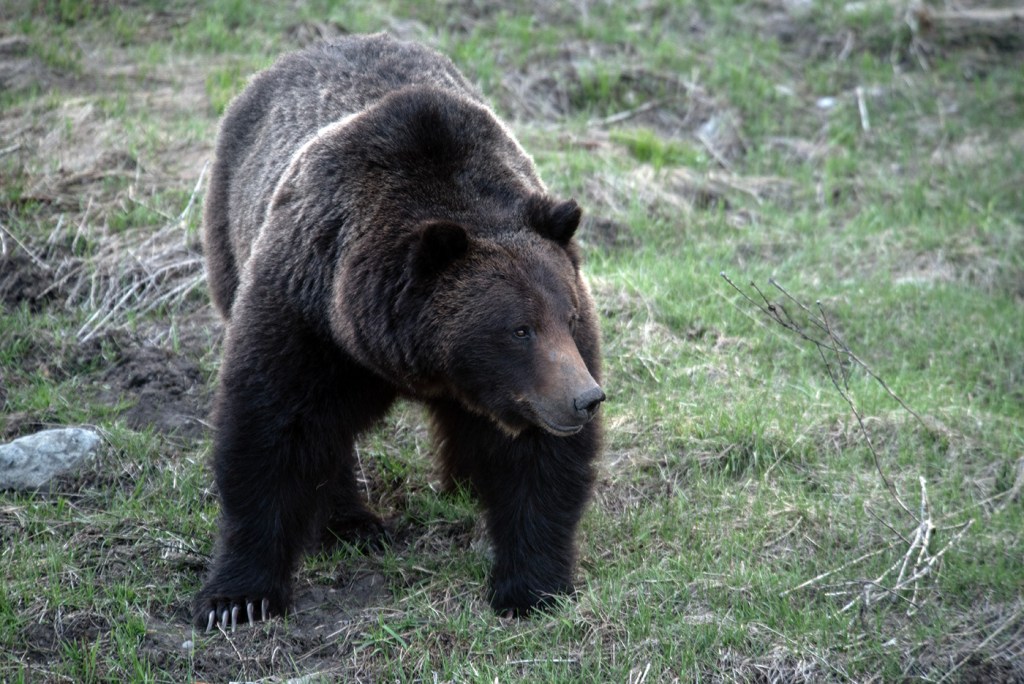
We know how this will play out. Cattle are going to die. Then bears will die. And finally, taxpayers are going to foot the bill for a policy that puts the interests of a small group of public land grazers over the broader interests of everyone, the land itself and wildlife.
This is the vision the Trump administration has for millions of acres of public lands throughout the West — cattle and sheep everywhere. They’ve said they want to put 500,000 more animal units on public lands. That will include wildlife rich areas in which grazing was ended for legitimate reasons.
As a Wyoming resident, taxpayer and lover of our public lands and wildlife, this policy represents a massive giveaway to a small group of people at the expense of the vast majority of Americans who own and cherish these public resources.

This is some brave writing. I’ve gotten death threats for milder musings about welfare ranchers.
Thank you for an eye opening article. It’s always so helpful to read about the truth of a situation. The bears won’t have a chance with the trump administration in charge unless we probe into situations like this with well written articles like this. I really don’t want to pay ranchers for unnecessarily exposing their livestock to grizzly bears in their home habitat.
Thank you for so very articulately expressing the feelings of those of us who moved to Wyoming to experience her wild beauty. We hear local lawmakers bemoaning the loss of business, tax $, medical professionals, etc, etc. In the 50 years I have lived here, Wy has increasingly become the benefactor of a few privileged folks and outdated industries supported by the rest of us. And we ask why our kids move out of state?
Ah “those who moved to”.
Livestock producers get 3 times the value of an animal if it’s predated on. That in itself is an industry.The grazers are going to absolutely love this 3 for 1 deal!
On top of every other subsidy that welfare ranchers are so fond of…
Take away “subsidies” Chuck, and Americans can enjoy 10$ a pound hamburger at Walmart/Costco and 15-20 dollars a pound elsewhere if they prefer non agri-corp grown beef.
Inflation, it’s what’s for dinner.
Uh no. Only 2 percent of beef comes from public land and only 3 percent of producers use public land.
Stock loss compensation due to griz/wolves has made ranchers complicit in a way to the unnecessary expansion of grizzlies and wolves outside core park areas where they are not needed.
If the ranchers werent compensated, wolves and grizzlies would not be spreading their territories into areas that they are no longer compatible with, due to human activity. The ranchers would kill the predators, period.