

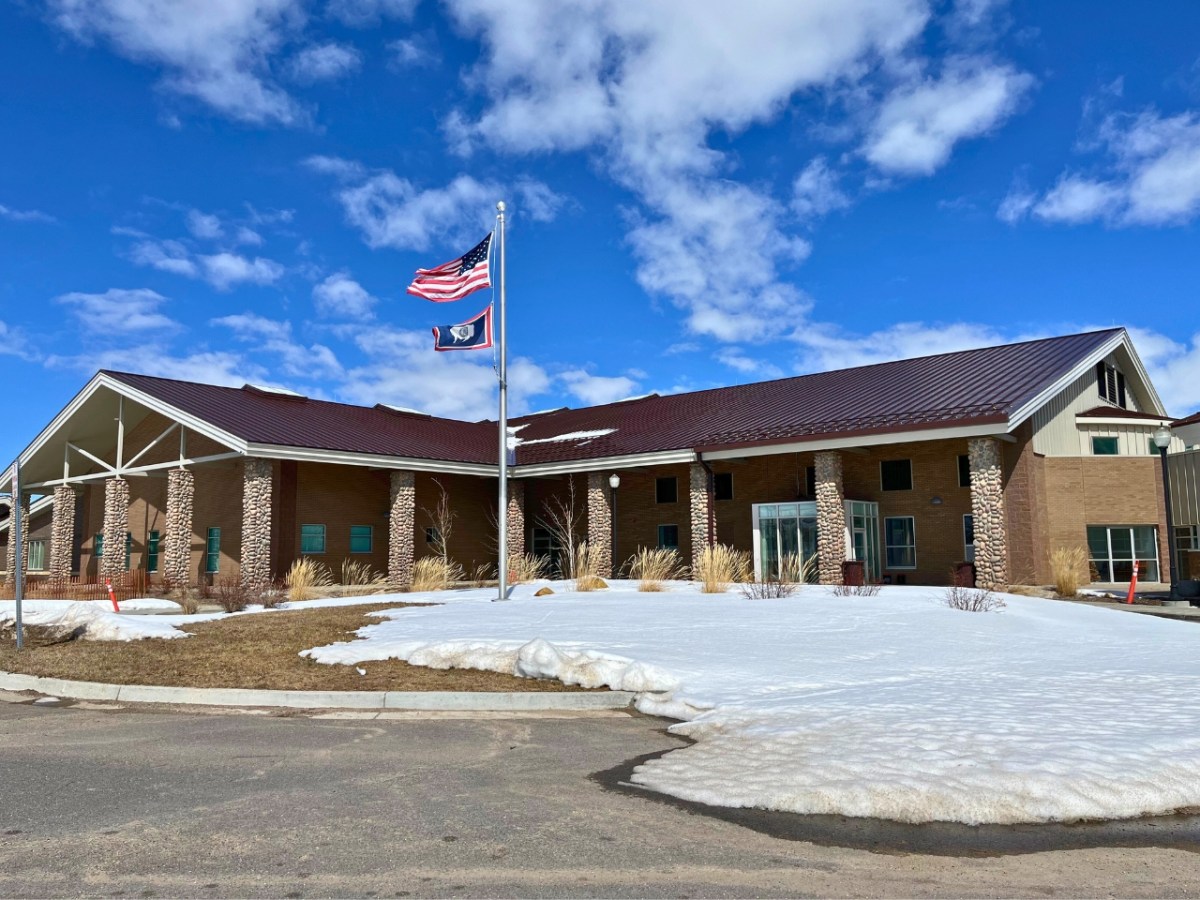
Three sheriff’s offices will be the first under a new law to receive reimbursements from the Wyoming Department of Health for lengthy mental health holds in their jails.
Sheriff’s offices in Natrona, Laramie and Sheridan counties have finalized contracts with the health department and can now start billing the agency under a measure that went into effect in March. The department is also working with other interested counties and expects more participation in coming months, Monique McBride, the agency’s chief policy and communications officer, told WyoFile.
The new law allows the health department to pay jails for holding and treating people with mental illnesses until they’re evaluated to determine whether they can handle court proceedings, and to restore them to that capacity if needed. Lawmakers approved $5 million to pay for these reimbursements through 2028.
The contracts offer two per-client, per-day reimbursements. The first is a $100 “holding payment,” which covers the cost of “security, housing, and baseline custodial care.” The second is a $250 “treatment payment.” The $250 covers the holding payment plus costs for inmate psychiatric treatment.
The new measure gives law enforcement agencies flexibility over what treatment they offer and how they provide it, depending on the resources available locally. As a result, the mental health services of each agency are likely to be different.
“A lot of good, independent work has been done, and we’re just trying to use this new law that passed and the resources that come with it to reinforce and further build that out,” Wyoming Department of Health Director Steffan Johansson said.
Gov. Mark Gordon and the Legislature strongly supported the measure, which lawmakers considered after learning about the challenges jails face housing people with mental illnesses while they wait for a bed at the state-run psychiatric hospital in Evanston.
Judges send more people to the Wyoming State Hospital than there are beds available. Such court orders have increased in recent years, both in Wyoming and nationwide, although the volume has recently stabilized a little in Wyoming, Johannson told WyoFile. Judges issue these orders both in criminal and civil courts. The new law addresses the criminal court side of the problem, when a person accused of committing a crime is found mentally incompetent to stand trial.
But the law isn’t “just about cutting checks” for jails holding inmates awaiting services at the state hospital, Johansson said. It’s a piece of a larger puzzle that is meant to work alongside other efforts to address mental health challenges throughout Wyoming’s justice system. “I think we have an agreement on the problem that we’re really trying to decompress and stabilize the entire system, which includes our state hospital, also their jails and their court systems.”
In 2025, the Wyoming Association of Sheriffs and Chiefs of Police received a grant from the Helmsley Foundation to launch a pilot telepsychiatry program around the state. The association’s Virtual Crisis Care program gives officers smart-tablet access to trained clinicians working remotely. The program aims to help officers better interact with people who may be grappling with a mental health crisis.
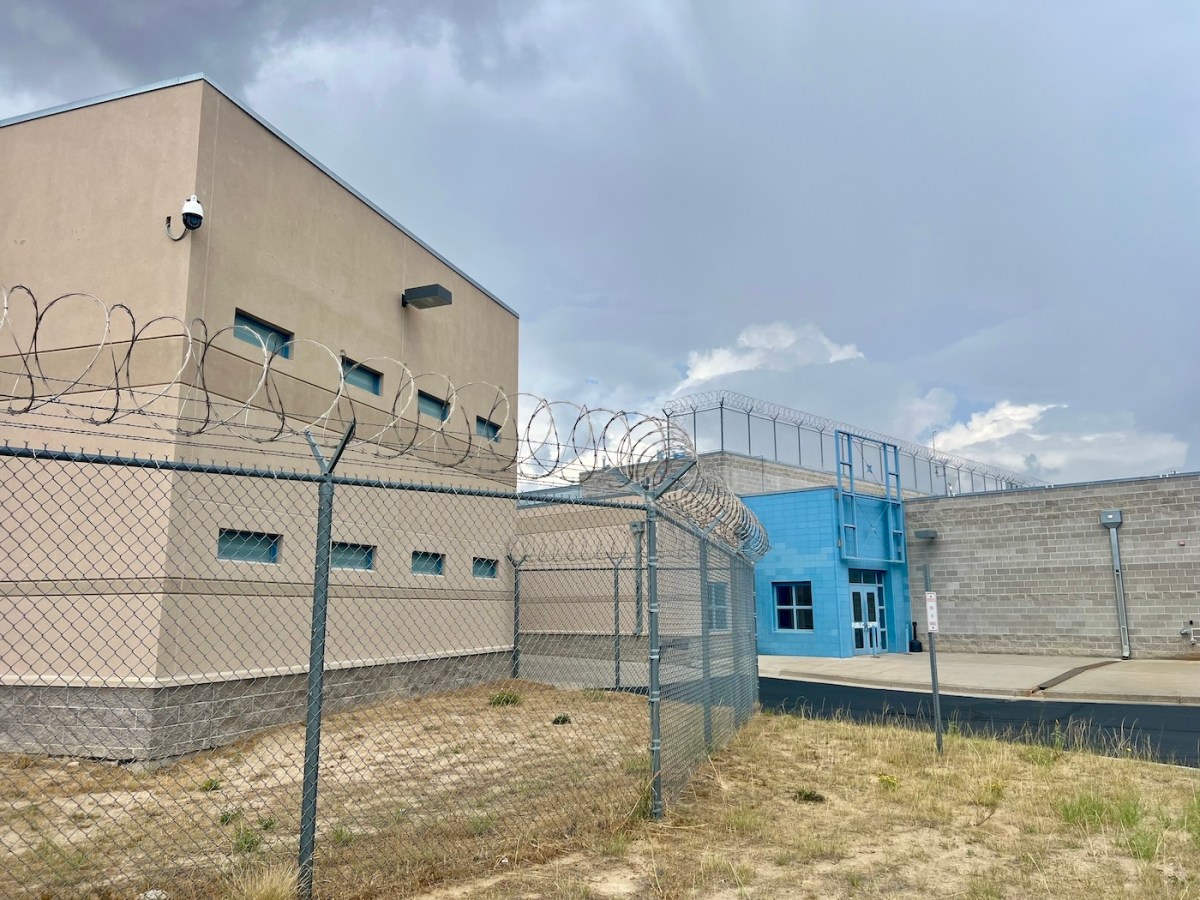
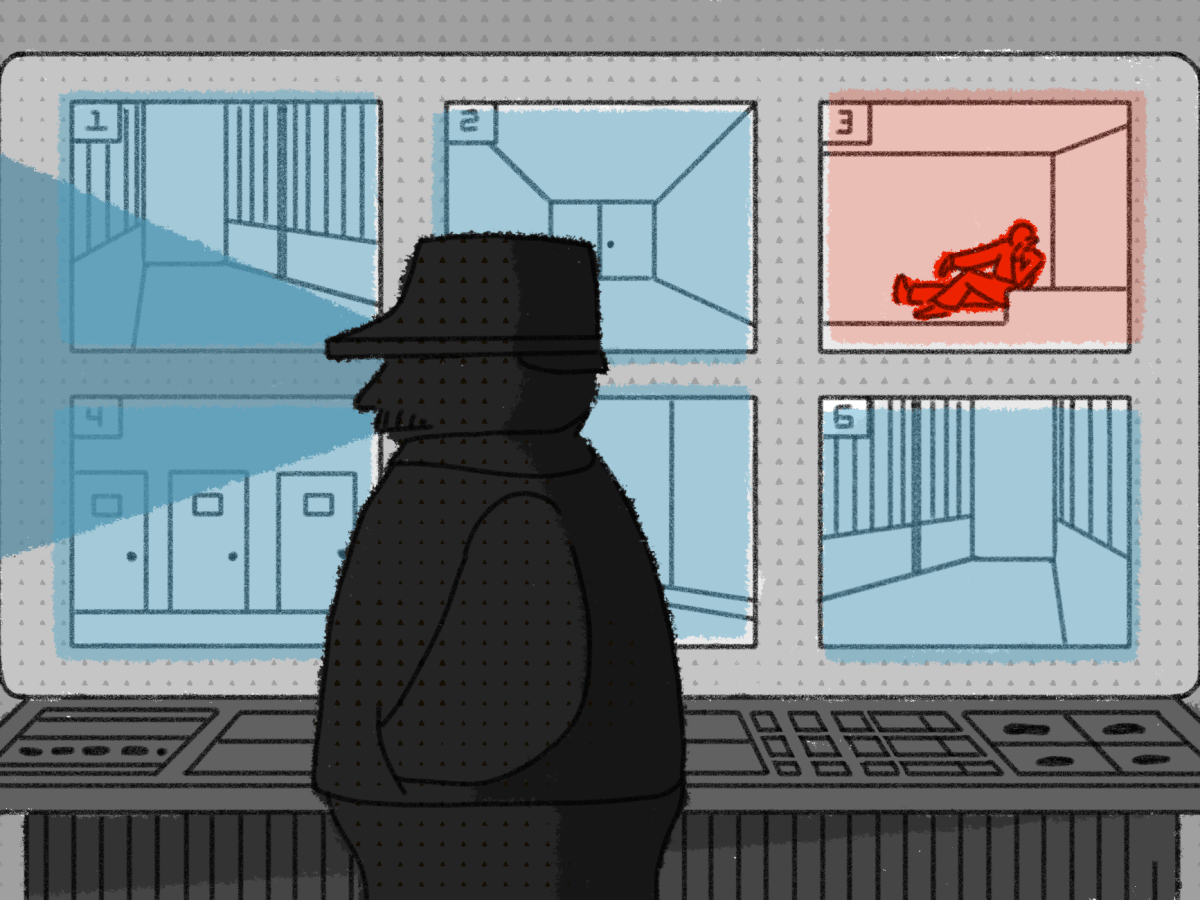
Law enforcement in Natrona, Laramie and Campbell counties are also participating in a pilot diversion program that connects people charged with low-level misdemeanors with community mental health treatment. These programs aim to intercept mental health challenges on the front end and get people out of the justice system more quickly.
Johansson said the new law “can help bolster” these arrangements with law enforcement. “That’s what’s exciting to build out.”
Staffing shortages at the state hospital have also contributed to the backlog of people waiting for competency evaluations and restoration. Lawmakers approved state employee raises this year, which included raises for health professionals at state facilities. Those salary boosts went into effect in July. Since then, Johansson said the health department has seen a “marked improvement” in recruiting for nurses and CNAs. Off the top of his head, he recalled six or seven health workers who had accepted state employee positions at the state hospital in the last month. “I think the driving factor there is the deal is better. We’re paying a more competitive wage for those folks.”
While the volume of court orders has been relatively stable recently, wait times for admission to the state hospital have fallen, Johansson said. The average inpatient wait time for those ordered to the state hospital under Wyoming’s criminal statutes dropped in the past year from about four months on average to roughly three months.
Whether these trends are indicative of a long-term shift remains to be seen. Johansson noted that the volume of court orders fluctuates from month to month. “We know that our courts and our jails and our hospitals are still seeing challenges with wait lists and wait times, so it is absolutely not solved, but the trend has been coming down,” Johansson said.
The health department will share a report on facilities’ use of reimbursement contracts under the new law with the Joint Judiciary Committee by October 2027. Johansson said the department is in contact with other law enforcement agencies and expects more to participate in the coming months.
Correction: This article has been updated to correct the partnership and funding source for the pilot telepsychiatry program. —Ed.


Law enforcement does not have a stellar record working with the mentally ill. Many times they end up killing them.