

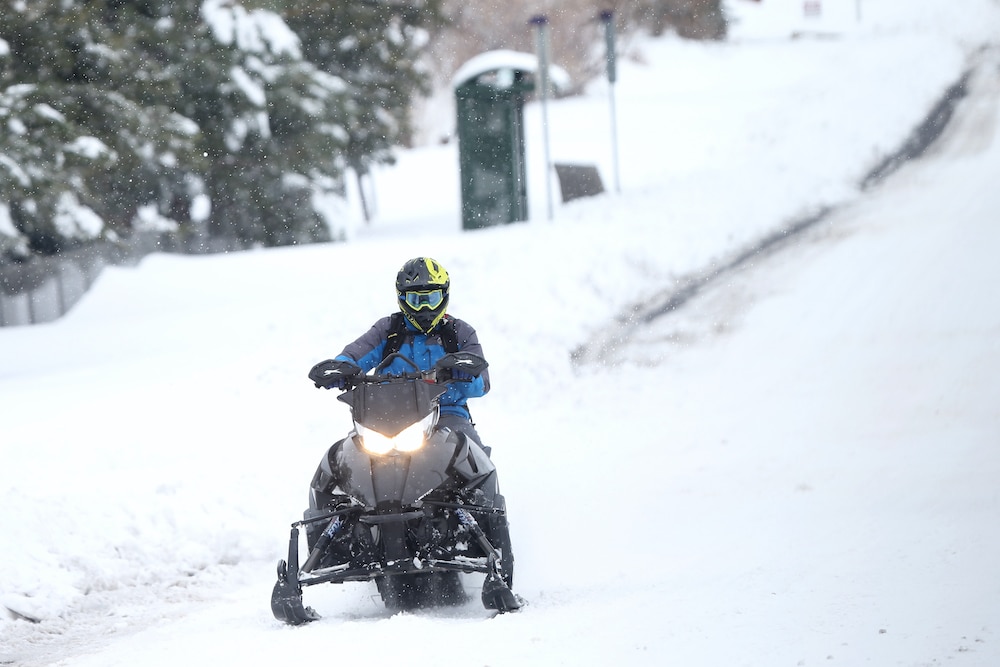
A movement is afoot to increase Wyoming’s snowmobile permit fees to keep up with the rising costs of maintaining some 2,500 miles of groomed trails.
The staff that administers the recreation trails has identified a budget shortfall resulting from increased costs of equipment, fuel and other factors, said Chris Floyd, deputy director of Wyoming State Parks and Cultural Resources.
“In short … our revenues have been quite steady for a long time,” Floyd told the Legislature’s Joint Travel, Recreation, Wildlife and Cultural Resources Committee on Wednesday. “But of course, over that time, our expenses have gone up with inflation and other pressures.”
User groups are on board, according to guides and others who spoke to lawmakers. Currently, snowmobilers pay a permit fee for a decal they affix to their machine. With that decal, they can ride a huge variety of groomed and ungroomed terrain across the state.
“The cost of doing business is more expensive these days, and we do not want to face the possibility of decreased services for the snowmobiling community,” Wyoming State Snowmobile Association President Brenda Miller of Cody told the committee.
“I think we can afford a little bit of a price increase to support this program, and to keep this product in great shape,” added her husband, Bert Miller, president of the American Council of Snowmobile Associations.
Snowmobiling has a significant economic impact on Wyoming; thousands of sledders tow machines to the state’s trailheads through winter months to play in snowy landscapes. The state sells more than 30,000 permits, and the activity generates more than $17 million in state and local revenue, according to Floyd.
“It’s a big part of our outdoor recreation economy,” Floyd said.
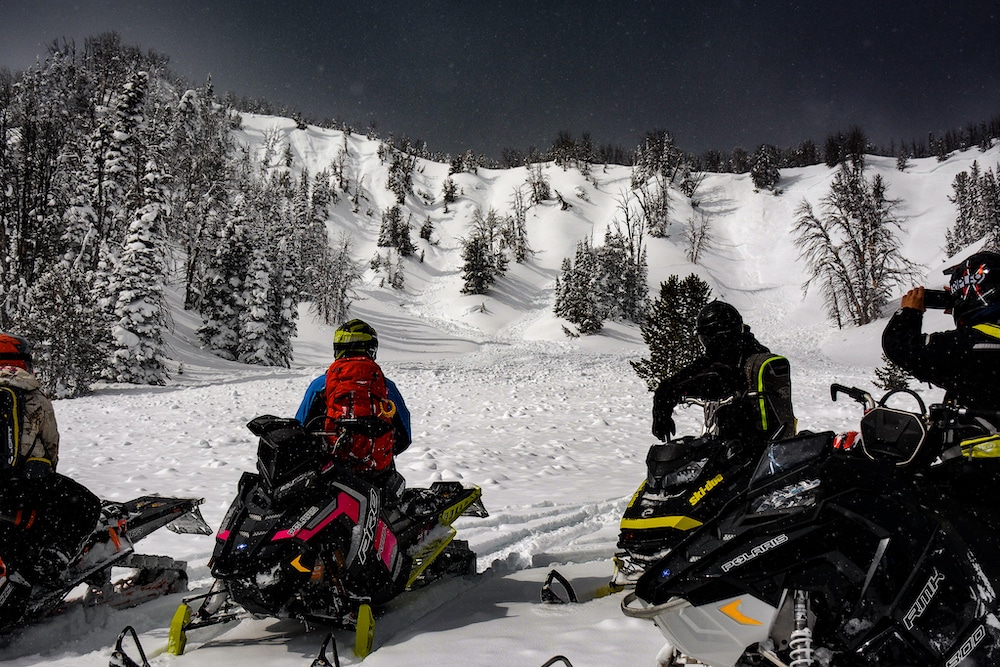
Nonresident, resident and outfitter client snowmobilers spent $193 million in Wyoming during the 2020-2021 season, according to a Wyoming Snowmobiler’s Survey.
The committee did not agree on specific increases, but voted in favor of drafting legislation to hike fees in amounts that will be determined later.
Cost adjustments
Wyoming requires all snowmobiles to display a current user fee decal. Permits cost $35 for residents and nonresidents, and $105 for commercial operators. They were last increased in 2014.
Those permits help pay for the trails program, which oversees a vast network of both snowmobile and OHV trails. The trails program employs 28 people, including 16 seasonal workers, who groom trails, drive snowcats, set trail markers and junction signs and do other maintenance. The program also provides avalanche programs and maintains partnerships with landowners.
The program operates on a mix of permit fee revenue, state fuel tax and federal funds. But while revenues have been steady, costs — from the price of equipment to grooming contracts — have been rising “across the board,” said Wyoming State Trails Manager Forrest Kamminga.
Because of that, it’s facing a deficit of around $500,000, he said. By increasing resident fees from $35 to $50, nonresident from $35 to $60 and commercial from $105 to $150, the state would collect nearly $800,000 in new revenue, according to a graph from legislative staff.
Though in favor of increases, lawmakers on the committee failed to reach a consensus on specifics. Ultimately, they opted to draft legislation with the following placeholder increases: $50 for residents; $70 for nonresidents and $150 for commercial.
“When we meet in July, we can get in the weeds a little more on that,” Co-chair Rep. Sandy Newsome (R-Cody) said.
The committee’s next meeting is July 9-10 in Casper.

Lets get real here……the cost of machines, clothing, safety equipment, trailers, tow vehicles, etc….the trail permit is pittance. Why are you folks so afraid to charge users the real value that they are receiving. And only $150 for commercial users, per unit, per year. Ridiculous! Those rental units are on the trails every day, all day during the season. While we’re at it, let’s address the cost of an OHV trail sticker. This is the fastest growing segment of outdoor recreational activity, and we act like we’re back in the dark ages. With new side by sides costing $30K or more, we’re still only charging $15 for an annual sticker for residents or non residents. Wake up, we should be proud of what we have to offer these folks in the way of recreational opportunities and charge for the added value they are receiving.