

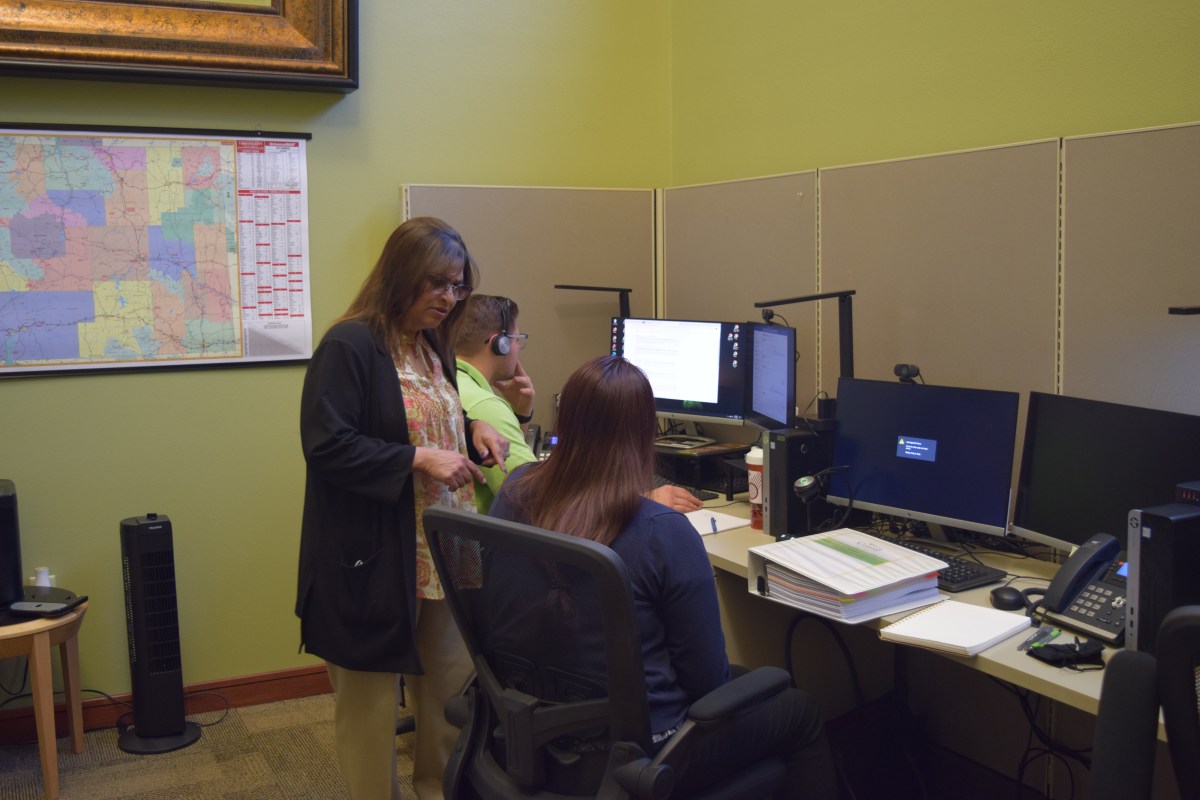
Wyoming’s effort to prevent suicides has made great gains since two statewide call centers were established in 2020. The story is remarkable, but much more needs to be done, beginning with a stable source of state money to save more lives.
Suicide prevention services in the state began with private funds and volunteers, but that model isn’t remotely sustainable or effective during a mental health crisis. Wyoming has ample resources to sufficiently finance suicide prevention — the state saved $1.4 billion last year — and now is the time to do it.
Opinion
Wyoming had the highest suicide rate in the nation from 2017 until last year, when it dropped below Montana and Alaska. Many mental health professionals, as well as Gov. Mark Gordon, say the state’s crisis lifelines are helping.
Suicide hotlines have operated for years in many states, with scant federal or local funding. That changed tremendously four years ago when Congress established 988 as a national suicide prevention and mental health crisis hotline. It’s an alternative to 911, where the majority of suicide-related calls were previously sent.
Since 988 went live in July 2022, the federal government has provided about $1 billion from the American Rescue Plan and the Bipartisan Safer Communities Act. Wyoming has received federal funds for the two call centers at Central Wyoming Counseling Center in Casper and Lifeline in Greybull, but the money was scheduled to run out in July when states take over funding.
During the current budget session, both the House and Senate approved an additional $2.4 million to keep the centers open through June 2026. But after that, no state funds are guaranteed.
Full disclosure: I am a member of the Lifeline advisory board, and an advocate for funding both centers.
Last year the Joint Revenue Committee sponsored a bill to use available federal funds to put $46 million into a suicide prevention trust fund that would use the interest to permanently operate the centers. It was a great solution to prevent closures whenever Wyoming suffers a significant decline in tax revenues.

Wyoming’s economy always booms and busts, and suicide prevention is typically one of the first programs cut. In 2016, the Legislature eliminated the state’s entire $2 million biennial budget for suicide prevention. Two years later, the money was restored, but the private groups and churches that lawmakers expected to fill the gap couldn’t provide the same services.
The Legislature created the 988 suicide prevention trust fund in 2023 but refused to put in a dime. No money from grants and foundations materialized.
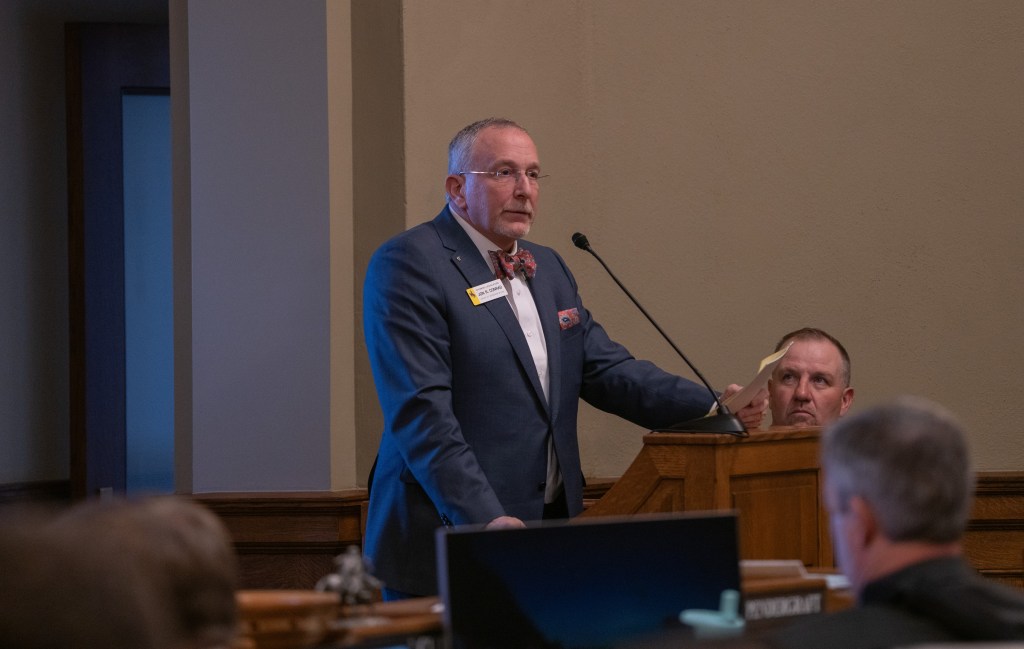
At this year’s budget session, Rep. Jon Conrad (R-Mountain View) sponsored House Bill 186 – 988 hotline-appropriation to put $40 million into the trust fund. The measure managed by one vote to get the two-thirds support needed to be introduced, but the Joint Appropriations Committee reduced it to $10 million.
House Bill 186 died when House Majority Floor Leader Chip Neiman (R-Hulett) put it at the bottom of the general file and it missed the deadline for further consideration.
Another fundraising measure killed without a vote was HB 144 – Suicide awareness and prevention license plate. Sponsored by Rep. Landon Brown (R-Cheyenne), the bill would have raised an estimated $140,000 per year by selling special license plates.
“By refusing to provide stable, long-term funding for the suicide lifeline, the Wyoming Legislature is accepting the fact that loss of life is part of Wyoming culture,” Conrad wrote in an op-ed. “I refuse to accept that.”
I hope Conrad stands strong but he’s got his work cut out for him.
One of the bills that sailed through the House would eliminate gun-free zones in public schools and most government buildings, in a state where firearms are widely accessible and used in about 75% of suicides in Wyoming.
But it’s not all bad news. The House did approve a budget amendment to put $40 million in the 988 trust fund. Since the Senate didn’t consider any appropriation, the issue is now in the hands of budget negotiators from both chambers.
The governor also recommended funds to expand the two centers’ ability to reach more people by adding text and chat services. Both Gordon and Conrad correctly call funding suicide prevention a “pro-life” issue.
In the first year since 988 began, the centers combined to answer more than 15,000 calls. About 30% were from veterans. Before 988 began, calls were automatically routed to other centers throughout the country if no one was available to answer in Wyoming. Out-of-state operators didn’t know what resources were available to assist callers locally.
The Equality State now has one of the fastest response rates in the nation. Professionals are trained to de-escalate crisis situations, and only 2% of callers require emergency assistance from first responders.
Wyoming isn’t the only state trying to find long-term funding for 988. Eight have passed laws to authorize phone companies to collect fees from customers, the same method the federal government uses to help fund 911. For example, Colorado customers pay a monthly 18-cent surcharge.
Ohio budgeted $46.5 million last year to operate 988, but that money is for only two years. Wyoming could spend less than that amount to permanently keep its suicide prevention and crisis line open 24/7.
Another vital mental health expenditure that could potentially reduce suicide is also at stake in this year’s Wyoming budget negotiations. House Bill 119 – School finance-mental health service grants failed to be introduced. It would have allocated $37 million over the next two years to provide additional school counselors, nurses, and community or private mental health providers for K-12 students.
But the House resurrected the school grants program in its budget, with funds totaling $18.5 million. Since it wasn’t considered in the Senate, it will also be worked out by the Joint Conference Committee.
At this point, I don’t have much hope that the budget will be approved without a special session, given the Senate’s determination to cut programs for many of our most at-risk residents. Unfortunately, both the House and Senate agree on one thing: dehumanizing transgender people.
The Trevor Project reports that transgender youth are not inherently more prone to suicide, but attempt to kill themselves at a rate four times higher than their peers. About 30% of transgender youth have attempted suicide in the past year. They are placed at higher risk because of how they are mistreated and stigmatized by society.
The organization found that gender-affirming hormone therapy is significantly related to lower rates of suicidal thoughts and suicide attempts among transgender and nonbinary young people.
So what do many Wyoming lawmakers do? They back legislation like Senate File 99 – Chloe’s law-children gender change prohibition, sponsored by Sen. Anthony Bouchard (R-Cheyenne), to prohibit such care. The bill overwhelmingly passed the upper chamber and was approved 7-2 Monday by the House Judiciary Committee.
The Legislature needs to secure long-term funding for suicide prevention measures like 988. We’ve seen 24/7 access to crisis lines work to reduce Wyoming’s high suicide rate, which is still double the national average. Mental health services in public schools are worth expanding for the same reason. Lawmakers must also seriously examine the impact of anti-trans bills on mental health and suicide risks.
Suicide devastates families and communities. Finding and funding ways to reduce preventable loss of lives is a fundamental public policy that will benefit everyone in Wyoming. Many lawmakers emphasize to their constituents that they are pro-life. This is a good way to prove it.

Last night (March 5) the joint conference Appropriations committee voted in favor of a motion by Senate President Ogden Driskill to add $20 million to the 988 trust fund. There will surely be a battle over this on the floors of the senate and the house, but kudos to the committee and Senator Driskill for doing what WY needs.
The link between transgender care and suicide is important. Thanks for pointing it out. It’s appalling that so many legislators disregard the actual experience of the 99% of trans folks rather than a 1% example who is making a career of pushing this type of legislation.
Amen.
Good information Mr. Drake
I have a quick story and will try not to expound. When I was a Child back in Casper about 60 years ago, a kid in my school committed suicide. I knew him, but didn’t understand how someone could kill themselves. I was 7 years old he was 10. Why would he do that? It devastated family and friends.
The whole town knew about it. They thought it must have been something the family did. The dad was so depressed that he eventually lost his job.
He and his wife turned to alcohol. She was a home maker with 3 other Children. They eventually moved away.
1 suicide killed a single person gut destroyed a family and hurt many other people.
At this point in my response I would usually make a rude comment about our legislature. I will not. This is to important of a bill for me make snarky comments. Something needs to be done. Our state has money and setting up a simple trust fund will go a long way
So, to the legislature. Please fund this.
They’re pro-life from conception to birth.
Once you breathe air, you’re on your own. No need for Wyoming legislators to care if your parents are poor or sick or suicidal.
It’s hypocrisy that only evangelicals and Trump lovers can justify.
Pro birth does not equate to pro life
Thank you for pointing out the success of 988 call centers in WY, and the immediate opportunity for the legislature to provide permanent support through a trust fund. This is logical & compassionate investment in the welfare of our communities.
Logic and compassion are not well represented with the clowns that the low information voters elected. The welfare of our communities is an afterthought of the freedumb caucus