


CODY—Two days of discussion about the Greater Yellowstone Ecosystem’s grizzly population passed before anyone inquired about the status of the species the meeting was focused on.
Under a court order in January, the Biden administration’s Fish and Wildlife Service proposed continuing with Endangered Species Act protections in the Yellowstone region and all other portions of the Lower 48 where grizzlies reside. Shortly thereafter, pro-delisting leadership was installed by the Trump administration: Interior Secretary Doug Burgum and Brian Nesvik, a former Wyoming Game and Fish Department director who’s now nominated to lead the U.S. Fish and Wildlife Service.
For months, there’s been little official word about what’s going on with Fish and Wildlife’s proposal, though the agency delayed the deadline for the public to provide feedback. In Cody this week, the topic was barely broached at the Interagency Grizzly Bear Committee’s semi-annual Yellowstone Ecosystem Subcommittee meeting. It only came up because a member of the public, local resident Dewey Vanderhoff, asked “where we’re at in the overall picture with delisting” during the meeting’s closing minutes.

Hilary Cooley, Fish and Wildlife’s grizzly bear recovery coordinator, pointed out the proposal on the table — and said she couldn’t say much more.
“As far as what happens with that proposal, we’re waiting for leadership to be installed,” Cooley said. “Acting leadership is not interested in making decisions right now.”
As of Friday, 27 pending nominees appeared above Nesvik on the U.S. Senate’s Executive Calendar, which suggests the wait could drag on. The Trump administration also appointed another Wyomingite — mule deer advocate Josh Coursey — to a high Fish and Wildlife Service post, albeit one that doesn’t require Senate confirmation.
Even if expected Fish and Wildlife Service leaders don’t attempt to pull back the existing continued-listing proposal administratively, legislative efforts are underway to delist grizzly bears, including from Rep. Harriet Hageman.
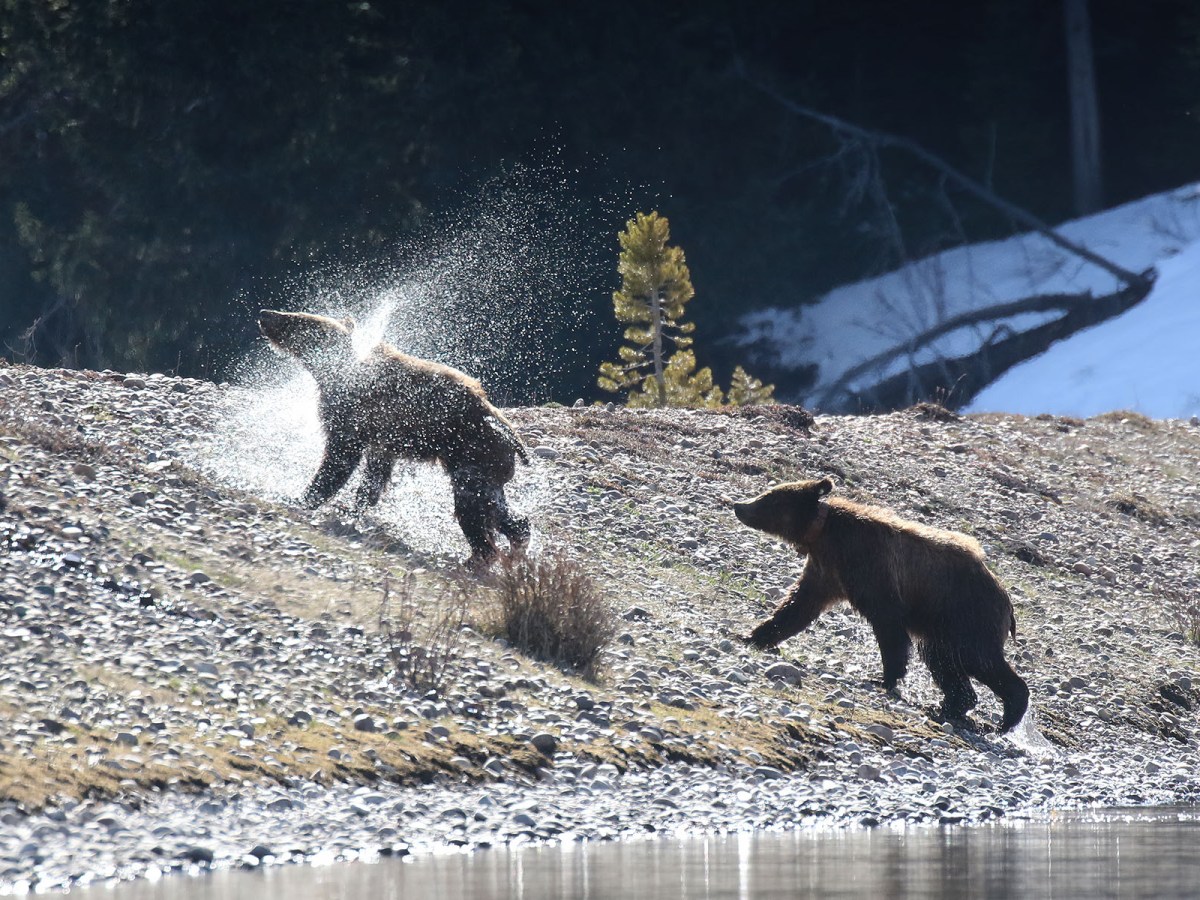
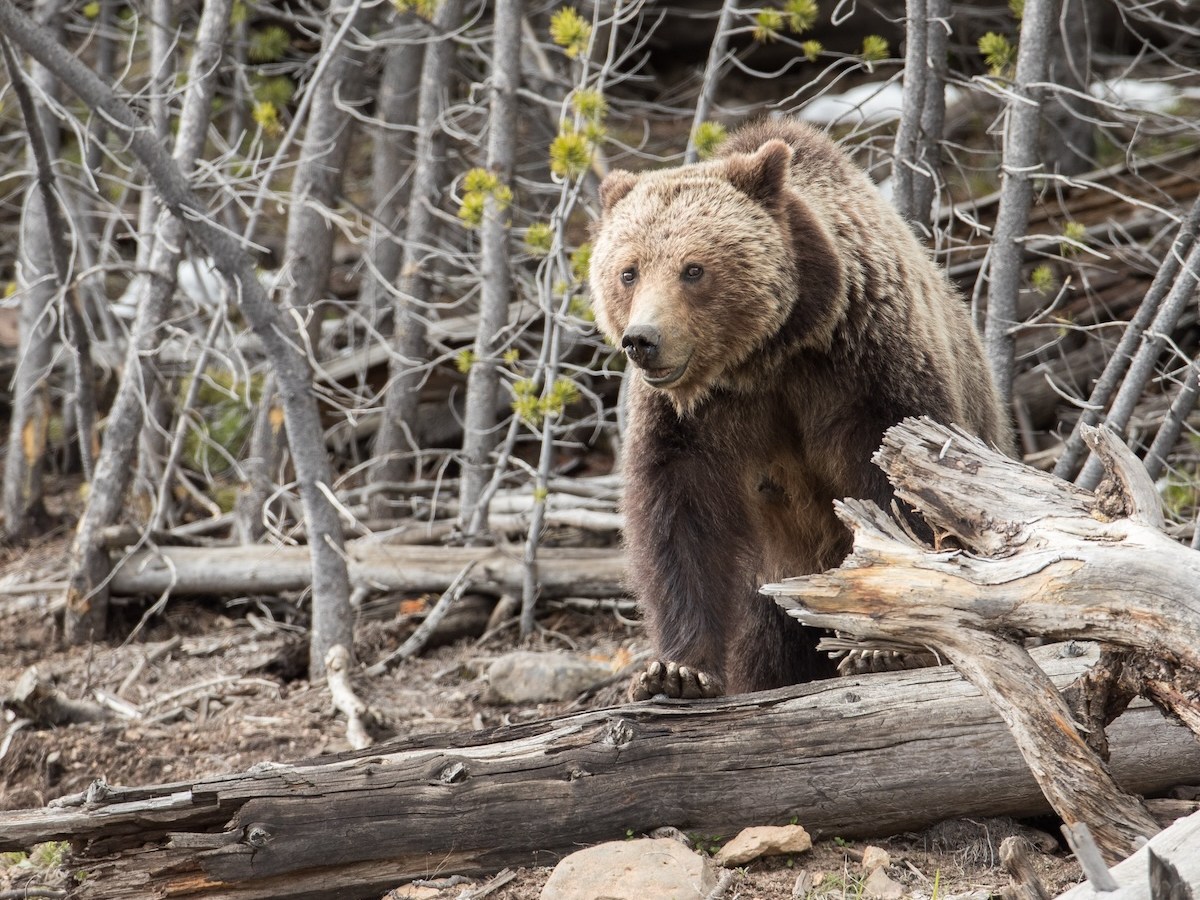
The gathering of Yellowstone Ecosystem grizzly bear managers in Cody differed from typical meetings because of the turmoil and turnover the Trump administration has brought to the federal government via its Elon Musk-led Department of Government Efficiency. Most federal members of the committee attended remotely due to travel and spending restrictions. There were also new faces, goodbyes and discussion about what the diminished Interagency Grizzly Bear Study Team can realistically accomplish going forward.
“One way or another, the USGS is not going to have the resources they’ve had in the past,” Montana Fish, Wildlife and Parks Administrator Ken McDonald told the group. “At the November meeting, we better have a plan for the following spring.”
Biologist Matt Gould, the study team’s new leader, told the group that, despite changes in capacity, the committee’s science arm will continue with grizzly monitoring, data collection and administering the new population model to assess bear numbers — last estimated at 1,050 in the ecosystem’s core.

The Cody meeting was the last as a full-time employee for Interagency Grizzly Bear Study Team Leader Frank van Manen. The longtime federal biologist retired earlier than expected, though he is staying involved in an emeritus role. He helmed the group for 13 years.
“I know there are some challenges ahead, but keep up the good fight,” van Manen told the group. “This endeavor has been successful for 50 years, for a good reason: Agencies working together.”

We have too many bears . The elk numbers prove that. How ever they do need to connect their range into Montana for genetic diversity. Easier said then done.
Perhaps the issue is that far too many people are running around wild lands. Elk, by and large, are doing very well, although chronic wasting disease and other pathogens loom large over the future abundance of elk and many other wildlife species.
Rick- I live in Cody. Elk numbers are about 35% ABOVE in herd count over what Game & Fish would like to see in all the Cody herd units. This after 30 years of Wolf packs co-existing with Elk , and Grizzly numbers going up as much as 300% since they were listed as threatened in 1975. No one knows the actual numbers, but it’s not about number.. Just recall that every herbivorous species like Elk Deer and Moose ( ungulates) have several companion carnivorous species like wolves, bears, and cougars preying on them. Natural order of things.
I’m just saying if you think grizzlies are drawing down local elk numbers, you are quite mistaken. Barstool biology is not real science.
Seriously Folks, if the few places grizzlies are abundant enough to even consider hunting can’t be managed by a local game and fish,( and let’s face it there will never be hunting). Then count em up and share em with colorado,california, in fact, any place with habitat.We will never have a voice until enough people are affected. p.s. I like bears more than people.
The Grizzlies will go on. They don’t know research has been curtailed. In fact they will be better off.