

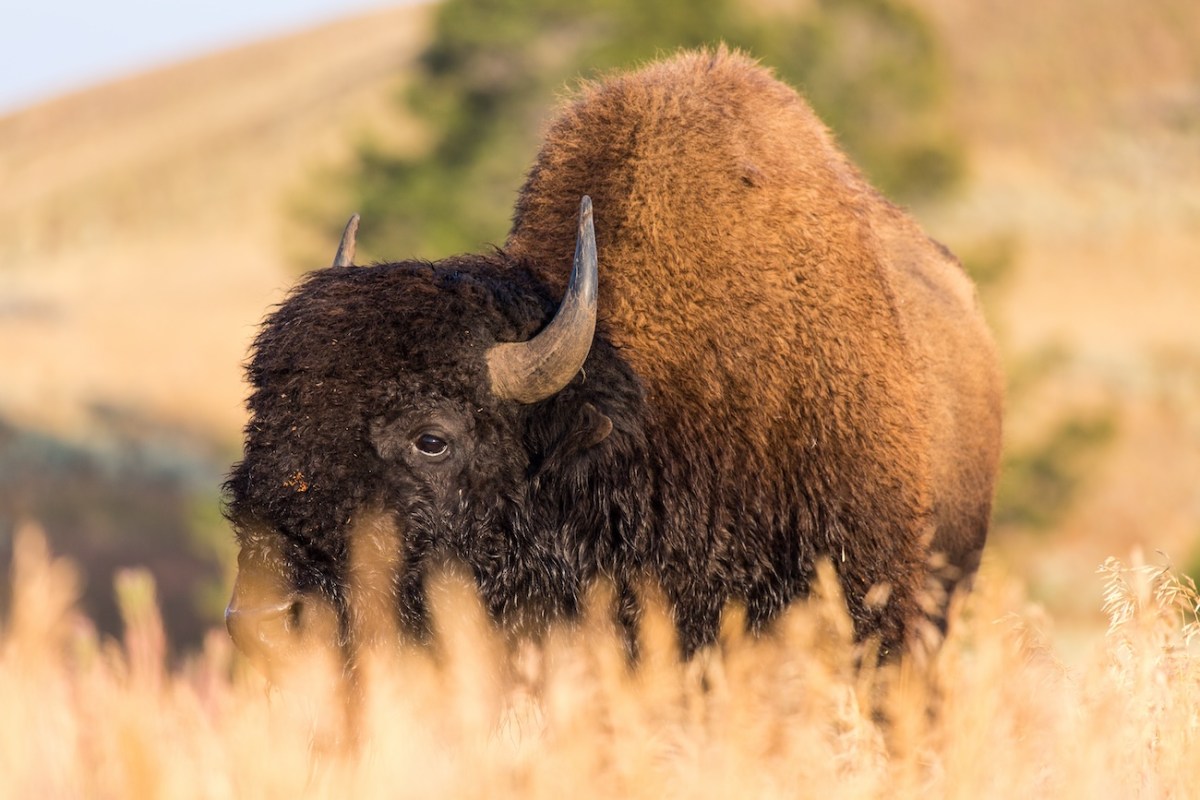
Yellowstone National Park is proposing a major shift in its strategy for managing bison, one that could mean larger herds, expanded hunting opportunities beyond park borders, and more bison transfers to tribal governments.
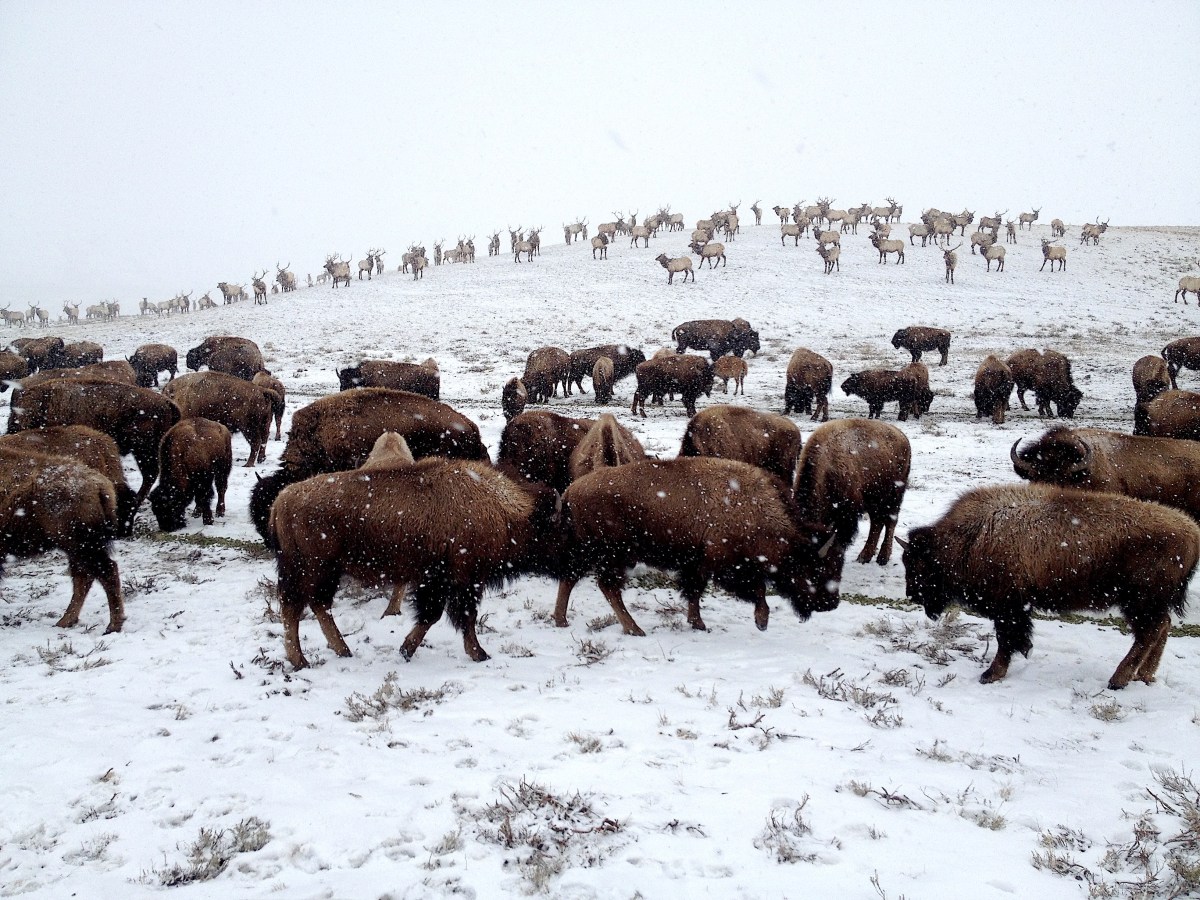
The park prepared its new bison management plan in response to research regarding brucellosis, a bacterial disease that can cause cattle to abort their young. That research has concluded brucellosis transmission to livestock — a concern that has underpinned the park’s bison-management approach for more than two decades — is more likely attributable to elk than bison.
The park, along with other federal, state and tribal agencies, has historically limited bison expansion outside park boundaries. For years, the animals have been subject to a capture-and-quarantine strategy, hazed back inside the park, shipped to slaughterhouses or shot by hunters, mostly tribal members.
Groups like the Montana Stockgrowers Association have long pushed to limit bison presence outside the park, arguing that risks associated with brucellosis transmission, fence damage and forage loss should preclude the park and other decision-makers from taking a more hands-off approach to bison management.
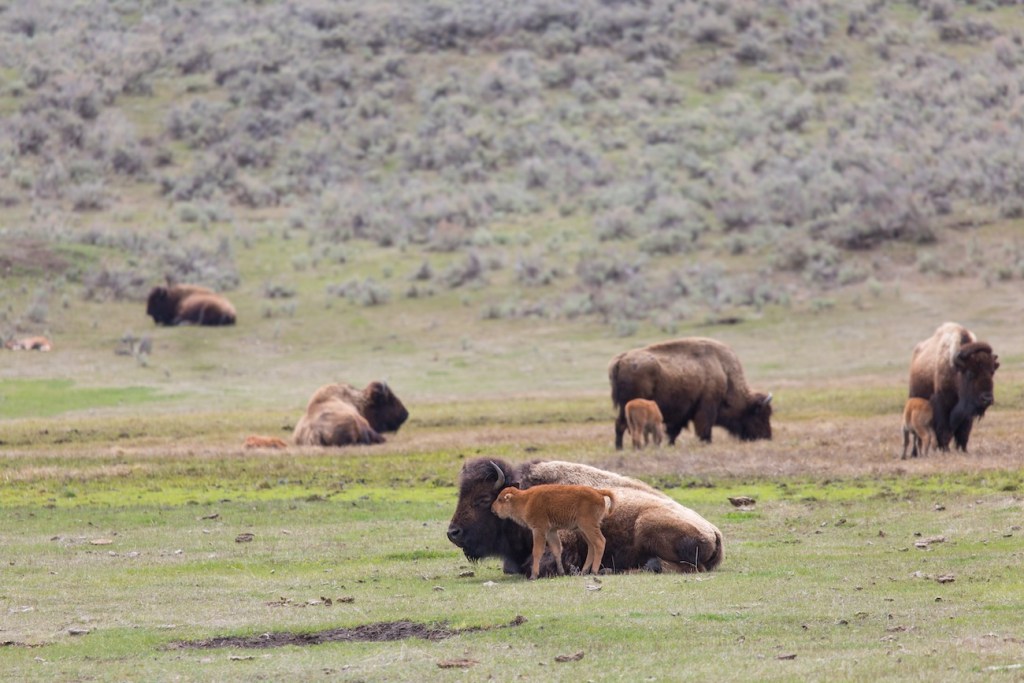
The park’s new plan, technically an environmental impact statement, preserves its ability to “take more aggressive management actions” in coordination with other federal, state and tribal partners working under the existing Interagency Bison Management Plan if the risk of bison mingling with livestock increases. The plan allows for some hazing and “ship-to-slaughter” operations as needed — bison management techniques that have drawn intense criticism from wildlife advocates.
The park’s plan will manage the herd for 3,500-6,000 animals, a modest expansion from the status quo alternative based on the 24-year-old existing plan. The park says the new plan will “facilitate bison recovery; improve hunting opportunities outside the park; enhance local, regional, and tribal economies; and enrich the experiences of tribal members, residents, and visitors.” A third alternative the park analyzed but didn’t select would take a more laissez-faire approach to bison management, treating them more like elk and allowing natural selection and bison dispersal to play a larger role in herd distribution and size.
Michelle Uberuaga, senior Yellowstone program manager with the National Parks Conservation Association, described the plan as an “important next step” that is science-based and will allow bison to thrive in Yellowstone.
“We applaud the Park’s commitment to expanding Tribal cultural herds and will continue to work to ensure bison are managed in the same manner as other wildlife in the Greater Yellowstone Ecosystem — including ending the annual ‘ship to slaughter’ program,” Uberuaga said in the emailed statement.
The plan’s release comes after years of tension between the federal government and Montana Gov. Greg Gianforte’s administration over bison management. The U.S. Interior Department in March of last year pledged to invest $25 million in bison restoration efforts, citing their ecological, historical and tribal importance. In 2022, Gianforte joined the Montana Stockgrowers Association and Montana Attorney General Austin Knudsen in opposing an effort to expand bison grazing on Bureau of Land Management-administered land in north-central Montana, and the prior year the state agreed not to explore bison introduction on state-managed land for at least a decade as part of a lawsuit settlement.
A spokesperson for Gianforte criticized the EIS, calling it “yet another insult to the state of Montana.”

“It is not based in science, fails to incorporate any comments from our agency professionals, and reflects a total disregard for the rule-making process,” Gianforte Press Secretary Katilin Price wrote in an email to MTFP. “In the coming weeks, the governor will be submitting a formal response.”
The park administration is expected to formally adopt the new plan by issuing a record of decision at the conclusion of a 30-day wait period.
This story was originally published by Montana Free Press at montanafreepress.org.

Funny that a national park that has no oversight or authority outside of its boundaries has the audacity to propose wildlife policy in the neighboring states. Just another example of unelected, career bureaucrats who want to promote an agenda that isn’t in line with their original mission. Elections matter, because this is what you get with all of the extreme pseudo-conservation and re-wilding nonsense that has come out of this current administration appointees at Department of Interior.
More Bison. I like the sound of that.
I seriously doubt the Montana Stockgrows will ride quietly into the sunset , admitting that wild Bison from Yellowstone never were the root overt cause of their brucellosis hysteria, the source of their Ungulate Fever. It’s nigh impossible to cram new thinking and peer reviewed science up under those Stetsons. Now that Bison have been discounted as the source of brucellosis, the cattle barons will just go to the next item on their bullet list ” Why we hate buffalo “.
Now, about those tens of thousands of Elk that migrate in/out of the Yellowstone ecosystem , only to find imported Scottish English and French bovines on their former winter range and calving areas …
Governor Gianforte is like most Western State Governors, the Feds are always wrong unless they are giving $$$$ to their State. This Governor from Montana is no exception.
I feel there are areas in the state that could have a bison herd and be managed buy hunting .