


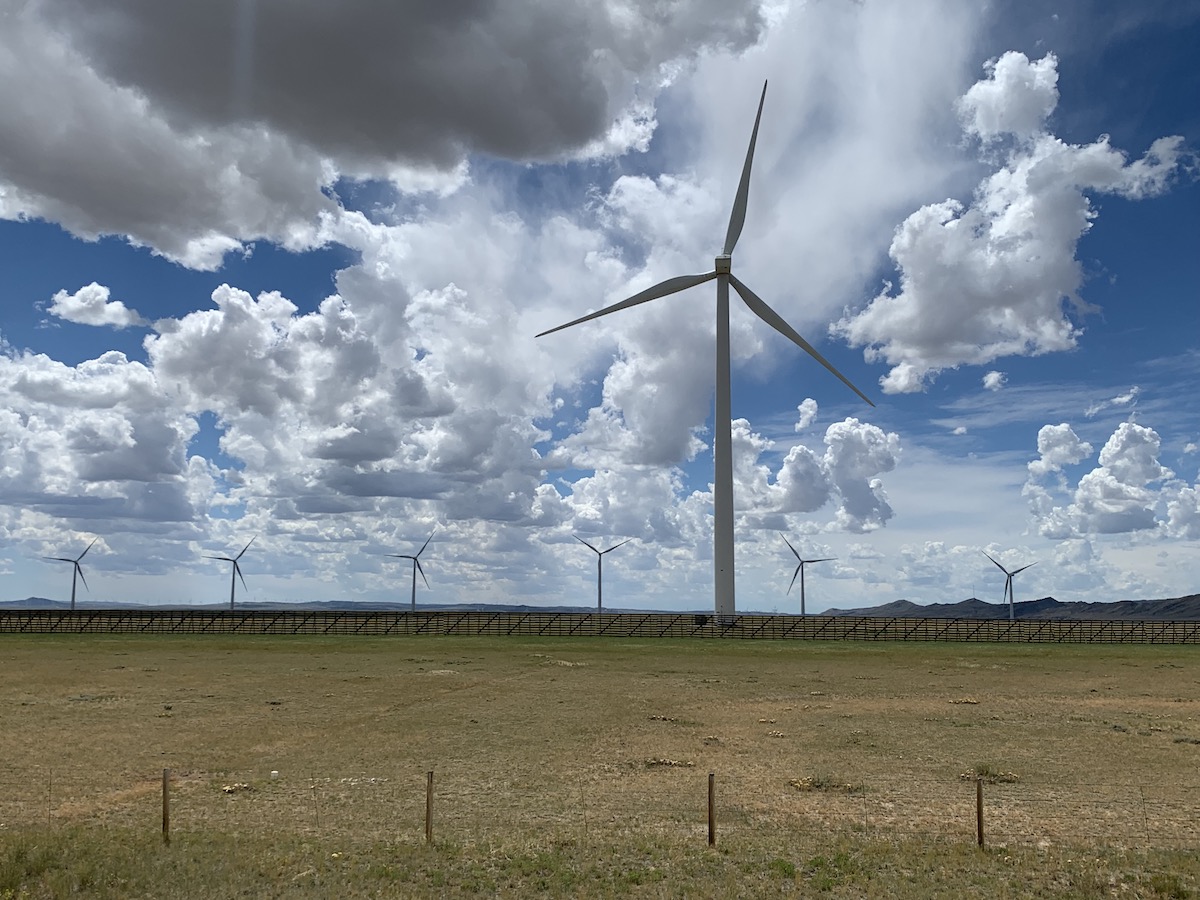
One of the key driving forces behind the expansion of wind turbines in Wyoming is gutting plans for future renewable energy projects.
Rocky Mountain Power’s parent company, PacifiCorp, updated its long-range planning document in March, shifting its previous upward trajectory for new wind and solar throughout its six-state service region to flatline status.
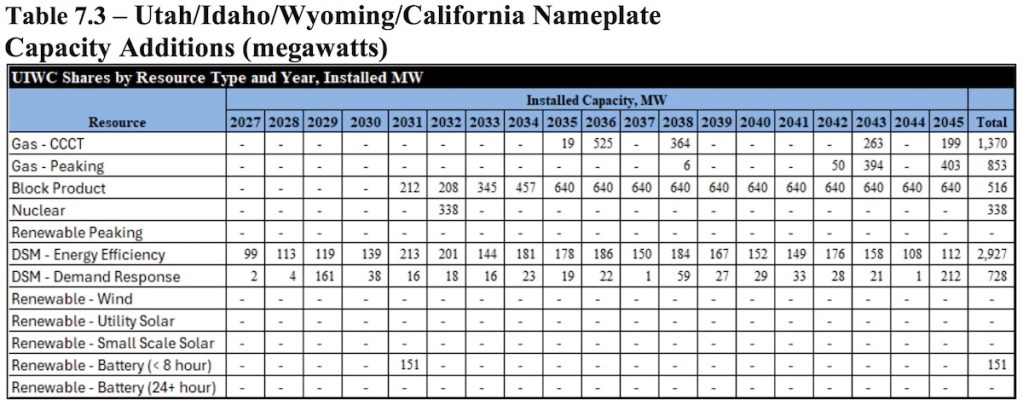
The electric utility has no plans to add more wind or solar facilities in Wyoming, Utah, Idaho and California from 2027 through 2045.
“Changes in this update are largely driven by the July 4, 2025, repeal of major portions of the Inflation Reduction Act,” the company says. “The repeal was enacted through the [“One Big, Beautiful Bill Act”], which, significantly, phases out or eliminates highly impactful tax benefits, primarily for renewable solar and wind generation resources.”
Rocky Mountain Power is Wyoming’s largest electric utility. PacifiCorp is part of billionaire investor Warren Buffett’s Berkshire Hathaway energy conglomerate.
Amid a series of rate hikes in recent years — which amount to about a 20% increase for Wyoming customers since 2020 — Rocky Mountain Power officials have testified that the company’s renewable energy additions were not the culprit, but had kept monthly electric bills from rising at an even higher rate.
“It is the company’s investment in these renewable resources that have mitigated the increase in net-power costs,” former Rocky Mountain Power President and CEO Gary Hoogeveen testified to Wyoming officials in 2023. “Without the company’s investment in these resources, the increase in net-power costs would have risen an additional $85.4 million or 65% in Wyoming.”
But the economic feasibility for wind and solar has changed, according to the utility. Federal tax credits for wind and solar had reduced the cost of wind and solar projects by about 30%, the company says. With the new phase out schedule, projects would likely have to begin construction within the next year to still qualify. That policy, along with Trump administration rollbacks for fossil fuel regulations, “may make coal a more competitive fuel source.”
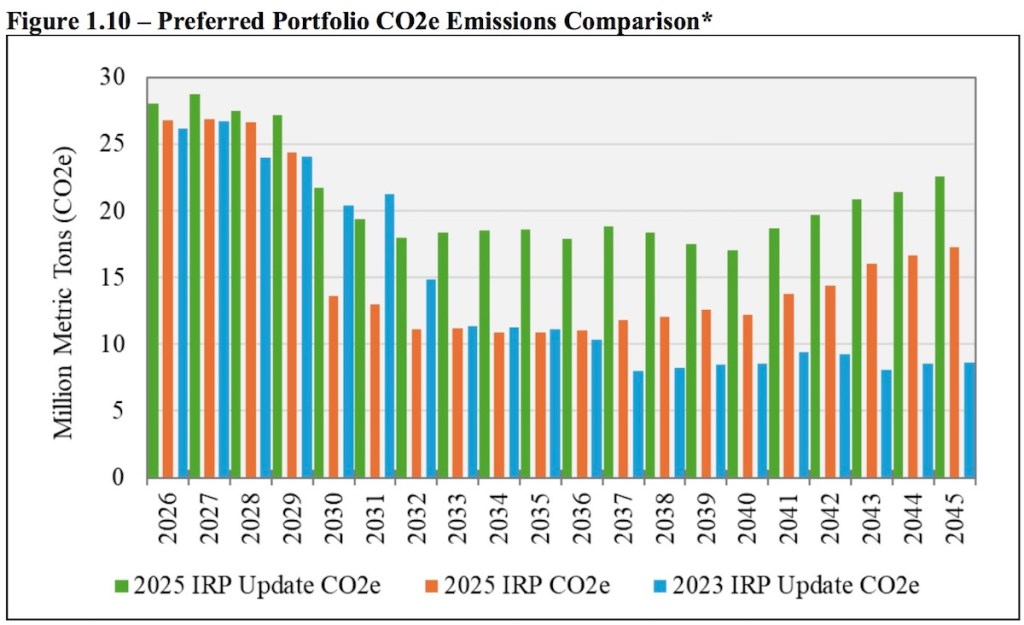
The utility giant has delayed some coal power plant retirement dates in recent years, including in Wyoming, and its new long-term planning outlook notes that its greenhouse gas emissions trajectory, which had been falling, will now go up.
“The update does not look good at all for renewable energy,” Sierra Club Wyoming Chapter Organizer Emma Jones told WyoFile.
She noted, however, that such “integrated resource plans” continually change. Regulated utilities like PacifiCorp/Rocky Mountain Power are required to file a new resource plan every two years, and they frequently update those plans between filings.
The company also notes, as do other utilities, that it is not obligated to follow the plan, which looks 20 years into the future.
Yet the planning document does create “signals” that solidify electrical generation investments in the short term, Jones noted.
“If Rocky Mountain Power is saying it’s not planning on any new wind power for 20 years, I think that does create a level of uncertainty for [renewable energy] developers,” Jones said.
Wind out of the sails
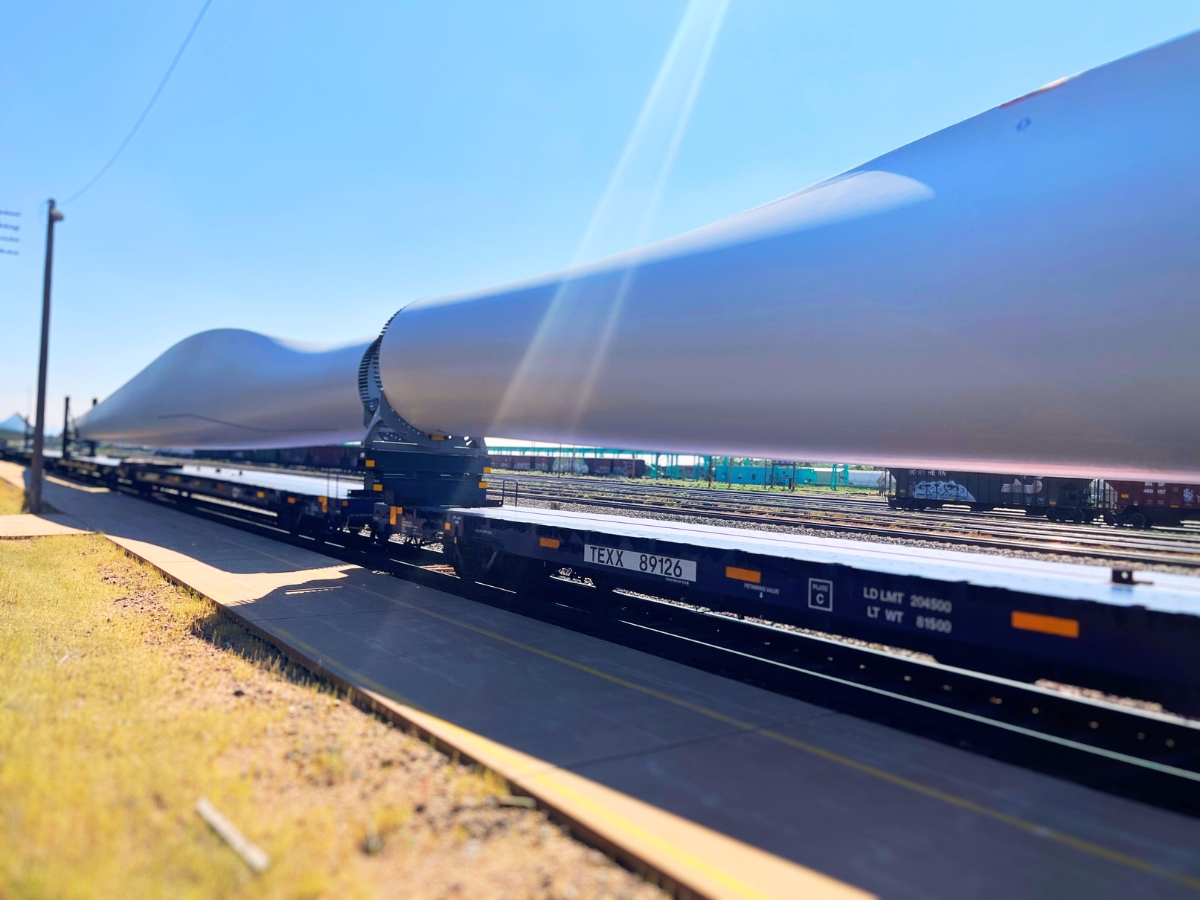
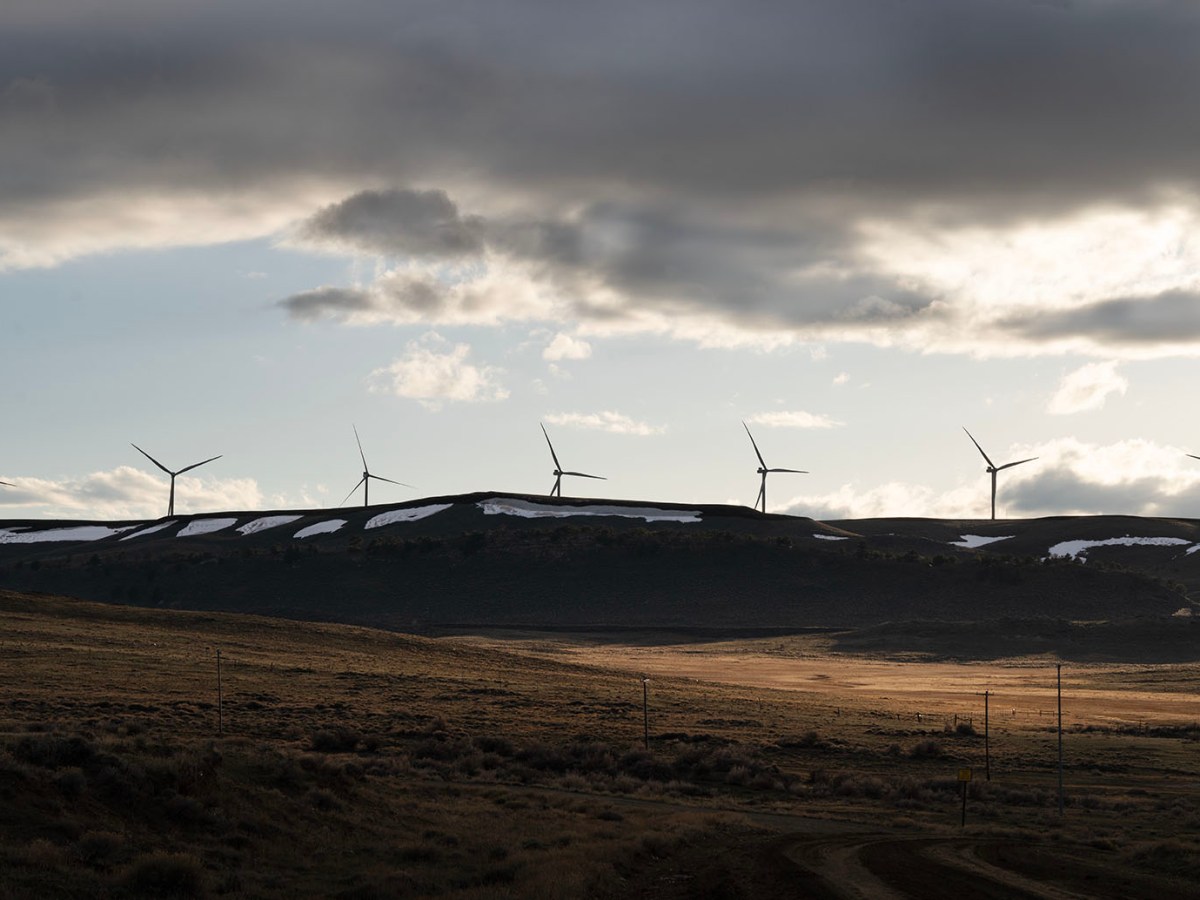
PacifiCorp is responsible for about 35% of Wyoming’s 3,700 megawatts of installed wind-generated electrical capacity, according to the U.S. Energy Information Administration.
One megawatt is enough electricity to power about 750 homes.
Though the company is gutting future renewable installations, there are still a few more projects to come to fruition.
“The preferred portfolio includes about 1,200 megawatts of new solar located in Utah, over 400 megawatts of new wind located in Idaho and 26 megawatts of new wind located in Wyoming,” Rocky Mountain Power spokesman David Eskelsen told WyoFile. Some of those wind and solar facilities will generate power dedicated to PacifiCorp customers in Oregon and Washington, he added.
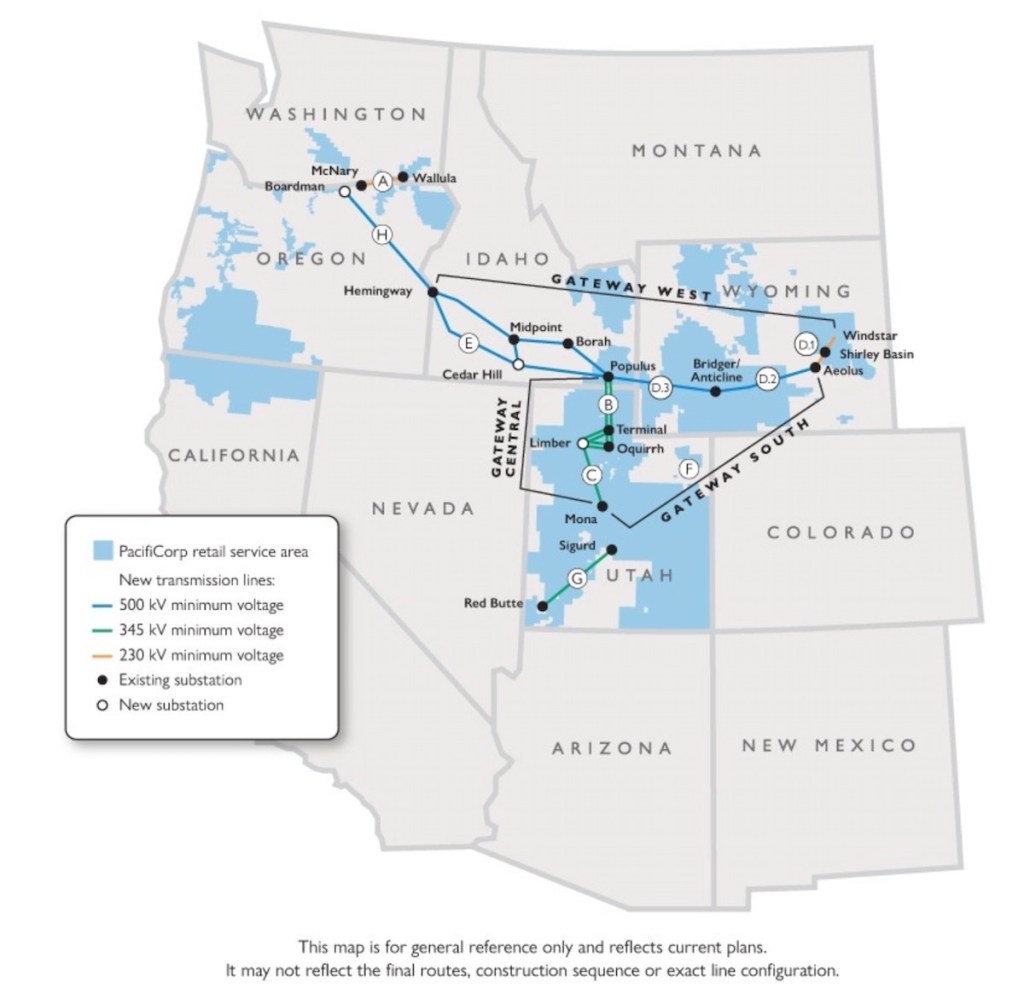
Beyond that, PacifiCorp’s retreat from renewable energy development muddies the picture for future wind development in Wyoming. Frequently, a smaller company will propose a project under its own name, but it’s building to meet the needs of a larger utility — like PacifiCorp, or Black Hills Energy.
In addition to sometimes building their own electrical generation facilities, large utilities — based on their long-range planning — solicit new wind and solar energy from the marketplace by issuing a “request for proposal.” Essentially, they tell other companies that they’re in the market for more renewable power, and if somebody takes the investment risk and works through the permitting process on their own to build a wind farm, the utility will buy the power. It might even take ownership of the facility after the developer has set it up.
Essentially, PacifiCorp has dramatically driven a lot of wind energy development in Wyoming. Now that it’s removing itself from the game, it’s unclear what’s in store for the industry. Some industry watchers speculate that Wyoming co-ops might step into the game for their own reasons, and that data centers might become a bigger driver for wind energy development.
Others, including Jones of the Sierra Club, insist that it’s too late to kill wind and solar energy via federal policies, because they continue to gain efficiencies that likely overcome the loss of federal tax credits. Other utilities, beholden to their ratepayers who want low-cost electrons, are likely to consider adding more renewable energy to their portfolios.
PacifiCorp, Jones speculated, will probably return to renewable energy, too.
“I think the problem is that, even if [PacifiCorp officials] decide down the road, ‘We’re going to invest in renewables again,’ the delay that they’re creating is ultimately going to cost customers money that would have been saved by putting cheaper renewable energy online sooner,” Jones said.
The general sentiment in the utility industry, Jones added, is that it’s cheaper to build today than it is years down the road. “The longer we wait to build out infrastructure to meet the demands of customers, the more we’re going to have to pay in the long run.”

For years now, pacificorp told me that if I changed out all my bulbs to LEDs and bought into the renewable hoax, electricity would be damn near free. Well, 900 kwh in 2018 was $78. This month, 916 kwh is $156. Guess they lied to me.
Funny how a company like PacifiCorp is looking to take away the cheapest and fastest deployable energy source from its customers and force them to pay extra to subsidize the use of coal and underwrite the horrendous cost of building nuclear and dealing with the toxic waste forever. MAGA at its finest, socialize the cost, privatize the profit.
If Wyoming towns want true energy independence, the solution is clear, town based microgrids of solar, wind, and batteries that keep the lights on 24/7.
An incredibly cheap and environmentally power project for Wyoming is supporting Lower Valley Energy proposal a few years back to put turbines in the existing Jackson lake dam spillway. I believe the Sierra Club opposed it. The dam exists. The problem was political courage.
Well at least they can could do fourth grade math the ignorance of Renewables is easily demonstrated with a volt amp meter and yes the fourth grade math called Ohm’s law as it could only produce about 15% of advertised output but want to get credit for like a hundred percent of advertised output
as China’s hybrid car sales sky rocket, the US and Wyoming continue the march back wards to coal, oil and gas. How are the prices looking to the supporters of this administration. Please use some sort of critical thinking to realize that just like Hungary, the wealthy get richer and the workers become poor.The planet is burning, the water table is decreasing, the storms are more intense – stupidity in our country is hurting the planet. Throw in a destructive war no one wants, money spent to send JD to prop up Orban in his failed autocratic bid to remain in power, JD’s failed trip with zero diplomatic input to reinstate what Obama had negotiated earlier (reversed by Trump) while your president was at a wrestling match with the Sec of State. Are you tired of winning yet. Clean energy is the way forward
Years in the future the same people that vote for things like this in booths and congress will be exclaiming “Where are our jobs?” And the proper answer will be “Where you voted for them to be. Somewhere else.” Hope more states enlighten before going down a path that places like West Virginia are experiencing. Never knowing what color water is coming out of the faucet. Poverty and disease all over the place. And utility bills that rival one’s rent or mortgage.
Buffett’s RMP = cowardly action here. We all know Wind and Solar is cheaper than coal now. Wyoming, you will pay more for electricity because of this. Trump did this.
Shortsighted idiots
Usa is losing the energy race. Stuck in the past. Solar and bess is the cheapest . Will only get cheaper. Coal, oil and gas will only go up in the long run.
How can this be ?Trump said energy cost were going down .
Just like when Democrats are in charge, Americans continue to lose.
The previous administration was building Solar and Wind as another energy source, the current administration is purposely halting wind and solar. Your prices will go up even more because of this. We need ALL energy sources. Get solar, I haven’t had a price increase in years and never will, I have true energy independence.
Joshua, watch a Documentary called “Plant of the Humans”
Alternative energy is a scam\grift, big oil owns much of it and it pollutes just as much or worse with mining for the needed materials. The corps and billionaires profit from the subsidies govt. hands out.
If you don’t believe me, look at Elon laughing at the environmental left.
Elon is a ketamine addicted racist madman who says whatever will help him get richer. He endangers the public by rushing out self-driving cars when the technology is not ready, then unleashed an AI tool made for paying predators to create sexual blackmail and child sex abuse material. He is a menace, not a genius.
This is demonstrably false. Coal produces ~ 1,000 g CO2/kWr. Natural gas ~ 450 g CO2/kWhr. And renewables like solar and wind ~ 50. This includes mining and manufacturing contributions for the latter, but not extraction costs for the former. Data from NREL/NLR Life Cycle Assessment project (our own Department of Energy). You don’t get to make up your own facts.