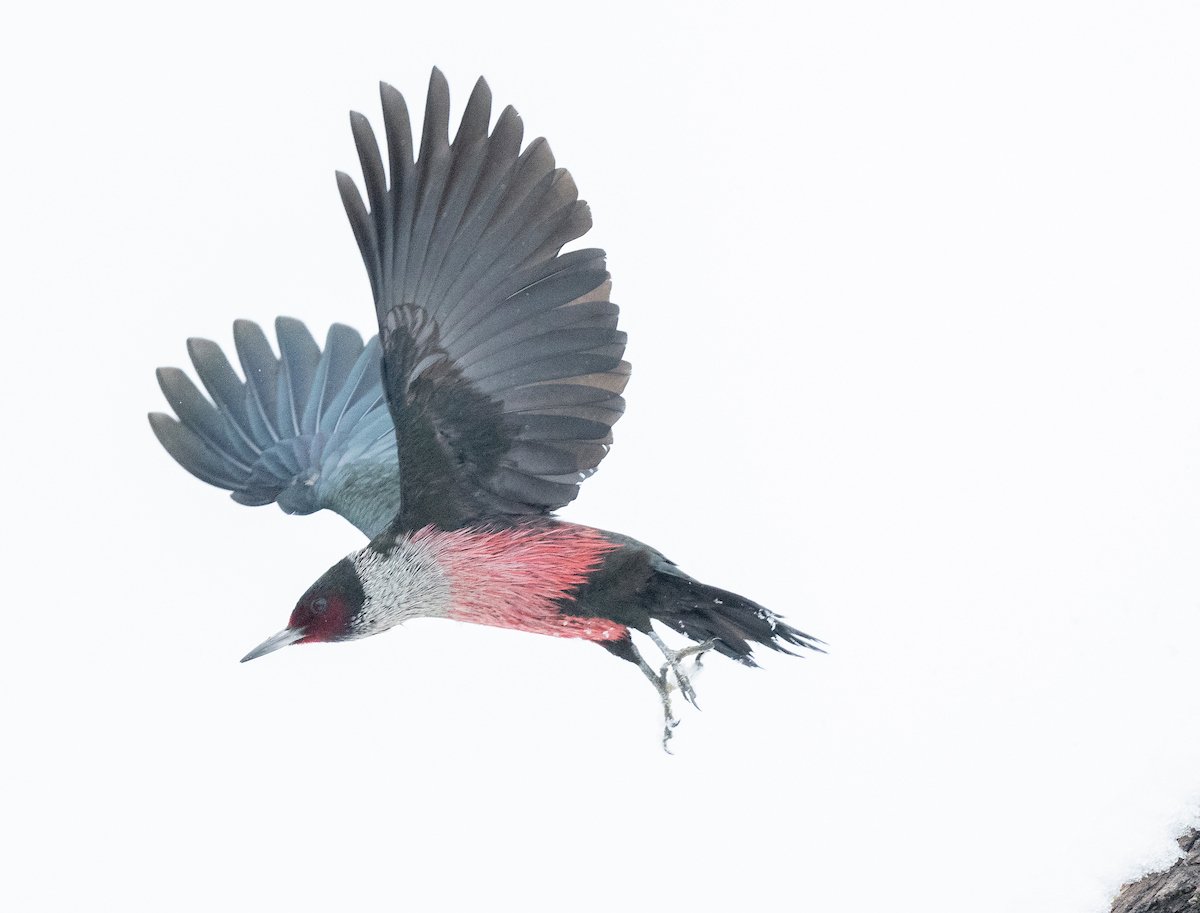
You don’t need to be a birder to recognize the rat-a-tat-tat of a woodpecker.
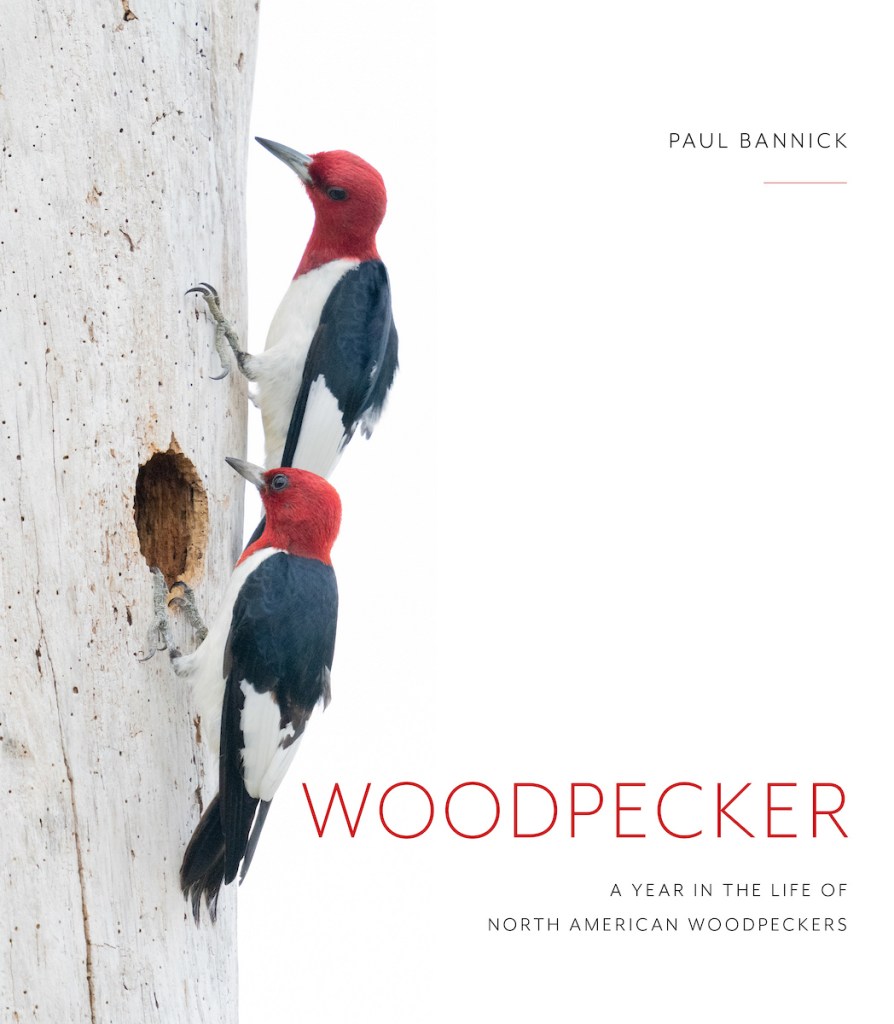
But take a little time to learn about North America’s 41 living species of woodpeckers and you’ll find that steady beat conveys a wealth of information, explains Paul Bannick, author of “Woodpecker: A Year in the Life of North American Woodpeckers.”
“When you hear the drumming of the woodpecker in the early spring, when it’s calling for a mate or digging a hole,” he said, “you’re really hearing the heart of the forest — the heartbeat telling you the forest is coming alive.”
Bannick will talk about “Woodpeckers of the Inland West” based on his new book during the Jackson Hole Birding Festival. Registration closes Friday for the festival, which runs from May 27-30. Now in its second year, the festival combines guided field trips — like scouting for long-billed curlews on the National Elk Refuge — with evening talks from ornithologists, conservationists and other experts.
“Birds are having a moment, especially in Wyoming,” festival founder David Rohm said. “It’s definitely needed. That’s definitely why we’re here.”
Pittsburgh filmmakers David and Melissa Rohm founded the festival, which drew around 165 participants last year. The Rohms’ nature documentary, “Golden Eagles: Witness To A Changing West,” features golden eagles in Wyoming’s Big Horn Basin.
Visitors to the Greater Yellowstone area love seeing grizzly bears, wolves, moose and mountain lions, Rohm said, and birds sometimes take a back seat to all of that “wonderful wildlife.” The festival gives visitors, coming from around the country and even places like Costa Rica, a chance to focus on birds.
Having a moose and the Tetons in the background is also a major draw, he said.
“It matters because there’s land issues and conservation issues at stake,” Rohm said. “There’s a saying, you know, ‘Take care of birds and you solve 90% of the problems in the world,’ and that’s pretty true most of the time.”
Birding is big business, and there’s been an uptick in birding among younger people, said Rohm, who sees people of all ages seeking opportunities to take a break from screens and electronics to get outside.
“Birds are really easy to connect to nature,” he said. “Their songs and their colors, my god, they’re so beautiful.”
A life outdoors
Bannick’s fascination with woodpeckers grew out of being a lifelong outdoors enthusiast. He’d notice that at dusk he’d hear an owl, and in the morning he’d hear a woodpecker. He started to realize how the species changed depending on the type of habitat he was exploring. He also started to appreciate the synergy between the different species. A pygmy owl, for example, usually nests in cavities created by hairy woodpeckers. Those observations sparked the idea for his first book, “The Owl and the Woodpecker.”
After writing more books about the life history of owl species, he circled back to woodpeckers in his latest book, which is his fifth, published last year.
“It’s fun for me to look at North American habitats through owls as indicator species and woodpeckers as keystone species,” said Bannick. Of the 41 species that live in North America, 22 are found in the U.S. and Canada.
When woodpeckers swing their beaks they build homes and harvest food for other critters. Sapsuckers and other woodpeckers drill and maintain holes in trees to create wells that provide a steady supply of sap and insects. When hummingbirds migrate in the spring, very little food is available, Bannick said.
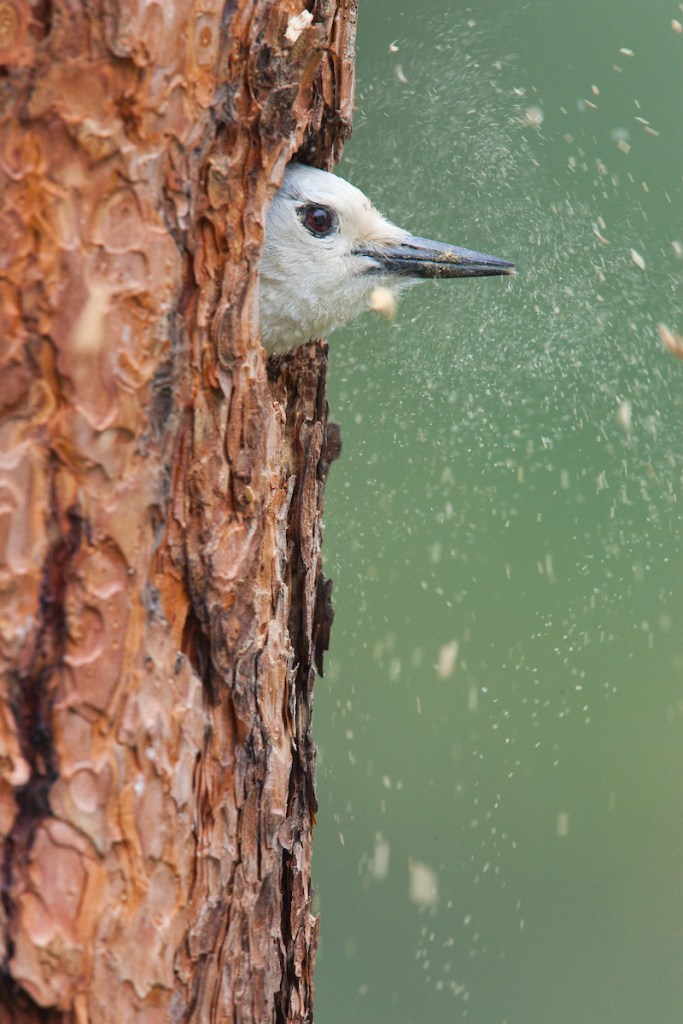
“Research has shown that the Rufous hummingbird of the West and the ruby-throated hummingbird in the East set up their nests near the sapsuckers’ sap wells in order to have that dependable food when little else is available,” Bannick said. “So this is another way in which they’re a keystone species.”
When it comes to shelter, 10 owl species, from Western screech owls to pygmy owls, nest in cavities carved by woodpeckers while small mammals, like rodents and flying squirrels, and even wood ducks make their homes in the holes.
Woodpeckers benefit from fire in different ways, Bannick said. For some, they thrive with a more open canopy while others nest in the standing dead trees left in a fire’s wake. For others, it’s the pests that come in to try to feast on those dead trees, which in turn creates a meal for woodpeckers.
“They will come to your yard, they will nest on your property, and in the process they will remove insects you don’t want around,” he said. “They will do all of this, we just need to make sure they have some place to nest.”
Like a sap well, nature serves up a steady stream of questions for Bannick, who follows his curiosity with deep dives into what makes a habitat — a savannah, woodland, forest, riparian area — thrive by observing the behavior of species living there.
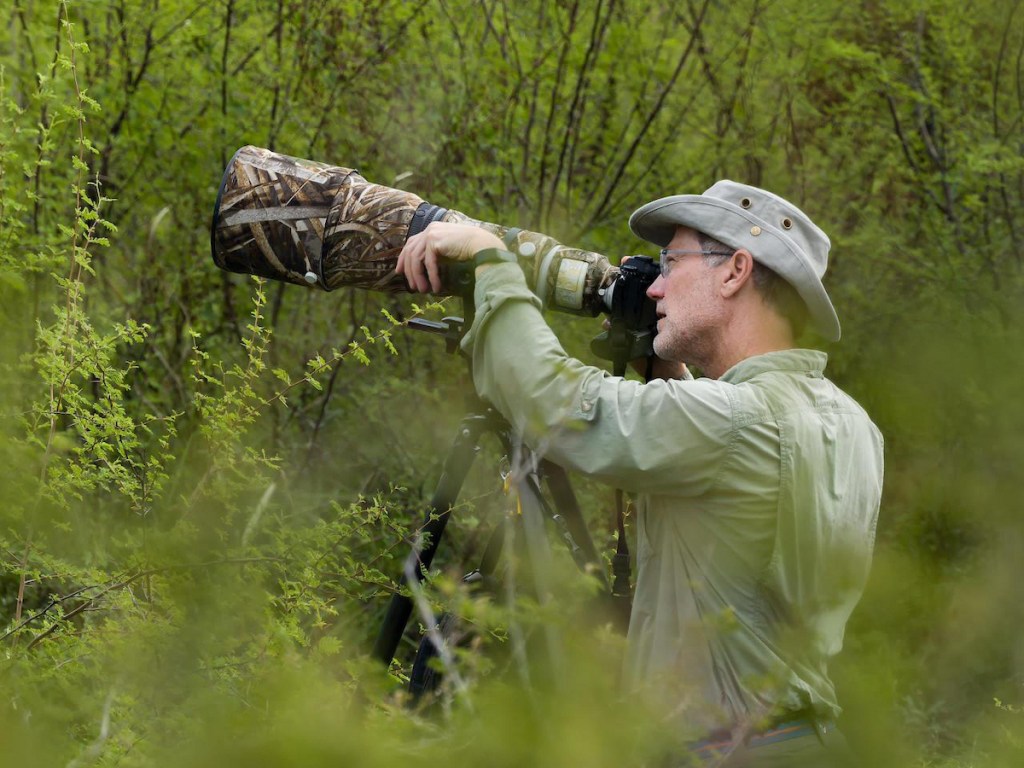
“Because I’m a lifelong conservationist and outdoorsperson, I’ve always taken note that whenever I’m in a new habitat, the birds change,” Bannick said. “And the question is always: What allows one species to be in this place, and why, when I move to another place, are the species changing?”
Bannick’s dedication to documenting birds links back to an obsession with amphibians. As a kid growing up in the Seattle area, he really got into frogs, salamanders and newts.
“I was exploring around the woods, getting lost as a little kid, you know, 5 or 6 years old,” he said. “I was one of a big family, so no one was watching me.”
Over time, he observed fewer and fewer species and noticed that their wetland habitat was being drained. He drew pictures to show people what he was seeing. The drawings didn’t get much attention.
“I started using a camera and people started paying attention,” he said. “So then my dream became, can I use my camera to protect animals and places.”
After decades of pursuing that lifelong passion, and with the publication of his latest book, Bannick has been speaking at birding festivals around the country. He often gets asked how he finds birds.
“The basis of me finding birds and observing behaviors is understanding the ecosystem, which starts at the plants,” Bannick said. “You want to understand the habitat first, and then let the birds animate that scene.”