

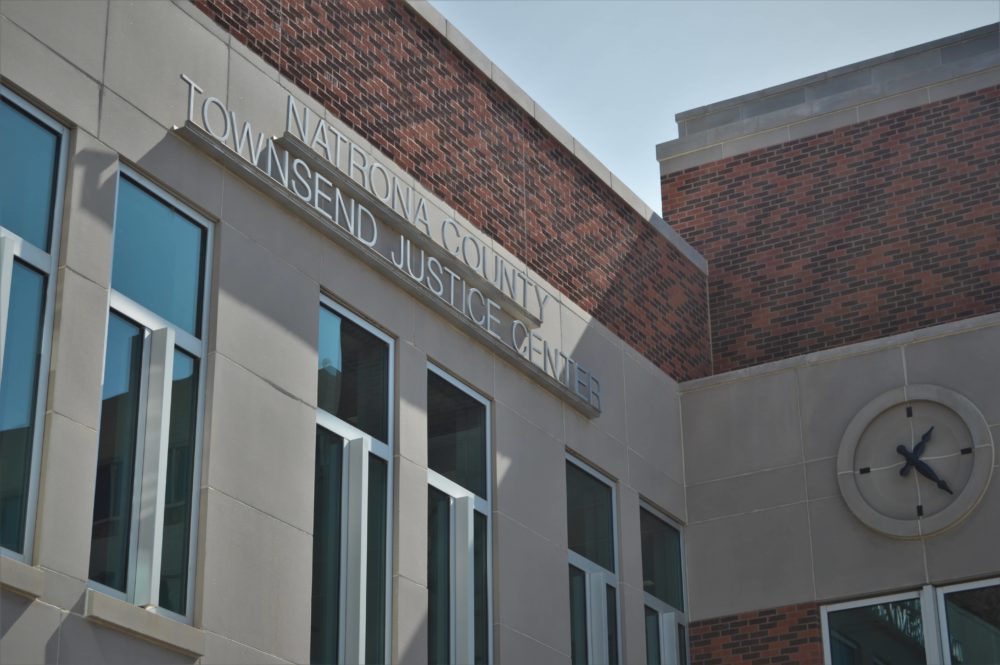
Amid concerns about staff resources and sensitive information, lawmakers declined Tuesday to sponsor a bill for the 2027 legislative session aimed at increasing public access to court records.
Right now, Wyomingites typically have to go in person to a courthouse to access court documents for a fee, with the exception of Supreme Court records. Court proceedings are sometimes streamed, but they aren’t archived, meaning audio is only available in real time.
Last legislative session, Rep. Ann Lucas, R-Cheyenne, sponsored House Bill 93, “The people’s right to judicial transparency,” which would have required court records, as well as audio and video recordings of court proceedings, to be publicly available online for free. But it failed to get the two-thirds majority vote required to be considered during a budget session, which occurs every other year.
The Joint Judiciary Committee weighed the same bill during the legislative offseason known as the interim. Proponents of the measure have argued that taking time out of the day to go to the courthouse and paying for records creates an overly onerous burden for people navigating Wyoming’s legal system. But concerns about irreversibly releasing sensitive information, hindering police investigations and burdening staff resources led again to the measure’s demise.
Court records contain “a lot of sensitive information” that, under HB 93, “would be accessible to any user anywhere in the world,” Dawnessa Snyder, a Carbon County District Court judge, told the committee. Though Wyoming has rules requiring information such as minors’ names, birth dates, Social Security numbers and banking information be redacted, it nevertheless “happens all the time” that such information appears unredacted in court documents, Snyder testified.
“The clerk doesn’t get to choose what’s going to be filed. They have to accept what’s presented. If they catch something, they try to bring it to either the court’s attention or the filer’s attention. But it’s not the clerk’s job to go through and redact filings,” Snyder said.
The judge also noted that Colorado, which recently began to require courts to stream proceedings, has experienced issues with people “hacking into the feed” and disrupting hearings. A memo from the Wyoming Judicial Branch argues that live-streamed hearings risk turning parties, witnesses and judges into “content, not participants in a serious legal process.”
“This degrades the dignity of the courts, public confidence in the justice system, and the willingness of witnesses to testify truthfully,” the memo states.
Several people expressed concern about data mining, as well as funding and staffing challenges the bill might impose, particularly for smaller municipal courts. While the bill included some funding through 2028, Casper Mayor Ray Pacheco argued that the money wouldn’t extend far enough. “The records don’t stop accumulating. The redaction does not stop. The storage does not stop. The maintenance does not stop. And very clearly, the funding is temporary, and the obligation is permanent,” he told the committee.

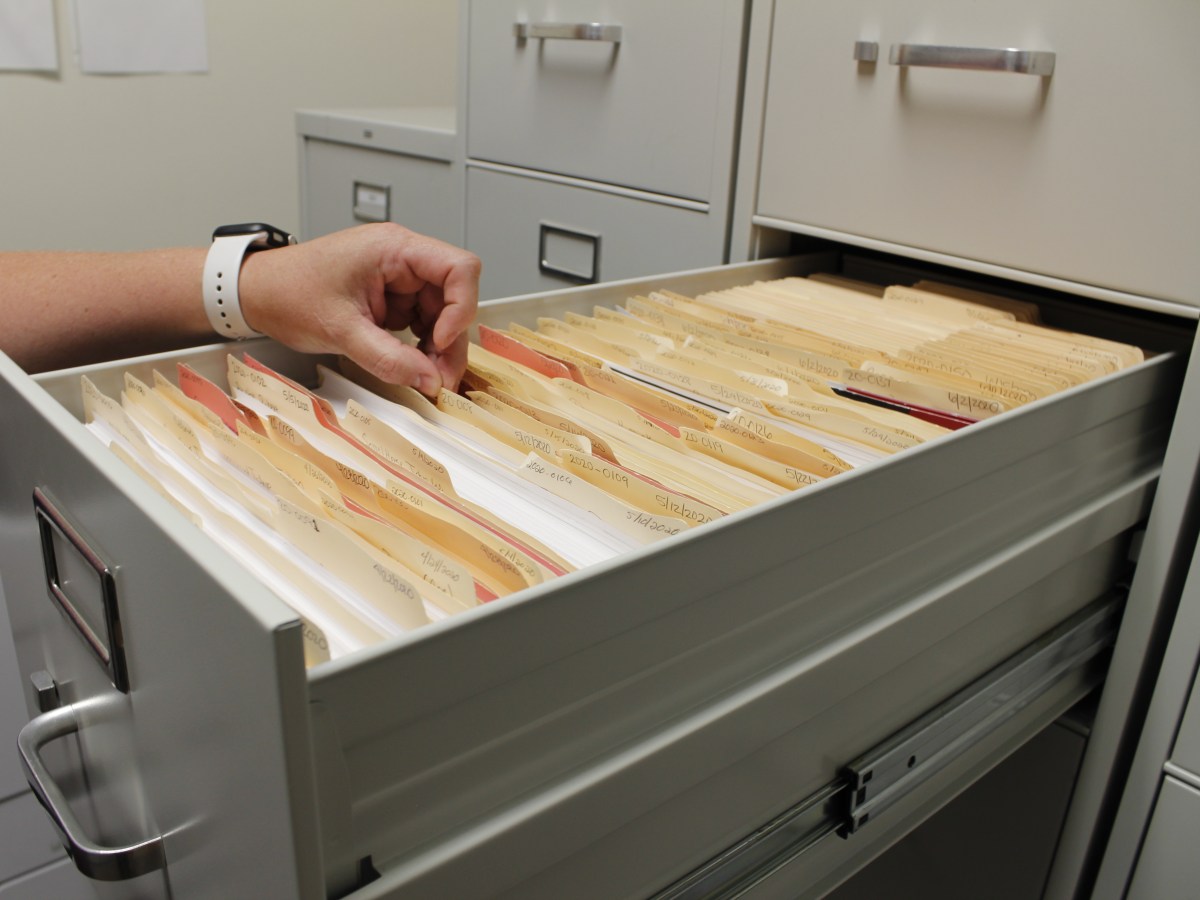
A Wyoming Judicial Branch memo estimates that initially putting in place a remote public access system could cost between $1.18 million and $3.6 million, with additional annual ongoing costs of between $957,000 and $1.4 million.
The bill ultimately failed with an 8-4 vote. “I’m all for public access and [the] right to get to things,” Sen. Gary Crum, R-Laramie, said. “I’m not sure this bill does it. It may create more problems than we’re actually trying to solve here.”
While the Joint Judiciary Committee declined to sponsor the measure, a lawmaker could still independently bring a court records access bill for the 2027 legislative session. Because it will be a general session, the bill doesn’t need to pass a two-thirds introductory vote.
Correction: This story was updated to correct the description of how bills move through the Legislature.


Just a correction to this sentence: “Because it will be a general session, the bill just needs more than half the votes, rather than a two-thirds majority, to win the introductory vote.” There aren’t introductory votes in a general legislative session. Rather, the bill is “introduced” by being read by the Speaker in the House or the President in the Senate and assigned to committee. [as an aside this is how a bill can be “pocket-vetoed” when leadership does not assign a bill to committee in the chamber of origin or after it passes one chamber and is in the next and it dies] You’re correct that the bill needs a simple majority to pass a chamber, but that’s later on in the process.